
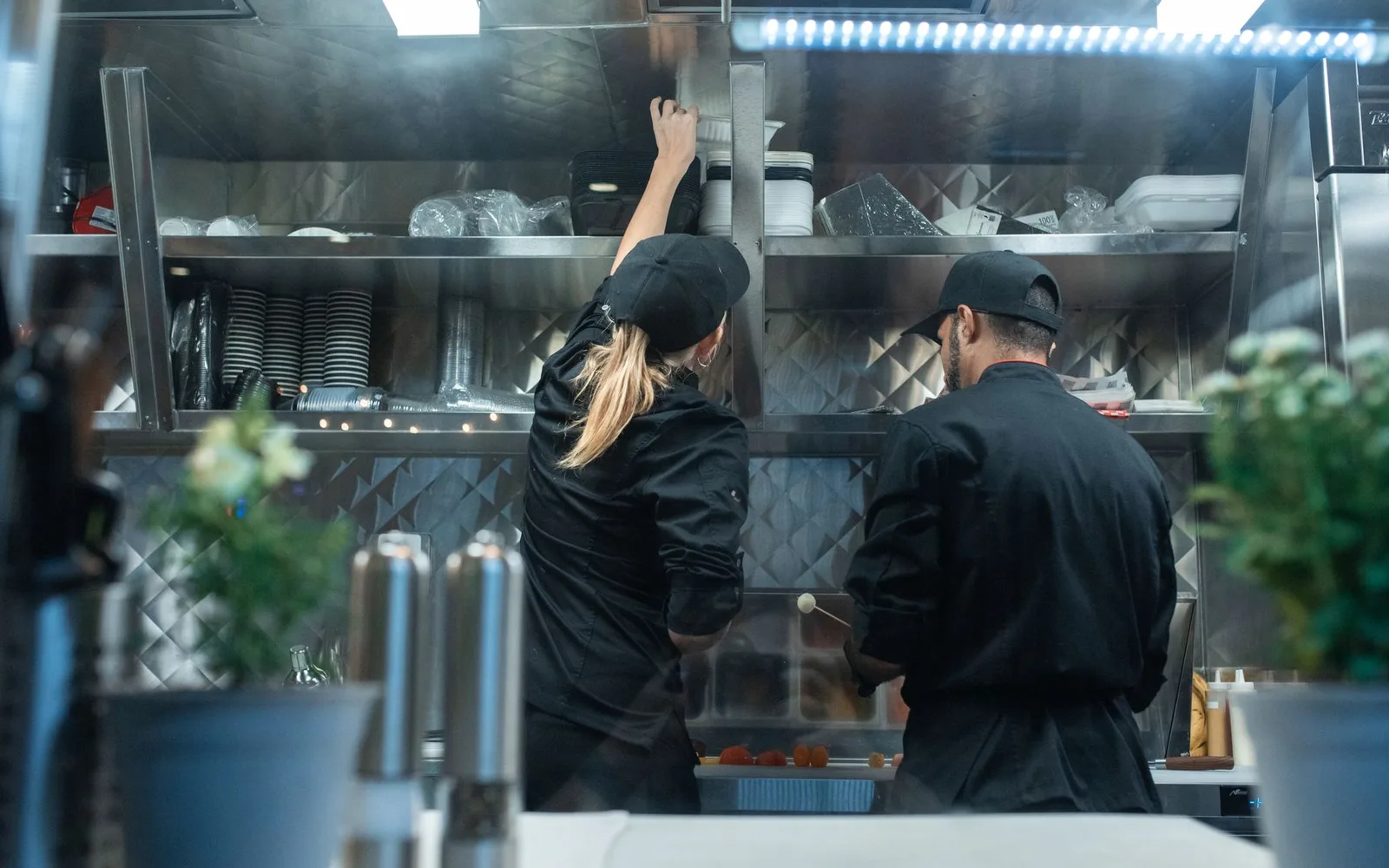
Restaurants and cafes in Al Nakhil Jeddah
Al Nakhil is a recently built mixed district in eastern Jeddah between Palestine Road and the King Abdullah branch road, with apartments, villas and new housing schemes alongside ground floor shops and restaurants. Modern building work leaves small cracks in walls, ceilings and floors that insects find quickly and exploit.
-
Targeted, not broadcast
Product goes into cracks and runways, never sprayed across open surfaces.
-
Told before we start
What we will use, where it goes, and what to cover or move before we arrive.
-
A follow-up visit
We return after the first treatment, because what survives it does not show on the day.
-
Homes and businesses
Apartments and villas, and kitchens and stores that need a record of each visit.
Why they keep coming back in Al Nakhil
New restaurants in the district may show no obvious problems at first, but moisture from irrigation and the modern building envelope draws pests faster than in older quarters. The method is set out in full on what Restaurants and cafes involves.
New construction leaves unsealed gaps and cracks
In Al Nakhil, new buildings often leave small openings in foundations, walls and ceilings. Insects discover these gaps quickly, and the programme focuses on finding and sealing them before they become permanent routes.
Irrigated gardens around new blocks draw pests inward
New housing schemes have landscaped and irrigated gardens. These provide food and water for rodents and insects that gradually migrate towards the restaurants in search of more concentrated sources.
Modern poured ceilings may hold hidden structural gaps
Ceilings and floors in new buildings often contain small, invisible cracks. Cockroaches hide in these voids and breed safely away from direct spray contact.
The character of Al Nakhil
Mixed district: shops at street level with homes above them
In a recently built mixed area, insects find multiple entry routes through construction gaps and the irrigated gardens surrounding each building. The programme focuses on sealing small openings and reducing water and food sources near the restaurant.
The places that decide the programme
The district's new building stock is characterised by recently poured concrete structures with construction openings that may not be sealed tightly, and irrigated gardens around villas and new blocks provide shelter for rodents.
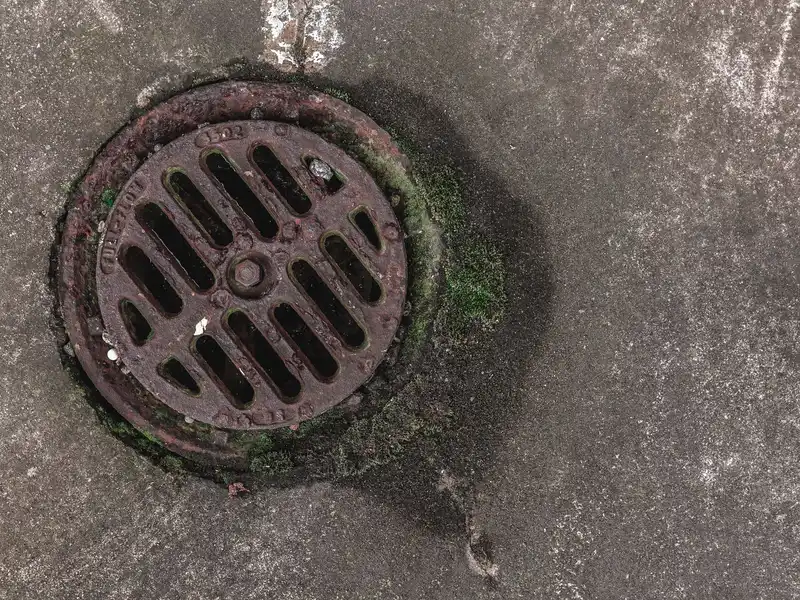
Gullies and the grease trap
Gullies in new construction may be poorly sealed or have gaps around pipes, allowing insects and rodents to enter.
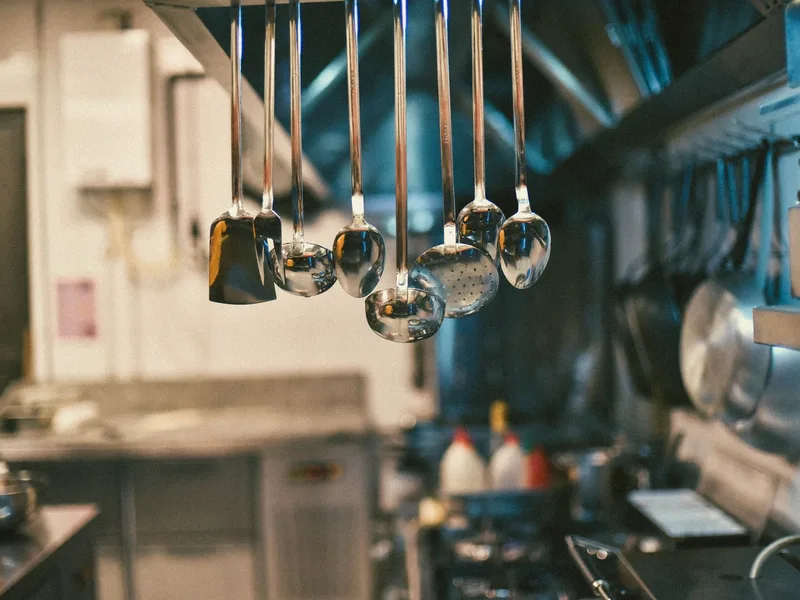
The cooking line and plinths
The cooking line in new district restaurants may sit close to exterior walls or unsealed construction openings.
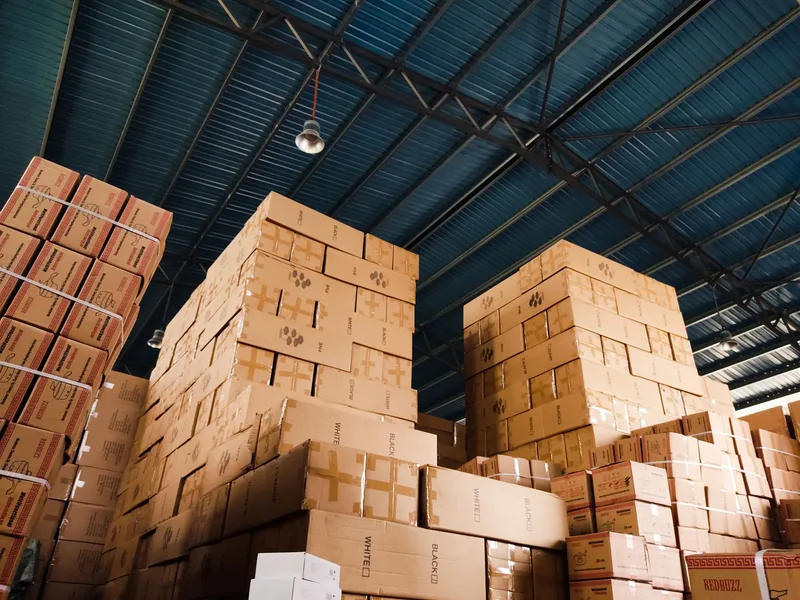
Cardboard at goods inwards
Cardboard at goods inwards can carry moisture from new buildings and residual construction humidity.
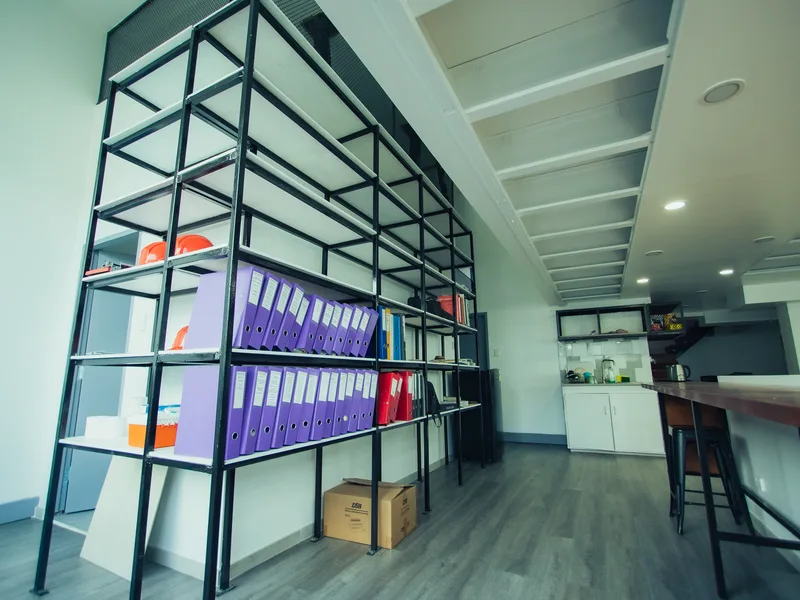
Dry store shelving
Dry store shelving may sit against new exterior walls that retain building moisture.
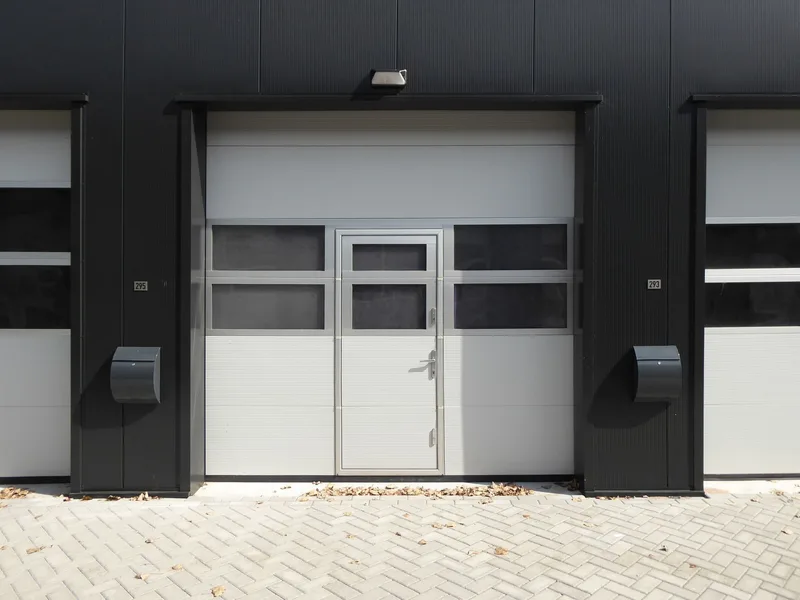
The back service door
The back service door may open onto a building site or newly irrigated garden that provides pest shelter.
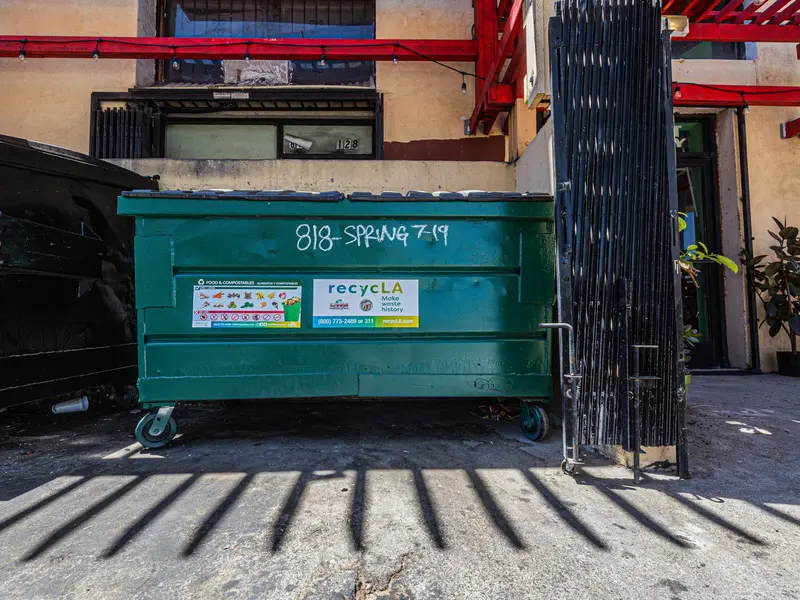
The bin area
The bin area may sit near irrigated landscaping or open construction zones that provide ideal conditions for rodents.
How we work
-
1
Survey and site plan
We follow the food route from delivery to waste, establish which species are present and where the moisture is, and mark the station positions on a plan of the kitchen and the store.
-
2
Install numbered monitoring points
Sealed, numbered stations in fixed positions, read in the same order every visit so the file shows a trend rather than an impression.
-
3
Treatment outside service hours
Gel bait into joints and voids, foam into the gullies and the grease trap, and nothing applied to preparation surfaces, with equipment covered and surfaces wiped down before service resumes.
-
4
Scheduled visits and the site file
Every visit reads the stations and records what was found, the corrective action needed, who owns it and by when, and the file stays on site to be shown at an inspection.
What a restaurant programme includes
-

Opening survey and site plan
Species, entry points and moisture sources, with a plan showing where every station sits.
-

Sealed, numbered stations
Bait held inside closed stations in food areas, never open product near preparation or storage.
-

Gully and grease trap treatment
Foam that contacts the pipe wall where small flies breed, which is the step most contracts skip.
-

Targeted application after closing
Into joints, voids and the store perimeter, at a time with no exposed food and no team in the kitchen.
-

Reopening instructions for the team
What to cover before, what to wipe after, and what not to wash so the treatment is not undone.
-

A visit report and a running log
Every station read, corrective actions with an owner and a date, and a continuous file to show at an inspection.
What is different about Umm Al Salam Sub-Municipality
The Umm Al Salam sub municipality covers the east and south east of Jeddah along the Old Makkah Road and the Haramain Road. It pairs recently planned districts such as Al Wahah, Al Nakhil and Al Shuruq with popular districts that grew outside formal planning, including Al Harazat, Al Mahamid and Umm Al Salam. The older areas have ageing drainage, unpaved streets and vacant plots where building waste collects, conditions that suit rodents, cockroaches and ants. The newer areas are ringed by half built subdivisions and open excavations.
Questions about this district
The restaurant is new and the building is modern. Why do insects appear?
New buildings often leave gaps in foundations, walls and ceilings. Irrigated gardens nearby provide food and water, and insects migrate quickly towards concentrated sources of nourishment.
Are gaps in modern poured ceilings a particular problem here?
Yes, new buildings may contain invisible voids in ceilings and floors that provide safe shelter for insects away from direct treatment.
The district is newly built. Is preventive treatment better than monthly visits?
Yes, regular preventive treatment before problems become visible may seal small gaps and cracks more effectively than treating reactive infestations.
Construction openings in the walls were never sealed. Should we seal them before treatment?
Yes, large openings should be sealed first. Treatment of small gaps continues during the regular programme over time.
Gardens and irrigation are intensive in the district. Does pressure rise in summer?
Yes, heavy irrigation in summer increases moisture and available food for pests, which may require more frequent treatments.
Do modern suspended ceilings provide better shelter for cockroaches?
Yes, suspended ceilings often contain voids between layers that offer safe refuge. The programme targets these areas specifically.
How much does restaurants and cafes in Al Nakhil cost?
It is set after the inspection, because the price follows the type of infestation, the size of the space, how far it has spread and the number of visits it needs. Send a photo and a description on WhatsApp and we will give you an estimate before we reach Al Nakhil.
Other services in Al Nakhil
Other services we provide to residents of Al Nakhil.
-
 Residential
Cockroach control
Residential
Cockroach control
-
 Residential
Bed bug control
Residential
Bed bug control
-
 Residential
Termite control
Residential
Termite control
-
 Residential
Rodents and mice
Residential
Rodents and mice
-
 Residential
Mosquito control
Residential
Mosquito control
-
 Residential
Fly control
Residential
Fly control
-
 Residential
Ant control
Residential
Ant control
-
 Residential
Gecko control
Residential
Gecko control
-
 Residential
Scorpion control
Residential
Scorpion control
-
 Residential
Snake control
Residential
Snake control
-
 Residential
Flea control
Residential
Flea control
-
 Residential
Bird and pigeon control
Residential
Bird and pigeon control
-
 Residential
Preventive treatment
Residential
Preventive treatment
-
 Residential
Disinfection
Residential
Disinfection
-
 Commercial
Annual contracts
Commercial
Annual contracts
-
 Commercial
Hotels and apartments
Commercial
Hotels and apartments
-
 Commercial
Warehouses and factories
Commercial
Warehouses and factories
-
 Commercial
Schools and nurseries
Commercial
Schools and nurseries
-
 Commercial
Retail and malls
Commercial
Retail and malls
-
 Commercial
Rest houses and farms
Commercial
Rest houses and farms
-
 Commercial
Fumigation
Commercial
Fumigation
-
 Water tanks
Water tank cleaning
Water tanks
Water tank cleaning
-
 Water tanks
Water tank sterilization
Water tanks
Water tank sterilization
-
 Water tanks
Water tank sealing
Water tanks
Water tank sealing
-
 Water tanks
Tank leak repair
Water tanks
Tank leak repair
Need restaurants and cafes in Al Nakhil? Tell us what you saw and we will tell you what it needs
We reach Al Nakhil at a time we agree, and you get the full cost before we start.