
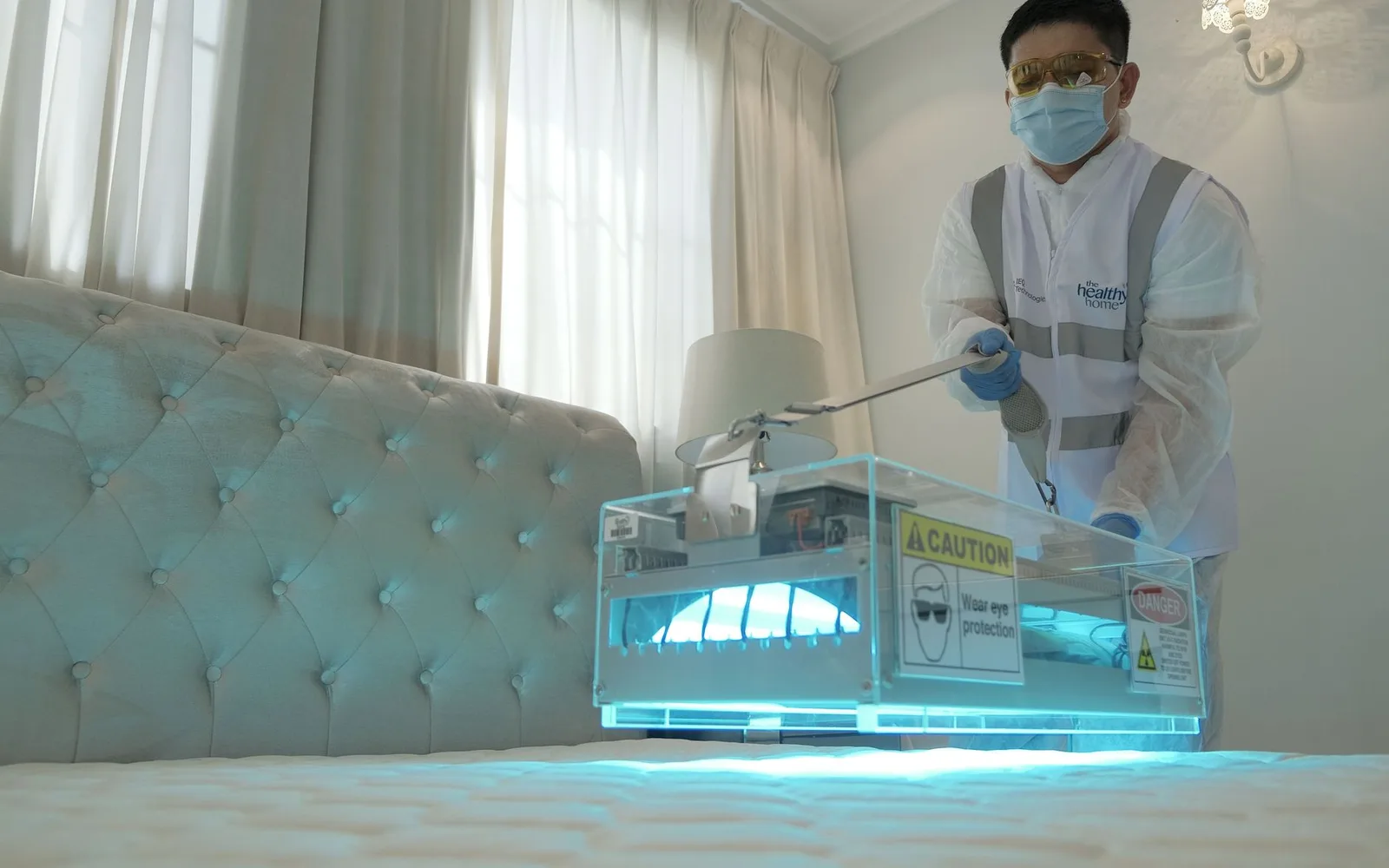
Hotels and apartments in Al Nakhil Jeddah
Al Nakhil is a relatively new residential district in eastern Jeddah between Palestine Road and the King Abdullah branch road, built in recent housing schemes with uniform apartment blocks and villas. Their close spacing and shared services mean infestation moves from unit to unit at speed once it arrives.
-
Targeted, not broadcast
Product goes into cracks and runways, never sprayed across open surfaces.
-
Told before we start
What we will use, where it goes, and what to cover or move before we arrive.
-
A follow-up visit
We return after the first treatment, because what survives it does not show on the day.
-
Homes and businesses
Apartments and villas, and kitchens and stores that need a record of each visit.
Why they keep coming back in Al Nakhil
New apartments with identical layouts means treatment is uniform and results are quick. But if every unit is not treated together, infestation returns immediately from the neighbouring unit that was skipped. The method is set out in full on our Hotels and apartments service.
Modern schemes and shared pipework connecting identical units
Villas and apartments in new schemes share identical design and common service runs. Treating one unit alone fails because insects move from adjacent units through shared ducts and utility shafts. Successful programmes treat multiple adjacent units or the whole scheme block.
Close spacing and rapid transfer between neighbouring units
Villas and apartments sit very close together with narrow gaps between. Insects travel overland and beneath soil. Any gap small enough for an ant is a highways between units. Block treatment is the only method that holds.
Gardens and irrigation in housing schemes attract rodents
Gardens attached to villas and shared green spaces in the scheme provide food and water year round. Rodents arrive from open areas and shelter beneath buildings. The irrigation keeps ground damp and attractive.
The character of Al Nakhil
Mixed district: shops at street level with homes above them
The mixed district means apartments and villas share common underground spaces, corridors and landscaping. Insects move easily between residential areas and any ground floor commercial space. Effective treatment includes inspection of all common voids and shared plant rooms to block movement between units.
What we check in the room, and behind it
Modern housing schemes pack units close together with identical floor plans. Pipes, wires and service runs are shared between adjacent units. Underground parking and common plant rooms connect multiple buildings directly.
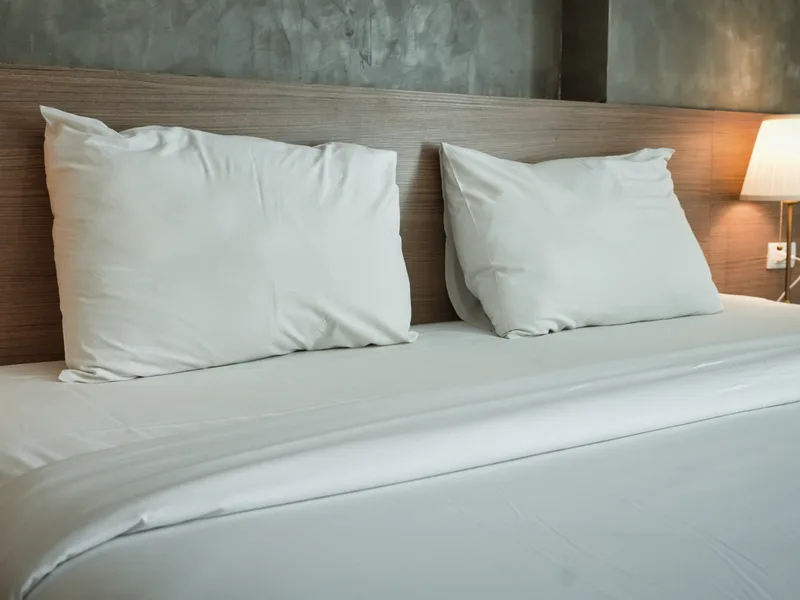
Mattress and base seams
Mattress seams in new apartments are standardised because they come from one furnished supplier. Inspection follows a uniform pattern across all identical units.
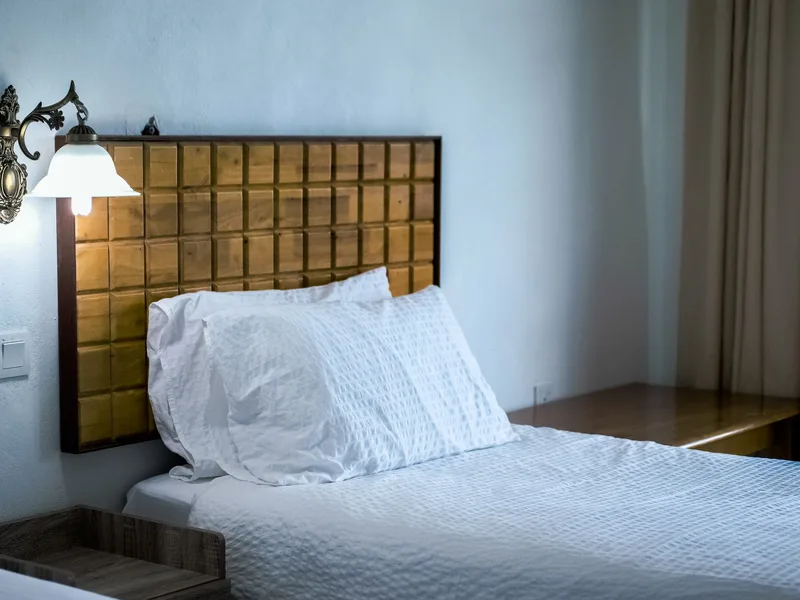
The headboard
The headboard in furnished apartments is modern and standardised. Gaps are fine but hidden because modern design conceals seams. Bed bugs shelter in the void nonetheless.
The rooms either side
Neighbouring rooms in the modern scheme are plumbed to shared ducts. Coordinated treatment across multiple units is essential because insects transfer easily through common runs.
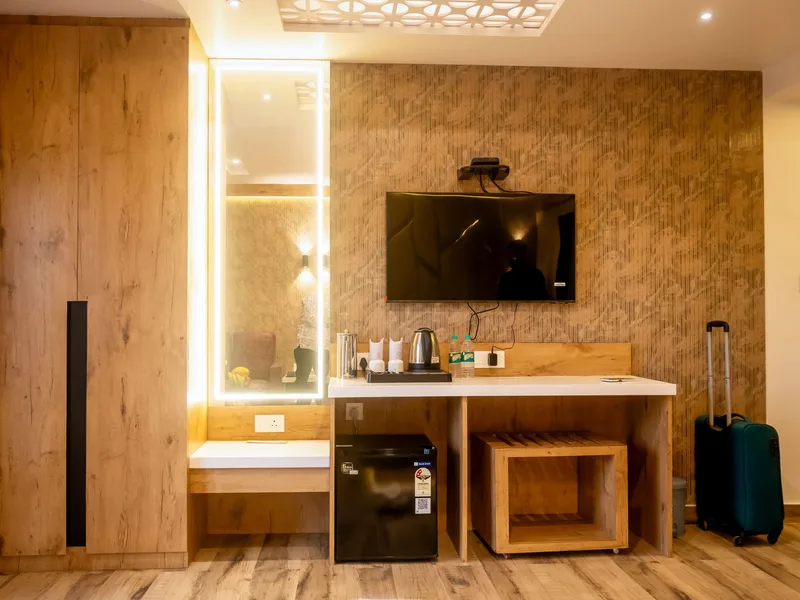
The luggage stand and wardrobe
The luggage stand and wardrobe are identical across units. Treatment is uniform and results are predictable if done together.
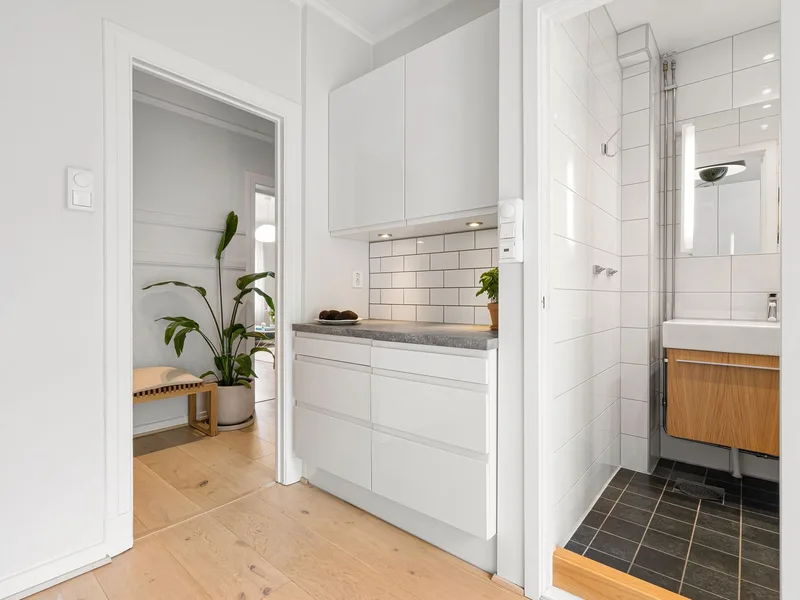
The kitchenette in a unit
The kitchenette in a furnished new apartment is clean but connected to neighbours by shared pipes. Duct treatment and sealing of pipe penetrations is part of the work.

Laundry and the waste room
The laundry and waste area beneath the scheme may be common to multiple units. Treatment includes these shared spaces as part of the programme.
How we work
-
1
Walk the floor, room by room
We start from what the staff reported, open the beds, lift the headboards and check the rooms either side and the ones above and below, then mark each room as affected, adjacent or clear.
-
2
Treatment outside occupied hours
Seams are vacuumed first, then steam or a targeted application goes onto the seams and joints, dust into the frame voids and behind the skirting, and gel bait through the kitchens and service areas. Nothing is broadcast over soft furnishings.
-
3
Sealing, and the operating routine
We close the skirting gap, the pipe penetration and the gap under the service corridor door, then agree with the staff that linen is bagged inside the room itself, and what gets reported the moment it is seen.
-
4
Follow-up, and putting the room back
We come back once the remaining eggs have hatched, read the monitors and open the bed a second time. A room returns to service on the result of that inspection, and the room number and both dates go into the log.
What the hotel and apartment programme includes
-

A recorded room by room inspection
Beds opened, headboards lifted, neighbouring rooms checked, and the state of every room number recorded before anything is applied.
-

Treatment of the beds and seams
Vacuuming, then a targeted application on mattress and base seams, frame joints and behind the skirting, never across the open surfaces of the room.
-

Bait and points in the service areas
Gel bait and numbered monitoring positions through the kitchen, the stores and the service corridors, read and logged on every visit.
-

Drains, laundry and waste
Floor gullies, the grease trap, the laundry and the ground around the containers, because that is the source that renews itself daily.
-

Room release and staff guidance
What is covered and cleared before we go in, the ventilation time we set for each case, and what the staff look for when they strip a bed.
-

A timed follow-up and a room log
A second visit timed to the hatch, monitors read, and a record carrying the room number, the date of each visit and what was found.
What is different about Umm Al Salam Sub-Municipality
The Umm Al Salam sub municipality covers the east and south east of Jeddah along the Old Makkah Road and the Haramain Road. It pairs recently planned districts such as Al Wahah, Al Nakhil and Al Shuruq with popular districts that grew outside formal planning, including Al Harazat, Al Mahamid and Umm Al Salam. The older areas have ageing drainage, unpaved streets and vacant plots where building waste collects, conditions that suit rodents, cockroaches and ants. The newer areas are ringed by half built subdivisions and open excavations.
Questions about this district
If we treat only one unit will infestation return from the neighbour?
Yes, immediately. Modern closely spaced units share pipes and wall voids. A successful programme requires coordinated treatment of multiple adjacent units or the entire block.
Are new housing schemes infested immediately after construction finishes?
Construction itself brings insects. Workers, materials and excavation trenches provide temporary shelter. After handover and the first residents move in, infestations often appear.
How many adjacent units should we treat together in a housing scheme?
If one infestation is known, treat it and its direct neighbours as a minimum. If infestation is widespread, recommend treating the whole residential block.
Do shared basement areas under blocks trap insects and shelter pests?
Yes. Shared plant rooms, parking and service voids beneath modern schemes harbour insects and rodents. Full treatment includes inspection of underground spaces and common areas.
How often do you return to inspect a new housing scheme?
Every 14 days for a full treatment cycle in new schemes. After that, monthly to quarterly depending on results and season.
Does Al Nakhil Park and the promenade nearby bring rodent pressure?
Yes. Large green spaces feed rodents. Villas and apartments immediately adjacent to the park face pest pressure from wildlife using the landscaping as travel routes and food sources.
How much does hotels and apartments in Al Nakhil cost?
It is set after the inspection, because the price follows the type of infestation, the size of the space, how far it has spread and the number of visits it needs. Send a photo and a description on WhatsApp and we will give you an estimate before we reach Al Nakhil.
Other services in Al Nakhil
Other services we provide to residents of Al Nakhil.
-
 Residential
Cockroach control
Residential
Cockroach control
-
 Residential
Bed bug control
Residential
Bed bug control
-
 Residential
Termite control
Residential
Termite control
-
 Residential
Rodents and mice
Residential
Rodents and mice
-
 Residential
Mosquito control
Residential
Mosquito control
-
 Residential
Fly control
Residential
Fly control
-
 Residential
Ant control
Residential
Ant control
-
 Residential
Gecko control
Residential
Gecko control
-
 Residential
Scorpion control
Residential
Scorpion control
-
 Residential
Snake control
Residential
Snake control
-
 Residential
Flea control
Residential
Flea control
-
 Residential
Bird and pigeon control
Residential
Bird and pigeon control
-
 Residential
Preventive treatment
Residential
Preventive treatment
-
 Residential
Disinfection
Residential
Disinfection
-
 Commercial
Annual contracts
Commercial
Annual contracts
-
 Commercial
Restaurants and cafes
Commercial
Restaurants and cafes
-
 Commercial
Warehouses and factories
Commercial
Warehouses and factories
-
 Commercial
Schools and nurseries
Commercial
Schools and nurseries
-
 Commercial
Retail and malls
Commercial
Retail and malls
-
 Commercial
Rest houses and farms
Commercial
Rest houses and farms
-
 Commercial
Fumigation
Commercial
Fumigation
-
 Water tanks
Water tank cleaning
Water tanks
Water tank cleaning
-
 Water tanks
Water tank sterilization
Water tanks
Water tank sterilization
-
 Water tanks
Water tank sealing
Water tanks
Water tank sealing
-
 Water tanks
Tank leak repair
Water tanks
Tank leak repair
Need hotels and apartments in Al Nakhil? Tell us what you saw and we will tell you what it needs
We reach Al Nakhil at a time we agree, and you get the full cost before we start.