
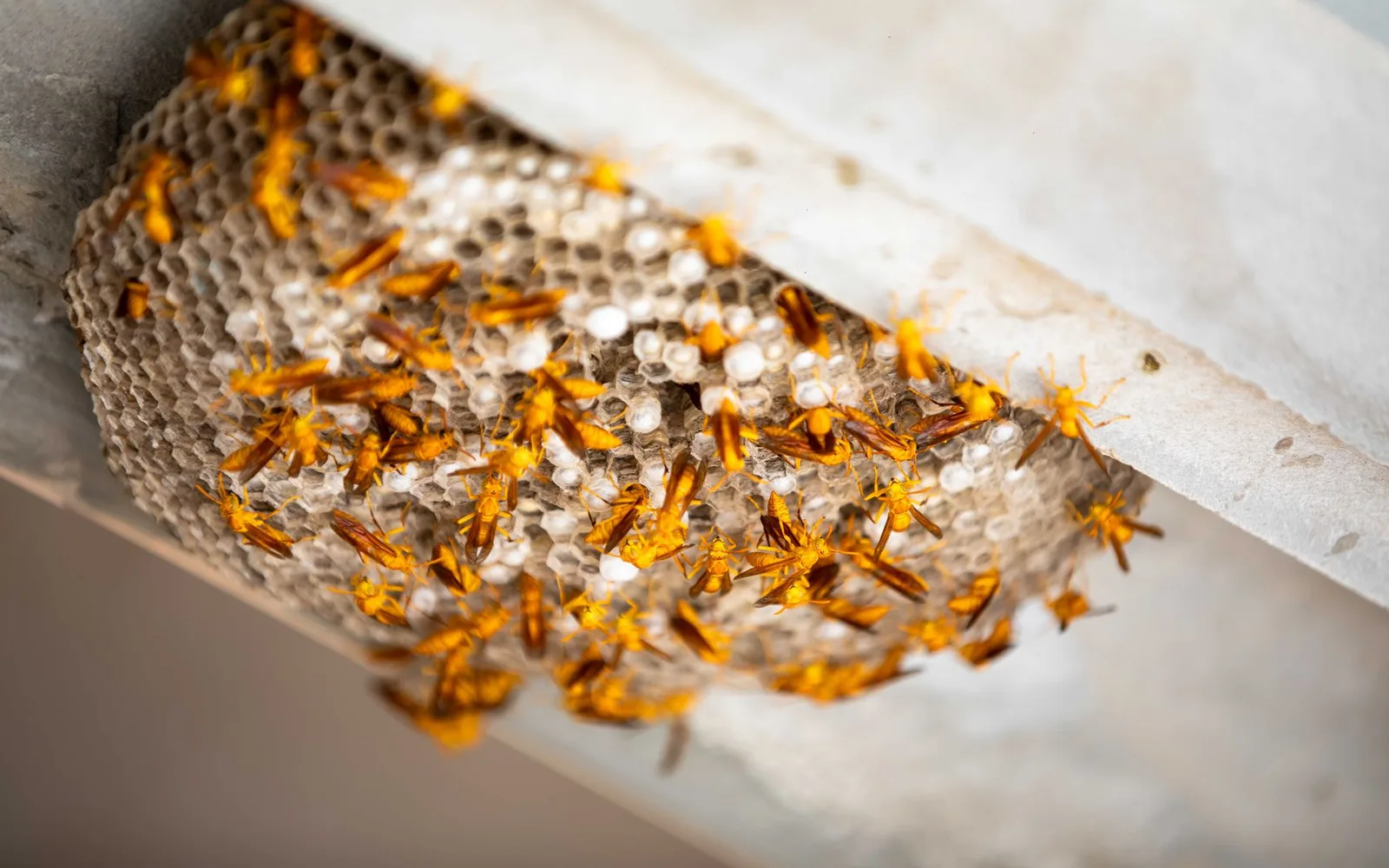
Schools and nurseries in Al Nakhil Jeddah
Al Nakhil is a mixed district in eastern Jeddah between Palestine Road and the King Abdullah branch road, with apartments, villas and recent housing schemes. Commercial premises operate on ground floors, and the district is ringed by half-built projects, open excavations and vacant plots. Rodents, cockroaches and ants find shelter and food in this transitional environment. Schools here face variable pest pressure as construction phases change and building sites evolve.
-
Targeted, not broadcast
Product goes into cracks and runways, never sprayed across open surfaces.
-
Told before we start
What we will use, where it goes, and what to cover or move before we arrive.
-
A follow-up visit
We return after the first treatment, because what survives it does not show on the day.
-
Homes and businesses
Apartments and villas, and kitchens and stores that need a record of each visit.
Why they keep coming back in Al Nakhil
Vacant plots and exposed excavations surrounding Al Nakhil attract rodents and ants seasonally as the nature of construction and ground disturbance changes. The method is set out in full on what Schools and nurseries involves.
New housing projects and open excavation sites
Al Nakhil is surrounded by half-built projects and open excavations. These temporary conditions shelter rodents and cockroaches, and insects migrate easily from building sites into schools and yards. As construction progresses, insect entry routes may change, requiring programme adjustments.
Small cafes and restaurants operating below classrooms
Many schools in Al Nakhil are built above small restaurants and shops. Cockroaches and ants climb from these spaces into classrooms. The shops are often small and lack advanced drainage, creating a steady source of insects that climb into the school above.
Unpaved streets and vacant plots with waste and standing water
Outer sections of Al Nakhil have unpaved streets and vacant plots where building waste collects and water pools after rain. These conditions are ideal for rodents, cockroaches, ants and flies. Schools near these edges face increased pest pressure, particularly after heavy rain.
The character of Al Nakhil
Mixed district: shops at street level with homes above them
A mixed district in Al Nakhil means the school is surrounded by both commercial premises below and unstable adjacent land with construction sites simultaneously. Pest pressure does not come solely from internal commercial contact but from the unorganised external environment.
What sets the shape of a school programme
A relatively new mixed district in eastern Jeddah combining modern housing schemes with ground-floor commercial units, surrounded by active construction sites and open excavations.
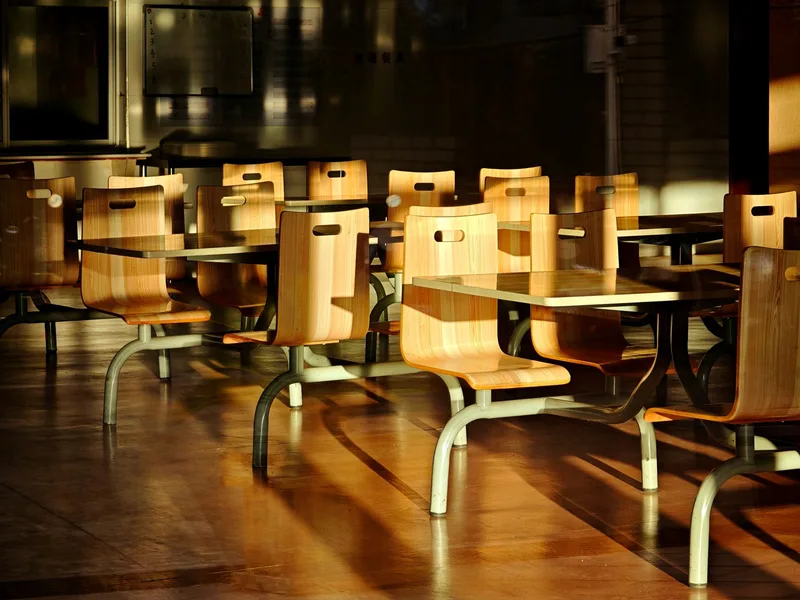
The canteen and the food store
The canteen is at ground level, sometimes with a small restaurant below, the gap between floors varies by project, and cockroaches and ants climb upward at every opportunity.
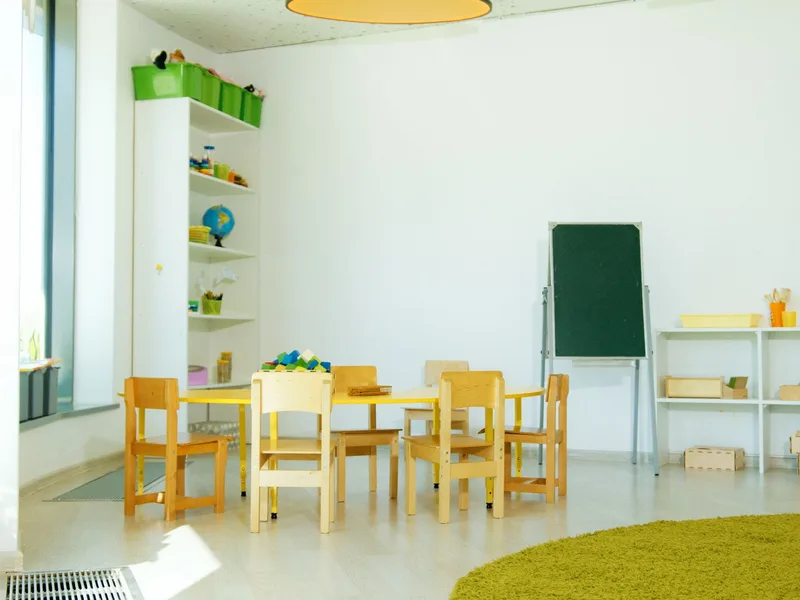
Floor level in a nursery
The nursery floor is at ground level or a second floor, openings below doors and windows face an exposed yard, and insects from vacant plots and excavations enter easily.
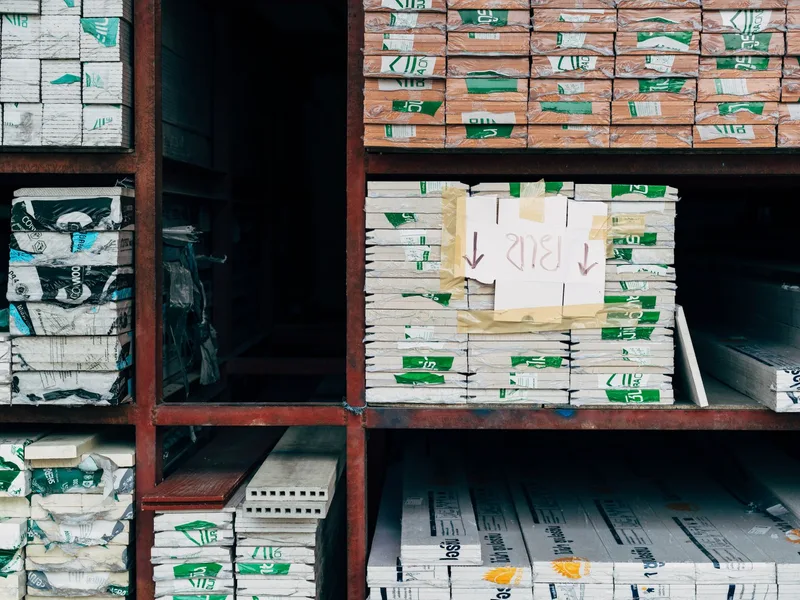
The paper and cardboard store
The paper and cardboard store sits next to the canteen, may be above, but moisture from shared pipes can reach it, creating an attractive space for termites.
Standing water in the yard
The yard is typically exposed and relatively dry, but becomes wet after rain, and insects and rodents from vacant plots come to drink and forage.

The gap under the service door
The service door may be on the edge of the district where vacant plots and unpaved streets are, and insects enter through there readily.
The wall line, irrigation and planting
The boundary wall may be low, with vacant land and excavations beyond it, sparse or absent planting around the wall, but rodents penetrate it with ease.
How we work
-
1
Survey the building and zone it
We walk from the service gate through the canteen, the stores, the classrooms, the washrooms and the yard, record the entry routes, the moisture and the species pressure, and grade every area by who occupies it and for how long.
-
2
Schedule it against the calendar
Work that needs an empty building, closing entry points, treating the drains and the perimeter, goes into the long breaks. Station reads and spot treatment happen after the students leave or at the weekend. We agree in advance who opens the building and which rooms are cleared and covered.
-
3
Targeted treatment, out of reach
Gel bait inside joints and cracks, dust into the dry voids, enclosed stations fixed where a child cannot reach them, and targeted spray on junctions and service areas, never on open surfaces or play flooring.
-
4
Follow up and record it
We come back on the date the life cycle sets, such as a visit timed to a cockroach hatch, re-read the points, treat whatever is still active, and hand over a report with the dates, the positions and what the building itself needs closed.
What a school and nursery programme includes
-

Building survey and zone plan
A walk that fixes the entry routes, the food areas and the child areas, and a plan with the monitoring positions numbered before anything is installed.
-

Enclosed bait and stations
Stations fixed in positions a child cannot get to, and gel bait inside joints and cracks rather than on any surface.
-

Treatment outside teaching hours
After the students leave, at the weekend or in a break, on junctions and service areas, with the surfaces wiped down before anyone comes back.
-

Drains, waste and standing water
Kitchen and washroom gullies, the ground around the containers, the yard drains and the air conditioning trays, on every visit.
-

Room preparation and aftercare
Which rooms are cleared and which surfaces are covered before we arrive, what is wiped down before the students come back, and the ventilation time we set for each case on the call.
-

Scheduled visits and a report each time
Dates agreed across the term, and a report carrying the dates, the positions, the findings and the state of every corrective action.
What is different about Umm Al Salam Sub-Municipality
The Umm Al Salam sub municipality covers the east and south east of Jeddah along the Old Makkah Road and the Haramain Road. It pairs recently planned districts such as Al Wahah, Al Nakhil and Al Shuruq with popular districts that grew outside formal planning, including Al Harazat, Al Mahamid and Umm Al Salam. The older areas have ageing drainage, unpaved streets and vacant plots where building waste collects, conditions that suit rodents, cockroaches and ants. The newer areas are ringed by half built subdivisions and open excavations.
Questions about this district
The district is surrounded by many construction sites. Do rodents come from those sites into the school?
Yes, building sites are a steady source of rodents. We focus on isolating the school perimeter and sealing all gaps and openings that might allow rodents to enter from adjacent construction sites.
The school is above a small restaurant and cockroaches started appearing in the canteen. How do we stop them?
We treat the contact points between school and restaurant: gaps, pipes and holes in the floor between levels. We focus on the canteen and storage area with regular targeted applications.
There are vacant plots and excavations next to the school. Do they attract insects to the yard?
Yes, vacant land and standing water and bare soil attract insects. We focus on the yard and perimeter wall, increasing treatment after the rainy season when water collects.
The street behind the school is unpaved with standing water. Does this affect the insect population near the school?
Yes, standing water attracts mosquitoes, flies and other insects. We focus on the yard and school perimeter, isolating it from the unpaved street.
The district is new and housing projects are expanding. Do insects decrease as construction finishes?
Possibly, but as construction completes, shops and vendors arrive, bringing their own insect problems. We recommend maintaining a continuous programme through and beyond the construction phases.
Ants appear more in the yard than cockroaches. Why is that and what is the remedy?
Ants favour dry soil and open space, and the Al Nakhil yard is typically exposed. We treat the yard and surrounding soil, and recommend strict food and waste hygiene in outdoor areas.
How much does schools and nurseries in Al Nakhil cost?
It is set after the inspection, because the price follows the type of infestation, the size of the space, how far it has spread and the number of visits it needs. Send a photo and a description on WhatsApp and we will give you an estimate before we reach Al Nakhil.
Other services in Al Nakhil
Other services we provide to residents of Al Nakhil.
-
 Residential
Cockroach control
Residential
Cockroach control
-
 Residential
Bed bug control
Residential
Bed bug control
-
 Residential
Termite control
Residential
Termite control
-
 Residential
Rodents and mice
Residential
Rodents and mice
-
 Residential
Mosquito control
Residential
Mosquito control
-
 Residential
Fly control
Residential
Fly control
-
 Residential
Ant control
Residential
Ant control
-
 Residential
Gecko control
Residential
Gecko control
-
 Residential
Scorpion control
Residential
Scorpion control
-
 Residential
Snake control
Residential
Snake control
-
 Residential
Flea control
Residential
Flea control
-
 Residential
Bird and pigeon control
Residential
Bird and pigeon control
-
 Residential
Preventive treatment
Residential
Preventive treatment
-
 Residential
Disinfection
Residential
Disinfection
-
 Commercial
Annual contracts
Commercial
Annual contracts
-
 Commercial
Restaurants and cafes
Commercial
Restaurants and cafes
-
 Commercial
Hotels and apartments
Commercial
Hotels and apartments
-
 Commercial
Warehouses and factories
Commercial
Warehouses and factories
-
 Commercial
Retail and malls
Commercial
Retail and malls
-
 Commercial
Rest houses and farms
Commercial
Rest houses and farms
-
 Commercial
Fumigation
Commercial
Fumigation
-
 Water tanks
Water tank cleaning
Water tanks
Water tank cleaning
-
 Water tanks
Water tank sterilization
Water tanks
Water tank sterilization
-
 Water tanks
Water tank sealing
Water tanks
Water tank sealing
-
 Water tanks
Tank leak repair
Water tanks
Tank leak repair
Need schools and nurseries in Al Nakhil? Tell us what you saw and we will tell you what it needs
We reach Al Nakhil at a time we agree, and you get the full cost before we start.