
Schools and nurseries in Al Rawdah Makkah
Al Rawdah clusters hotels and seasonal pilgrim housing east of the Grand Mosque between King Fahd Road and the Al Faisaliyah Tunnel. Old family houses are rapidly replaced by tall seasonal residential blocks. Schools and nurseries here face intense seasonal pest pressure as insects migrate from hotels and housing blocks when occupancy changes sharply.
-
Targeted, not broadcast
Product goes into cracks and runways, never sprayed across open surfaces.
-
Told before we start
What we will use, where it goes, and what to cover or move before we arrive.
-
A follow-up visit
We return after the first treatment, because what survives it does not show on the day.
-
Homes and businesses
Apartments and villas, and kitchens and stores that need a record of each visit.
Why they keep coming back in Al Rawdah
Hotels and seasonal housing vary widely in sanitary standards and pest management. Some budget hotels do not treat insects regularly, leaving entire cockroach colonies established in rooms that empty abruptly and flood adjacent buildings. The method is set out in full on how we approach Schools and nurseries.
Extreme seasonality and sudden housing shutdowns
Hotels and housing here fill with pilgrims in Hajj and Umrah seasons, then empty rapidly. Short stay lengths, swift cleaning and lack of routine pest treatment leave entire colonies in hotel rooms. When hotels empty or residents leave, insects migrate to neighbouring buildings and schools in waves.
Temporary housing and inconsistent sanitary standards
Seasonal housing is not built around long-term cleanliness. Residents stay days only and leave food scraps and waste. Cleaning standards vary between hotel and hotel. A school near a budget hotel or basic housing faces repeated waves of insects each time turnover occurs.
Rapid redevelopment, fast construction and incomplete utilities
Old houses are demolished and tall blocks built quickly for seasonal occupation. Water and sewer networks may be incomplete or not fully integrated. Fast building leaves weak points where insects and water seep in. Schools in newly built blocks may face repeated problems from rushed construction.
Al Rawdah on the map
Al Rawdah sits about 1 km from Al Maabdah and about 1.5 km from Al Jumayzah.
Open in Google MapsWhat sets the shape of a school programme
The area lies behind Jabal Abu Qubais, between Al Adl to the north and Al Maabdah to the west, very close to both the Grand Mosque and the holy sites. This proximity means population pressure is extreme in season and drops sharply between seasons.
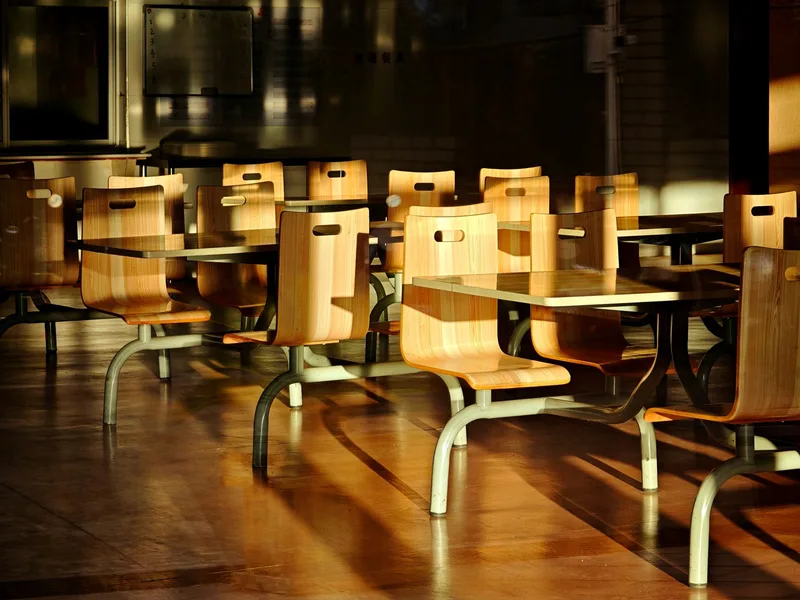
The canteen and the food store
The canteen and food store may sit on a floor that shares an entrance with a hotel below or nearby, increasing insect traffic and moisture from the shared lobby and lift shaft.
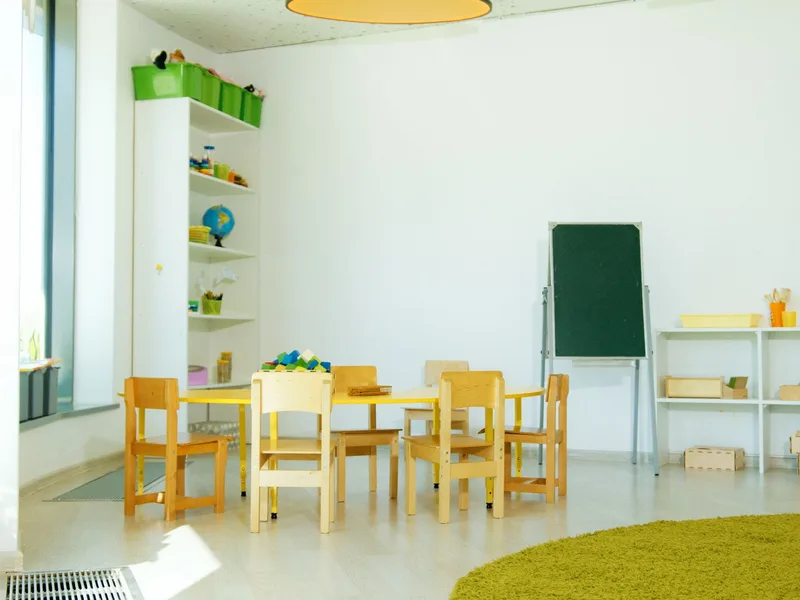
Floor level in a nursery
Nursery floors rest on a base slab from rushed construction, where gaps and cracks in new concrete provide shelter and access for insects climbing from below.
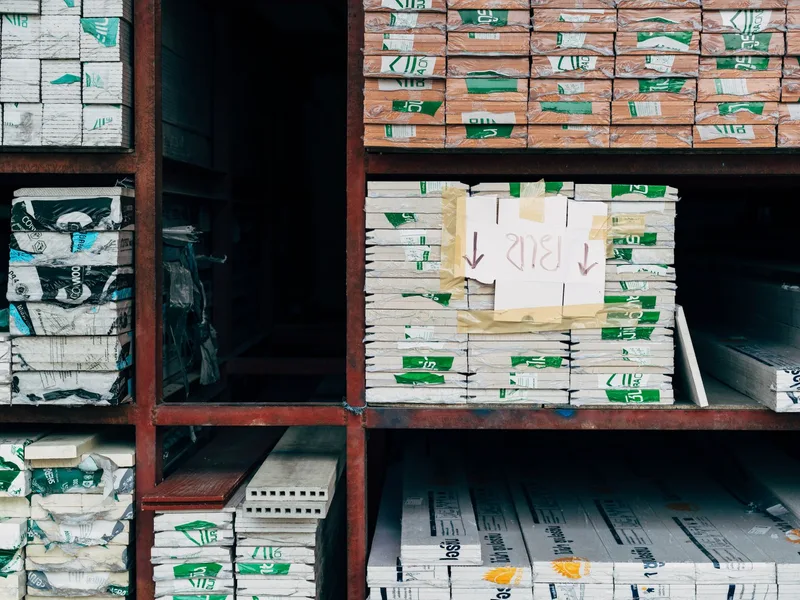
The paper and cardboard store
Paper and cardboard storage may be near hotel drainage or share a damp slab from the new build, where moisture accumulates and attracts insects feeding on decomposing paper.
Standing water in the yard
The yard may be confined and close to Jabal Abu Qubais, which can draw seasonal moisture and create water pooling after rain when drainage from rapid construction is incomplete.

The gap under the service door
The service door may be shared with a hotel entrance below or close to a drain outlet, allowing insects and rodents easy passage between the hotel and the school.
The wall line, irrigation and planting
The compound wall and any irrigation may be fed by hotel landscape watering or neighbourhood mains that keep the soil damp along the wall base, sheltering insects in cracks and root zones.
How we work
-
1
Survey the building and zone it
We walk from the service gate through the canteen, the stores, the classrooms, the washrooms and the yard, record the entry routes, the moisture and the species pressure, and grade every area by who occupies it and for how long.
-
2
Schedule it against the calendar
Work that needs an empty building, closing entry points, treating the drains and the perimeter, goes into the long breaks. Station reads and spot treatment happen after the students leave or at the weekend. We agree in advance who opens the building and which rooms are cleared and covered.
-
3
Targeted treatment, out of reach
Gel bait inside joints and cracks, dust into the dry voids, enclosed stations fixed where a child cannot reach them, and targeted spray on junctions and service areas, never on open surfaces or play flooring.
-
4
Follow up and record it
We come back on the date the life cycle sets, such as a visit timed to a cockroach hatch, re-read the points, treat whatever is still active, and hand over a report with the dates, the positions and what the building itself needs closed.
What a school and nursery programme includes
-

Building survey and zone plan
A walk that fixes the entry routes, the food areas and the child areas, and a plan with the monitoring positions numbered before anything is installed.
-

Enclosed bait and stations
Stations fixed in positions a child cannot get to, and gel bait inside joints and cracks rather than on any surface.
-

Treatment outside teaching hours
After the students leave, at the weekend or in a break, on junctions and service areas, with the surfaces wiped down before anyone comes back.
-

Drains, waste and standing water
Kitchen and washroom gullies, the ground around the containers, the yard drains and the air conditioning trays, on every visit.
-

Room preparation and aftercare
Which rooms are cleared and which surfaces are covered before we arrive, what is wiped down before the students come back, and the ventilation time we set for each case on the call.
-

Scheduled visits and a report each time
Dates agreed across the term, and a report carrying the dates, the positions, the findings and the state of every corrective action.
What is different about Al Maabdah Sub-Municipality
Al Maabdah sub municipality climbs from Al Abtah and Al Jumayzah beside the Al Mualla cemetery up through Al Khansa and Rai Adhakhir to Al Adl, Jabal Al Nour, Wadi Jaleel and Qurtubah on the outer ring roads. It mixes hotels and pilgrim housing near the Grand Mosque with old popular houses on hillside passes, new housing schemes on valley floors that carry flash floods after rain, and industrial plots, workshops and warehouses along Al Hajj Street in Qurtubah. Street widening and expropriation leave partly demolished frontages in Al Khansa.
Questions about this district
The hotel next to the school is full in Hajj season and empty after. What do we do?
We increase treatment before and after Hajj season. Before season: we seal gaps between the school and the hotel. After season: we increase frequency because insects migrate from the emptying hotel into occupied neighbouring buildings.
Temporary housing lacks clear sanitary standards. How do we manage that?
We cannot control standards in neighbouring housing. We focus on isolating the school by sealing gaps and ensuring good drainage. If the problem persists, we advise the school to report substandard housing to the health authorities.
The school is in a building completed just a year ago, yet has many insects. Why?
Fast construction may leave gaps, incomplete pipework and poor drainage design. Moisture from new concrete and construction cracks create ideal conditions for insects. We inspect the entire building for obvious construction defects.
Do we need special treatment for the hotels and the pilgrims inside them?
We treat the school and nursery only. However, if hotels share structure with the school, we advise that seasonal pest treatment in the hotel would help protect the school from immigrant insects when occupancy changes.
Jabal Abu Qubais is nearby. Are snakes and scorpions a major problem?
Snakes and scorpions are rare inside school buildings in this area. Focus on household insects is more practical. However, if the yard is open toward the mountain, we may observe seasonal mountain insects occasionally.
The school sits between two hotel towers. How do we isolate it?
We seal every gap between the school walls and the neighbouring hotels. We focus on the entrance, yard and base slab. Complete isolation is impossible, but reducing possible entry points significantly reduces insect pressure.
How much does schools and nurseries in Al Rawdah cost?
It is set after the inspection, because the price follows the type of infestation, the size of the space, how far it has spread and the number of visits it needs. Send a photo and a description on WhatsApp and we will give you an estimate before we reach Al Rawdah.
Nearby districts we cover
Other services in Al Rawdah
Other services we provide to residents of Al Rawdah.
-
 Residential
Cockroach control
Residential
Cockroach control
-
 Residential
Bed bug control
Residential
Bed bug control
-
 Residential
Termite control
Residential
Termite control
-
 Residential
Rodents and mice
Residential
Rodents and mice
-
 Residential
Mosquito control
Residential
Mosquito control
-
 Residential
Fly control
Residential
Fly control
-
 Residential
Ant control
Residential
Ant control
-
 Residential
Gecko control
Residential
Gecko control
-
 Residential
Scorpion control
Residential
Scorpion control
-
 Residential
Snake control
Residential
Snake control
-
 Residential
Flea control
Residential
Flea control
-
 Residential
Bird and pigeon control
Residential
Bird and pigeon control
-
 Residential
Preventive treatment
Residential
Preventive treatment
-
 Residential
Disinfection
Residential
Disinfection
-
 Commercial
Annual contracts
Commercial
Annual contracts
-
 Commercial
Restaurants and cafes
Commercial
Restaurants and cafes
-
 Commercial
Hotels and apartments
Commercial
Hotels and apartments
-
 Commercial
Warehouses and factories
Commercial
Warehouses and factories
-
 Commercial
Retail and malls
Commercial
Retail and malls
-
 Commercial
Rest houses and farms
Commercial
Rest houses and farms
-
 Commercial
Fumigation
Commercial
Fumigation
-
 Water tanks
Water tank cleaning
Water tanks
Water tank cleaning
-
 Water tanks
Water tank sterilization
Water tanks
Water tank sterilization
-
 Water tanks
Water tank sealing
Water tanks
Water tank sealing
-
 Water tanks
Tank leak repair
Water tanks
Tank leak repair
Need schools and nurseries in Al Rawdah? Tell us what you saw and we will tell you what it needs
We reach Al Rawdah at a time we agree, and you get the full cost before we start.