
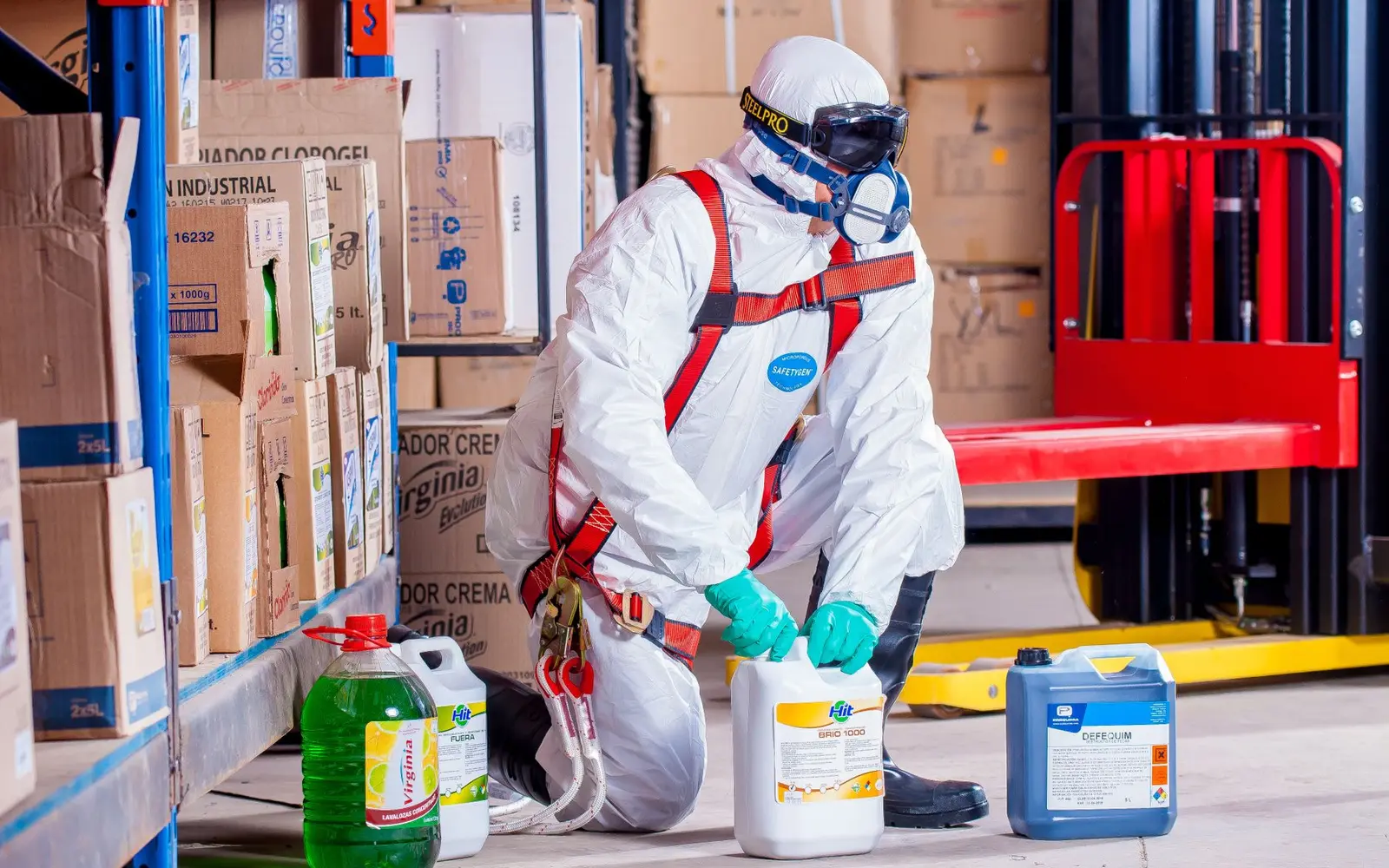
Warehouses and factories in Al Rawdah Makkah
Al Rawdah clusters hotels and pilgrim residences between King Fahd Road and the Al Faisaliyah tunnel, minutes from the Grand Mosque and holy sites. Older family homes are giving way to tall seasonal housing blocks. Storage basements fill with moisture and seasonal goods stack high. Pilgrims move constantly with luggage. We read activity daily and track pests as they travel between floors and towers.
-
Targeted, not broadcast
Product goes into cracks and runways, never sprayed across open surfaces.
-
Told before we start
What we will use, where it goes, and what to cover or move before we arrive.
-
A follow-up visit
We return after the first treatment, because what survives it does not show on the day.
-
Homes and businesses
Apartments and villas, and kitchens and stores that need a record of each visit.
Why they keep coming back in Al Rawdah
Hotels and seasonal housing in Al Rawdah receive huge numbers of pilgrims and workers in set periods, and pest pressure rises very quickly when the buildings fill. The method is set out in full on the full Warehouses and factories page.
Tall hotels and residential towers with dense seasonal occupancy
Al Rawdah holds high hotel towers and seasonal housing blocks that hold hundreds of pilgrims. Basements collect goods, bedding and luggage in large volumes. Cockroaches and rodents rise easily through floor voids and shared pipes between units.
Fast construction and newly sealed foundations with small gaps
New buildings in Al Rawdah were built quickly to meet seasonal demand. Foundations and pipes may have small gaps from the speed of construction, and rats can enter from the soil around Jabal Abu Qubais if those gaps are not sealed tight.
Constant daily movement of hundreds of pilgrims and workers
Pilgrims and workers move daily between hotels and holy sites carrying luggage and belongings. Insects travel in baggage between rooms and across different hotels, and the speed of turnover makes standard treatment cycles ineffective.
Al Rawdah on the map
Al Rawdah sits about 1 km from Al Maabdah and about 1.5 km from Al Jumayzah.
Open in Google MapsWhat the first walk through the building reads
Jabal Abu Qubais stands behind the district and feeds ground moisture; old drainage is slow and new buildings rise fast with foundations that may not be fully sealed against ground entry.
The shutter line
Hotel and tower doors open straight onto King Fahd Road and Al Masjid Road, and pilgrims and workers enter constantly; luggage and goods are moved daily and may carry pests.
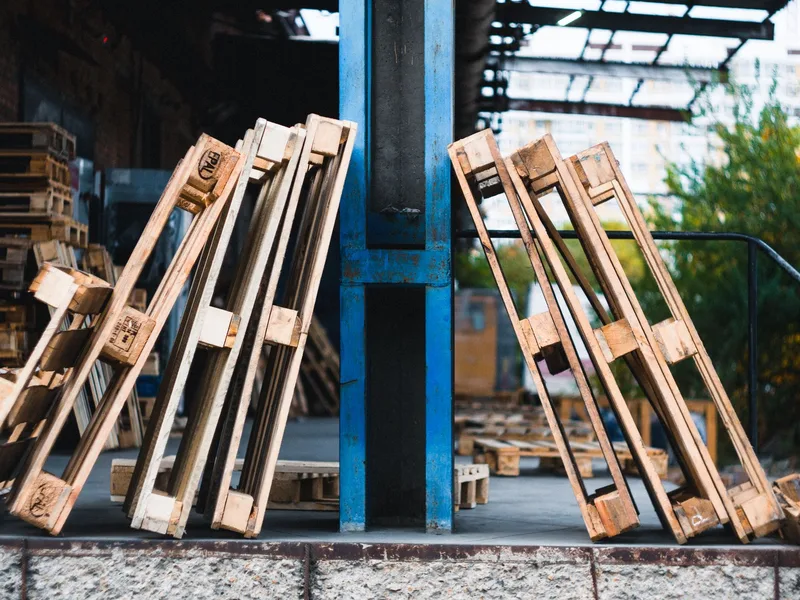
What comes in on the pallet
Goods, bedding and luggage arrive at basements beneath the towers daily and stack high on metal racks. Each new shipment might already be infested on arrival.
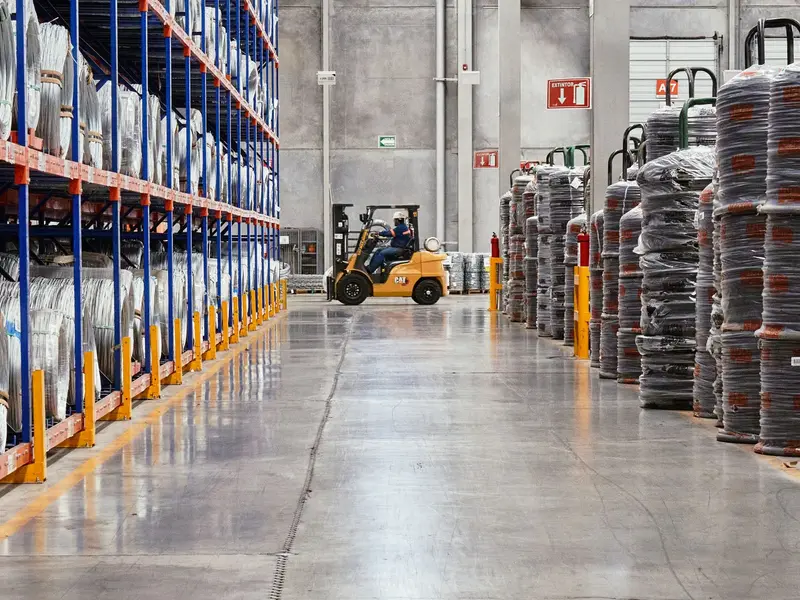
The strip along the wall
Shelves are tall and gaps between furniture and racks are tight; traps go on the floor and in the corners of each storage area; we clear dust and debris from the tight gaps between stored items.
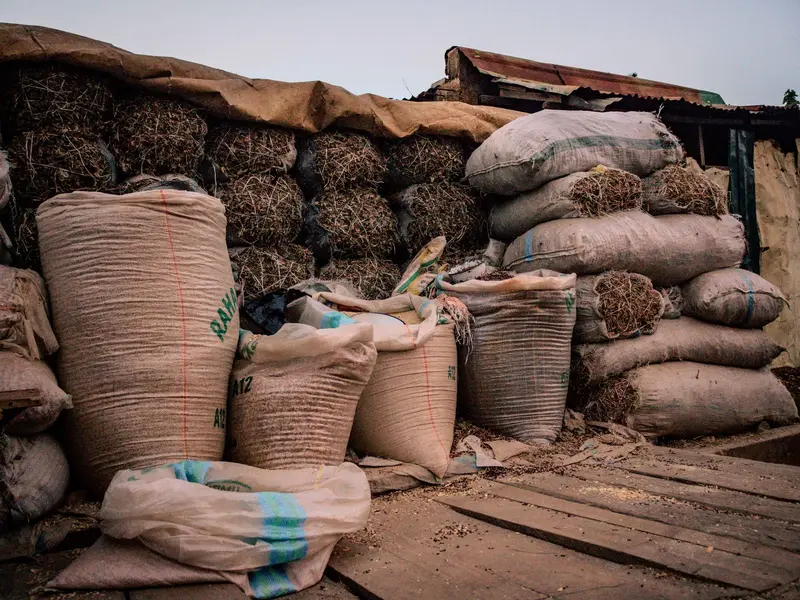
Spillage under the racking
Basement floors are metal or concrete, but moisture gathers in corners and gaps. We dry standing water and trace leaks from pipes above that drip moisture into storage zones.
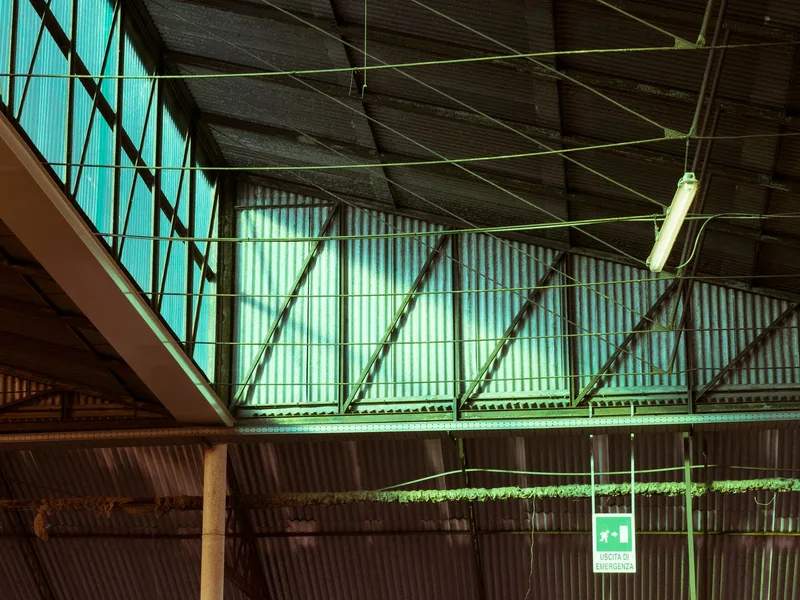
The roof and the openings above
Ceilings and upper openings in basements may be incomplete or cracked; rats may nest between suspended ceilings and the soffit. We inspect every roof vent and gap after each season ends.
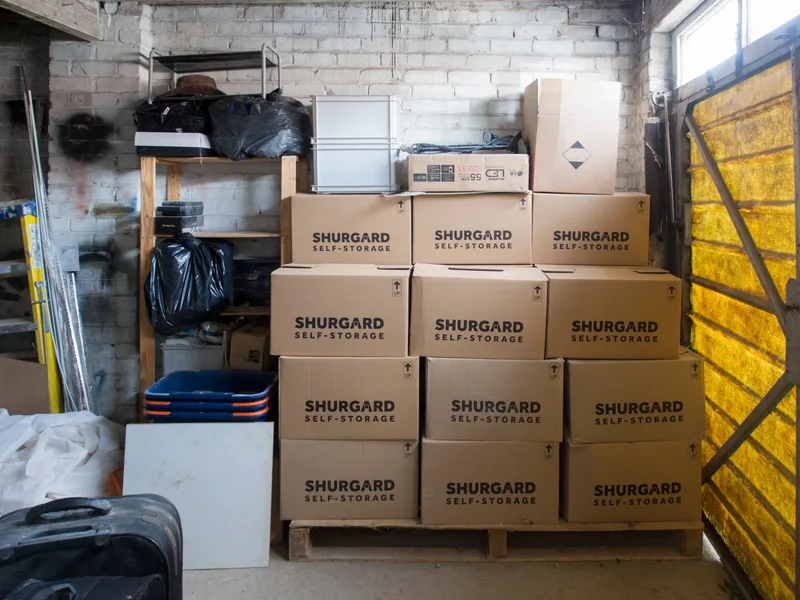
Stock that does not move
Furniture and bedding is stored seasonally and may sit for weeks without being moved. We advise regular stock rotation and inspection of each item before it is put into guest use.
How we work
-
1
Survey the building and locate the source
We walk from the goods-in door through the racking, the production areas and the outside wall line, and establish whether the pressure is stored product pests inside the goods, rodents from the perimeter or flying insects from waste and doorways, because each of those is a different programme.
-
2
Pheromone traps and numbered points
Species-specific pheromone traps through the storage areas, and monitoring points on the external ring and along the internal walls, numbered on the racking plan. A trap treats nothing, it tells us which aisle the numbers are climbing in.
-
3
Targeted treatment and isolating the consignment
Spillage is lifted first, then empty racking, wall and floor junctions and voids are treated, and nothing is placed over open stock or a running line. A consignment showing activity is isolated where it stands rather than carried through the building.
-
4
Sealing, then the scheduled visits
We close door gaps, openings and pipe entries, then come back on an agreed schedule: the same traps and points are read each time, and a report goes over what was found, what was treated and what the building still needs closed.
What warehouse pest control includes
-

Site survey and racking plan
A walk from the goods-in door to the last aisle, and a plan with every monitoring position numbered before anything is installed.
-

Pheromone traps and numbered points
Species-specific traps through the storage areas and points along the perimeter line, read and logged on every visit.
-

Targeted treatment of racking and junctions
On empty racking, wall and floor junctions and voids, never over open stock or a running line.
-

Drains, waste and the perimeter
Floor gullies, the container area and the outside wall line, because that is the source which renews itself.
-

Proofing and building findings
Shutter gaps, brush seals and mesh over openings, with a list of what the site needs to repair.
-

Scheduled visits and a report each time
Agreed dates set by the pressure on the site, the same traps read again, and a report that records every visit.
What is different about Al Maabdah Sub-Municipality
Al Maabdah sub municipality climbs from Al Abtah and Al Jumayzah beside the Al Mualla cemetery up through Al Khansa and Rai Adhakhir to Al Adl, Jabal Al Nour, Wadi Jaleel and Qurtubah on the outer ring roads. It mixes hotels and pilgrim housing near the Grand Mosque with old popular houses on hillside passes, new housing schemes on valley floors that carry flash floods after rain, and industrial plots, workshops and warehouses along Al Hajj Street in Qurtubah. Street widening and expropriation leave partly demolished frontages in Al Khansa.
Questions about this district
A hotel receives hundreds of pilgrims in a single day. How do we control pests?
We focus on daily trap reading in basements and service corridors. We do not treat guest rooms; we focus on back-of-house areas and storage to stop the population before it spreads up the tower.
Pilgrim luggage may carry pests from home. Do we inspect it?
We do not inspect bags directly, but we focus on treating basements and corridors that luggage passes through. We advise the hotel on basement cleanliness and ventilation to limit any transfer.
Old family houses in Al Rawdah are being demolished. Does demolition release pests from soil?
Yes. Excavation and new construction may disturb rat colonies or pest populations in the ground. We focus on checking new foundations and the gaps around new pipe runs carefully.
The Al Faisaliyah tunnel sits beneath Al Rawdah. Does it affect humidity and pests?
The tunnel may introduce moisture, but the main pressure comes from the hotels and pilgrim movement. We focus on regular trap reading and reducing moisture wherever it collects.
Basements under the towers store bedding and furniture. Do we inspect those?
Yes. We inspect each basement carefully and focus on dark zones and the gaps between stored items. We clear debris and spills and read traps weekly during storage periods.
Al Rawdah sits beside Jabal Abu Qubais. Is the mountain a pest source?
Jabal Abu Qubais may harbour rats and crawling insects. We focus on checking foundations and gaps carefully and advise sealing cracks near the base of the mountain.
How much does warehouses and factories in Al Rawdah cost?
It is set after the inspection, because the price follows the type of infestation, the size of the space, how far it has spread and the number of visits it needs. Send a photo and a description on WhatsApp and we will give you an estimate before we reach Al Rawdah.
Nearby districts we cover
Other services in Al Rawdah
Other services we provide to residents of Al Rawdah.
-
 Residential
Cockroach control
Residential
Cockroach control
-
 Residential
Bed bug control
Residential
Bed bug control
-
 Residential
Termite control
Residential
Termite control
-
 Residential
Rodents and mice
Residential
Rodents and mice
-
 Residential
Mosquito control
Residential
Mosquito control
-
 Residential
Fly control
Residential
Fly control
-
 Residential
Ant control
Residential
Ant control
-
 Residential
Gecko control
Residential
Gecko control
-
 Residential
Scorpion control
Residential
Scorpion control
-
 Residential
Snake control
Residential
Snake control
-
 Residential
Flea control
Residential
Flea control
-
 Residential
Bird and pigeon control
Residential
Bird and pigeon control
-
 Residential
Preventive treatment
Residential
Preventive treatment
-
 Residential
Disinfection
Residential
Disinfection
-
 Commercial
Annual contracts
Commercial
Annual contracts
-
 Commercial
Restaurants and cafes
Commercial
Restaurants and cafes
-
 Commercial
Hotels and apartments
Commercial
Hotels and apartments
-
 Commercial
Schools and nurseries
Commercial
Schools and nurseries
-
 Commercial
Retail and malls
Commercial
Retail and malls
-
 Commercial
Rest houses and farms
Commercial
Rest houses and farms
-
 Commercial
Fumigation
Commercial
Fumigation
-
 Water tanks
Water tank cleaning
Water tanks
Water tank cleaning
-
 Water tanks
Water tank sterilization
Water tanks
Water tank sterilization
-
 Water tanks
Water tank sealing
Water tanks
Water tank sealing
-
 Water tanks
Tank leak repair
Water tanks
Tank leak repair
Need warehouses and factories in Al Rawdah? Tell us what you saw and we will tell you what it needs
We reach Al Rawdah at a time we agree, and you get the full cost before we start.