
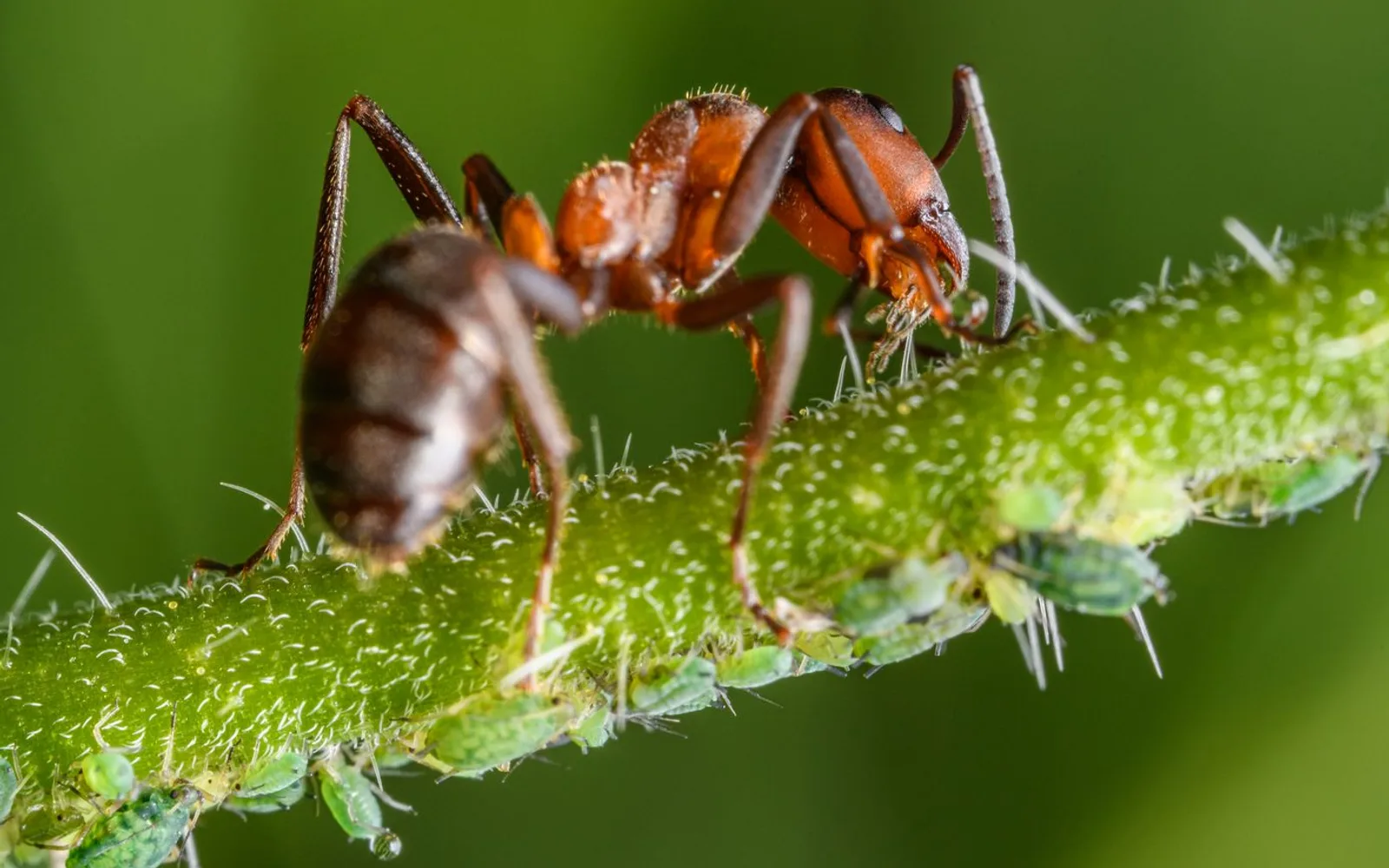
Ant control in Al Lulu Jeddah
Al Lulu is a small coastal strip facing the Red Sea with modern villas, apartments and beach resorts along Obhur Road. Humidity stays high year round and irrigated gardens draw ants from far away, and Wadi Obhur alongside brings ants after rain.
-
Targeted, not broadcast
Product goes into cracks and runways, never sprayed across open surfaces.
-
Told before we start
What we will use, where it goes, and what to cover or move before we arrive.
-
A follow-up visit
We return after the first treatment, because what survives it does not show on the day.
-
Homes and businesses
Apartments and villas, and kitchens and stores that need a record of each visit.
Why they keep coming back in Al Lulu
The coastal area has very high humidity all year and gardens and playing fields are irrigated continuously. Ants live in soil and gardens and move easily into homes. The method is set out in full on the full Ant control page.
High constant humidity creates ideal conditions
The coastal area sits on the Red Sea and humidity is high year round from the water. Gardens, playing fields and irrigated lawns provide constant water. Ants thrive in this wet environment year round.
Wadi Obhur brings moisture and ants after rain
Wadi Obhur alongside the area carries floods immediately after rain and leaves damp silt. Ants follow the water and moisture and climb toward villas and apartments adjacent to the wadi.
Irrigated gardens and courts draw ants from far
Villas and resorts have extensive gardens and irrigated green areas supplied with constant water. Regular irrigation draws ants from very distant places. Every irrigated resort becomes a beacon for ants.
Landmarks of Al Lulu
Al Lulu sits along Obhur Road between Al Zumurrud to the north and Al Amwaj and Al Shira to the south, with Al Lulu Park at the centre of the coastal strip. Treating villas and apartments includes the gardens, green areas, land between buildings and the nearness to Wadi Obhur.
- Obhur Road
- Al Lulu Park
- Al Suyuti Mosque
- Umm Bandar Mosque
- Awfa Rizk Mall
The species and the trail decide the bait
A small coastal strip facing the Red Sea with beach resorts, modern villas and apartments extending along Obhur Road between other coastal developments.
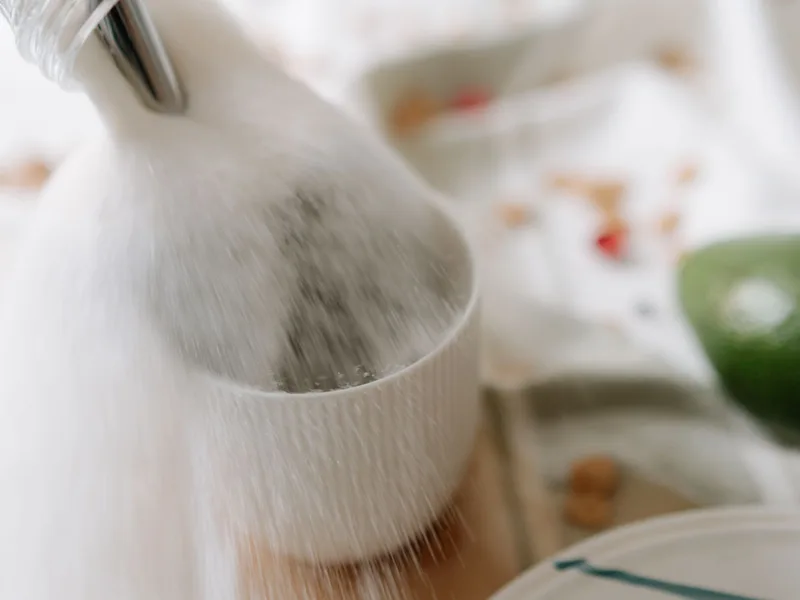
The sweet feeders
Sugar, fruit, sweets and drinks attract ants from gardens and the wadi in the high humidity.
The grease and protein feeders
Fats, oils and food scraps leave trails followed by ants from gardens, green areas and the wadi.
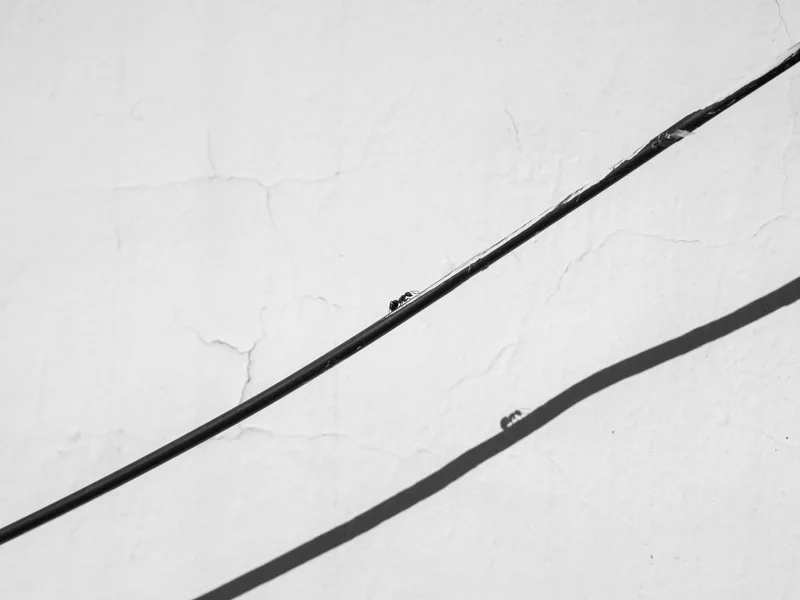
The trail and its direction
Ant trails arrive from gardens, green areas, the wadi and coastal soil and climb the foundation and walls.
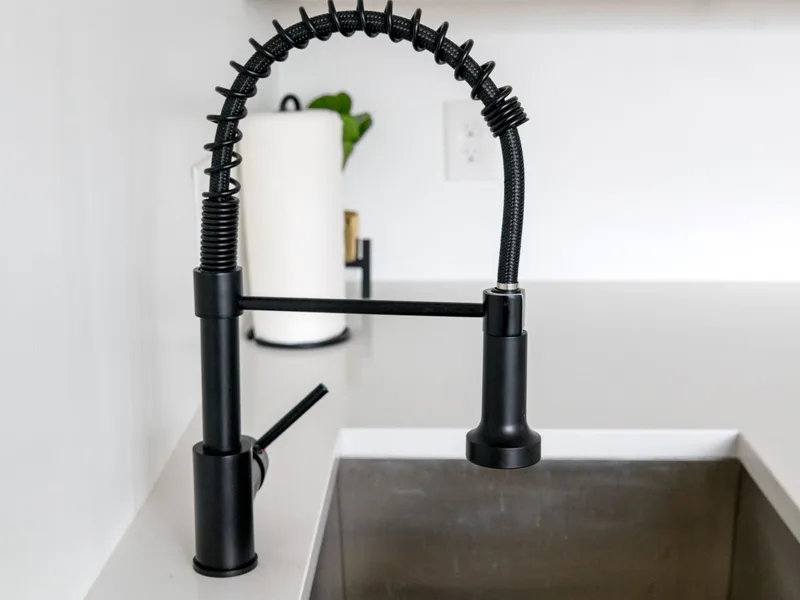
Moisture before food
Moisture from the sea, irrigated gardens, the wadi and rain collects year round, drawing ants constantly.
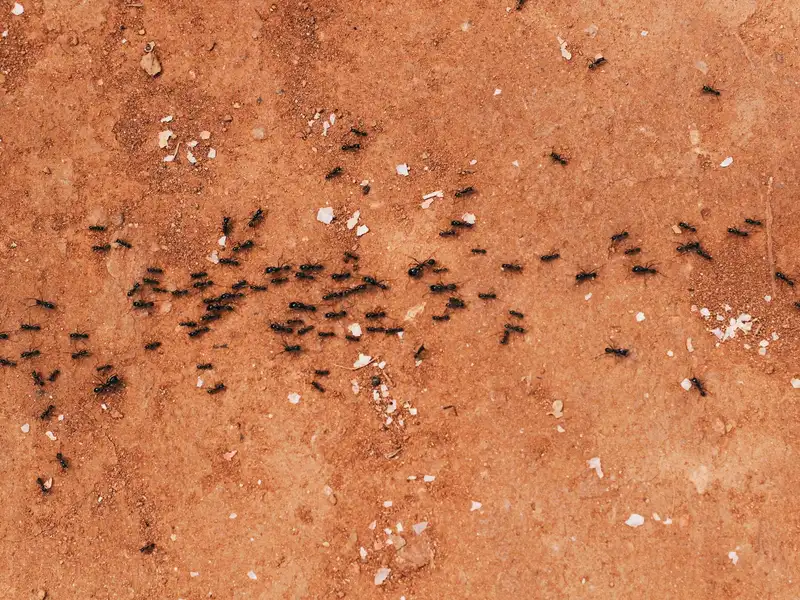
The nest outside the building
The nest is usually in gardens, green areas, damp soil, the wadi, damp foundations and gaps in external walls.
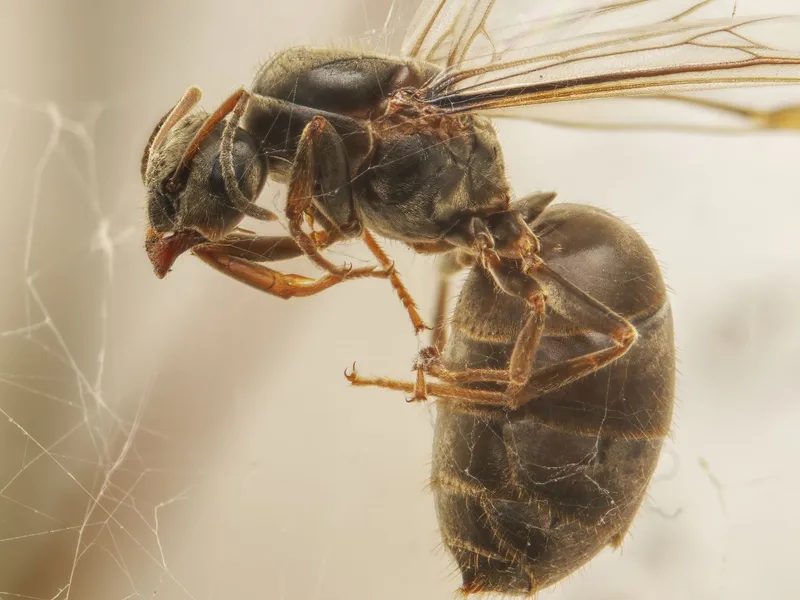
Winged ants
Winged ants emerge from gardens, green areas and the wadi during breeding season and may enter villas through windows and openings.
How we work
-
1
Inspect and follow the trail
We follow the line from where you see it to where it enters, and establish the species, what it is feeding on and the moisture keeping the nest close.
-
2
Matched bait placed on the trail
We choose the matrix from the feeding preference and place it on the trail itself, leaving the trail intact so the workers carry it to the queen and the brood.
-
3
Treat the perimeter and close the ways in
An external treatment at the wall base and the openings, and we point out the cracks, pipe entries and any branch touching the building.
-
4
The follow-up visit
We come back once the bait has worked through the nest, check the trail is gone, and look for a satellite nest if a new line has appeared.
What ant control includes
-

Following the trail to its source
Species, entry point and the direction of the nest, established before anything is applied.
-

Bait matched to the colony
Sugar or protein according to what the workers are carrying, placed on the trail rather than near it.
-

An external perimeter treatment
A band at the wall base and the outside openings, with the indoor trail left unsprayed so it keeps carrying bait.
-

Moisture points and entries
Condensate lines, sink surrounds, weep holes and pipe entries, which are what keeps a nest against the building.
-

Aftercare instructions
What not to wipe until the bait has been taken, what to cover, and when normal cleaning can resume.
-

A scheduled follow-up
A set date to check the nest and re-bait anywhere still active.
What is different about Dhahban Sub-Municipality
Dhahban sub municipality is the northern coastal strip of Jeddah, running from the north bank of Sharm Obhur up to the old village of Dhahban and Salman Bay. Its districts are recently built, with owner occupied villas and apartments, beach resorts and chalets on the shore, and land subdivisions still being developed. Nearness to the sea keeps humidity high all year, irrigated lawns in villas, resorts and district parks hold water, Wadi Obhur and the vacant plots between buildings give rodents and reptiles shelter, and the old fishing village of Dhahban gives the far north a rural edge.
Questions about this district
Is a coastal villa in Al Lulu more vulnerable to ants than inland villas?
Much more. High coastal humidity provides ideal ant habitat. Villas in Al Lulu will see continuous ant pressure far exceeding inland villas.
Is treating the villa alone enough or must gardens and green areas be treated?
Treating the villa alone may fail. Irrigated gardens, green areas and the wadi all feed the villa with ants. Treating the villa, garden and surrounding ground is more reliable.
Does Wadi Obhur bring new ants right after every rain?
Yes. The wadi carries floods, moisture and ants together. Immediately after rain, villas beside the wadi see increased ants. Treatment before the rainy season is essential.
Does a villa next to a public garden need more frequent treatment?
Much more frequent. The irrigated public garden provides ideal ant habitat. A villa beside the garden needs treatment at least every two months.
Do resorts need separate treatment from the neighbouring villas?
Yes, resorts have extensive gardens and large green areas and more ant pressure. Resort treatment is separate from villas but the efforts should be coordinated.
How many times yearly must a coastal villa in Al Lulu be treated?
Coastal villas need regular treatment at least every three months. Humidity, gardens and the wadi bring ants continuously all year.
How much does ant control in Al Lulu cost?
It is set after the inspection, because the price follows the type of infestation, the size of the space, how far it has spread and the number of visits it needs. Send a photo and a description on WhatsApp and we will give you an estimate before we reach Al Lulu.
Other services in Al Lulu
Other services we provide to residents of Al Lulu.
-
 Residential
Cockroach control
Residential
Cockroach control
-
 Residential
Bed bug control
Residential
Bed bug control
-
 Residential
Termite control
Residential
Termite control
-
 Residential
Rodents and mice
Residential
Rodents and mice
-
 Residential
Mosquito control
Residential
Mosquito control
-
 Residential
Fly control
Residential
Fly control
-
 Residential
Gecko control
Residential
Gecko control
-
 Residential
Scorpion control
Residential
Scorpion control
-
 Residential
Snake control
Residential
Snake control
-
 Residential
Flea control
Residential
Flea control
-
 Residential
Bird and pigeon control
Residential
Bird and pigeon control
-
 Residential
Preventive treatment
Residential
Preventive treatment
-
 Residential
Disinfection
Residential
Disinfection
-
 Commercial
Annual contracts
Commercial
Annual contracts
-
 Commercial
Restaurants and cafes
Commercial
Restaurants and cafes
-
 Commercial
Hotels and apartments
Commercial
Hotels and apartments
-
 Commercial
Warehouses and factories
Commercial
Warehouses and factories
-
 Commercial
Schools and nurseries
Commercial
Schools and nurseries
-
 Commercial
Retail and malls
Commercial
Retail and malls
-
 Commercial
Rest houses and farms
Commercial
Rest houses and farms
-
 Commercial
Fumigation
Commercial
Fumigation
-
 Water tanks
Water tank cleaning
Water tanks
Water tank cleaning
-
 Water tanks
Water tank sterilization
Water tanks
Water tank sterilization
-
 Water tanks
Water tank sealing
Water tanks
Water tank sealing
-
 Water tanks
Tank leak repair
Water tanks
Tank leak repair
Need ant control in Al Lulu? Tell us what you saw and we will tell you what it needs
We reach Al Lulu at a time we agree, and you get the full cost before we start.