
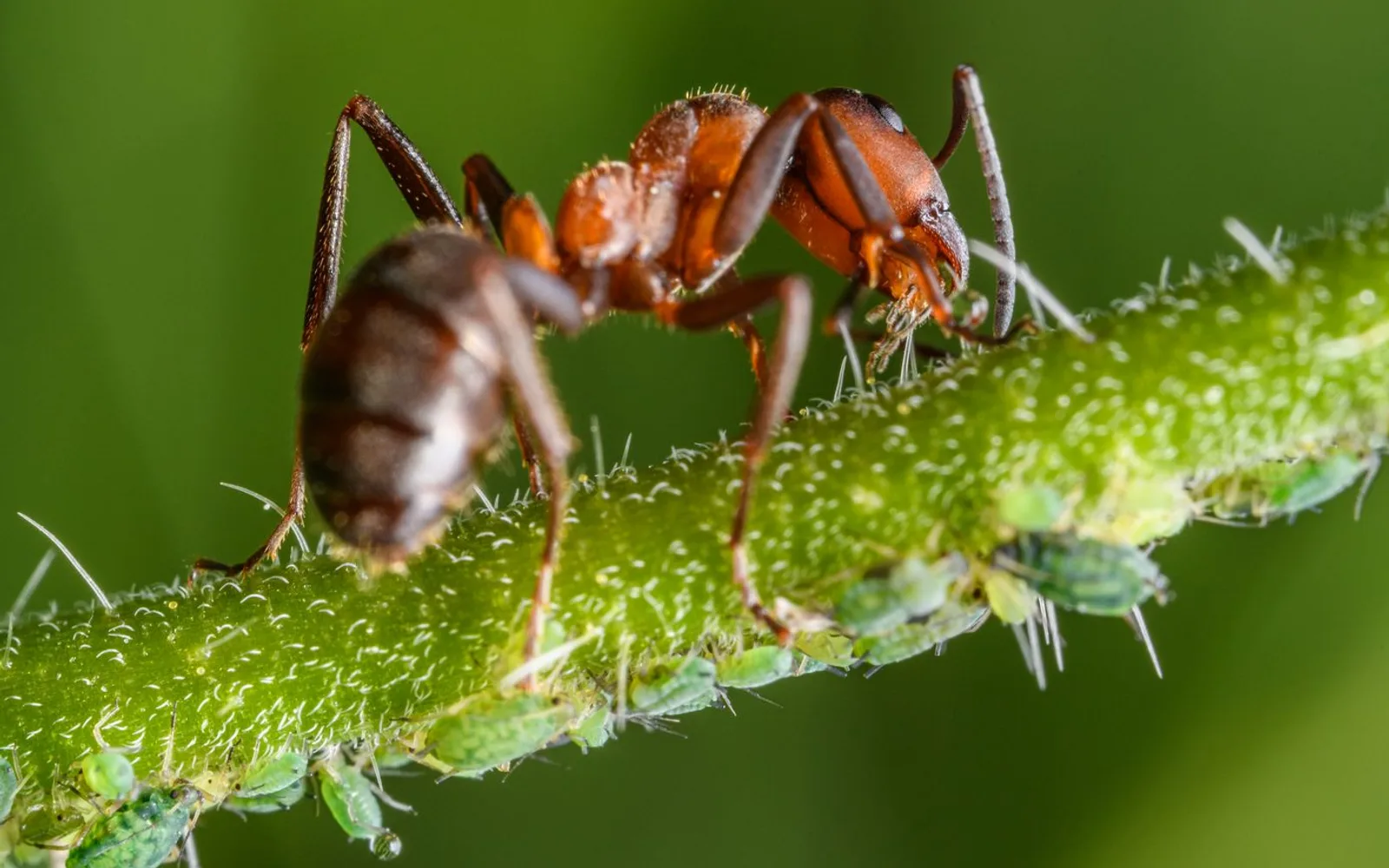
Ant control in Al Mahjar Jeddah
Al Mahjar is a mixed district south west of Al Wazeeriyah towards the coast, with shops below and flats above, large hospitals, shops and markets. Open stormwater channels and nearness to the Islamic Port and Industrial City provide constant moisture and ant shelter. Treatment here focuses on shops and the voids around pipes and sealing against dampness.
-
Targeted, not broadcast
Product goes into cracks and runways, never sprayed across open surfaces.
-
Told before we start
What we will use, where it goes, and what to cover or move before we arrive.
-
A follow-up visit
We return after the first treatment, because what survives it does not show on the day.
-
Homes and businesses
Apartments and villas, and kitchens and stores that need a record of each visit.
Why they keep coming back in Al Mahjar
Ants mass around open drains, tanks and storage areas, and nearness to the port and industrial city means constant high humidity year round. The method is set out in full on the full Ant control page.
Open drainage and ageing pipe networks
Al Mahjar and the adjoining old Petromin quarter lack complete drainage networks. Open channels run through the streets and pool water. This keeps soil damp year round. Huge ant colonies thrive in this damp environment. Treating the whole district is necessary, not one home alone.
Hospitals and dense commercial outlets
King Abdulaziz Hospital, the Mental Health Hospital and Ibn Sina College Hospital provide abundant food and water. Petromin Souq and shops around it offer food and waste. Ants are drawn to hospitals and markets strongly. Flats above shops and near hospitals are more prone.
Nearness to the Islamic Port and Industrial City
Al Mahjar is close to the Islamic Port and Industrial City. Warehouses and heavy traffic provide food for insects. Humidity from sea air and open drains stays high. Treating the district with regular drain maintenance is necessary.
Al Mahjar on the map
Al Mahjar sits about 3 km from Al Wazeeriyah and about 4 km from Al Saruriyah.
Open in Google MapsThe species and the trail decide the bait
A south Jeddah district west of Al Wazeeriyah toward the coast where King Abdulaziz Hospital occupies the old quarantine site. King Faisal Road and Al Mahjar Street cross it with open drainage channels, warehouses and the nearby Islamic Port and refinery.
The sweet feeders
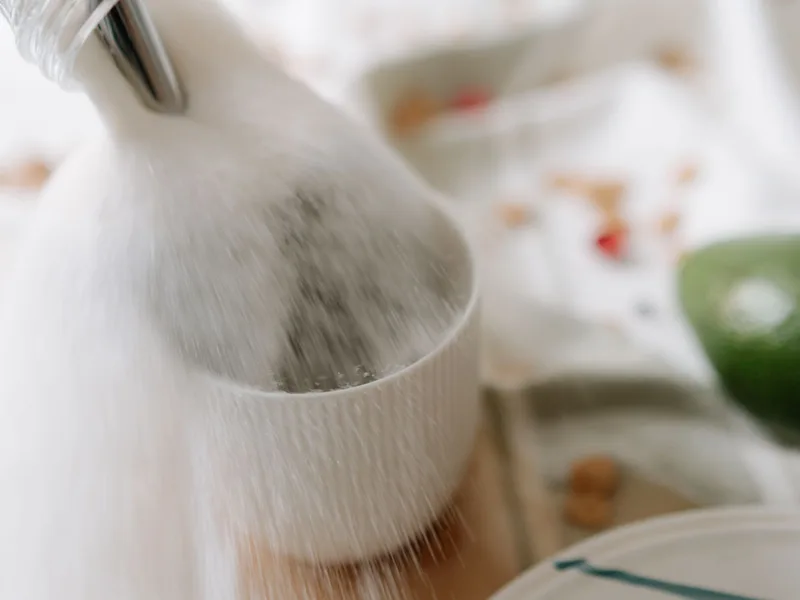
Sweet feeding ants concentrate on shops, hospitals and restaurants where food waste is abundant.
The grease and protein feeders
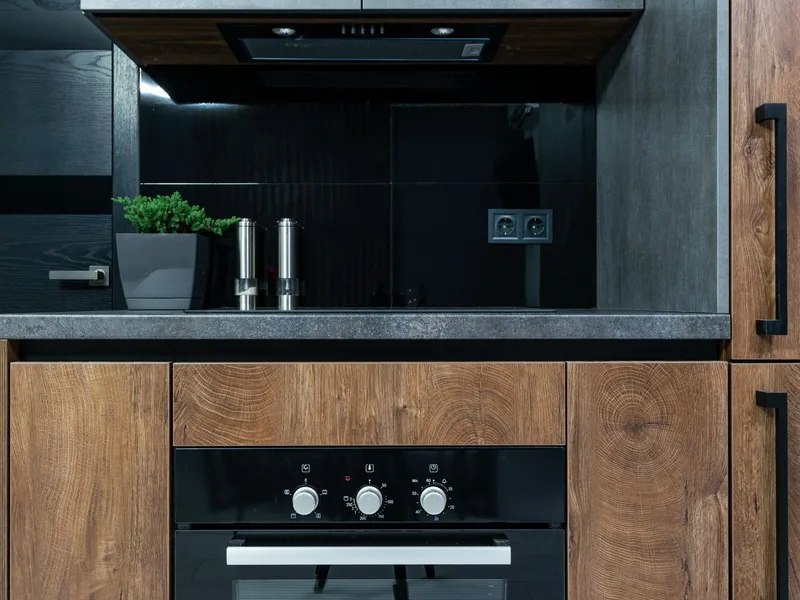
Grease and protein feeders are drawn to restaurants, hospitals and oily voids beneath kitchen spaces.
The trail and its direction
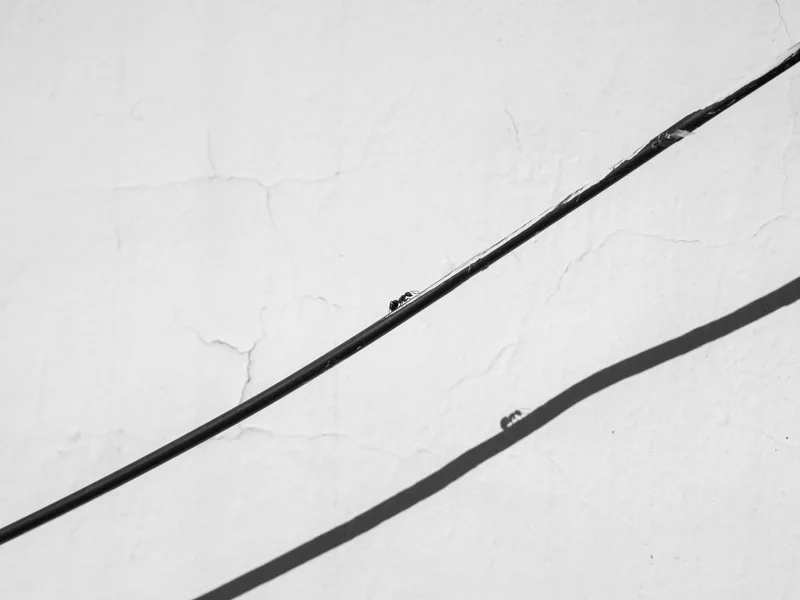
The trail begins in open drains and damp soil, enters shops and flats through gaps around pipes and footings.
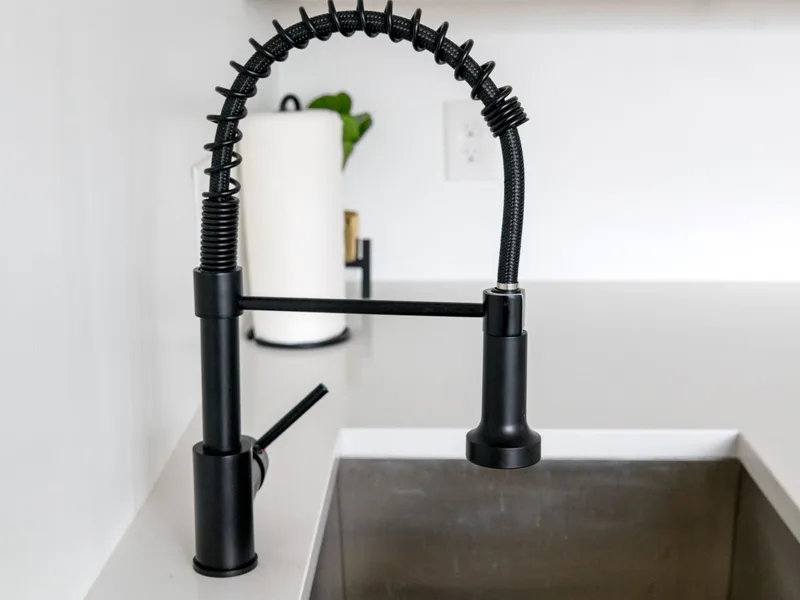
Moisture before food
Moisture from open drains, high groundwater and nearness to the port provides constant dampness that attracts ants.
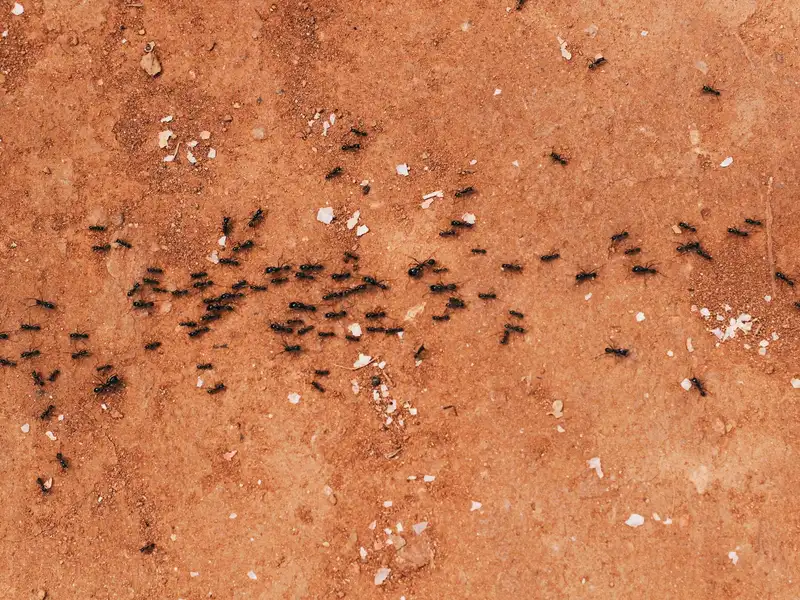
The nest outside the building
The nest outside sits in damp soil around open drains or in voids beneath ageing footings.
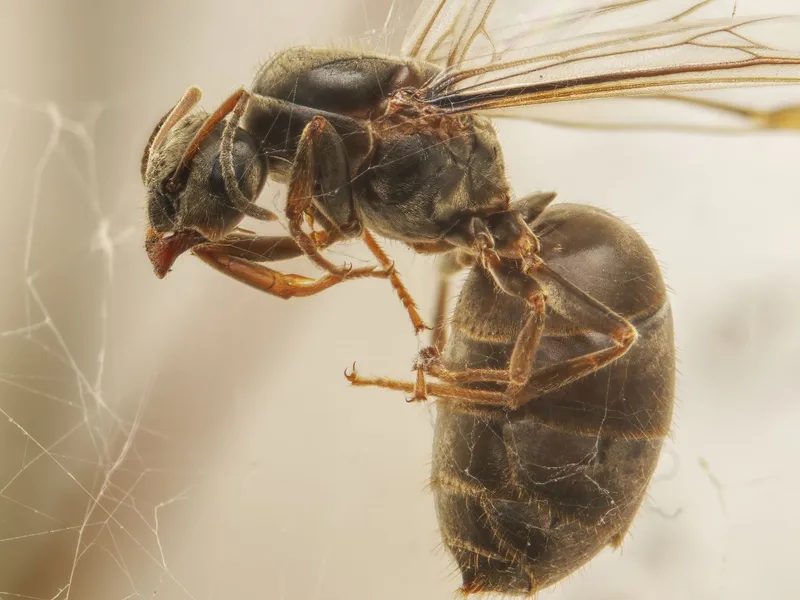
Winged ants
Winged ants appear almost all year because of constant moisture and nearness to the sea.
How we work
-
1
Inspect and follow the trail
We follow the line from where you see it to where it enters, and establish the species, what it is feeding on and the moisture keeping the nest close.
-
2
Matched bait placed on the trail
We choose the matrix from the feeding preference and place it on the trail itself, leaving the trail intact so the workers carry it to the queen and the brood.
-
3
Treat the perimeter and close the ways in
An external treatment at the wall base and the openings, and we point out the cracks, pipe entries and any branch touching the building.
-
4
The follow-up visit
We come back once the bait has worked through the nest, check the trail is gone, and look for a satellite nest if a new line has appeared.
What ant control includes
-

Following the trail to its source
Species, entry point and the direction of the nest, established before anything is applied.
-

Bait matched to the colony
Sugar or protein according to what the workers are carrying, placed on the trail rather than near it.
-

An external perimeter treatment
A band at the wall base and the outside openings, with the indoor trail left unsprayed so it keeps carrying bait.
-

Moisture points and entries
Condensate lines, sink surrounds, weep holes and pipe entries, which are what keeps a nest against the building.
-

Aftercare instructions
What not to wipe until the bait has been taken, what to cover, and when normal cleaning can resume.
-

A scheduled follow-up
A set date to check the nest and re-bait anywhere still active.
What is different about South Sub-Municipality
The South sub municipality runs from the edge of Old Makkah Road down to Al Khumrah and the southern corniche. Dense residential districts sit beside new subdivisions such as Al Sanabil and Al Taawun, warehouse fringes such as Al Saruriyah and Al Sarawat, and an old seaside settlement at Al Quzayn. Open stormwater channels cross the housing, and the warehouses, the vegetable and livestock markets and the nearby Islamic Port and Industrial City give pests shelter, food and year round humidity. Pressure is greatest in the older quarters, where drainage networks are ageing.
Questions about this district
Are the hospitals in Al Mahjar responsible for ants in nearby flats?
Hospitals provide food and water that attracts ants. Flats nearby are more prone. But treating the flat and hospital voids cuts the problem, the hospital is not liable.
Is treating Petromin Souq and the shops necessary or is the flat enough?
Treating the flat alone is not enough if the shops are infested. Treating shops and flats together is necessary. Coordination with shop owners helps.
Do open drains mean ants will always return?
Open drains provide ideal ant habitat. Closing them is the municipality's job. But treating the flat, good sealing and regular bait cuts the ant supply route.
Does the adjoining old Petromin quarter share the ant problem?
Yes, Petromin is an old quarter without complete drainage. Ants from Petromin may move to Al Mahjar. Treating the boundary between districts matters.
Does old construction in Al Mahjar mean ants are worse than in new districts?
Old construction means shallow footings and ageing drains. This increases the problem. But treatment and sealing reduce ants regardless of building age.
How many times yearly should a flat in Al Mahjar be treated?
Because of high humidity and nearby shops, treatment every six weeks in warm months is advised. Preventive treatment works better than reactive.
How much does ant control in Al Mahjar cost?
It is set after the inspection, because the price follows the type of infestation, the size of the space, how far it has spread and the number of visits it needs. Send a photo and a description on WhatsApp and we will give you an estimate before we reach Al Mahjar.
Nearby districts we cover
Other services in Al Mahjar
Other services we provide to residents of Al Mahjar.
-
 Residential
Cockroach control
Residential
Cockroach control
-
 Residential
Bed bug control
Residential
Bed bug control
-
 Residential
Termite control
Residential
Termite control
-
 Residential
Rodents and mice
Residential
Rodents and mice
-
 Residential
Mosquito control
Residential
Mosquito control
-
 Residential
Fly control
Residential
Fly control
-
 Residential
Gecko control
Residential
Gecko control
-
 Residential
Scorpion control
Residential
Scorpion control
-
 Residential
Snake control
Residential
Snake control
-
 Residential
Flea control
Residential
Flea control
-
 Residential
Bird and pigeon control
Residential
Bird and pigeon control
-
 Residential
Preventive treatment
Residential
Preventive treatment
-
 Residential
Disinfection
Residential
Disinfection
-
 Commercial
Annual contracts
Commercial
Annual contracts
-
 Commercial
Restaurants and cafes
Commercial
Restaurants and cafes
-
 Commercial
Hotels and apartments
Commercial
Hotels and apartments
-
 Commercial
Warehouses and factories
Commercial
Warehouses and factories
-
 Commercial
Schools and nurseries
Commercial
Schools and nurseries
-
 Commercial
Retail and malls
Commercial
Retail and malls
-
 Commercial
Rest houses and farms
Commercial
Rest houses and farms
-
 Commercial
Fumigation
Commercial
Fumigation
-
 Water tanks
Water tank cleaning
Water tanks
Water tank cleaning
-
 Water tanks
Water tank sterilization
Water tanks
Water tank sterilization
-
 Water tanks
Water tank sealing
Water tanks
Water tank sealing
-
 Water tanks
Tank leak repair
Water tanks
Tank leak repair
Need ant control in Al Mahjar? Tell us what you saw and we will tell you what it needs
We reach Al Mahjar at a time we agree, and you get the full cost before we start.