
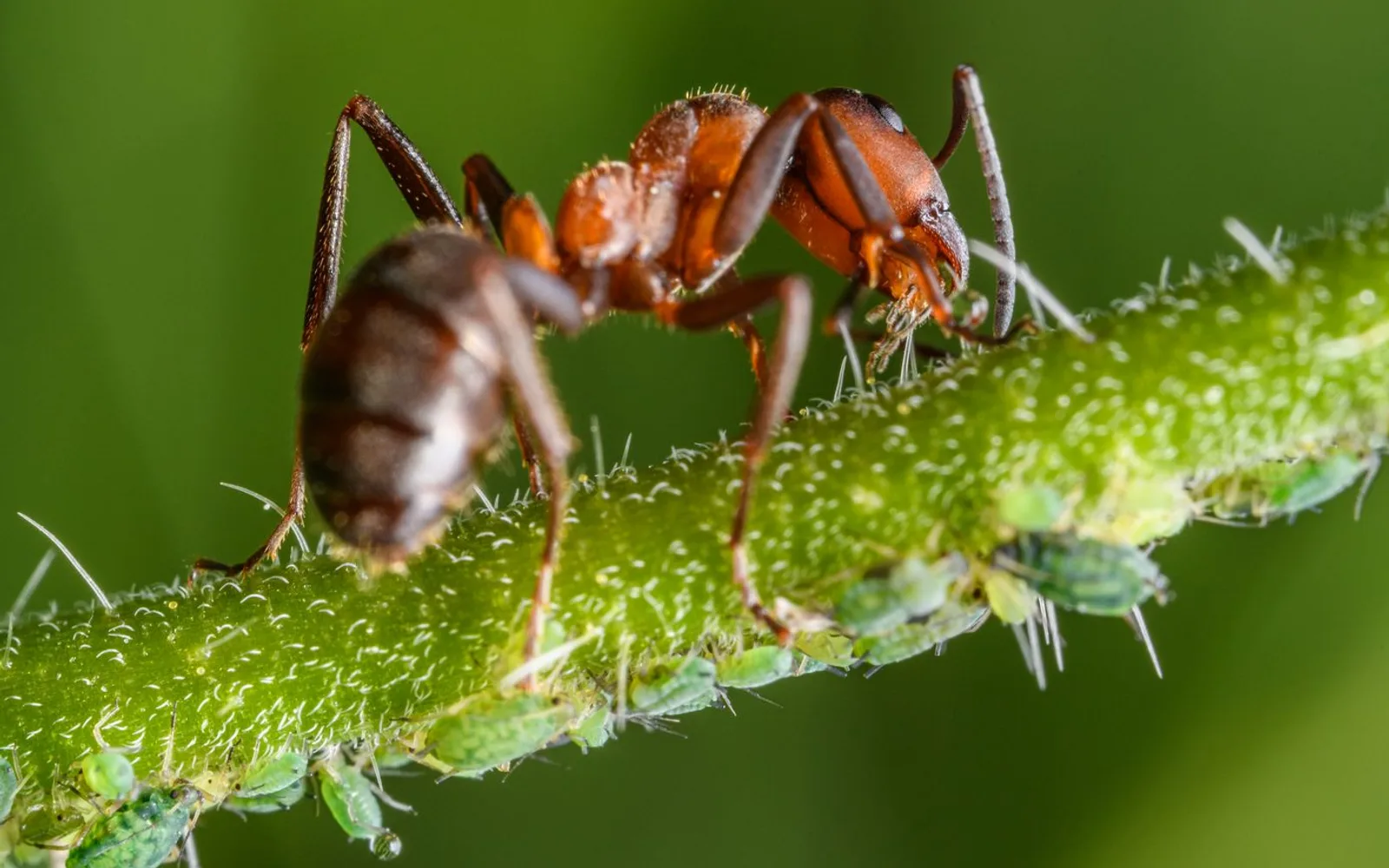
Ant control in Tarwiyah Makkah
Tarwiyah is a newly developed scheme east of Al Sharai, sitting between Al Sharai and Al Rashidiyah south of King Faisal Road. The district has new apartment buildings, villas and residential plots laid on a young grid. It borders King Abdulaziz Sports City on the north east, with Wadi Mudarraja channel along the eastern edge. Ant treatment differs here because the massive sports facilities provide constant food and moisture, and the new district beside them receives migrating ants driven out of the much larger established colony network inside the complex.
-
Targeted, not broadcast
Product goes into cracks and runways, never sprayed across open surfaces.
-
Told before we start
What we will use, where it goes, and what to cover or move before we arrive.
-
A follow-up visit
We return after the first treatment, because what survives it does not show on the day.
-
Homes and businesses
Apartments and villas, and kitchens and stores that need a record of each visit.
Why they keep coming back in Tarwiyah
Ants in Tarwiyah split between local colonies in the new district and migrating colonies escaping from King Abdulaziz Sports City when space fills. The method is set out in full on how we approach Ant control.
Sports complex: an endless ant source
King Abdulaziz Sports City surrounding the district hosts thousands of ant colonies fed by kitchens, landscaping, water systems and waste. New villas and flats around the complex receive migrating ants searching for fresh ground. Treating only the district leaves the ants still flowing from the vast facilities next door, because the complex never stops providing food, water and shelter.
Wadi and irrigation: constant moisture
Wadi Mudarraja at the district edge carries water in regular pulses, and the irrigation network in King Abdulaziz Sports City supplies perpetual moisture around the district. Ants do not search far for water where it sits always available nearby. This forces treatment deeper into soil around building foundations, where ants nest to stay close to steady moisture sources.
New grid: clear ant highways
The young street grid and straight roads in Tarwiyah create obvious routes for ant trails. Regular spacing between villas and flats makes it easy for ants to travel and spread. Treating visible trails in this new grid is simpler than in tangled old districts, but the constant supply from the sports complex means new ants keep replacing treated ones.
The character of Tarwiyah
New development: ongoing construction and vacant plots between the homes
A new district surrounded by large facilities means ant sources never stop coming from outside. Treatment here is not a one-time fix but continuous perimeter management, sealing boundaries and treating entry points.
The species and the trail decide the bait
Wadi Mudarraja channel carries rainwater and drainage runoff, leaving the district's ground damp, while closeness to large sports facilities means constant moisture from irrigation and building systems.
The sweet feeders
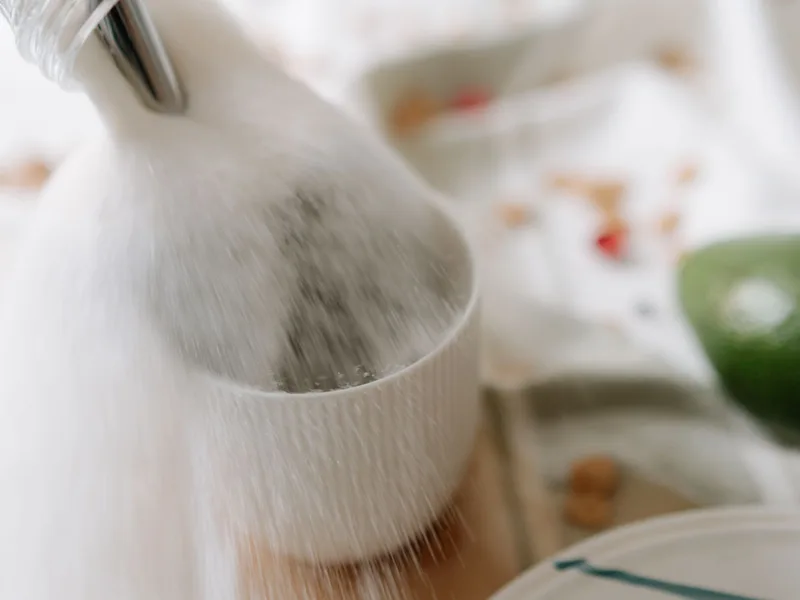
Sugar-feeding ants in Tarwiyah come from the sports facilities and surrounding storage areas, and their spread across the new grid is faster than in tangled old districts.
The grease and protein feeders
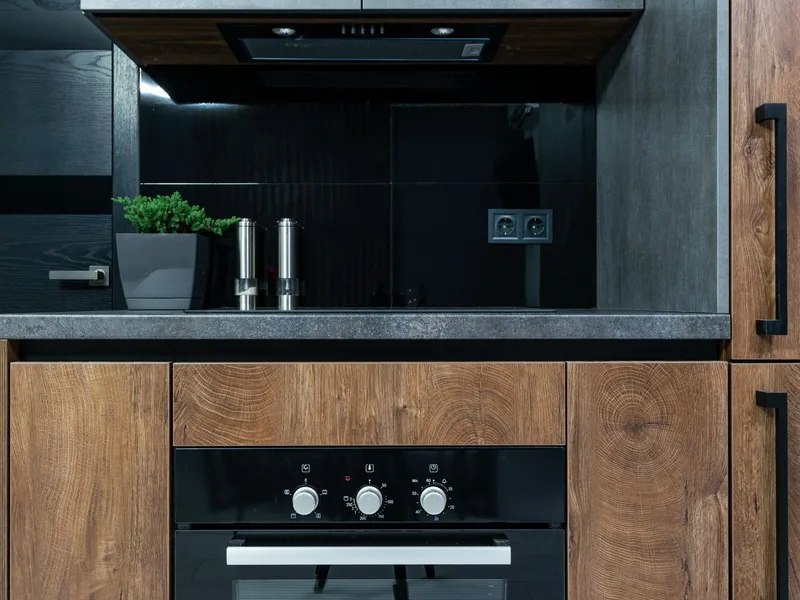
Greasy and protein-feeding ants concentrate near restaurants and cafés inside King Abdulaziz Sports City, with trails extending into the new district across open boundaries.
The trail and its direction
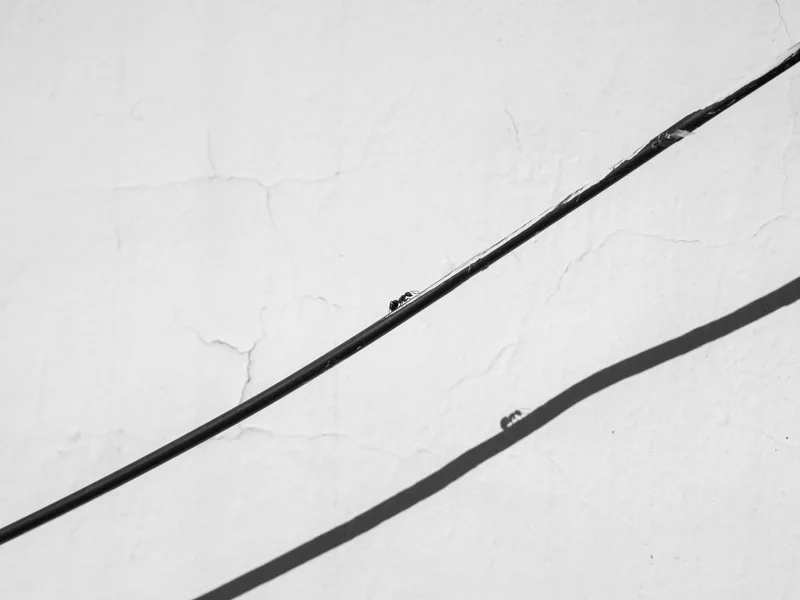
The ant trail from complex to villa is visible on the new straight grid, making the route easy to spot and trace back to the source nest in the facilities.
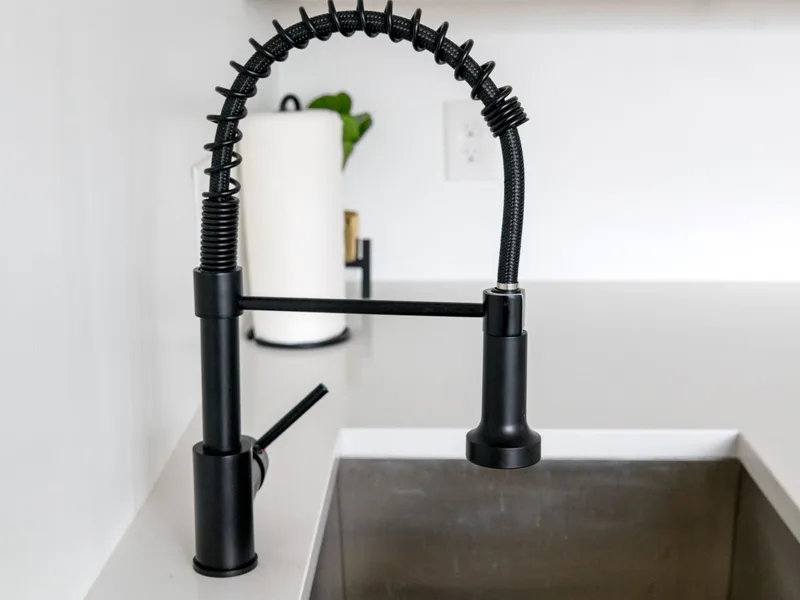
Moisture before food
Moisture from constant irrigation in the complex and from Wadi Mudarraja supplies water year-round, and ants here do not search far but settle where water is always available.
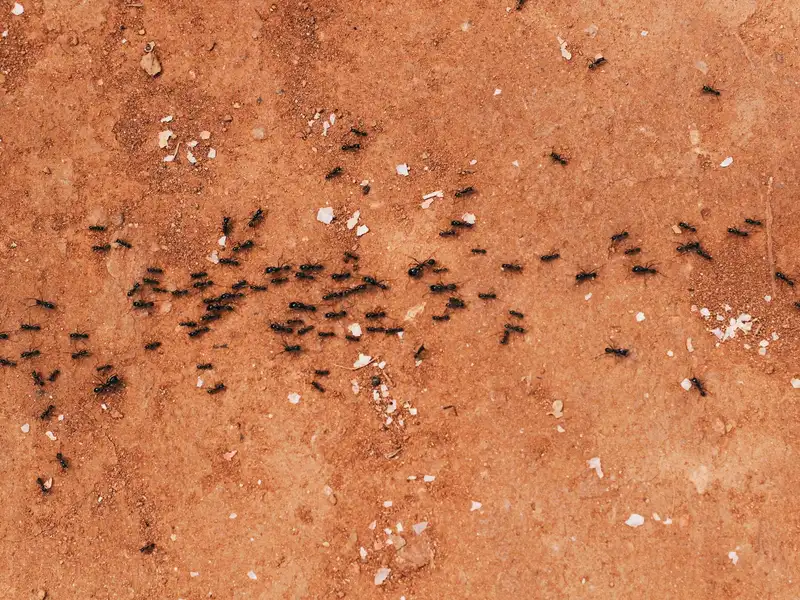
The nest outside the building
The main nest lies within the sports complex or along the boundary between it and the district, and treatment must seal the gaps and cracks along that boundary as strongly as treating the interior.
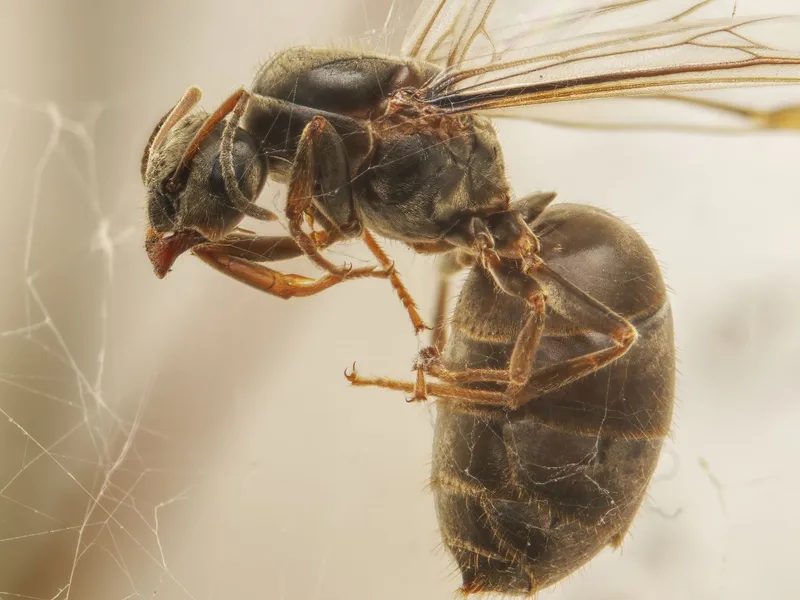
Winged ants
Winged ants here emerge from old established colonies in the sports facilities, and their migration to the new district signals the complex has become overcrowded and overflow populations are seeking new homes.
How we work
-
1
Inspect and follow the trail
We follow the line from where you see it to where it enters, and establish the species, what it is feeding on and the moisture keeping the nest close.
-
2
Matched bait placed on the trail
We choose the matrix from the feeding preference and place it on the trail itself, leaving the trail intact so the workers carry it to the queen and the brood.
-
3
Treat the perimeter and close the ways in
An external treatment at the wall base and the openings, and we point out the cracks, pipe entries and any branch touching the building.
-
4
The follow-up visit
We come back once the bait has worked through the nest, check the trail is gone, and look for a satellite nest if a new line has appeared.
What ant control includes
-

Following the trail to its source
Species, entry point and the direction of the nest, established before anything is applied.
-

Bait matched to the colony
Sugar or protein according to what the workers are carrying, placed on the trail rather than near it.
-

An external perimeter treatment
A band at the wall base and the outside openings, with the indoor trail left unsprayed so it keeps carrying bait.
-

Moisture points and entries
Condensate lines, sink surrounds, weep holes and pipe entries, which are what keeps a nest against the building.
-

Aftercare instructions
What not to wipe until the bait has been taken, what to cover, and when normal cleaning can resume.
-

A scheduled follow-up
A set date to check the nest and re-bait anywhere still active.
What is different about Al Sharai Sub-Municipality
Al Sharai is the eastern growth front of Makkah along King Faisal Road and the Taif road. Settled quarters sit beside recently renamed schemes where plots are still vacant and buildings are going up, so construction sites, fill and open excavations lie next to occupied homes. Wadi channels such as Wadi Mudarraja, Wadi Al Sharai and Wadi Al Mughammas carry flash floods after rain and dry out to damp silt, while dust blows off the open hills. Roadside shops, restaurants and warehouses line the Taif road, and to the east the area shades into villages, palm farms and springs.
Questions about this district
Do ants in my villa come from King Abdulaziz Sports City?
Usually yes. The sports facilities provide food, water and shelter, and ants migrate from them searching for new ground. New villas beside the complex are first in line to receive these migrating waves, drawn by the straight routes on the young grid.
Does Wadi Mudarraja bring new ants into the district?
Yes. The wadi carries water and may transport ant eggs and larvae from elsewhere. The damp it leaves around the district creates perfect conditions for arriving colonies to breed and establish themselves fast.
Will treating the new district stop ants from the sports complex?
Only partially. If the complex remains untreated, ants keep migrating to the district. Treatment of the boundary between district and complex is essential to stop the migrating waves, because the supply is otherwise limitless.
Why are ants in Tarwiyah stronger than in districts far from large facilities?
Large facilities provide unlimited supplies of water and food. Colonies near the complex grow faster and breed without resource shortage, making them stronger and harder to control than isolated neighbourhood colonies.
Does constant irrigation water from the complex make ant spread easier?
Very much so. Continuous irrigation supplies perpetual moisture around the complex and the neighbouring district. Ants settle near this steady water and do not need to search, allowing colonies to explode in size.
Will ants decrease if the sports complex reduces irrigation?
Possibly, but you cannot control the complex's watering. The answer is to treat the district boundary heavily and seal your villa from the complex by closing cracks and gaps, creating a barrier the ants must cross.
How much does ant control in Tarwiyah cost?
It is set after the inspection, because the price follows the type of infestation, the size of the space, how far it has spread and the number of visits it needs. Send a photo and a description on WhatsApp and we will give you an estimate before we reach Tarwiyah.
Nearby districts we cover
Other services in Tarwiyah
Other services we provide to residents of Tarwiyah.
-
 Residential
Cockroach control
Residential
Cockroach control
-
 Residential
Bed bug control
Residential
Bed bug control
-
 Residential
Termite control
Residential
Termite control
-
 Residential
Rodents and mice
Residential
Rodents and mice
-
 Residential
Mosquito control
Residential
Mosquito control
-
 Residential
Fly control
Residential
Fly control
-
 Residential
Gecko control
Residential
Gecko control
-
 Residential
Scorpion control
Residential
Scorpion control
-
 Residential
Snake control
Residential
Snake control
-
 Residential
Flea control
Residential
Flea control
-
 Residential
Bird and pigeon control
Residential
Bird and pigeon control
-
 Residential
Preventive treatment
Residential
Preventive treatment
-
 Residential
Disinfection
Residential
Disinfection
-
 Commercial
Annual contracts
Commercial
Annual contracts
-
 Commercial
Restaurants and cafes
Commercial
Restaurants and cafes
-
 Commercial
Hotels and apartments
Commercial
Hotels and apartments
-
 Commercial
Warehouses and factories
Commercial
Warehouses and factories
-
 Commercial
Schools and nurseries
Commercial
Schools and nurseries
-
 Commercial
Retail and malls
Commercial
Retail and malls
-
 Commercial
Rest houses and farms
Commercial
Rest houses and farms
-
 Commercial
Fumigation
Commercial
Fumigation
-
 Water tanks
Water tank cleaning
Water tanks
Water tank cleaning
-
 Water tanks
Water tank sterilization
Water tanks
Water tank sterilization
-
 Water tanks
Water tank sealing
Water tanks
Water tank sealing
-
 Water tanks
Tank leak repair
Water tanks
Tank leak repair
Need ant control in Tarwiyah? Tell us what you saw and we will tell you what it needs
We reach Tarwiyah at a time we agree, and you get the full cost before we start.