
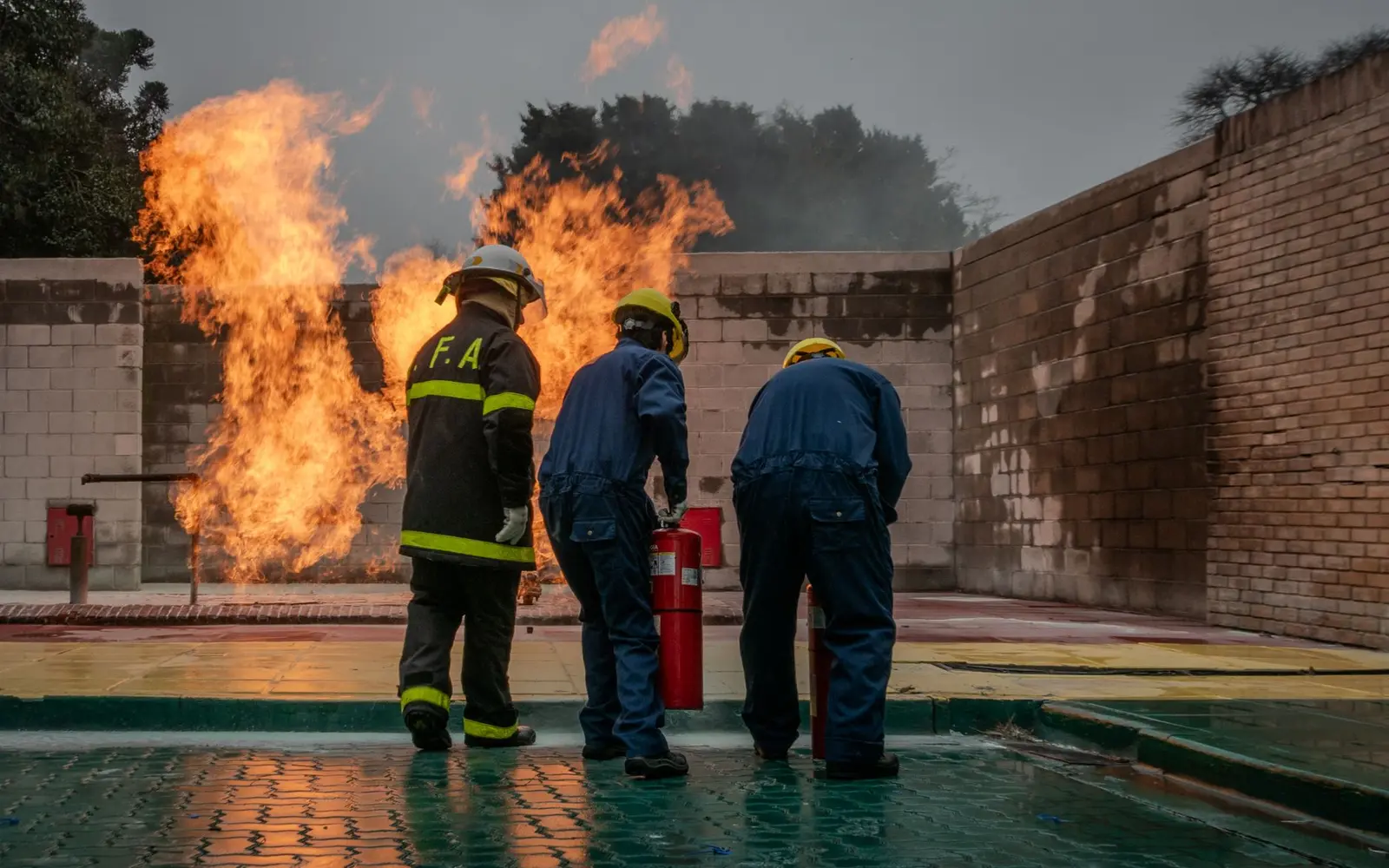
Bird and pigeon control in Al Zahra Makkah
Al Zahra is a densely populated residential district between Umm Al Qura Road and Al Mansour Street, with apartment blocks crowded together on a small area and narrow streets that get little sun. Pigeons nest on high ledges and in the gaps between buildings, and removing nests needs coordination among residents of every apartment block.
-
Targeted, not broadcast
Product goes into cracks and runways, never sprayed across open surfaces.
-
Told before we start
What we will use, where it goes, and what to cover or move before we arrive.
-
A follow-up visit
We return after the first treatment, because what survives it does not show on the day.
-
Homes and businesses
Apartments and villas, and kitchens and stores that need a record of each visit.
Why they keep coming back in Al Zahra
Shared roofs on densely packed apartment blocks need approval from dozens of flats, which slows coordination while pigeons multiply their nests. The method is set out in full on how we approach Bird and pigeon control.
Tightly packed apartment blocks and narrow gaps between them
Apartment buildings are built at high density and nearly touch each other. The gaps between buildings are very narrow and deep, and pigeons nest easily in them because they are completely wind sheltered.
Shared roofs and shared water tanks
Roofs in densely packed buildings are shared among dozens of flats, with uncovered tanks on these roofs. Treatment needs approval from all residents, which causes major delays.
Narrow streets and permanent shade
Streets between the buildings are very narrow and sunlight does not reach them most of the day. Shade and continuous moisture create ideal conditions for both pigeons and insects.
Landmarks of Al Zahra
Work in Al Zahra is organised by approaching via Al Mansour Bridge which separates the high density quarters, or along Hussain Arab Street which cuts through the district; we schedule treatment based on each building's position relative to these main axes.
- Umm Al Qura Road
- Al Mansour Street
- Al Mansour Bridge
- Abdullah Arif Road
- Hussain Arab Street
The building decides which deterrent works
The apartment blocks are tightly packed and very close together, the streets are narrow and old, and aged sewerage serves this very high residential density.
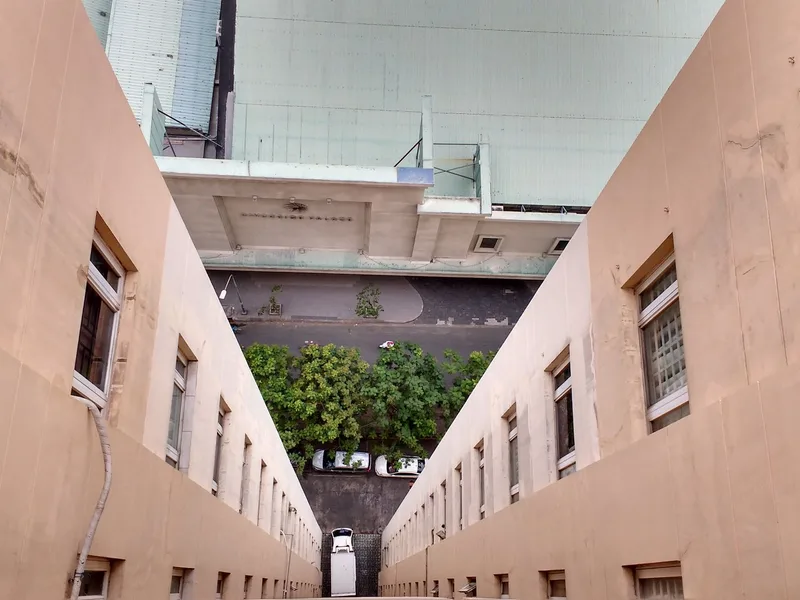
Ledge width
Broad ledges on densely packed apartment blocks provide very easy nesting sites, and flat roofs make nest building simple.
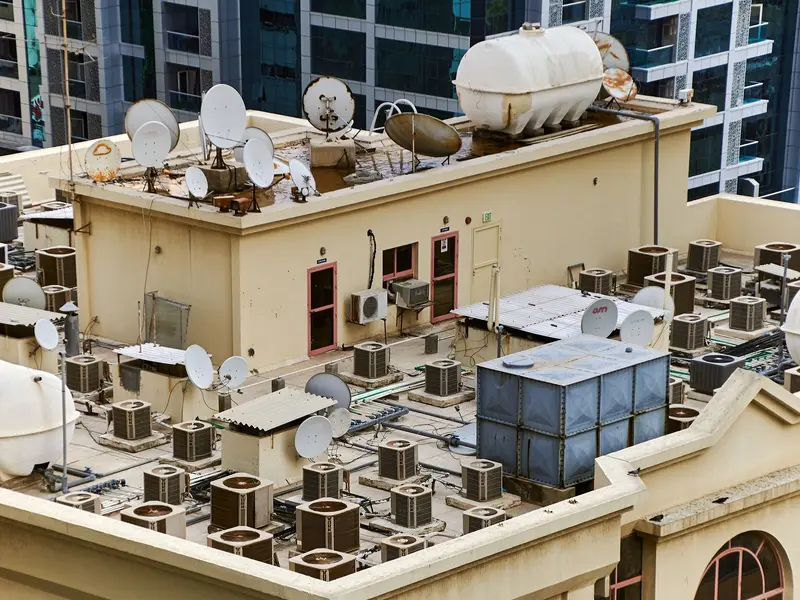
Air conditioning platforms
Air conditioning unit bases on shared roofs shelter nests from wind and rain.
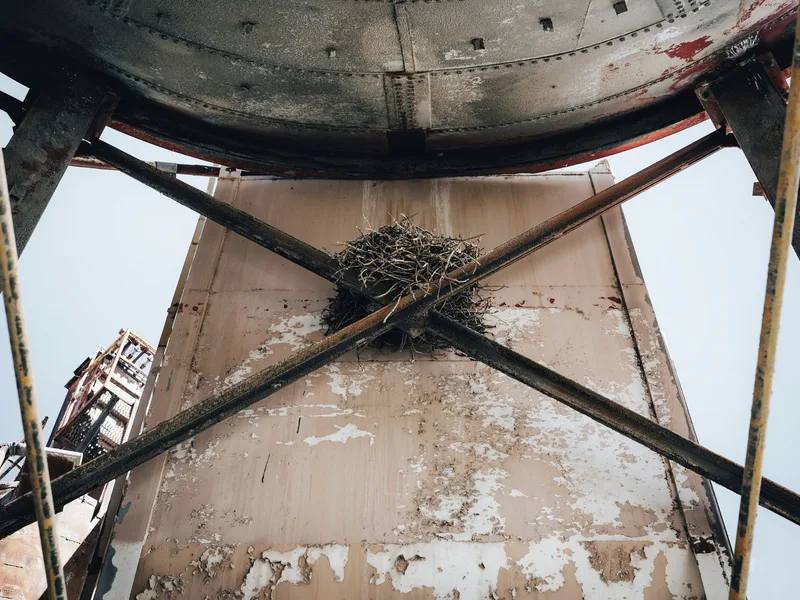
The nest itself
Nests appear on ledges and in gaps between buildings as well, and removal requires high precision.
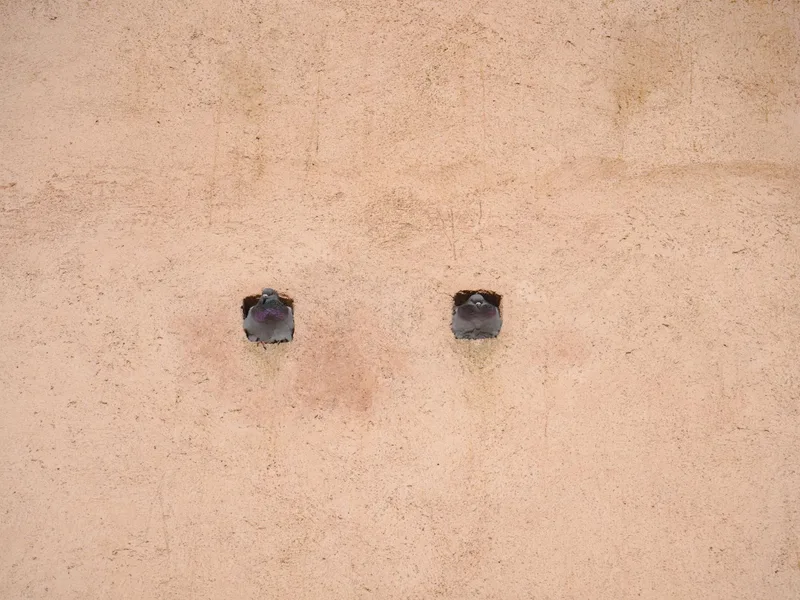
The droppings pattern
Droppings from flats and streets accumulate on shared roofs, and pigeons feed on them directly.
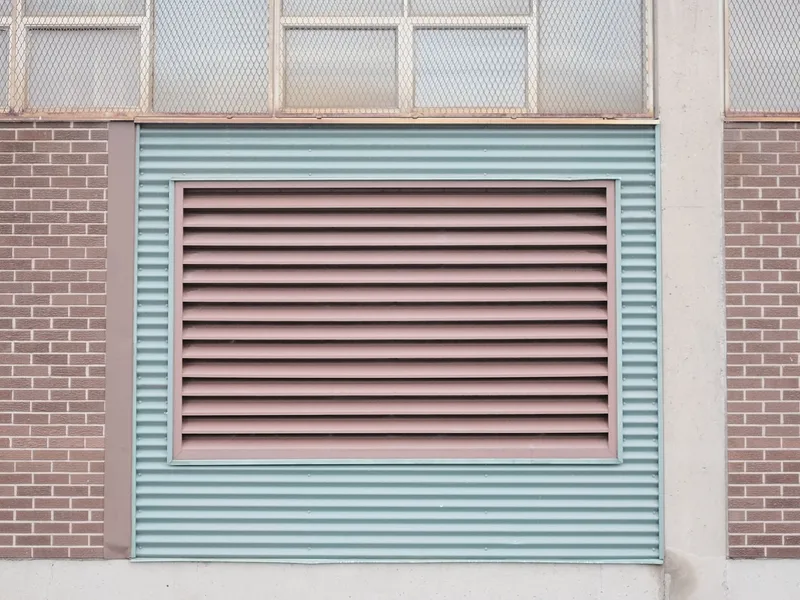
Openings and shafts
Gaps between buildings and roof shafts provide easy entry for pigeons into the flats.
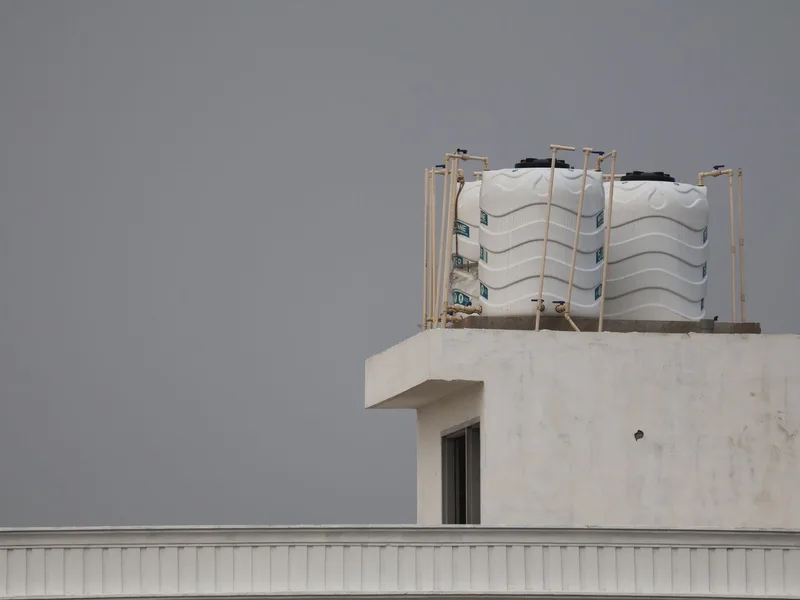
Around the roof tank
Uncovered tanks on shared roofs provide safe drinking water for pigeons without them needing to go far.
How we work
-
1
Survey the roof and the facade
We walk the roof, the projections, the condenser platforms and the shafts, separate the nesting positions from the perching ones, and measure and photograph every ledge.
-
2
Strip the nests and treat the parasites
Droppings are wetted before they are lifted so nothing goes airborne dry, bagged closed, and the nest position is treated for ticks and mites before the surface is sanitised.
-
3
Close and fit
Netting tensioned on a perimeter wire with no gap at the corners, spikes or wire on the narrow projections, metal mesh across vents and shafts, and the roof drains freed of the nest material packing them.
-
4
The follow-up visit
We come back to check the tension, the corners and any position the flock has moved to, and correct what has slackened before a bird finds it.
What bird and pigeon control includes
-

A recorded survey
Every ledge, condenser platform and shaft, photographed, with nesting separated from perching before anything is chosen.
-

Nest removal and drain clearing
Lifted wet rather than swept dry, bagged closed, and the roof drains freed of the nest material packing them.
-

Parasite treatment and sanitising
The nest position treated for ticks and mites, then the surface the droppings sat on sanitised.
-

Sealing and fitting the deterrents
Netting tensioned on a perimeter wire, spikes or wire on narrow projections, and metal mesh across ventilation openings.
-

Aftercare instructions
The condensate water, food left on the roof, and what should not sit beside a ledge if the attraction is to stay gone.
-

A follow-up on tension and corners
Netting slackens and corners open over time; the visit corrects that and closes any new position.
What is different about Al Utaybiyah Sub-Municipality
Al Utaybiyah sub municipality covers the old districts north of the Grand Mosque: the hillside quarters of Al Hajun, Al Utaybiyah and Al Bayban, Al Zahir and Al Shuhada at the northern entrance, and the newer Al Zahra, Al Diyafah and An Nuzhah westward. Its building stock is among the oldest in Makkah, stone houses on the hills, packed apartment blocks and sewers decades old, threaded with crowded markets like the Utaybiyah souq and furnished flats that fill in the pilgrim seasons. Wadi Al Zahir and Wadi Al Tanim carry storm water through it, and industrial workshops line Hajj Street.
Questions about this district
The roof is shared by dozens of flats; how do we get everyone's approval?
We recommend contacting the building management first. If there is a residents association, their approval covers everyone. Otherwise written approval from a majority is sufficient.
A nest is in a gap between old buildings, can you reach it?
Yes but carefully. Narrow gaps between old buildings may not be safe to work in. We use long tools and may need to build temporary access structures.
The street is very narrow and busy; can we work here?
Yes. We choose off-peak times and may request the authorities to close the street briefly if needed.
Do the residents in the flats above suffer the same problem?
Usually yes. But in Al Zahra most buildings are residential only without ground shops. All tightly packed flats suffer from pigeons on the shared roofs.
After fitting will pigeons move to the neighbouring apartment block?
They may try if the neighbouring block is unprotected. We recommend coordinating treatment of adjacent buildings together to prevent relocation.
Is protecting one flat or one block enough or should the whole district be treated?
Protecting one building solves it there. But if the whole district is affected, treating one block alone may attract pigeons from neighbouring unprotected buildings.
How much does bird and pigeon control in Al Zahra cost?
It is set after the inspection, because the price follows the type of infestation, the size of the space, how far it has spread and the number of visits it needs. Send a photo and a description on WhatsApp and we will give you an estimate before we reach Al Zahra.
Nearby districts we cover
Other services in Al Zahra
Other services we provide to residents of Al Zahra.
-
 Residential
Cockroach control
Residential
Cockroach control
-
 Residential
Bed bug control
Residential
Bed bug control
-
 Residential
Termite control
Residential
Termite control
-
 Residential
Rodents and mice
Residential
Rodents and mice
-
 Residential
Mosquito control
Residential
Mosquito control
-
 Residential
Fly control
Residential
Fly control
-
 Residential
Ant control
Residential
Ant control
-
 Residential
Gecko control
Residential
Gecko control
-
 Residential
Scorpion control
Residential
Scorpion control
-
 Residential
Snake control
Residential
Snake control
-
 Residential
Flea control
Residential
Flea control
-
 Residential
Preventive treatment
Residential
Preventive treatment
-
 Residential
Disinfection
Residential
Disinfection
-
 Commercial
Annual contracts
Commercial
Annual contracts
-
 Commercial
Restaurants and cafes
Commercial
Restaurants and cafes
-
 Commercial
Hotels and apartments
Commercial
Hotels and apartments
-
 Commercial
Warehouses and factories
Commercial
Warehouses and factories
-
 Commercial
Schools and nurseries
Commercial
Schools and nurseries
-
 Commercial
Retail and malls
Commercial
Retail and malls
-
 Commercial
Rest houses and farms
Commercial
Rest houses and farms
-
 Commercial
Fumigation
Commercial
Fumigation
-
 Water tanks
Water tank cleaning
Water tanks
Water tank cleaning
-
 Water tanks
Water tank sterilization
Water tanks
Water tank sterilization
-
 Water tanks
Water tank sealing
Water tanks
Water tank sealing
-
 Water tanks
Tank leak repair
Water tanks
Tank leak repair
Need bird and pigeon control in Al Zahra? Tell us what you saw and we will tell you what it needs
We reach Al Zahra at a time we agree, and you get the full cost before we start.