
Bird and pigeon control in Harat Al Bab Wa Al Shamiyah Makkah
Harat Al Bab Wa Al Shamiyah is a newly developing district on the north side of the Grand Mosque, spread across the northern expansion courtyards and open ground. Nesting is rife here because open land and construction sites provide building materials, food and temporary shelter that makes birds stay longer before moving to ledges.
-
Targeted, not broadcast
Product goes into cracks and runways, never sprayed across open surfaces.
-
Told before we start
What we will use, where it goes, and what to cover or move before we arrive.
-
A follow-up visit
We return after the first treatment, because what survives it does not show on the day.
-
Homes and businesses
Apartments and villas, and kitchens and stores that need a record of each visit.
Why they keep coming back in Harat Al Bab Wa Al Shamiyah
The new buildings here are tall and ledges are freshly formed, but the open ground around them gives birds grazing land and safety. Work must coordinate with active construction sites, and accessing roofs means navigating around ongoing projects. The method is set out in full on what Bird and pigeon control involves.
Open land provides food and nesting safety nearby
Vacant expanses and stalled projects give pigeons secure staging areas before they move to rooftops. Scattered debris and stockpiled materials offer temporary shelter. Adjacent new buildings become the pigeons' natural choice for permanent nesting, drawing birds away from temporary ground-level sites.
Proximity to the Grand Mosque brings heavy pigeon load
The northern expansion courtyards near the sanctuary attract enormous numbers of birds fed by visitor discards. Pigeons migrate to the adjacent new district seeking safe nesting sites. Buildings on the northern perimeter become natural targets for heavy settlement.
Active construction disrupts long-term pigeon control
Construction sites change constantly and new ledges attract pigeons fast. Deterrent fitting must wait for building completion. New occupied buildings need treatment immediately upon handover, before pigeons establish the ledges as permanent roosts.
The character of Harat Al Bab Wa Al Shamiyah
New development: ongoing construction and vacant plots between the homes
In a developing district like this, pigeon control differs because ledges are new and uniform, but pigeon numbers are very heavy because open ground and construction sites provide constant food and shelter. Treatment focuses on stopping first settlement before ledges become permanent pigeon roosts.
The building decides which deterrent works
The district sits beside Al Shubaikah and the Khalid ibn Al Walid Mosque, with the northern expansion courtyards stretching directly in front of it. Fill yards, excavations and ongoing building work cover much of the ground, and new houses stand isolated among vacant plots.
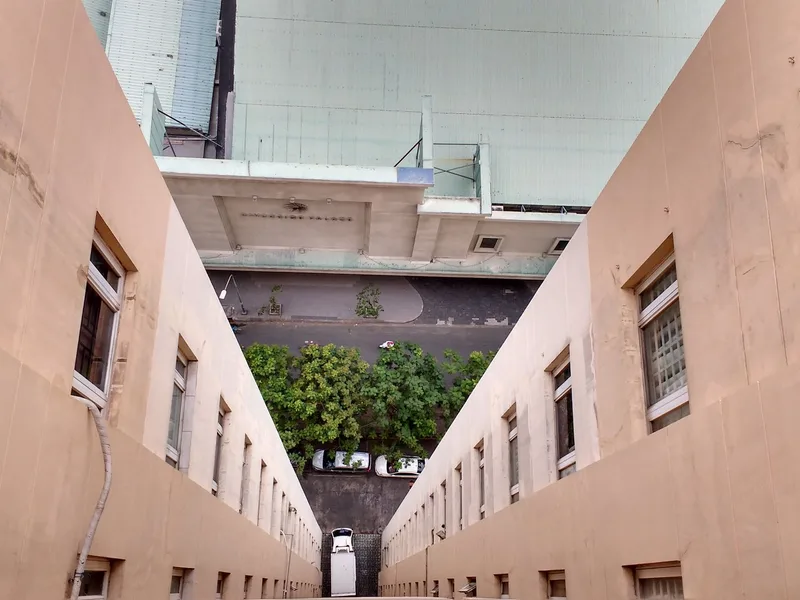
Ledge width
New building ledges are high and freshly formed, made from poured concrete or reinforced iron, and take standard modern deterrent types.
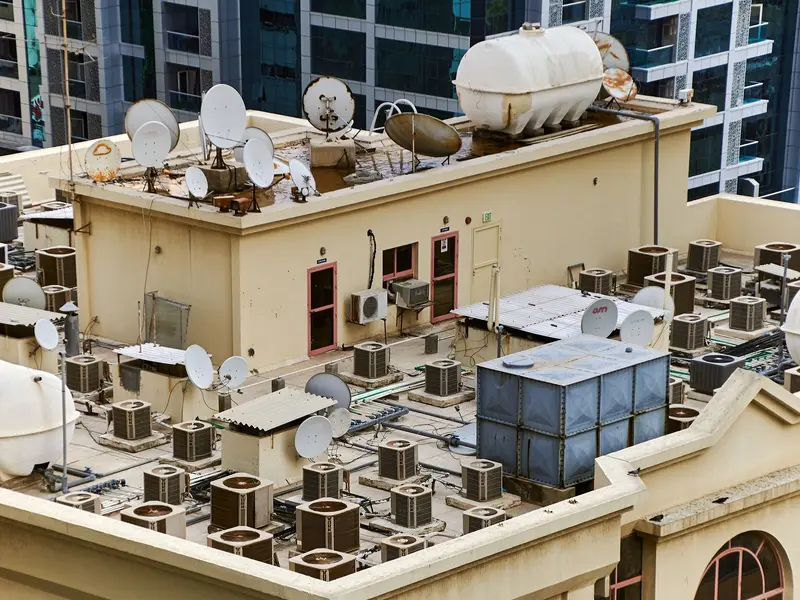
Air conditioning platforms
Air conditioning units on new buildings sit on side facades and can become additional perching points if not addressed early.
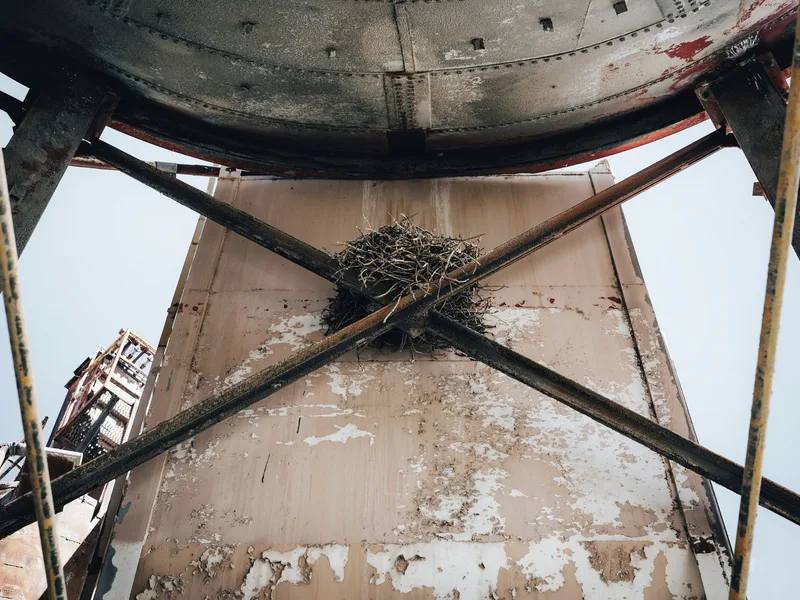
The nest itself
Nesting on new buildings starts early because ledges are clean and pigeons favour them over aged roofs elsewhere.
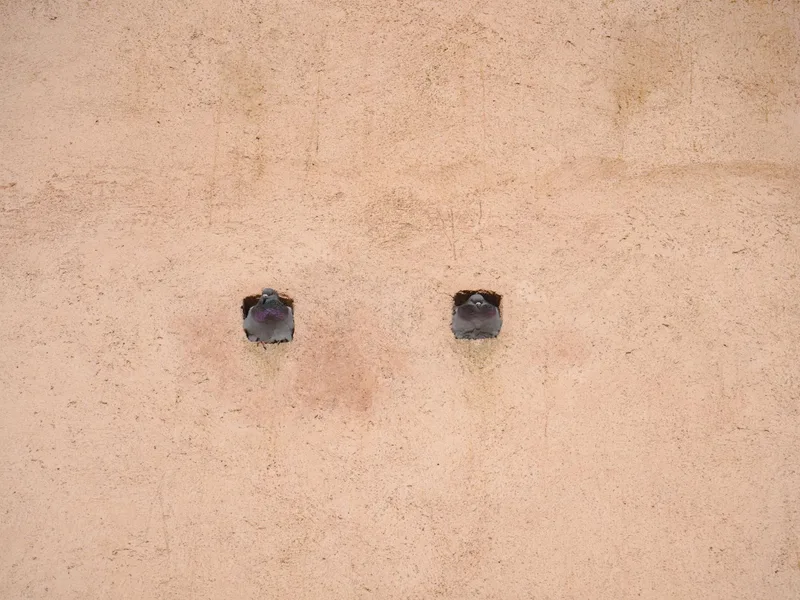
The droppings pattern
Droppings on fresh concrete ledges are highly visible because of the light colour, and attract more pigeons to the site.
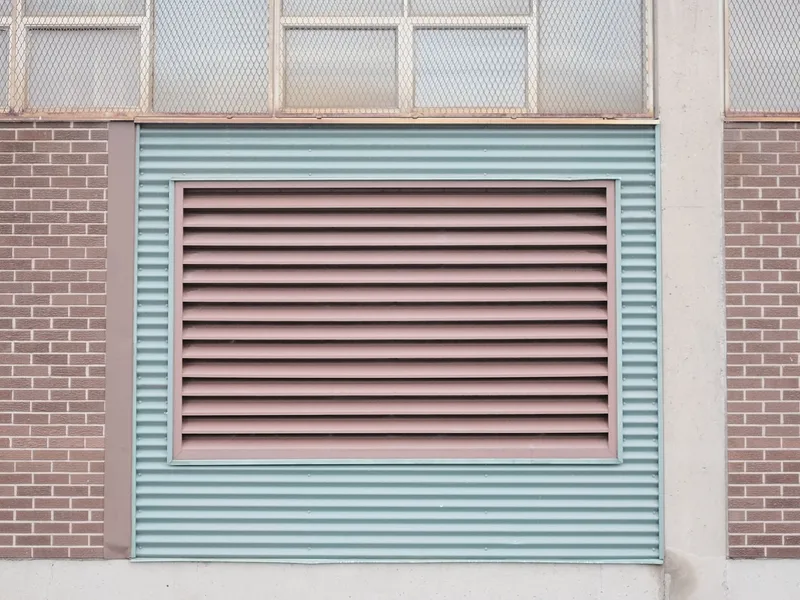
Openings and shafts
Openings and balconies on new buildings are complete before occupation and may allow pigeon entry before families move in.
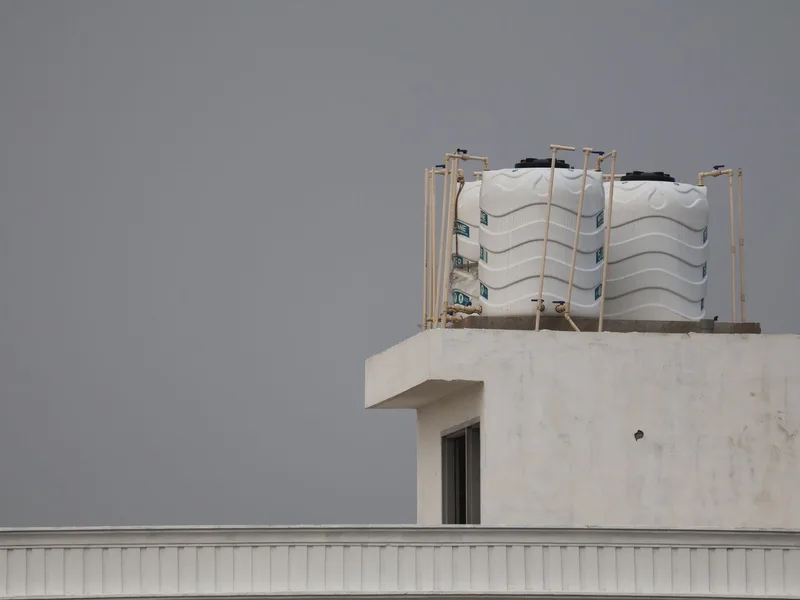
Around the roof tank
Roof tanks on new buildings are complete and robust, pigeons perch around them but the tank itself is well sealed.
How we work
-
1
Survey the roof and the facade
We walk the roof, the projections, the condenser platforms and the shafts, separate the nesting positions from the perching ones, and measure and photograph every ledge.
-
2
Strip the nests and treat the parasites
Droppings are wetted before they are lifted so nothing goes airborne dry, bagged closed, and the nest position is treated for ticks and mites before the surface is sanitised.
-
3
Close and fit
Netting tensioned on a perimeter wire with no gap at the corners, spikes or wire on the narrow projections, metal mesh across vents and shafts, and the roof drains freed of the nest material packing them.
-
4
The follow-up visit
We come back to check the tension, the corners and any position the flock has moved to, and correct what has slackened before a bird finds it.
What bird and pigeon control includes
-

A recorded survey
Every ledge, condenser platform and shaft, photographed, with nesting separated from perching before anything is chosen.
-

Nest removal and drain clearing
Lifted wet rather than swept dry, bagged closed, and the roof drains freed of the nest material packing them.
-

Parasite treatment and sanitising
The nest position treated for ticks and mites, then the surface the droppings sat on sanitised.
-

Sealing and fitting the deterrents
Netting tensioned on a perimeter wire, spikes or wire on narrow projections, and metal mesh across ventilation openings.
-

Aftercare instructions
The condensate water, food left on the roof, and what should not sit beside a ledge if the attraction is to stay gone.
-

A follow-up on tension and corners
Netting slackens and corners open over time; the visit corrects that and closes any new position.
Landmarks of Harat Al Bab Wa Al Shamiyah
Access to rooftops in Harat Al Bab Wa Al Shamiyah runs via the western entrance beside Al Shubaikah, where roads to new buildings are laid out. Deterrent fitting begins from ledges facing the Khalid ibn Al Walid Mosque and the zones immediately adjacent to the northern expansion courtyards.
- The Grand Mosque
- Northern expansion courtyards
- Jabal Hindi
- Rua Al Haram project
- Khalid ibn Al Walid Mosque
Questions about this district
Do pigeons come here from the northern expansion courtyards near the Grand Mosque?
Yes, enormous numbers of pigeons frequent the sanctuary environs and migrate to nearby districts. Open ground and construction sites provide both food and staging areas. New buildings in this zone become the pigeons' natural permanent nesting destination.
Vacant plots may stay empty for years. Should we start treatment now?
Yes, treating occupied buildings now stops pigeons settling before vacant land becomes a permanent food source. Every new household moving here needs treatment the moment they occupy the building.
Do pigeons move from construction and excavation sites to residential ledges?
Absolutely. Construction sites provide temporary shelter and scattered food. Once families occupy the new homes, pigeons migrate with them seeking safe nesting ledges on the buildings.
Should the whole district get treated at once rather than individual homes?
Pigeons move easily between nearby buildings. Treating current and incoming occupied buildings works better than treating the entire district. We focus on occupied homes first, then newly occupied buildings as they come online.
If vacant land keeps supplying pigeons, do we treat now or wait?
Start now. Vacant land will remain a food source, but treating new buildings immediately stops pigeons from settling on them as soon as occupation begins.
Will deterrents spoil the look of brand new buildings?
Deterrents fit to the ledge in a way that does not mar appearance. New buildings still under construction have not been finished anyway, and deterrents become part of the initial design.
How much does bird and pigeon control in Harat Al Bab Wa Al Shamiyah cost?
It is set after the inspection, because the price follows the type of infestation, the size of the space, how far it has spread and the number of visits it needs. Send a photo and a description on WhatsApp and we will give you an estimate before we reach Harat Al Bab Wa Al Shamiyah.
Nearby districts we cover
Other services in Harat Al Bab Wa Al Shamiyah
Other services we provide to residents of Harat Al Bab Wa Al Shamiyah.
-
 Residential
Cockroach control
Residential
Cockroach control
-
 Residential
Bed bug control
Residential
Bed bug control
-
 Residential
Termite control
Residential
Termite control
-
 Residential
Rodents and mice
Residential
Rodents and mice
-
 Residential
Mosquito control
Residential
Mosquito control
-
 Residential
Fly control
Residential
Fly control
-
 Residential
Ant control
Residential
Ant control
-
 Residential
Gecko control
Residential
Gecko control
-
 Residential
Scorpion control
Residential
Scorpion control
-
 Residential
Snake control
Residential
Snake control
-
 Residential
Flea control
Residential
Flea control
-
 Residential
Preventive treatment
Residential
Preventive treatment
-
 Residential
Disinfection
Residential
Disinfection
-
 Commercial
Annual contracts
Commercial
Annual contracts
-
 Commercial
Restaurants and cafes
Commercial
Restaurants and cafes
-
 Commercial
Hotels and apartments
Commercial
Hotels and apartments
-
 Commercial
Warehouses and factories
Commercial
Warehouses and factories
-
 Commercial
Schools and nurseries
Commercial
Schools and nurseries
-
 Commercial
Retail and malls
Commercial
Retail and malls
-
 Commercial
Rest houses and farms
Commercial
Rest houses and farms
-
 Commercial
Fumigation
Commercial
Fumigation
-
 Water tanks
Water tank cleaning
Water tanks
Water tank cleaning
-
 Water tanks
Water tank sterilization
Water tanks
Water tank sterilization
-
 Water tanks
Water tank sealing
Water tanks
Water tank sealing
-
 Water tanks
Tank leak repair
Water tanks
Tank leak repair
Need bird and pigeon control in Harat Al Bab Wa Al Shamiyah? Tell us what you saw and we will tell you what it needs
We reach Harat Al Bab Wa Al Shamiyah at a time we agree, and you get the full cost before we start.