
Bird and pigeon control in Al Haram Makkah
Al Haram is the Grand Mosque itself and the ring of massive hotels and vast plazas that surround it, alive every day with pilgrims and Umrah visitors moving through. Pigeons nest on the hotels and commercial buildings around the mosque and gather in the expansion courtyards. We remove nests from all the roofs and openings that encircle the Haram.
-
Targeted, not broadcast
Product goes into cracks and runways, never sprayed across open surfaces.
-
Told before we start
What we will use, where it goes, and what to cover or move before we arrive.
-
A follow-up visit
We return after the first treatment, because what survives it does not show on the day.
-
Homes and businesses
Apartments and villas, and kitchens and stores that need a record of each visit.
Why they keep coming back in Al Haram
Constant foot traffic and food available in hotels, restaurants and bakeries around the mosque keeps the pigeon population growing during peak seasons. Birds move between the mosque courtyards and the hotel roofs above them constantly. The method is set out in full on the full Bird and pigeon control page.
Open courtyards and hungry pigeons
The northern expansion courtyards are vast open spaces where millions of pilgrims walk every day. Pigeons hunt for leftover food in these courtyards, and the hotels surrounding them rise extremely high above them. We fit mesh to the openings on hotel roofs that look directly down onto the courtyards where food is scarce and pigeons concentrate.
Thousands of openings and gaps between towers
Hotels around the Haram have thousands of openings: balconies, light shafts, internal courtyards and gaps between roof structures. Pigeons nest in all these openings and gaps. We use heavy duty metal mesh and metal rails to seal every opening and every gap comprehensively.
Shops and restaurants feeding an endless stream of birds
Markets and restaurants on Al Masjid Al Haram Road and Umm Al Qura Road attract pigeons powerfully. Food is available around the clock and pigeons stay active constantly. We fit protective mesh to these shop facades to prevent pigeons from entering and perching.
The character of Al Haram
Commercial area: offices, showrooms and small stores
Al Haram is a densely packed commercial and hotel zone at the very core of the city. Pigeons find food, shelter and moisture in the same space: hotels provide roofs, openings and food from guests constantly.
The building decides which deterrent works
The Haram is framed by Jabal Abu Qubais to the east and Jabal Qaiqaan to the west, and the space is extremely tight. Hotels and commercial buildings are squeezed together by the limited area and the constant high demand from pilgrims. Humidity rises from the low lying ground and reflects off the surrounding stone.
Ledge width
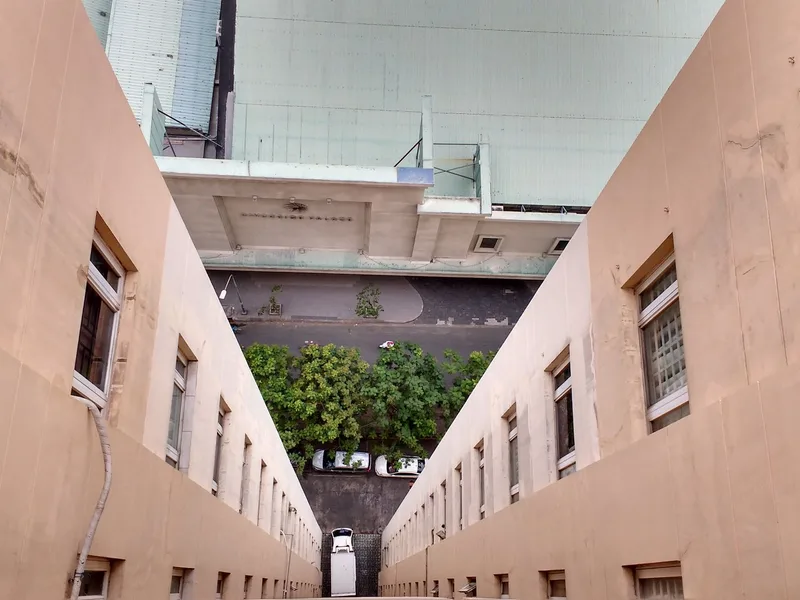
Hotel ledges around the Haram are very high and may be metal or thick concrete, so we use suspended mesh hung on extremely robust metal brackets fixed to the strong building structure.
Air conditioning platforms
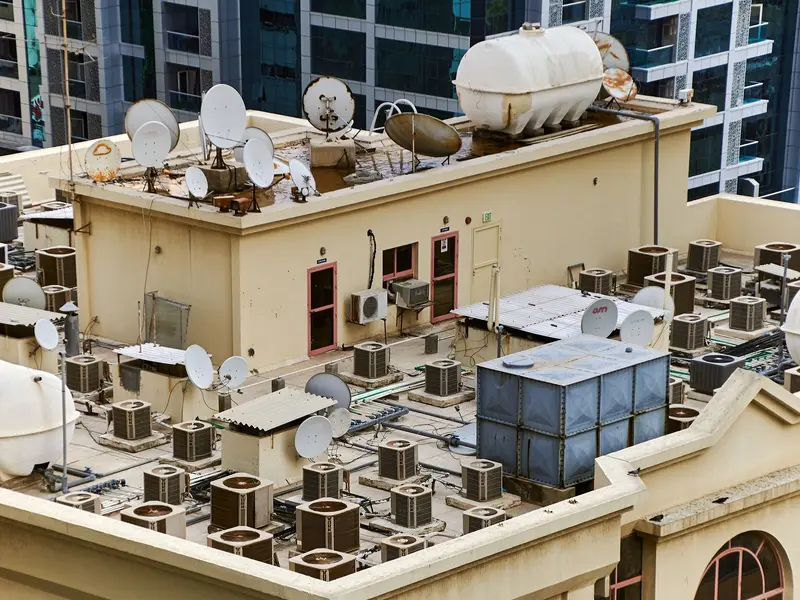
Massive hotel air conditioning units cover every facade and roofline. Pigeons perch on them for rest and warmth. We fit mesh below every unit, around every support pole and around water inlet pipes.
The nest itself
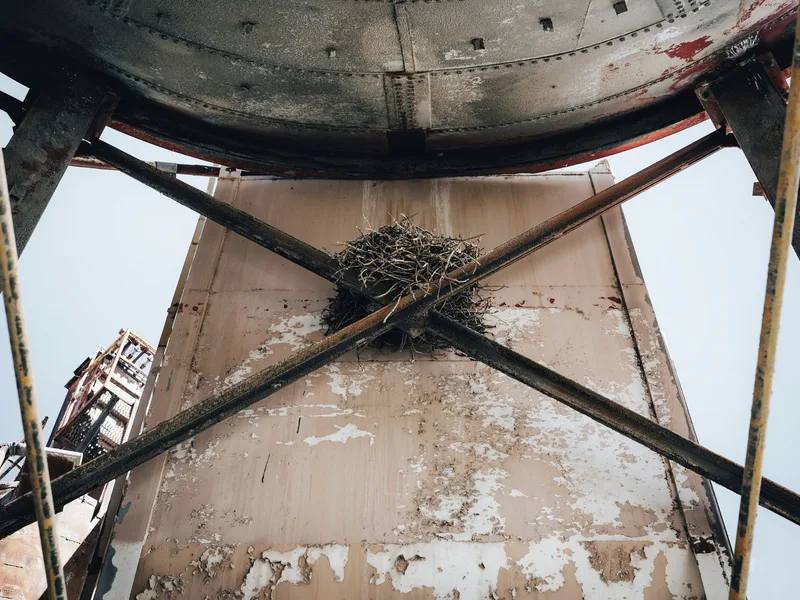
Nests in hotels shelter in cracks, corners, openings, under balconies and soffits, on window sills and behind building signs and logos on facades.
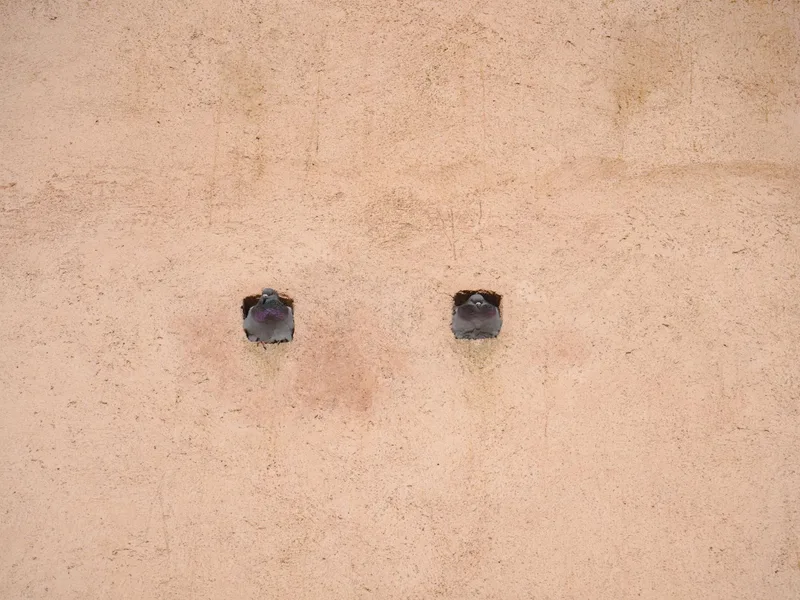
The droppings pattern
Droppings are heavy because pigeons spend long hours on roof and balcony spaces, hunting downward into windows and open spaces below for food dropped by guests.
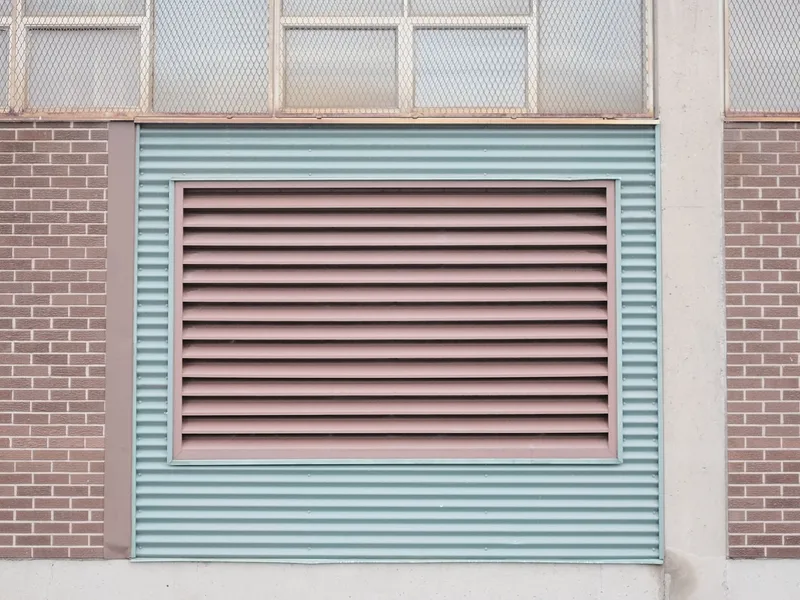
Openings and shafts
Openings on hotels and markets are numerous: windows, balconies, light shafts, ventilation vents and air intake openings. Each needs separate tailored treatment.
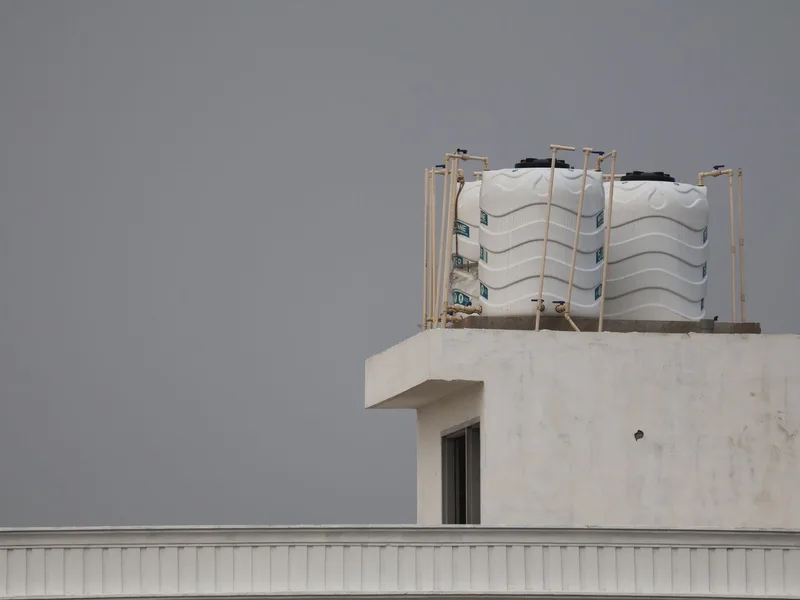
Around the roof tank
Water tanks and rooftop generators on hotel roofs are highly attractive to pigeons for drinking and resting, so we fit heavy duty mesh around both or enclose them with sealed panels.
How we work
-
1
Survey the roof and the facade
We walk the roof, the projections, the condenser platforms and the shafts, separate the nesting positions from the perching ones, and measure and photograph every ledge.
-
2
Strip the nests and treat the parasites
Droppings are wetted before they are lifted so nothing goes airborne dry, bagged closed, and the nest position is treated for ticks and mites before the surface is sanitised.
-
3
Close and fit
Netting tensioned on a perimeter wire with no gap at the corners, spikes or wire on the narrow projections, metal mesh across vents and shafts, and the roof drains freed of the nest material packing them.
-
4
The follow-up visit
We come back to check the tension, the corners and any position the flock has moved to, and correct what has slackened before a bird finds it.
What bird and pigeon control includes
-

A recorded survey
Every ledge, condenser platform and shaft, photographed, with nesting separated from perching before anything is chosen.
-

Nest removal and drain clearing
Lifted wet rather than swept dry, bagged closed, and the roof drains freed of the nest material packing them.
-

Parasite treatment and sanitising
The nest position treated for ticks and mites, then the surface the droppings sat on sanitised.
-

Sealing and fitting the deterrents
Netting tensioned on a perimeter wire, spikes or wire on narrow projections, and metal mesh across ventilation openings.
-

Aftercare instructions
The condensate water, food left on the roof, and what should not sit beside a ledge if the attraction is to stay gone.
-

A follow-up on tension and corners
Netting slackens and corners open over time; the visit corrects that and closes any new position.
What is different about Al Ghazza Sub-Municipality
Al Ghazza sub municipality wraps around the north and west of the Grand Mosque, from Al Shamiyah, Al Qararah and Shaib Amir round to Jarwal and Al Taysir. Large tracts were cleared for the northern expansion and the Rua Al Haram scheme, leaving excavated ground and open construction sites beside ageing blocks that now serve as dense seasonal lodgings in Jarwal and Al Taysir. Old flood paths still fall from Jabal Qaiqaan and Jabal Khandamah towards the mosque, and markets and eateries crowd Al Masjid Al Haram Road and Umm Al Qura Road.
Questions about this district
Is fitting mesh on Haram hotels permitted under Islamic law?
Yes. Protecting pilgrims and visitors from pigeon borne disease is a religious duty. We fit mesh in ways that do not interfere with prayer or circumambulation, usually on internal openings.
The open courtyards have no roof; where do we fit the deterrent?
The courtyards are surrounded by hotels with openings on every side. We fit mesh to the openings, balconies and facades that face the courtyards, working from inside the hotel buildings.
How long does it take to fit mesh across a large hotel?
A large hotel may take several weeks depending on the number of openings and complexity. We work at times that do not disturb guests or worshippers.
Do droppings contaminate the hotel and food supplies?
Yes. Droppings carry disease and parasites. Nest removal, thorough cleaning and fitting protect food stocks and guests comprehensively.
Do pigeons nest in open courtyards without roof shelter?
No. Pigeons need sheltered roosts away from wind and sun. Openings and windows are the primary nesting sites. Open courtyards attract pigeons to hunt for food only.
Do we need special permission from the Haram or the Islamic Waqf?
Yes. We coordinate with the Haram administration and the hotel. We fit in ways that preserve beauty, function and cleanliness.
How much does bird and pigeon control in Al Haram cost?
It is set after the inspection, because the price follows the type of infestation, the size of the space, how far it has spread and the number of visits it needs. Send a photo and a description on WhatsApp and we will give you an estimate before we reach Al Haram.
Nearby districts we cover
Other services in Al Haram
Other services we provide to residents of Al Haram.
-
 Residential
Cockroach control
Residential
Cockroach control
-
 Residential
Bed bug control
Residential
Bed bug control
-
 Residential
Termite control
Residential
Termite control
-
 Residential
Rodents and mice
Residential
Rodents and mice
-
 Residential
Mosquito control
Residential
Mosquito control
-
 Residential
Fly control
Residential
Fly control
-
 Residential
Ant control
Residential
Ant control
-
 Residential
Gecko control
Residential
Gecko control
-
 Residential
Scorpion control
Residential
Scorpion control
-
 Residential
Snake control
Residential
Snake control
-
 Residential
Flea control
Residential
Flea control
-
 Residential
Preventive treatment
Residential
Preventive treatment
-
 Residential
Disinfection
Residential
Disinfection
-
 Commercial
Annual contracts
Commercial
Annual contracts
-
 Commercial
Restaurants and cafes
Commercial
Restaurants and cafes
-
 Commercial
Hotels and apartments
Commercial
Hotels and apartments
-
 Commercial
Warehouses and factories
Commercial
Warehouses and factories
-
 Commercial
Schools and nurseries
Commercial
Schools and nurseries
-
 Commercial
Retail and malls
Commercial
Retail and malls
-
 Commercial
Rest houses and farms
Commercial
Rest houses and farms
-
 Commercial
Fumigation
Commercial
Fumigation
-
 Water tanks
Water tank cleaning
Water tanks
Water tank cleaning
-
 Water tanks
Water tank sterilization
Water tanks
Water tank sterilization
-
 Water tanks
Water tank sealing
Water tanks
Water tank sealing
-
 Water tanks
Tank leak repair
Water tanks
Tank leak repair
Need bird and pigeon control in Al Haram? Tell us what you saw and we will tell you what it needs
We reach Al Haram at a time we agree, and you get the full cost before we start.