
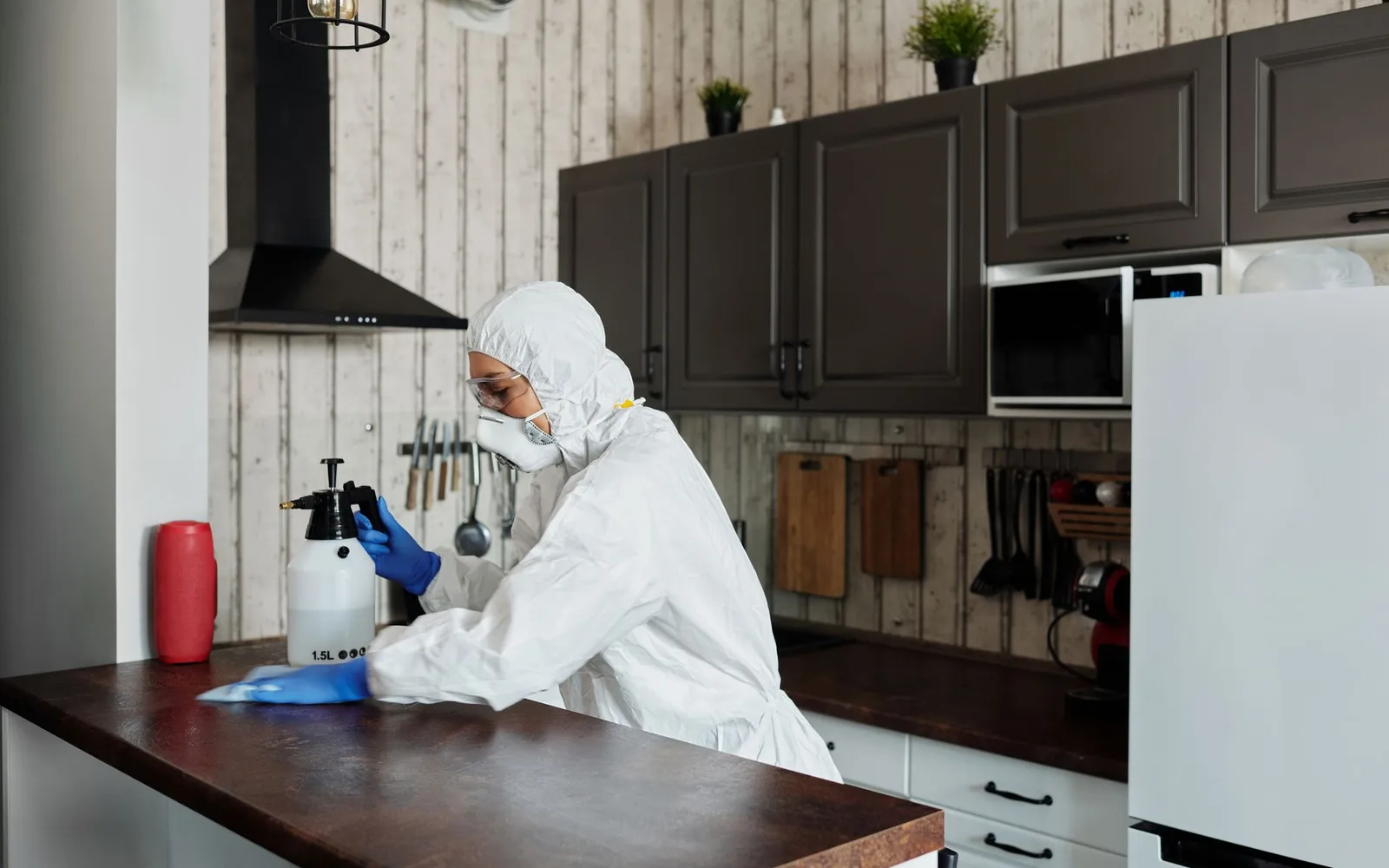
Disinfection in Al Adl Makkah
Al Adl is a dense apartment district on the Fourth Ring Road, with residential blocks and pilgrim housing closely packed and served by shared entrances and repeated floors. High seasonal footfall and densely stacked flats mean disinfection here is not the same job as a single house. The shared entry, stairs and lifts see daily high contact between residents, and moisture trapped between buildings means mould grows fast in still, humid zones.
-
Targeted, not broadcast
Product goes into cracks and runways, never sprayed across open surfaces.
-
Told before we start
What we will use, where it goes, and what to cover or move before we arrive.
-
A follow-up visit
We return after the first treatment, because what survives it does not show on the day.
-
Homes and businesses
Apartments and villas, and kitchens and stores that need a record of each visit.
Why they keep coming back in Al Adl
Surfaces on shared stairs and entry points gather dust and dirt from daily visitor traffic, and air circulation is poor in the tight passages between close-packed buildings where moisture lingers. The method is set out in full on what Disinfection involves.
The shared entry sees thousands in season
One entry door may be used by dozens of families or hundreds of seasonal visitors during Hajj, and stairs and lifts see very high contact rates. The disinfectant needs high concentration here because infection spreads hand to hand, and trapped moisture in these zones holds germs longer than open air would.
Repeated surfaces and uniform floor layouts
Floors are identical on each level and walls match exactly, sanitary traps in the same places in every unit. This means we treat each flat the same way per floor, but different flats may need different approaches depending on resident age and occupancy patterns, which makes residential data gathering important.
Still air trapped between close-packed buildings
Tall buildings pressed together block air flow and sun from entries and corridors; moisture pools and slows the drying of disinfectant. We need forced ventilation after disinfection or open windows in every flat to speed up evaporation and prevent the product lingering too long as wet film.
The character of Al Adl
Apartment district: residential blocks, repeated floors and shared entrances
Repeated flats in the block mean we treat each floor the same way, but shared entries, stairs and lifts carry much higher traffic between different families and seasonal guests, so they need greater focus and more frequent disinfection cycles than single-family dwellings elsewhere.
What we look at before the product is chosen
The district sits on King Faisal Road and the Fourth Ring Road between Jabal Al Nour and the holy sites, and seasonal traffic from pilgrims and visitors is very high, especially during the Hajj season when occupancy density peaks.
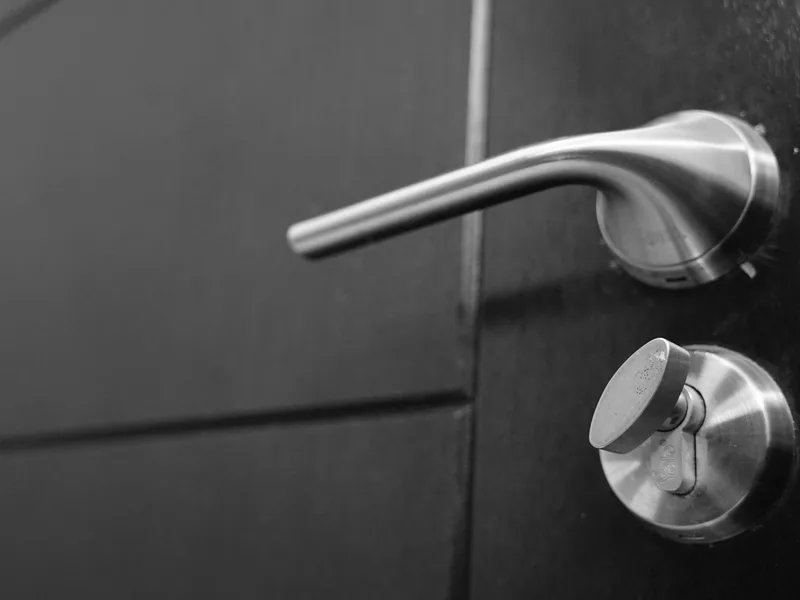
The touch points
Lift buttons, banisters and metal doors at entry are the highest touch points; disinfect them first and last, and they need daily attention during season.
Porous surfaces
Corridor and stair floors are smooth concrete but wall fittings and fine cracks trap germs inside, so we focus on edges and joints where moisture pools.
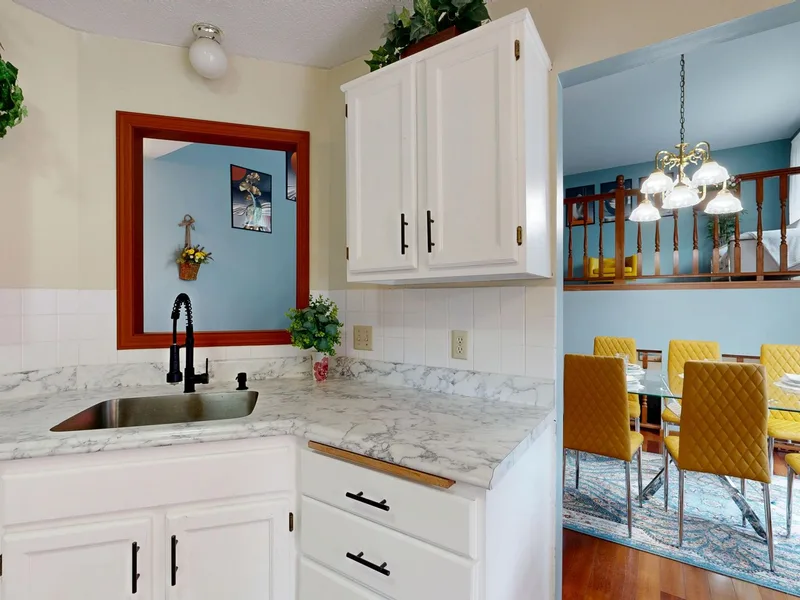
The finish itself
Glass doors and mirrors in the flat need careful handling; modern wall finishes do not tolerate strong disinfectant, so product choice depends on surface age and type.
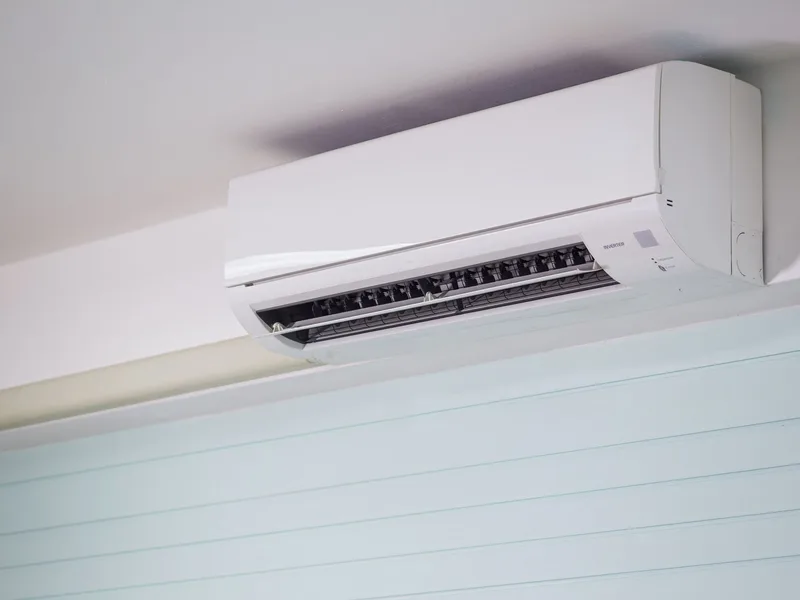
The air conditioning unit
Centralised air conditioning serving multiple flats may spread moisture and germs between units; inspect filters and ducting first so disinfection does not push contaminated air around.
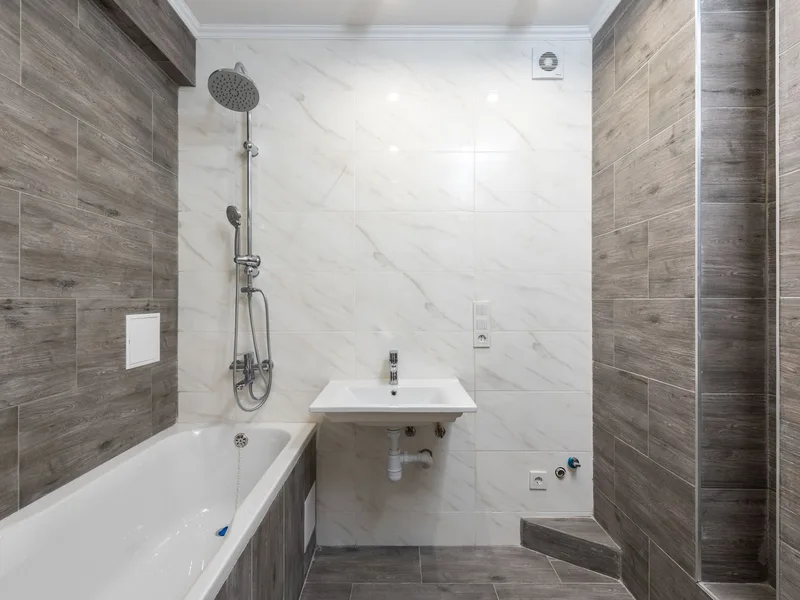
Floor traps
Floor traps in bathrooms and kitchens often clog with hair and grease; clearing them matters because smell and germs come from there, not from the worktop.
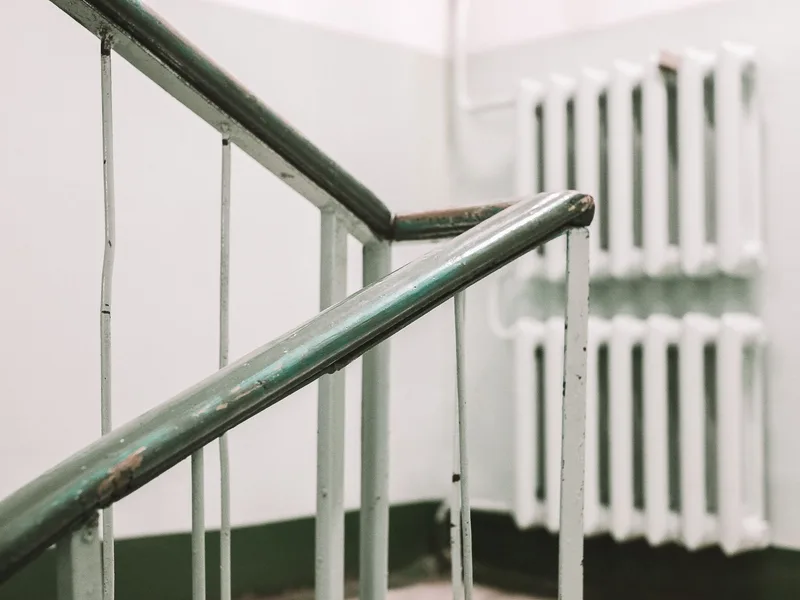
Shared entrances and stairs
The shared entry and stairs do not ventilate well between close-packed buildings; the disinfectant stays wet longer and smells linger in still air, so forced ventilation after treatment is essential.
How we work
-
1
Walk the space and list the surfaces
We go through the rooms and mark the touch points, the porous surfaces and the finishes, then ask what prompted the call: illness at home, moving into a new place, building work, or a smell that arrived out of nowhere.
-
2
Clean what we are about to treat
We take the film of dust and grease off the surfaces that are in scope, so the product reaches the surface itself. This is preparation for the treatment, not general house cleaning.
-
3
Apply it, and hold the contact time
Hand work on the touch points, a product matched to each surface, and the surface left visibly wet for as long as that material needs before it is dried off. Cold fogging comes last, for what a cloth cannot reach.
-
4
Ventilate and hand back
We open the place up, rinse food preparation surfaces with water, and tell you when each room goes back into use. We give you that timing on the call, because it changes with the product and the space.
What a disinfection visit includes
-

A surface and touch point survey
What gets treated, and with what, settled before anything is opened.
-

Soil off first, then the disinfectant
The greasy film comes off first, then a product that stays wet for the contact time it needs.
-

Floor traps and the air conditioning drain
Floor traps, sink outlets and the drain tray, which is where most smells actually begin.
-
Cold fogging for the space
For upward faces and corners a cloth never reaches, done as the last thing before we leave a room.
-

Ventilation and use instructions
What gets rinsed with water, what is left alone, and when each room goes back into use.
-

A scheduled repeat when it is needed
For shared entrances and places people pass through every day, because a disinfectant leaves nothing behind to stop the next contact.
What is different about Al Maabdah Sub-Municipality
Al Maabdah sub municipality climbs from Al Abtah and Al Jumayzah beside the Al Mualla cemetery up through Al Khansa and Rai Adhakhir to Al Adl, Jabal Al Nour, Wadi Jaleel and Qurtubah on the outer ring roads. It mixes hotels and pilgrim housing near the Grand Mosque with old popular houses on hillside passes, new housing schemes on valley floors that carry flash floods after rain, and industrial plots, workshops and warehouses along Al Hajj Street in Qurtubah. Street widening and expropriation leave partly demolished frontages in Al Khansa.
Questions about this district
Apartment blocks with shared entries: how often per season should the entry be disinfected?
One building entry may see hundreds of visitors daily during Hajj. We recommend daily or every-other-day disinfection of entries and stairs during peak season, and weekly or fortnightly during normal occupation otherwise.
Small flat, large family, very high daily foot traffic inside: is disinfection enough on its own?
Disinfection kills germs present now, but high daily activity brings fresh germs in. We recommend a quick daily clean and weekly or fortnightly disinfection. Bedding and clothes need frequent washing too to break the infection cycle.
Pilgrim housing: when should we disinfect between season and off-season?
Purpose-built pilgrim housing gets disinfected a week or two before the season to prepare for guests, and deeply again right after the season ends. During peak season, daily or every-other-day disinfection is usual if occupancy is high.
The lifts are small and crowded; are they the main infection point?
Yes, lifts are high-risk because people breathe trapped air and touch buttons and walls. We disinfect buttons, walls, ceiling and floor, and advise leaving lift doors slightly open between uses to refresh the air inside.
Close-packed flats: smells and sound travel between units; do germs travel the same way?
Shared air paths in ducting and openings may carry respiratory droplets, but not as directly as hand contact does. We focus on openings and gaps between units, and disinfect each flat's air conditioning outlet.
After disinfection, can the flat and lifts be used straight away or should residents wait?
Shared lifts and corridors should stay closed for an hour or two after disinfection until the product dries. Flats can open after an hour if windows are left open. Skipping this step cancels out the work done.
How much does disinfection in Al Adl cost?
It is set after the inspection, because the price follows the type of infestation, the size of the space, how far it has spread and the number of visits it needs. Send a photo and a description on WhatsApp and we will give you an estimate before we reach Al Adl.
Nearby districts we cover
Other services in Al Adl
Other services we provide to residents of Al Adl.
-
 Residential
Cockroach control
Residential
Cockroach control
-
 Residential
Bed bug control
Residential
Bed bug control
-
 Residential
Termite control
Residential
Termite control
-
 Residential
Rodents and mice
Residential
Rodents and mice
-
 Residential
Mosquito control
Residential
Mosquito control
-
 Residential
Fly control
Residential
Fly control
-
 Residential
Ant control
Residential
Ant control
-
 Residential
Gecko control
Residential
Gecko control
-
 Residential
Scorpion control
Residential
Scorpion control
-
 Residential
Snake control
Residential
Snake control
-
 Residential
Flea control
Residential
Flea control
-
 Residential
Bird and pigeon control
Residential
Bird and pigeon control
-
 Residential
Preventive treatment
Residential
Preventive treatment
-
 Commercial
Annual contracts
Commercial
Annual contracts
-
 Commercial
Restaurants and cafes
Commercial
Restaurants and cafes
-
 Commercial
Hotels and apartments
Commercial
Hotels and apartments
-
 Commercial
Warehouses and factories
Commercial
Warehouses and factories
-
 Commercial
Schools and nurseries
Commercial
Schools and nurseries
-
 Commercial
Retail and malls
Commercial
Retail and malls
-
 Commercial
Rest houses and farms
Commercial
Rest houses and farms
-
 Commercial
Fumigation
Commercial
Fumigation
-
 Water tanks
Water tank cleaning
Water tanks
Water tank cleaning
-
 Water tanks
Water tank sterilization
Water tanks
Water tank sterilization
-
 Water tanks
Water tank sealing
Water tanks
Water tank sealing
-
 Water tanks
Tank leak repair
Water tanks
Tank leak repair
Need disinfection in Al Adl? Tell us what you saw and we will tell you what it needs
We reach Al Adl at a time we agree, and you get the full cost before we start.