
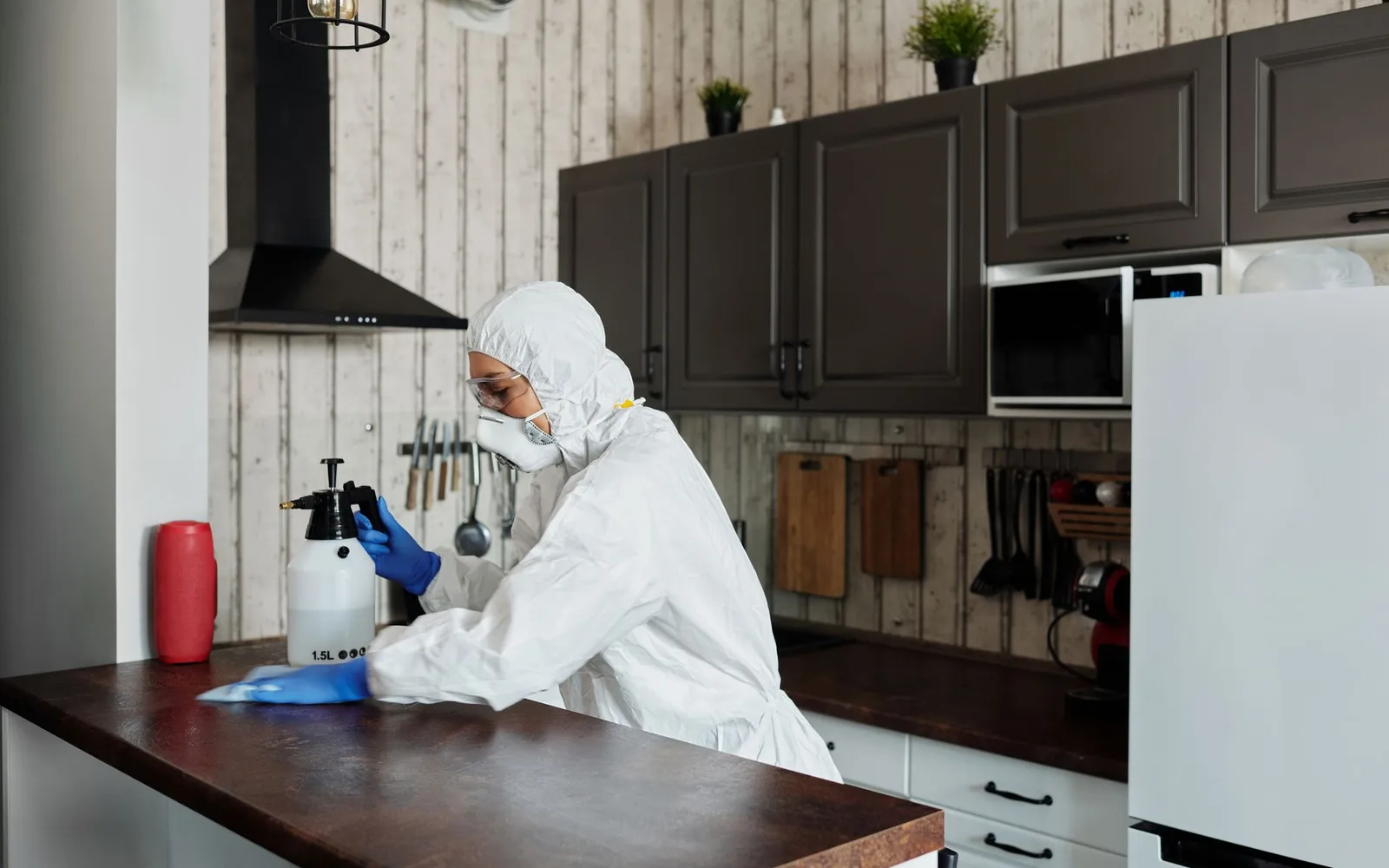
Disinfection in Al Qararah Wa Al Naqa Makkah
Al Qararah Wa Al Naqa blends old homes, vacant land and active building sites, so dust enters from every direction and moisture persists from the mosque and cemeteries nearby. Disinfection here demands an understanding of how contamination moves through a patchwork of old and new construction. The ground is unsettled and the air carries both dust and salt moisture.
-
Targeted, not broadcast
Product goes into cracks and runways, never sprayed across open surfaces.
-
Told before we start
What we will use, where it goes, and what to cover or move before we arrive.
-
A follow-up visit
We return after the first treatment, because what survives it does not show on the day.
-
Homes and businesses
Apartments and villas, and kitchens and stores that need a record of each visit.
Why they keep coming back in Al Qararah Wa Al Naqa
Homes closest to the mosque hold persistently higher humidity than the average, and dwellings next to building work receive fine dust that continues for months after each phase completes. The method is set out in full on Disinfection in detail.
Dust from vacant ground and continuous construction sites
Exposed land around the homes sends fine dust through windows and small gaps in new construction. This dust settles on every surface and builds a layer that blocks the disinfectant from reaching the substrate. Disinfection here demands thorough cleaning first to strip away accumulated dust, not a quick wipe. The product cannot work through the film.
Persistent moisture from the mosque, cemeteries and excavation water
The district absorbs moisture from several sources: the mosque itself, nearby burial grounds and groundwater released by ongoing excavation. This persistent dampness means surfaces do not dry quickly after treatment, which may reduce the contact time the disinfectant needs. We select products rated for high-humidity environments and adjust dwell times accordingly.
Proximity to old lanes, new builds and major redevelopment projects
Old homes standing next to active building work and the large Rua Al Haram project means contamination arrives from multiple directions. Old pipework absorbs moisture from new excavations; new properties still have incomplete seals and open gaps. Disinfection must target floor traps and drainage outlets with particular care, since that is where this mix of sources concentrates.
Al Qararah Wa Al Naqa on the map
Al Qararah Wa Al Naqa sits about 0.5 km from Shaib Amir Wa Shaib Ali and about 0.5 km from Harat Al Bab Wa Al Shamiyah.
Open in Google MapsWhat we look at before the product is chosen
The district sits east of the Grand Mosque with cemeteries to the south, packed homes next to open ground and ongoing excavations. Humidity and dust arrive together through every opening and from multiple sources around the perimeter.
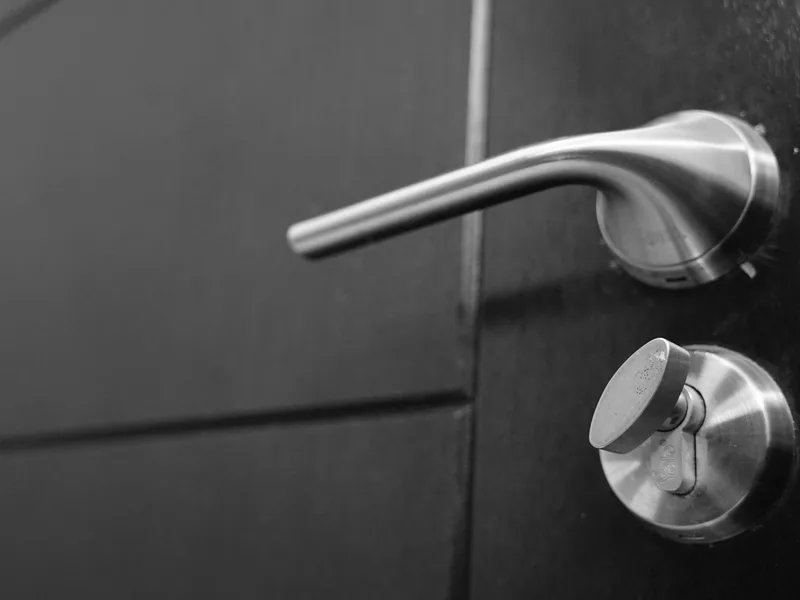
The touch points
Touch points here are exposed to continuous dust from the bare ground, so they need deep cleaning before disinfection, not just a quick wipe with a cloth.
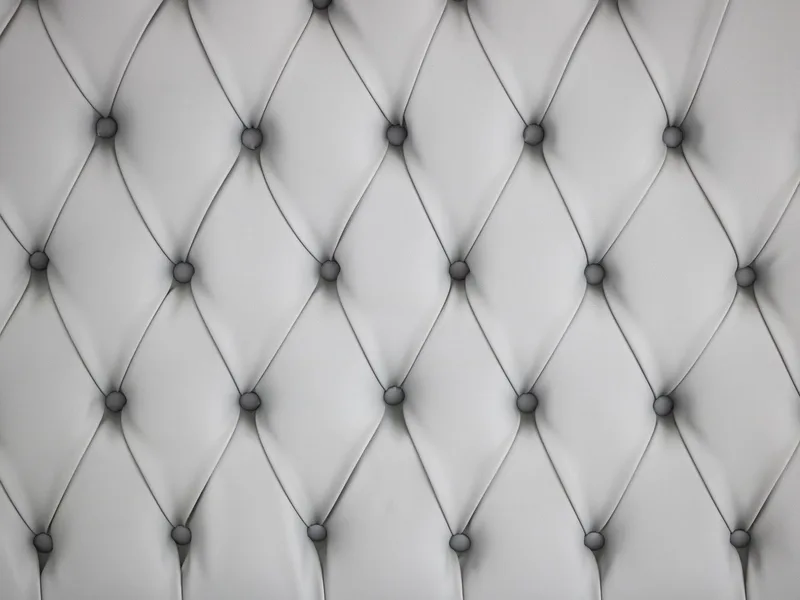
Porous surfaces
Porous surfaces in new homes have tiny pits from the building process, and dust embeds itself deeper than it does in older dwellings, so the cleaning phase takes longer.
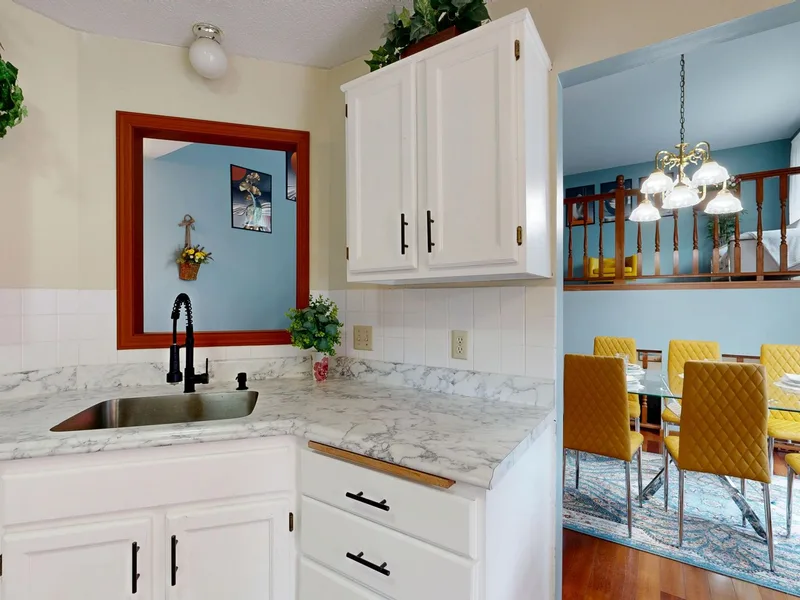
The finish itself
Newly finished surfaces in modern villas may not yet be fully sealed, so we select products that leave no visible residue or marks on fresh paint and plaster.
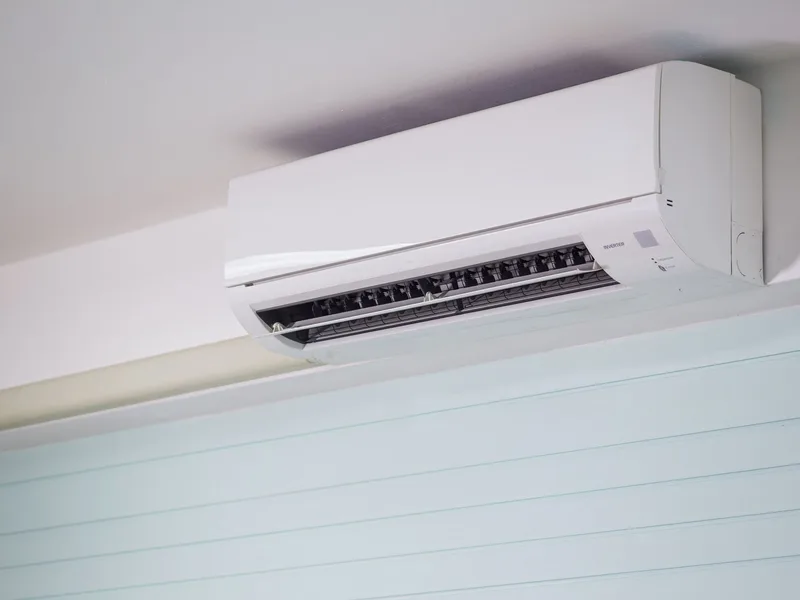
The air conditioning unit
Air conditioning units in this district collect more dust because exposed excavations surrounding the homes release fine particles that enter intake filters constantly.
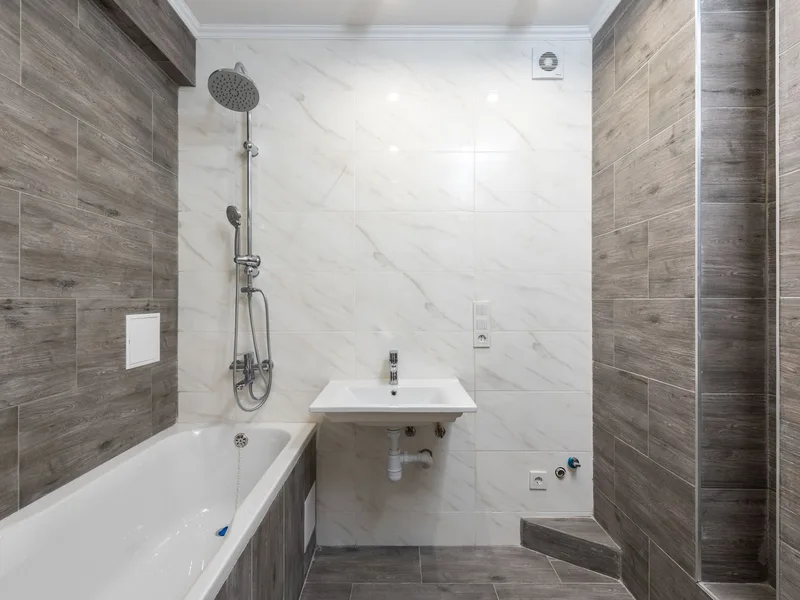
Floor traps
Floor traps require frequent cleaning here because groundwater from nearby excavations carries silt and particulates that settle and block the trap over time.
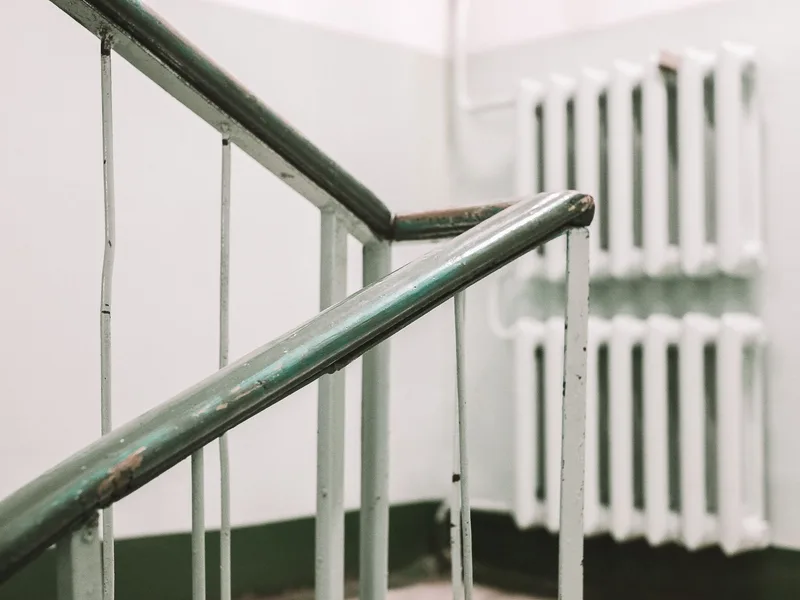
Shared entrances and stairs
Shared entrances and stairs in new apartment blocks collect dust from ongoing dig work around the buildings and need disinfection every month to six weeks during active construction.
How we work
-
1
Walk the space and list the surfaces
We go through the rooms and mark the touch points, the porous surfaces and the finishes, then ask what prompted the call: illness at home, moving into a new place, building work, or a smell that arrived out of nowhere.
-
2
Clean what we are about to treat
We take the film of dust and grease off the surfaces that are in scope, so the product reaches the surface itself. This is preparation for the treatment, not general house cleaning.
-
3
Apply it, and hold the contact time
Hand work on the touch points, a product matched to each surface, and the surface left visibly wet for as long as that material needs before it is dried off. Cold fogging comes last, for what a cloth cannot reach.
-
4
Ventilate and hand back
We open the place up, rinse food preparation surfaces with water, and tell you when each room goes back into use. We give you that timing on the call, because it changes with the product and the space.
What a disinfection visit includes
-

A surface and touch point survey
What gets treated, and with what, settled before anything is opened.
-

Soil off first, then the disinfectant
The greasy film comes off first, then a product that stays wet for the contact time it needs.
-

Floor traps and the air conditioning drain
Floor traps, sink outlets and the drain tray, which is where most smells actually begin.
-
Cold fogging for the space
For upward faces and corners a cloth never reaches, done as the last thing before we leave a room.
-

Ventilation and use instructions
What gets rinsed with water, what is left alone, and when each room goes back into use.
-

A scheduled repeat when it is needed
For shared entrances and places people pass through every day, because a disinfectant leaves nothing behind to stop the next contact.
The character of Al Qararah Wa Al Naqa
New development: ongoing construction and vacant plots between the homes
Active construction and vacant land mean contamination does not originate only from inside the home, but drifts in continuously from outside. Disinfection is temporary protection here rather than a lasting solution until the surrounding building work ends, after which the need drops sharply.
Questions about this district
Construction and excavation around the house continues every day. When should we disinfect?
Homes surrounded by active excavation should be disinfected after major building phases finish, not during them. We recommend an initial disinfection once the house is occupied, then a final treatment after nearby construction ends. During active building work, cleaning floor traps and drainage points matters more than disinfection itself, since those will be re-contaminated daily.
Humidity is very high but the disinfectant dries fast anyway. Why and what should we do?
This is common near the mosque: surrounding dampness and hot air can dry treated surfaces quickly despite the wet air. We use higher concentrations and allow longer contact time before wiping. Repeated disinfection may be needed during summer months, or we switch to products designed for humid climates.
Does the dust from vacant plots make disinfection less effective?
Yes, dust creates a physical barrier between the disinfectant and the surface beneath. That is why thorough cleaning before disinfection is essential here. We may need steam cleaning or deep scrubbing in the areas most exposed to dust accumulation, especially thresholds and windowsills.
A brand new villa with bare land all around it. How many times per year should we disinfect?
New villas on open ground need disinfection every two to three months during the first year. After that, the frequency drops as excavation around the district slows. We can add extra treatments before guests arrive or ahead of celebrations, or reduce frequency once building work visibly stops.
Do the smells from excavation, silt and groundwater need different treatment?
Smells from dig sites, silt and groundwater differ from standard contamination. We treat floor traps and drainage systems separately because most of these odours originate there, not from surfaces. Standard surface disinfection alone will not eliminate them.
Do small gaps and cracks from new construction need separate treatment?
Small openings from building work and excavation allow dust and insects to enter. We cannot seal these gaps, but we concentrate disinfection on interior surfaces. Once building finishes, we recommend targeted treatment of small cracks before final surface finishing is complete, to prevent re-colonisation.
How much does disinfection in Al Qararah Wa Al Naqa cost?
It is set after the inspection, because the price follows the type of infestation, the size of the space, how far it has spread and the number of visits it needs. Send a photo and a description on WhatsApp and we will give you an estimate before we reach Al Qararah Wa Al Naqa.
Nearby districts we cover
Other services in Al Qararah Wa Al Naqa
Other services we provide to residents of Al Qararah Wa Al Naqa.
-
 Residential
Cockroach control
Residential
Cockroach control
-
 Residential
Bed bug control
Residential
Bed bug control
-
 Residential
Termite control
Residential
Termite control
-
 Residential
Rodents and mice
Residential
Rodents and mice
-
 Residential
Mosquito control
Residential
Mosquito control
-
 Residential
Fly control
Residential
Fly control
-
 Residential
Ant control
Residential
Ant control
-
 Residential
Gecko control
Residential
Gecko control
-
 Residential
Scorpion control
Residential
Scorpion control
-
 Residential
Snake control
Residential
Snake control
-
 Residential
Flea control
Residential
Flea control
-
 Residential
Bird and pigeon control
Residential
Bird and pigeon control
-
 Residential
Preventive treatment
Residential
Preventive treatment
-
 Commercial
Annual contracts
Commercial
Annual contracts
-
 Commercial
Restaurants and cafes
Commercial
Restaurants and cafes
-
 Commercial
Hotels and apartments
Commercial
Hotels and apartments
-
 Commercial
Warehouses and factories
Commercial
Warehouses and factories
-
 Commercial
Schools and nurseries
Commercial
Schools and nurseries
-
 Commercial
Retail and malls
Commercial
Retail and malls
-
 Commercial
Rest houses and farms
Commercial
Rest houses and farms
-
 Commercial
Fumigation
Commercial
Fumigation
-
 Water tanks
Water tank cleaning
Water tanks
Water tank cleaning
-
 Water tanks
Water tank sterilization
Water tanks
Water tank sterilization
-
 Water tanks
Water tank sealing
Water tanks
Water tank sealing
-
 Water tanks
Tank leak repair
Water tanks
Tank leak repair
Need disinfection in Al Qararah Wa Al Naqa? Tell us what you saw and we will tell you what it needs
We reach Al Qararah Wa Al Naqa at a time we agree, and you get the full cost before we start.