
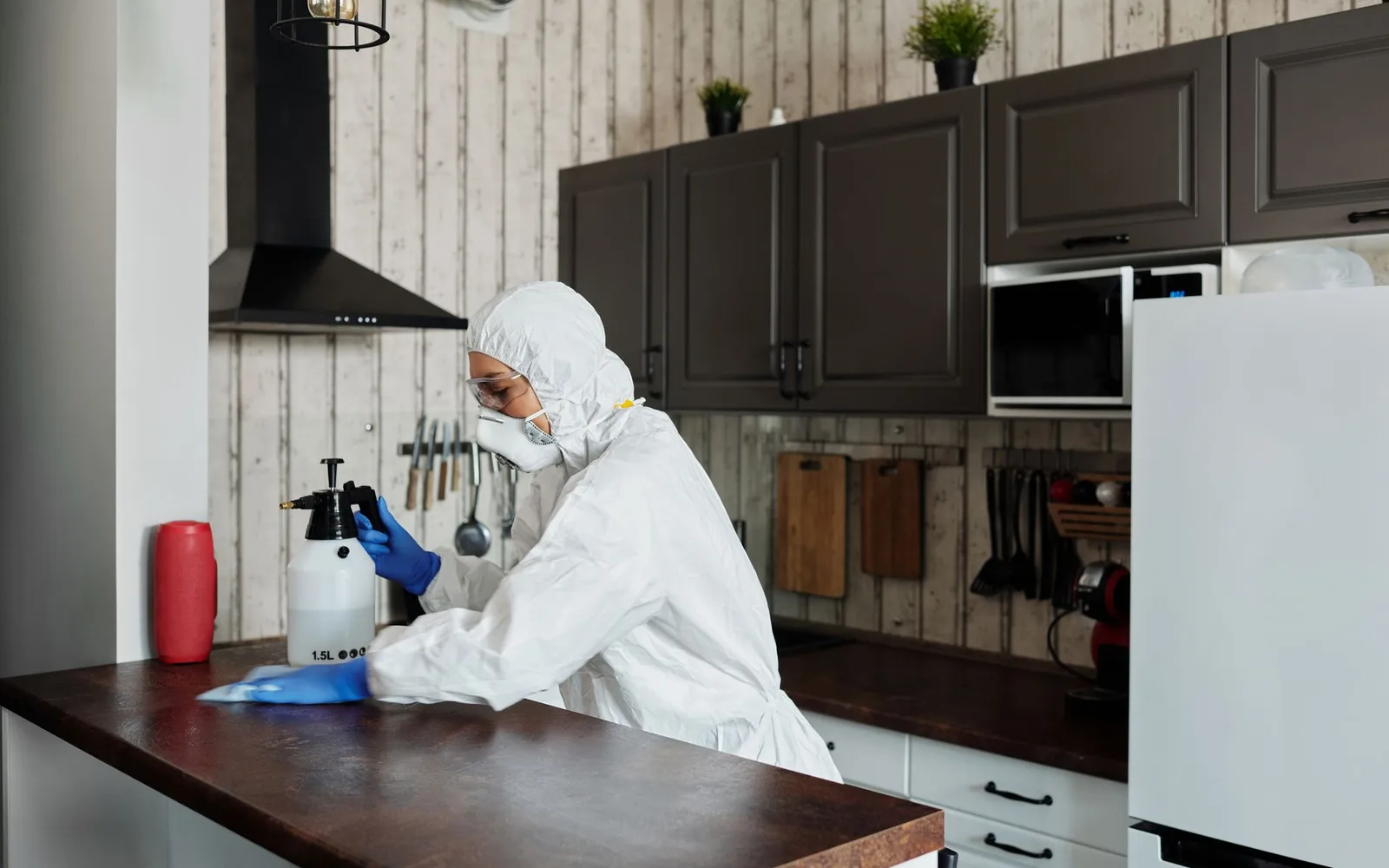
Disinfection in Al Rehab Jeddah
Al Rehab is a large district where shops occupy ground floors and residential buildings rise above them, alongside University of Jeddah colleges and busy markets. Disinfection here covers multiple-use spaces that see heavy daily foot traffic, from commercial surfaces through shared passages and stairs between every floor.
-
Targeted, not broadcast
Product goes into cracks and runways, never sprayed across open surfaces.
-
Told before we start
What we will use, where it goes, and what to cover or move before we arrive.
-
A follow-up visit
We return after the first treatment, because what survives it does not show on the day.
-
Homes and businesses
Apartments and villas, and kitchens and stores that need a record of each visit.
Why they keep coming back in Al Rehab
Shared passages, lifts and lobbies see continuous movement of university staff, office workers, residents and customers, multiplying the points of repeated contact that gather contamination. The method is set out in full on what Disinfection involves.
Heavy traffic between shops and homes
Ground floor shops draw customers all day, and the residential building above uses the same entrances, lifts and stairs. Contamination travels from the street into residential units through these shared spaces, demanding routine treatment at these exact points where cross-traffic occurs.
Mixed surfaces and varied building ages
Some blocks are new and others older, meaning surfaces range from glossy tiled finishes to aged paintwork and various metals. Disinfectant must be matched to each surface type to ensure effectiveness without damaging the material underneath.
Humidity from centralised cooling systems
Modern residential blocks have central air conditioning that moves moisture and contaminants through shared passages. Floor traps and drainage outlets need separate treatment to stop smells and bacteria returning through the system.
The character of Al Rehab
Mixed district: shops at street level with homes above them
In a mixed district like Al Rehab, disinfection is not limited to individual flats but includes spaces shared between residents, customers and workers. Commercial shops draw heavy daily traffic, and surfaces that multiple user groups touch become a shared responsibility. This raises the scale of treatment and the frequency needed.
What we look at before the product is chosen
The district sits on King Abdullah Road between Al Arbaeen Street and Prince Majid Road, densely built with shops, offices and residential blocks standing closely together in multiple storeys.
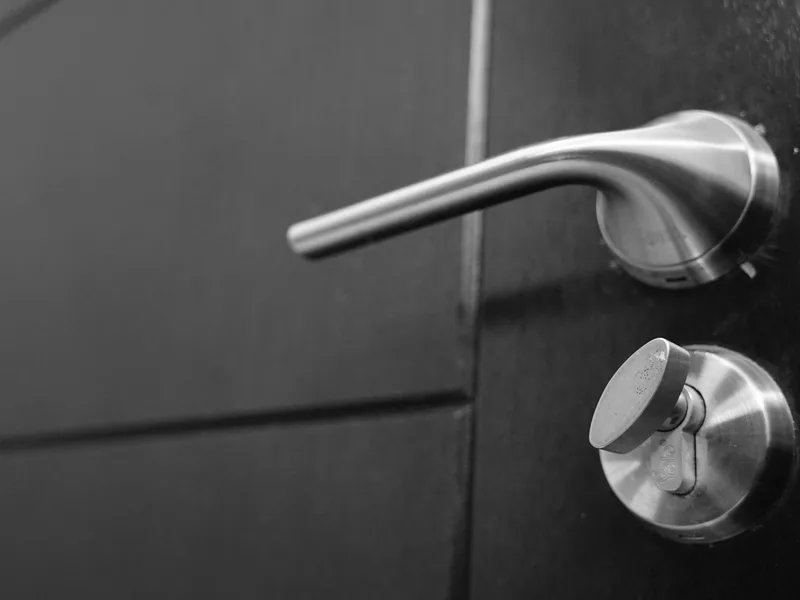
The touch points
Touch points in shared passages, lifts and entrances receive constant contact from customers, staff and residents, requiring careful attention to door handles, railings, lift buttons and surfaces where hands meet the building daily.
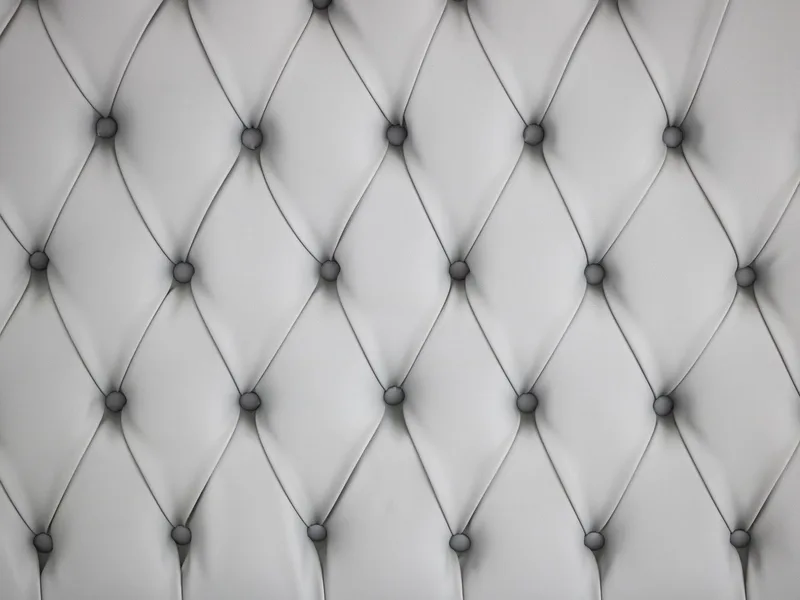
Porous surfaces
Porous surfaces in passages, stairs and floor finishes need deep cleaning first to remove dust and dirt, especially in high-traffic zones where contamination accumulates in texture and crevices.
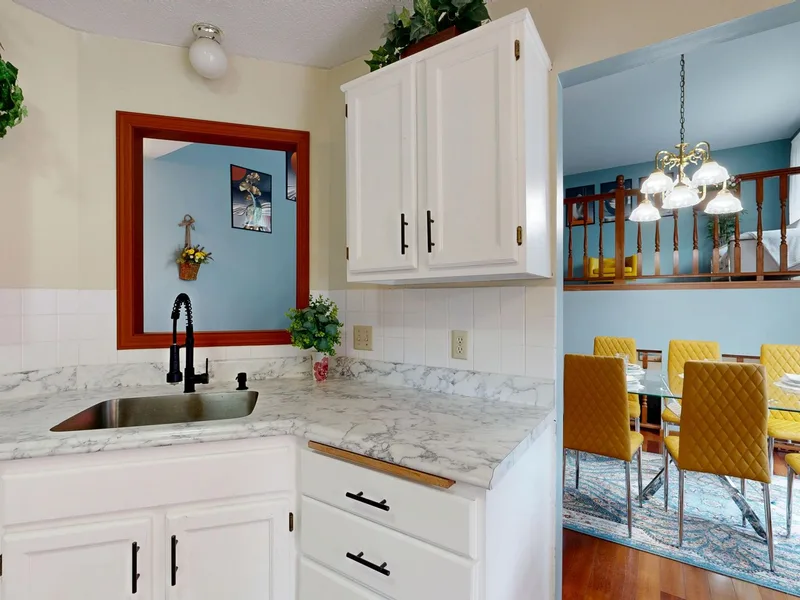
The finish itself
Different finishes between new and older blocks require careful product selection that will not damage aged paint yet will not leave streaks or residue on modern glossy surfaces.
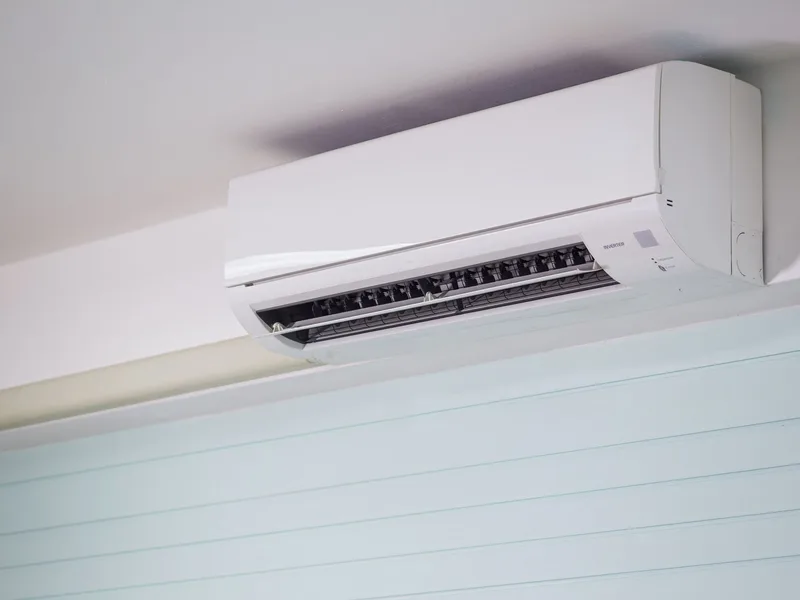
The air conditioning unit
Central air conditioning systems in large blocks distribute humidity through shared passages, increasing the need for separate treatment of drainage outlets and upper-level passages where condensation pools.
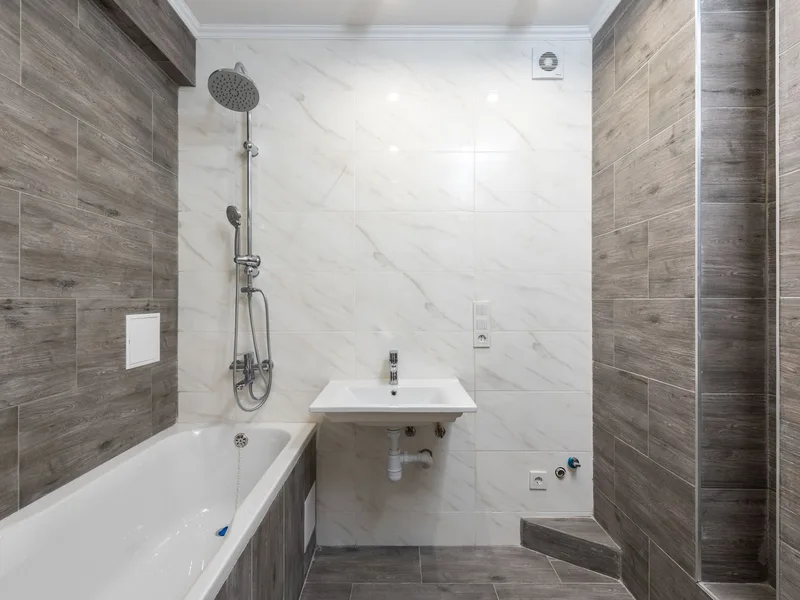
Floor traps
Floor traps in passages and shared bathrooms need isolated treatment because they are a primary source of returning smells and bacteria, especially in older buildings where pipes run close together.
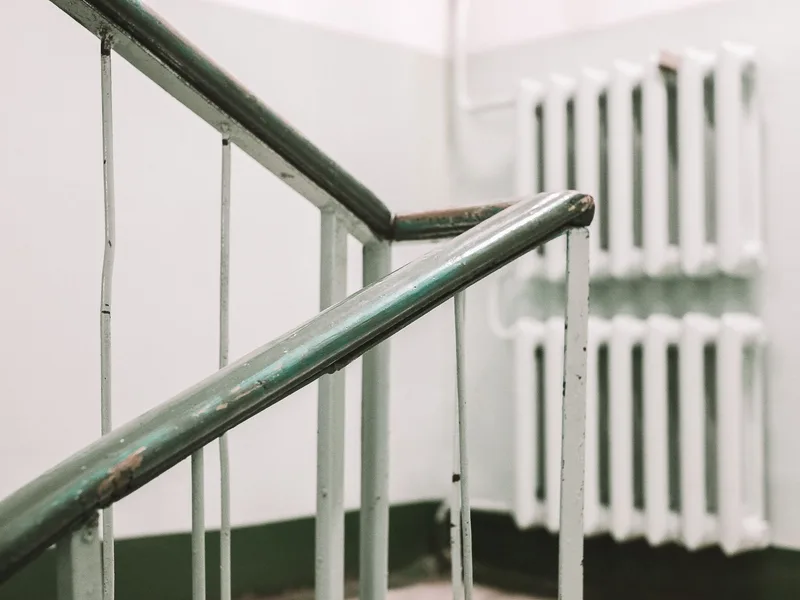
Shared entrances and stairs
Shared stairs and passages in residential blocks need careful treatment because they are where separate flats meet and where contamination travels between units and from street level upward.
How we work
-
1
Walk the space and list the surfaces
We go through the rooms and mark the touch points, the porous surfaces and the finishes, then ask what prompted the call: illness at home, moving into a new place, building work, or a smell that arrived out of nowhere.
-
2
Clean what we are about to treat
We take the film of dust and grease off the surfaces that are in scope, so the product reaches the surface itself. This is preparation for the treatment, not general house cleaning.
-
3
Apply it, and hold the contact time
Hand work on the touch points, a product matched to each surface, and the surface left visibly wet for as long as that material needs before it is dried off. Cold fogging comes last, for what a cloth cannot reach.
-
4
Ventilate and hand back
We open the place up, rinse food preparation surfaces with water, and tell you when each room goes back into use. We give you that timing on the call, because it changes with the product and the space.
What a disinfection visit includes
-

A surface and touch point survey
What gets treated, and with what, settled before anything is opened.
-

Soil off first, then the disinfectant
The greasy film comes off first, then a product that stays wet for the contact time it needs.
-

Floor traps and the air conditioning drain
Floor traps, sink outlets and the drain tray, which is where most smells actually begin.
-
Cold fogging for the space
For upward faces and corners a cloth never reaches, done as the last thing before we leave a room.
-

Ventilation and use instructions
What gets rinsed with water, what is left alone, and when each room goes back into use.
-

A scheduled repeat when it is needed
For shared entrances and places people pass through every day, because a disinfectant leaves nothing behind to stop the next contact.
Landmarks of Al Rehab
Al Rehab stretches between King Abdullah Road and several district boundaries; we reach shops and blocks easily via Al Arbaeen Street or Prince Majid Road. We prioritise zones of high commercial and residential density, particularly around University of Jeddah facilities and the main market areas.
- King Abdullah Road
- Al Arbaeen Street
- Palestine Street
- University of Jeddah (Al Rehab campus)
- Al Ahli Club
- Prince Majid Road
Questions about this district
Will disinfectant damage the shiny modern tiles and paint on new buildings?
Modern disinfectants are safe for glossy and glass surfaces; we always test first. We apply the product and leave it wet for the required time without excess, ensuring effectiveness without side effects or residue.
Should shared passages, lifts and stairs be disinfected as part of the service?
Yes, passages, lifts and stairs are essential because they are constant touch points for residents and visitors. We focus on door handles, lift buttons, railings and floor surfaces where contamination builds up daily.
Must the ground floor shop and flat above be disinfected at the same time?
Separate treatment at coordinated times works best because the shop has higher footfall. If you prefer a unified approach, we treat shared spaces and the lift first, then each unit separately to avoid cross-contamination.
How often should Al Rehab district receive routine disinfection through the year?
Frequency depends on use. Shops and shared passages may need monthly or seasonal treatment. Residential flats usually need annual disinfection or more if circumstances change or high-traffic periods occur.
Does disinfectant harm outdoor furniture and decoration?
Safe disinfectants do not damage furniture or decor; we recommend removing or protecting sensitive items beforehand. The products are safe for common surfaces, fabric and leather at appropriate dilutions and application times.
Do cooking smells and odours from ground floor food shops seep into upper flats?
Yes, especially from food shops and restaurants. Disinfection reduces contaminants in shared spaces, but keeping doors closed and improving ventilation also helps isolate smells from spreading vertically through the building.
How much does disinfection in Al Rehab cost?
It is set after the inspection, because the price follows the type of infestation, the size of the space, how far it has spread and the number of visits it needs. Send a photo and a description on WhatsApp and we will give you an estimate before we reach Al Rehab.
Nearby districts we cover
Other services in Al Rehab
Other services we provide to residents of Al Rehab.
-
 Residential
Cockroach control
Residential
Cockroach control
-
 Residential
Bed bug control
Residential
Bed bug control
-
 Residential
Termite control
Residential
Termite control
-
 Residential
Rodents and mice
Residential
Rodents and mice
-
 Residential
Mosquito control
Residential
Mosquito control
-
 Residential
Fly control
Residential
Fly control
-
 Residential
Ant control
Residential
Ant control
-
 Residential
Gecko control
Residential
Gecko control
-
 Residential
Scorpion control
Residential
Scorpion control
-
 Residential
Snake control
Residential
Snake control
-
 Residential
Flea control
Residential
Flea control
-
 Residential
Bird and pigeon control
Residential
Bird and pigeon control
-
 Residential
Preventive treatment
Residential
Preventive treatment
-
 Commercial
Annual contracts
Commercial
Annual contracts
-
 Commercial
Restaurants and cafes
Commercial
Restaurants and cafes
-
 Commercial
Hotels and apartments
Commercial
Hotels and apartments
-
 Commercial
Warehouses and factories
Commercial
Warehouses and factories
-
 Commercial
Schools and nurseries
Commercial
Schools and nurseries
-
 Commercial
Retail and malls
Commercial
Retail and malls
-
 Commercial
Rest houses and farms
Commercial
Rest houses and farms
-
 Commercial
Fumigation
Commercial
Fumigation
-
 Water tanks
Water tank cleaning
Water tanks
Water tank cleaning
-
 Water tanks
Water tank sterilization
Water tanks
Water tank sterilization
-
 Water tanks
Water tank sealing
Water tanks
Water tank sealing
-
 Water tanks
Tank leak repair
Water tanks
Tank leak repair
Need disinfection in Al Rehab? Tell us what you saw and we will tell you what it needs
We reach Al Rehab at a time we agree, and you get the full cost before we start.