
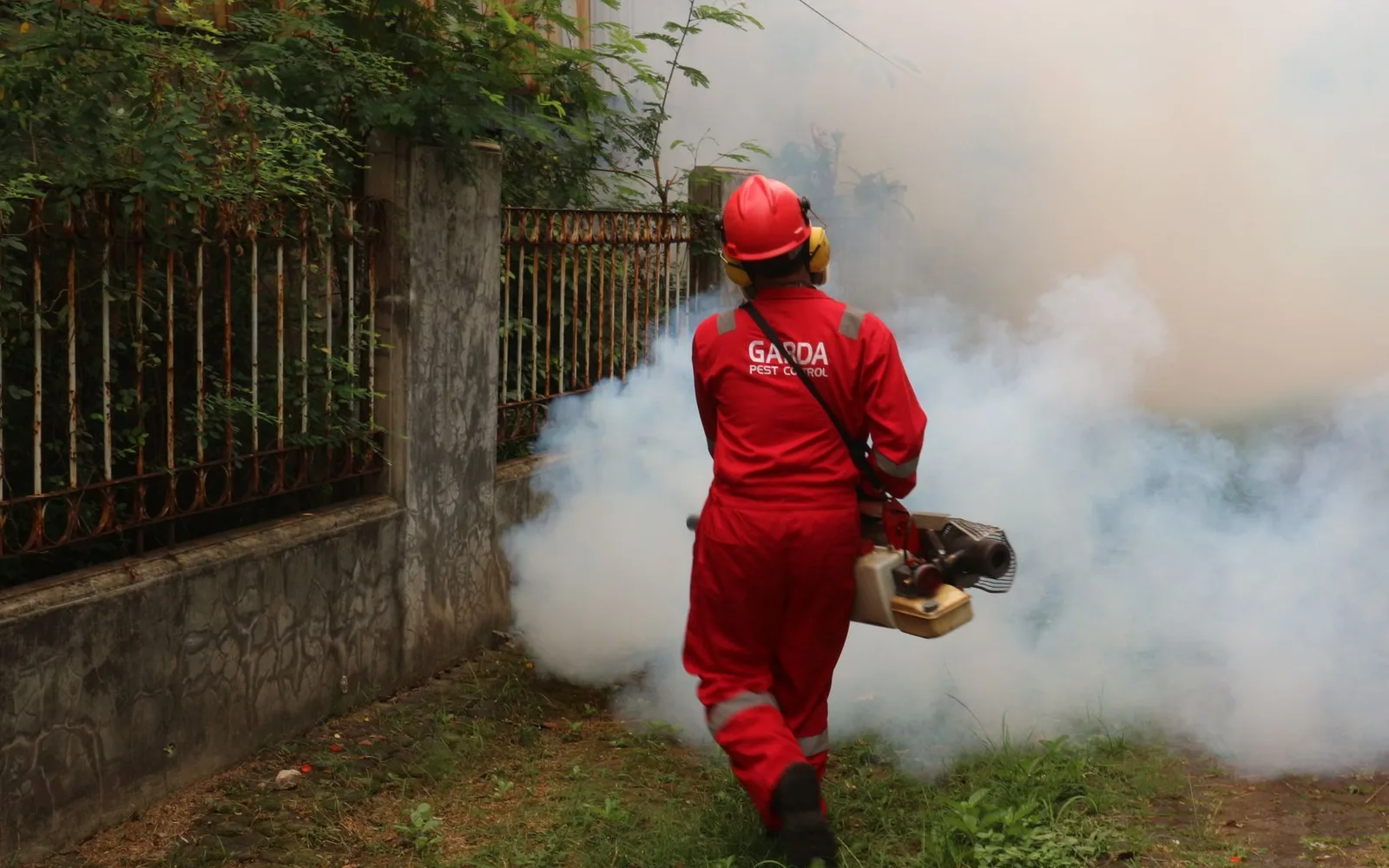
Rest houses and farms in Al Rawdah Makkah
Al Rawdah clusters hotels, rest houses and pilgrim housing with older villas set on hillside terraces near Jabal Abu Qubais. The district is transforming rapidly from old family houses into tall seasonal housing blocks. Flash floods run through the valleys and water sits after rain. New buildings are erected quickly to house seasonal guests, which means foundations may not be perfectly sealed. Seasonal apartment blocks stand locked empty for long periods of the year.
-
Targeted, not broadcast
Product goes into cracks and runways, never sprayed across open surfaces.
-
Told before we start
What we will use, where it goes, and what to cover or move before we arrive.
-
A follow-up visit
We return after the first treatment, because what survives it does not show on the day.
-
Homes and businesses
Apartments and villas, and kitchens and stores that need a record of each visit.
Why they keep coming back in Al Rawdah
Seasonal buildings that stand locked for most of the year harbour thriving insect populations by the time guests return. Flood water leaves high moisture beneath the foundations for weeks after rain. The method is set out in full on what Rest houses and farms involves.
Fast built modern buildings and gaps in the envelope
Buildings are erected quickly to receive pilgrim and tourist guests. Seal quality and foundation cracks may not be perfect. Uncontrolled openings and gaps provide direct entry for insects. Detailed inspection of new buildings to locate gaps and openings is part of the programme. Speed of construction sometimes means workmanship is variable.
Seasonal housing and buildings locked for long periods
Hotels and residential blocks stand empty and locked for stretches of the calendar year. Closed buildings provide perfect breeding conditions for insects and rodents over weeks and months. Pre closure treatment for extended shutdowns is essential. A quick inspection on reopening confirms the condition of the building.
Flash floods, moisture and wet ground after rainfall
Wadis and valleys near Al Rawdah carry runoff. Water flows beneath building foundations and leaves high moisture. Wet ground around foundations provides immediate breeding conditions for mosquitoes and insects. Treatment after rain events and reading standing water collection points is essential. The soil stays damp for weeks.
Al Rawdah on the map
Al Rawdah sits about 1 km from Al Maabdah and about 1.5 km from Al Jumayzah.
Open in Google MapsThe site decides the shape of the programme
Rapidly built modern structures and foundations laid on wet ground leave gaps and cracks. Flash floods run through the wadis and wet earth beneath the new buildings. The mix of old villas and new tall blocks creates horizontal gaps at differing foundation levels.
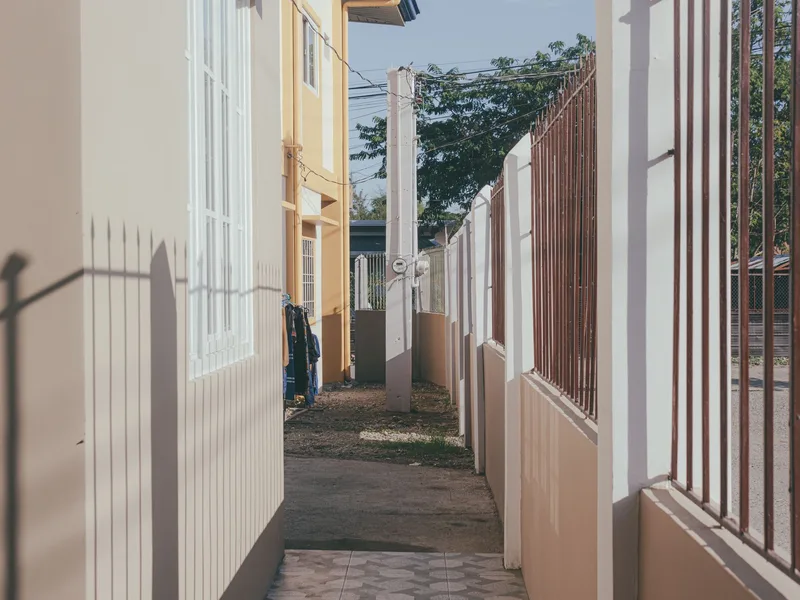
The foot of the wall
The foot of new buildings may have unsealed gaps. Treatment must include detailed inspection first, then deep injection and sealing of visible cracks and openings.
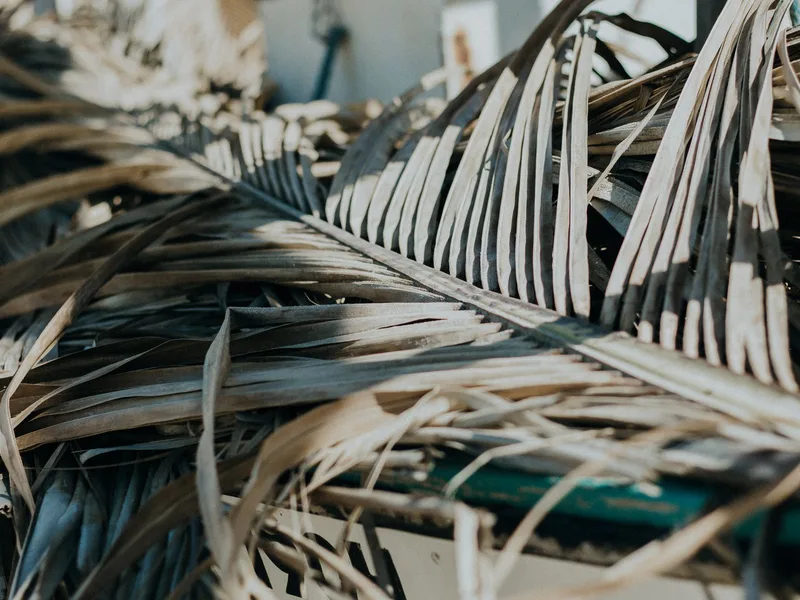
Frond and block piles
Building materials and waste piles near foundations provide temporary shelter. Clearing the perimeter and removing stored materials from the base is a priority.
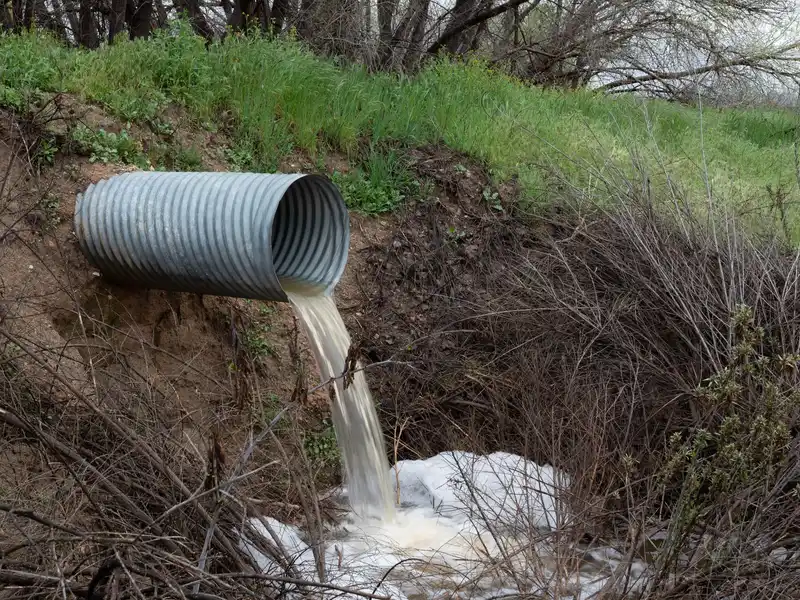
Standing water
Stagnant water around foundations after rainfall is an immediate mosquito source. Drainage and treatment of collection points is essential after each heavy downpour.
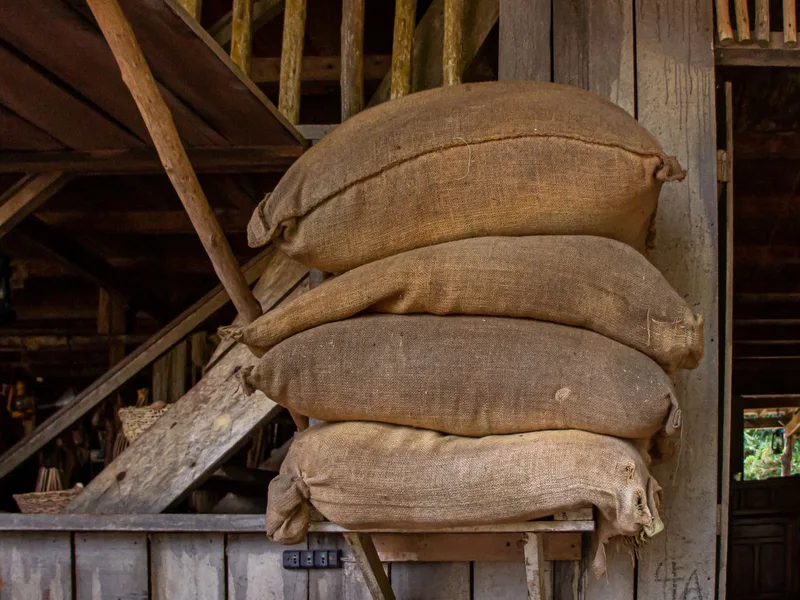
The feed store
Storage vaults and rooms beneath the base may harbour large insect populations during closure. Inspection before reopening and treatment before locking up is essential.
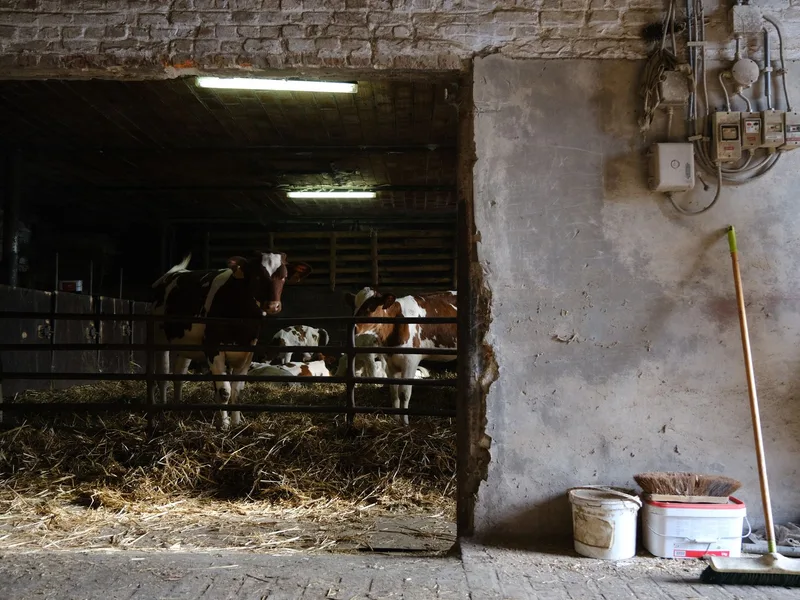
Pens and bedding
Furniture and fabrics in seasonal flats and hotels become safe refuges for cockroaches and rodents. Treatment of furnishings before closure and inspection before guests arrive is necessary.
The building that stays shut
Buildings completely sealed for ten months or longer can become home to thriving insect populations. Pre closure preventative treatment and careful inspection on reopening stops explosive breeding events.
How we work
-
1
Walk the site and number the points
We walk the boundary, the feed store, the pens, the water sources and the buildings, record the species present, the burrows, the entry points and every standing water source, and number the monitoring positions on a plan.
-
2
Lift what things hide under
The piles, the rubble, the fallen dates, the feed sacks pushed up against the wall. On any large plot these gather simply because there is room for them, and clearing them brings the numbers down before a single product is used.
-
3
The perimeter band and targeted treatment
A band at the foot of the wall and the buildings, treatment into the burrows and cracks, locked rodent stations fixed along the route, and mosquito breeding sites treated in the water itself.
-
4
Scheduled visits and a sheet each time
We come back on an agreed schedule, read the same points, renew the band the sun and the irrigation have used up, and write down what was found, what was applied and where, and what the site needs closed.
What the rest house and farm programme includes
-

A site walk and a map of the points
The boundary, the buildings, the pens and the water sources, and a plan with the monitoring positions numbered before anything is installed.
-

Water sources treated at the source
Drinking troughs, drip lines, tank outlets and anything that stands for days, because mosquitoes come out of water and not out of the air.
-

A treated band at the perimeter
The foot of the wall, the building bases and the path edges, which is the line anything coming off the open ground has to cross.
-

Locked rodent stations
Fixed and numbered along one route, and closed so that neither a child's hand nor an animal on the site can get into them.
-

What the site does afterwards
What to cover, where to move animal water bowls, when irrigation can start again without washing the band off, and the ventilation time, which we give you on the call because it changes with the product and the space.
-

Scheduled visits and a record
A schedule agreed ahead of the seasons, the same points read every time, and a record of what was found, what was treated and what is still open.
What is different about Al Maabdah Sub-Municipality
Al Maabdah sub municipality climbs from Al Abtah and Al Jumayzah beside the Al Mualla cemetery up through Al Khansa and Rai Adhakhir to Al Adl, Jabal Al Nour, Wadi Jaleel and Qurtubah on the outer ring roads. It mixes hotels and pilgrim housing near the Grand Mosque with old popular houses on hillside passes, new housing schemes on valley floors that carry flash floods after rain, and industrial plots, workshops and warehouses along Al Hajj Street in Qurtubah. Street widening and expropriation leave partly demolished frontages in Al Khansa.
Questions about this district
The hotel stands locked between seasons. How often must it be treated?
Comprehensive treatment before locking for several months is essential. A quick inspection and top up before guests arrive. If closure is short, one treatment every few weeks is enough to prevent settlement.
The building is very new. There are gaps in the foundation and floor slabs. Is this a problem?
Fast built modern buildings may have unexpected gaps. Detailed inspection finds these openings and they are sealed. New foundations may need deeper injection than aged foundations, because the concrete is firmer.
After heavy rain there is mosquito activity and high humidity. What can be done?
Flash floods and standing water provide immediate mosquito breeding. Treatment after rain is essential and water must drain from the foundations. Treatment may need to repeat after each heavy downpour.
A furnished short term flat is locked for ten months. Should it be treated?
Yes, definitely. Furniture and fabrics provide shelter for cockroaches and rodents. Pre closure treatment prevents breeding during the dark closed season. Inspection of furniture and bedding before reopening to guests is essential.
Is the treatment safe when the hotel is full of guests?
We use products approved for hotels and tourist areas. We work at set times away from public facilities. Coordination with the hotel to set visit times is necessary.
The ground beneath the foundation stays wet all year. What causes this?
Moisture may come from floods, slow drainage or a blocked drain beneath the foundation. Standing water provides ideal breeding conditions for mosquitoes. Inspecting the drain and unblocking it, then improving overall drainage, is necessary.
How much does rest houses and farms in Al Rawdah cost?
It is set after the inspection, because the price follows the type of infestation, the size of the space, how far it has spread and the number of visits it needs. Send a photo and a description on WhatsApp and we will give you an estimate before we reach Al Rawdah.
Nearby districts we cover
Other services in Al Rawdah
Other services we provide to residents of Al Rawdah.
-
 Residential
Cockroach control
Residential
Cockroach control
-
 Residential
Bed bug control
Residential
Bed bug control
-
 Residential
Termite control
Residential
Termite control
-
 Residential
Rodents and mice
Residential
Rodents and mice
-
 Residential
Mosquito control
Residential
Mosquito control
-
 Residential
Fly control
Residential
Fly control
-
 Residential
Ant control
Residential
Ant control
-
 Residential
Gecko control
Residential
Gecko control
-
 Residential
Scorpion control
Residential
Scorpion control
-
 Residential
Snake control
Residential
Snake control
-
 Residential
Flea control
Residential
Flea control
-
 Residential
Bird and pigeon control
Residential
Bird and pigeon control
-
 Residential
Preventive treatment
Residential
Preventive treatment
-
 Residential
Disinfection
Residential
Disinfection
-
 Commercial
Annual contracts
Commercial
Annual contracts
-
 Commercial
Restaurants and cafes
Commercial
Restaurants and cafes
-
 Commercial
Hotels and apartments
Commercial
Hotels and apartments
-
 Commercial
Warehouses and factories
Commercial
Warehouses and factories
-
 Commercial
Schools and nurseries
Commercial
Schools and nurseries
-
 Commercial
Retail and malls
Commercial
Retail and malls
-
 Commercial
Fumigation
Commercial
Fumigation
-
 Water tanks
Water tank cleaning
Water tanks
Water tank cleaning
-
 Water tanks
Water tank sterilization
Water tanks
Water tank sterilization
-
 Water tanks
Water tank sealing
Water tanks
Water tank sealing
-
 Water tanks
Tank leak repair
Water tanks
Tank leak repair
Need rest houses and farms in Al Rawdah? Tell us what you saw and we will tell you what it needs
We reach Al Rawdah at a time we agree, and you get the full cost before we start.