
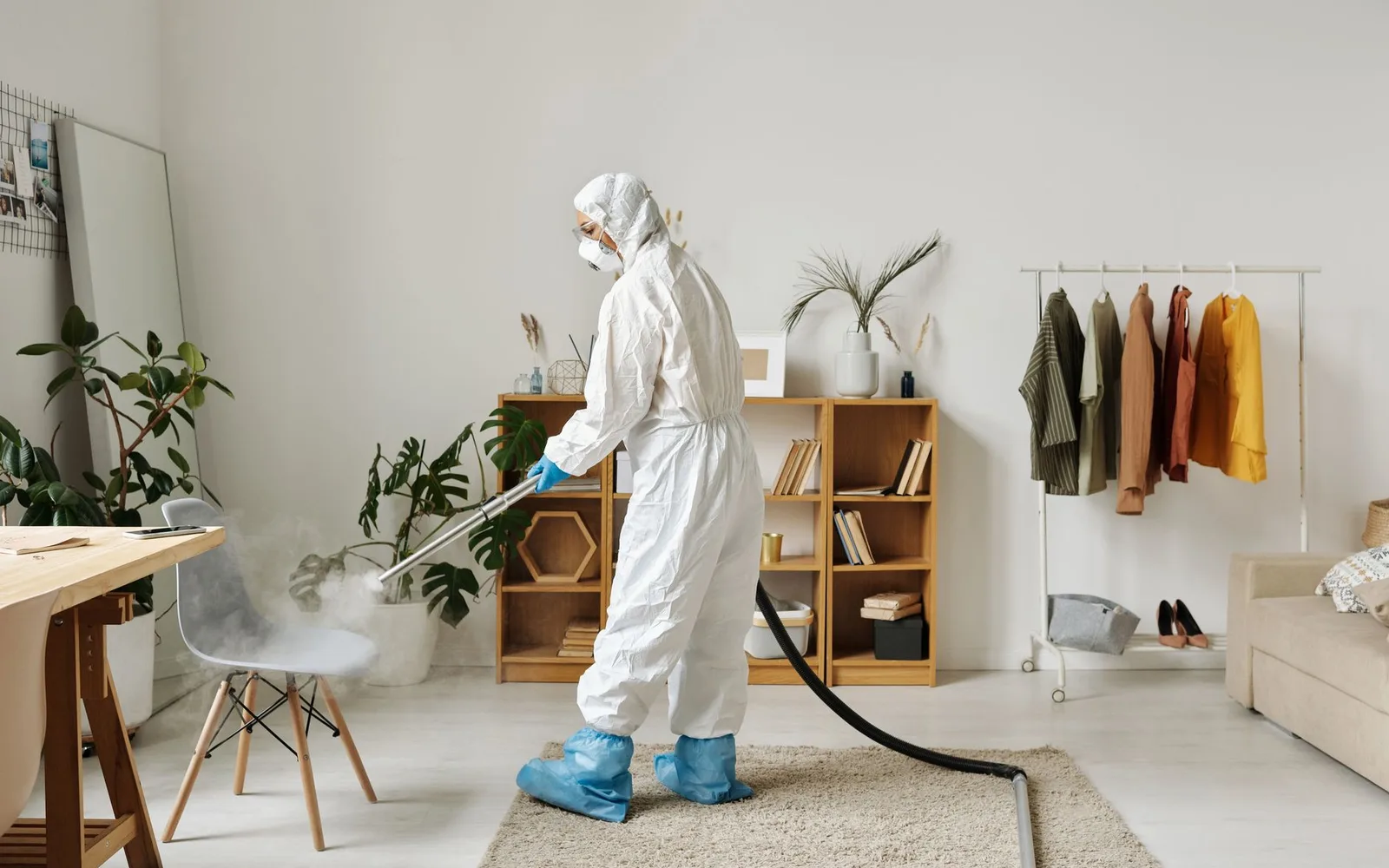
Flea control in Ajyad Makkah
Ajyad presses against the southern courtyards of the Grand Mosque, stacked with hotel towers and pilgrim lodging blocks along Ajyad Street, topped by the Abraj Al Bait clock tower. Continuous flow of Umrah and Hajj visitors through the year means new fleas arrive constantly with guests, luggage and clothing. Fleas here are a seasonal problem that accelerates in busy periods and subsides during quiet months, but never fully disappears.
-
Targeted, not broadcast
Product goes into cracks and runways, never sprayed across open surfaces.
-
Told before we start
What we will use, where it goes, and what to cover or move before we arrive.
-
A follow-up visit
We return after the first treatment, because what survives it does not show on the day.
-
Homes and businesses
Apartments and villas, and kitchens and stores that need a record of each visit.
Why they keep coming back in Ajyad
Visitors turn over rapidly, each new group potentially bringing fleas from their homes. Hotel owners report fleas appearing in peaks during high seasons then dropping briefly before returning. The method is set out in full on how we approach Flea control.
Tightly packed hotels and apartments create flea highways
Ajyad is densely built, buildings stand very close together, walls are shared between hotels and residential blocks, gaps are narrow. Fleas from one hotel move to an adjoining block through shared walls and pipes. There is no real isolation between units. We treat building clusters as single systems.
Visitors and luggage bring new fleas every single day
New pilgrims arrive daily, luggage and belongings move between street and hotel, laundry cycles through. Fleas travel in guest luggage from homes abroad, move with clothing and furnishings, settle in carpets and soft goods. Every arrival of new guests is an opportunity for fresh infestation and reseeding.
Peak seasons transform Ajyad into extreme infection pressure
During Ramadan, Hajj and holiday periods, density becomes overwhelming. Hotels and apartments fill completely, movement is continuous day and night, restaurants run at full capacity. Fleas find food, water, heat and constant human movement. Infection pressure in peak seasons is extremely high.
Ajyad on the map
Ajyad sits about 0.5 km from Al Hajlah and about 1 km from Al Shubaikah.
Open in Google MapsThe resting places map the infestation
Ajyad is an international visitor hub where guests spend only a few nights in different flats and multiple hotels. Movement of people, luggage and clothing between hotels and apartment blocks transfers fleas from building to building and room to room.
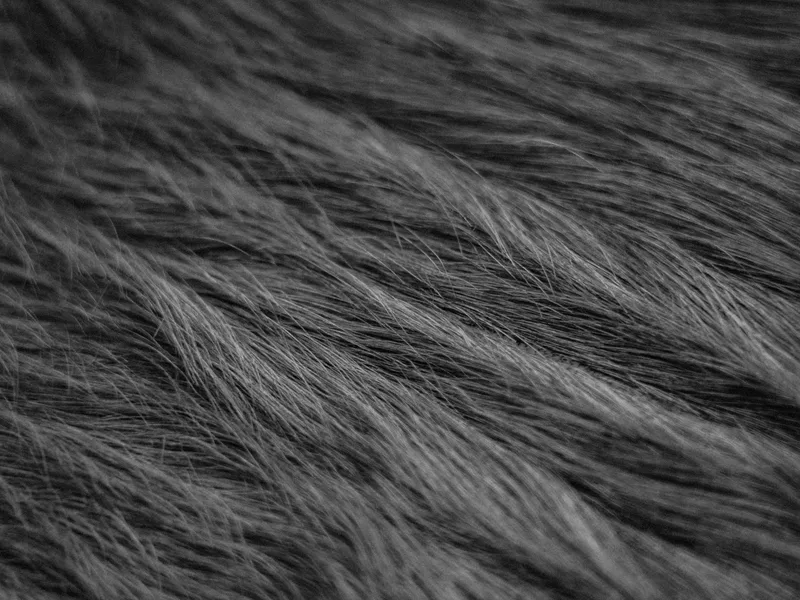
The base of the carpet
Carpet base in hotels and apartment blocks carries fleas from guests and clothing moved rapidly between rooms, each new arrival adding fresh infestation.
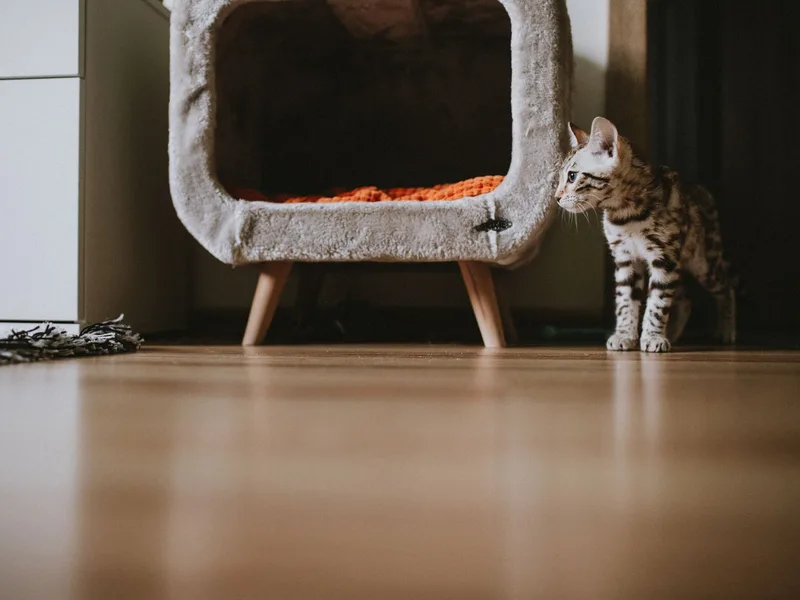
Where the animal sleeps
Pets that some guests may bring with them, if permitted, provide a direct flea source and amplify infestation in the block.
Flea dirt
Flea dirt shows on bedding, carpets and cushions due to constant guest turnover and new arrivals bringing fleas continuously.
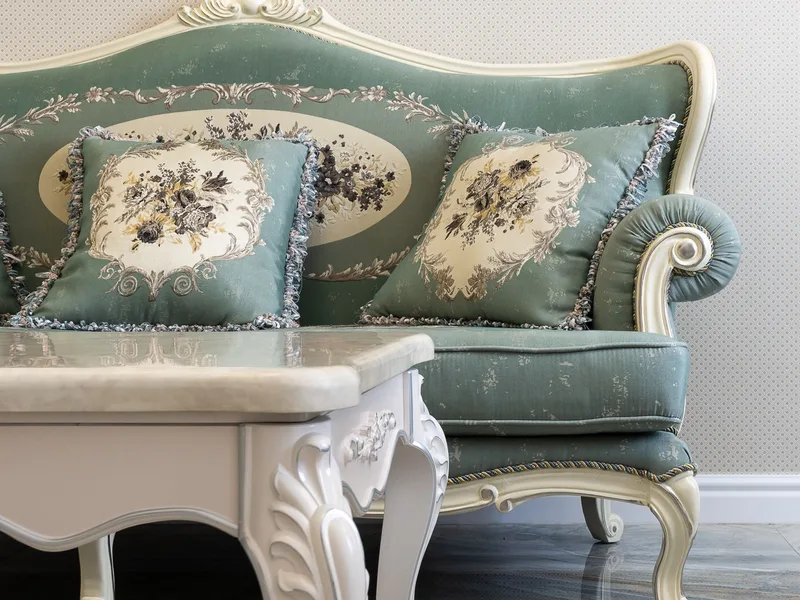
Furniture edges and upholstery
Furniture edges and soft furnishings in occupied rooms receive fleas from guest luggage and clothing and personal items in constant circulation.
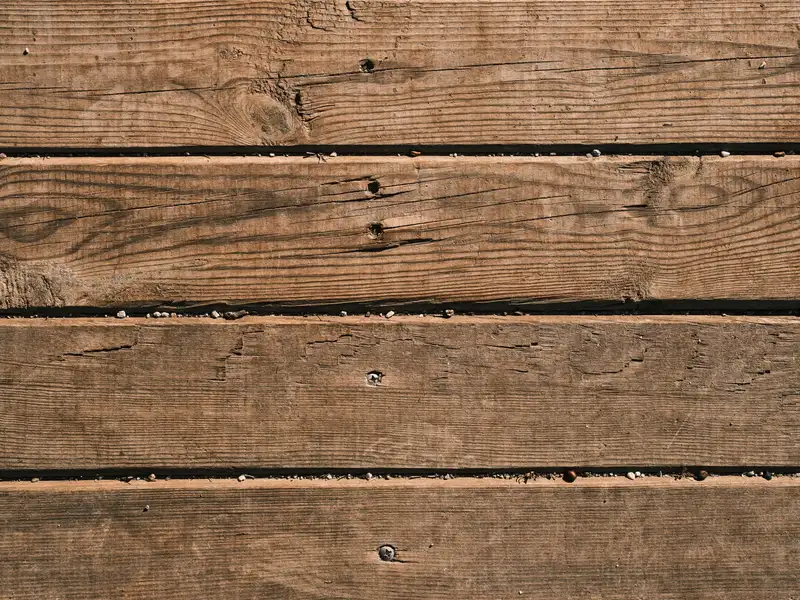
Joints in a hard floor
Hard floor joints and cracks in hotels and apartment blocks harbour flea pupae and eggs, with fleas crossing between units through these pathways.
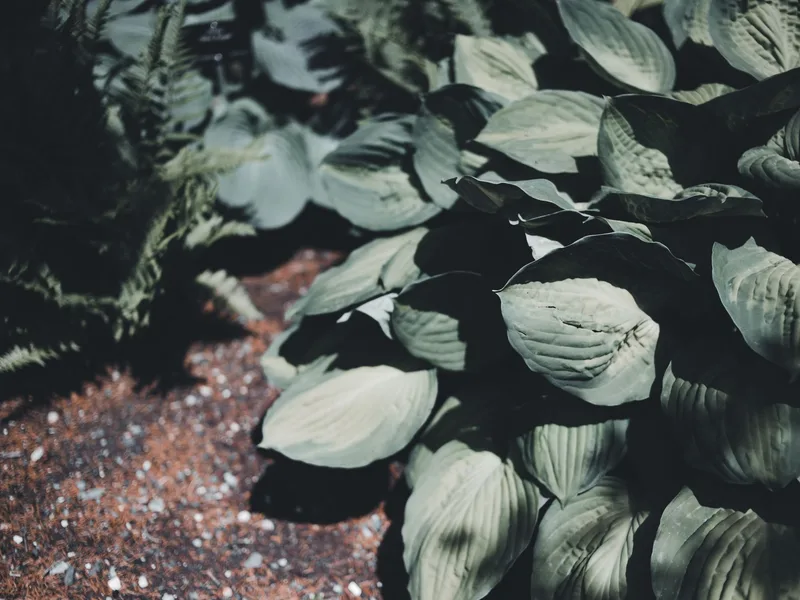
Damp shade outdoors
Damp shade in hallways and corners between hotel buildings provides shelter for fleas moving between blocks in the densely packed complex.
How we work
-
1
Inspect and confirm
We confirm it is fleas rather than another biting insect, and fix the animal's sleeping points, its routes and the shaded ground outside. Where there is no animal in the house, we look for the host they came from.
-
2
Treat the floors and soft furnishings
A residual with an insect growth regulator, worked into the carpet base, the floor and wall junction and the edges under furniture. The regulator stops a larva becoming an adult, which is what breaks the cycle.
-
3
The host and the shade outside
We treat the shaded ground and the outdoor lying spots, and we agree with you that the animal's veterinary treatment happens on the same day, because any host left out of the job re-seeds the floor.
-
4
Vacuuming, then the follow-up visit
Repeated vacuuming vibrates the floor and draws the pupae out onto a treated surface. We come back about two weeks later to take the emerged generation before it lays.
What flea control includes
-

Confirmation before anything is applied
Telling a flea bite from the alternatives, and fixing the resting places and the centre of the infestation.
-

Carpet base and floor line treatment
A residual and a growth regulator worked down into the pile and under furniture edges, not laid across the visible surface.
-

Shade and damp outdoors
The shaded patches by entrances and around drains and taps, the only ground outside where larvae survive.
-

The source when there is no pet
Stray cats sheltering under an outside stair, or rodents in the voids, each handled on a different footing.
-

The vacuum schedule and aftercare
When to vacuum, how to empty the machine, and why the carpet is not steam cleaned afterwards. Ventilation time we give you on the call, because it changes with the product and the space.
-

A follow-up timed to emergence
A date about two weeks on, timed to the pupae leaving the cocoons, and re-treatment of any room where fresh bites are still starting.
What is different about Ajyad Sub-Municipality
Ajyad sub municipality takes in the districts that press against the Grand Mosque from the south and west: Ajyad, Al Hajlah, Al Shubaikah, Al Tandabawi and Al Mansour. Hotels and rented apartment blocks for Umrah visitors stack up along Ajyad Street and Ibrahim Al Khalil Street, with kitchens and restaurants running aday and night in season. Behind them, Al Shubaikah and Al Tandabawi keep narrow old lanes on hillside ground where buildings and drains are ageing, and demolition and construction sites are a constant presence around Jabal Omar and the central zone.
Questions about this district
Fleas appear and disappear with Hajj and Umrah seasons. Why is this?
New visitor flows and seasonal surges bring fresh fleas. High season means greater density, more movement and more food for fleas. Quiet periods may temporarily reduce pressure, but fleas persist in partially occupied hotels and buildings waiting for the next visitor wave.
Do hotels and apartment blocks need coordinated treatment?
Yes, essential. Shared walls and extreme proximity mean treating one building alone will fail if adjacent buildings remain untreated. We seek coordination between hotel and building owners for shared treatment schedules and neighbouring boundaries.
Guests arrive from many countries. Do fleas come in their luggage?
Yes, high probability. Household fleas travel in luggage and clothing. Pilgrims staying several days may discover new bites. We focus on inspection of guest luggage and clothing on arrival, and advise on safe handling.
The hotel is packed with guests. Do fleas spread faster?
Yes, much faster. High density provides more food and constant human movement. Each new guest may carry fleas. Spread is far faster in full peak seasons than in quiet periods. One flea finds a host easily in a crowded hotel.
Is preventive treatment for hotels more important than emergency treatment?
Yes, much more important. Preventive treatment on a regular schedule before peak seasons is far cheaper and more effective than waiting for an outbreak and emergency treatment. A hotel with a flea problem during Hajj loses reputation and guests immediately.
Is thorough cleaning of the room enough to stop fleas?
No. Cleaning is important but not sufficient. Fleas hide in deep voids and cracks. Chemical treatment is essential. In Ajyad, preventive chemical treatment combined with cleaning is the only effective approach.
How much does flea control in Ajyad cost?
It is set after the inspection, because the price follows the type of infestation, the size of the space, how far it has spread and the number of visits it needs. Send a photo and a description on WhatsApp and we will give you an estimate before we reach Ajyad.
Nearby districts we cover
Other services in Ajyad
Other services we provide to residents of Ajyad.
-
 Residential
Cockroach control
Residential
Cockroach control
-
 Residential
Bed bug control
Residential
Bed bug control
-
 Residential
Termite control
Residential
Termite control
-
 Residential
Rodents and mice
Residential
Rodents and mice
-
 Residential
Mosquito control
Residential
Mosquito control
-
 Residential
Fly control
Residential
Fly control
-
 Residential
Ant control
Residential
Ant control
-
 Residential
Gecko control
Residential
Gecko control
-
 Residential
Scorpion control
Residential
Scorpion control
-
 Residential
Snake control
Residential
Snake control
-
 Residential
Bird and pigeon control
Residential
Bird and pigeon control
-
 Residential
Preventive treatment
Residential
Preventive treatment
-
 Residential
Disinfection
Residential
Disinfection
-
 Commercial
Annual contracts
Commercial
Annual contracts
-
 Commercial
Restaurants and cafes
Commercial
Restaurants and cafes
-
 Commercial
Hotels and apartments
Commercial
Hotels and apartments
-
 Commercial
Warehouses and factories
Commercial
Warehouses and factories
-
 Commercial
Schools and nurseries
Commercial
Schools and nurseries
-
 Commercial
Retail and malls
Commercial
Retail and malls
-
 Commercial
Rest houses and farms
Commercial
Rest houses and farms
-
 Commercial
Fumigation
Commercial
Fumigation
-
 Water tanks
Water tank cleaning
Water tanks
Water tank cleaning
-
 Water tanks
Water tank sterilization
Water tanks
Water tank sterilization
-
 Water tanks
Water tank sealing
Water tanks
Water tank sealing
-
 Water tanks
Tank leak repair
Water tanks
Tank leak repair
Need flea control in Ajyad? Tell us what you saw and we will tell you what it needs
We reach Ajyad at a time we agree, and you get the full cost before we start.