
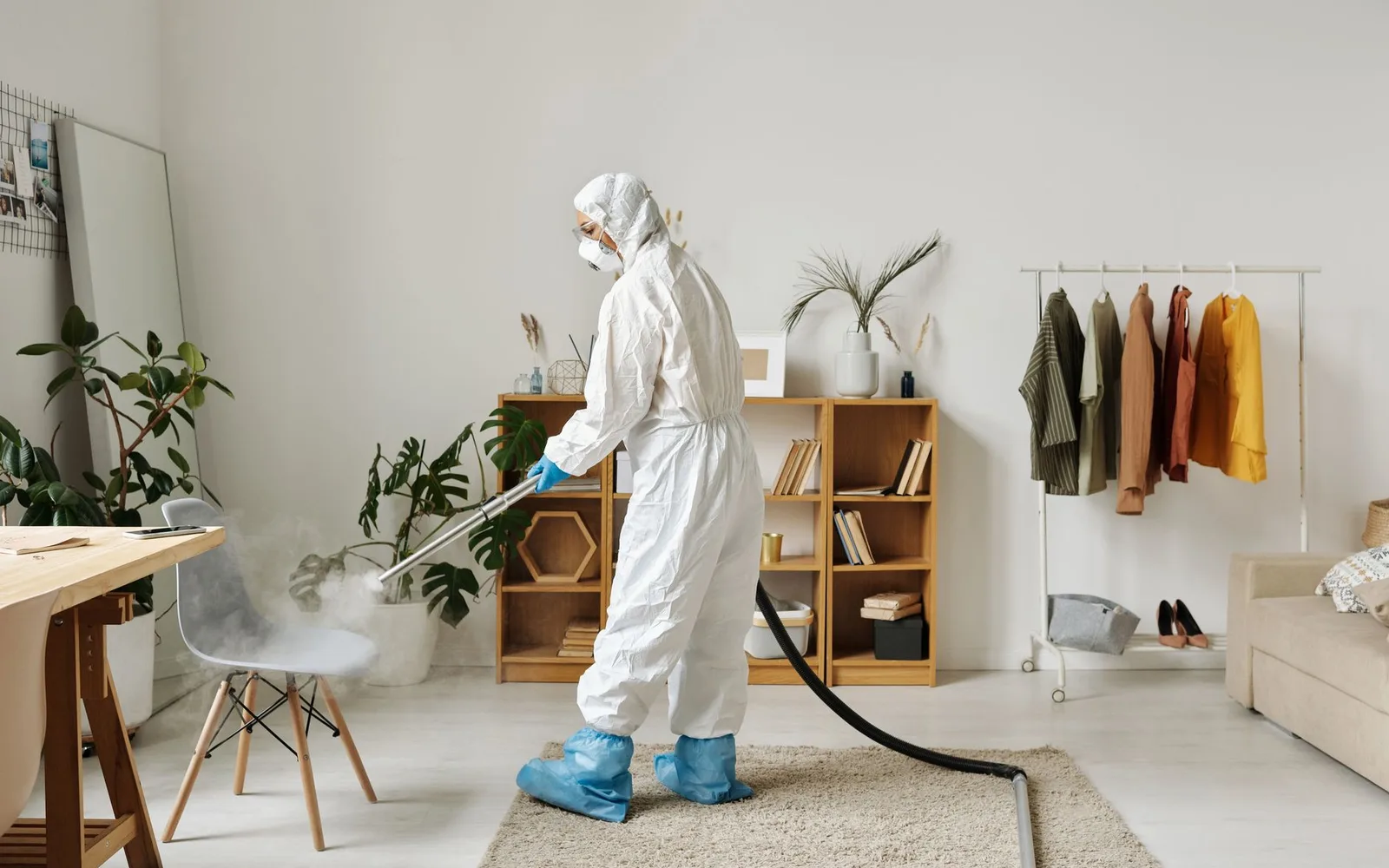
Flea control in Al Lulu Jeddah
Al Lulu is a small coastal strip facing the Red Sea with villas, apartment buildings and beach resorts along Obhur Road. Year-round high humidity and salt air create exceptional conditions for fleas. Intensively irrigated landscaping and private gardens sustain a secondary pest population right beside homes, and treatment must cover the garden, the entrance path and the house together. The irrigated greenery is as important as indoor treatment because outdoor fleas re-enter constantly.
-
Targeted, not broadcast
Product goes into cracks and runways, never sprayed across open surfaces.
-
Told before we start
What we will use, where it goes, and what to cover or move before we arrive.
-
A follow-up visit
We return after the first treatment, because what survives it does not show on the day.
-
Homes and businesses
Apartments and villas, and kitchens and stores that need a record of each visit.
Why they keep coming back in Al Lulu
Large private gardens in the villas are watered regularly, keeping soil constantly damp and drawing stray animals to drink and rest there, leaving fleas in the soil and grass. The method is set out in full on the full Flea control page.
Irrigated gardens anchor fleas outside the home
Villas and resorts in Al Lulu have spacious private gardens watered daily, and the moist soil and dense planting create ideal flea habitat. Stray animals come to drink and rest in these gardens and leave fleas in the soil and grass. Treating the house alone fails because the garden re-establishes the population. The garden is the entry point and must be treated first.
Sea humidity and year-round green spaces
The Red Sea beside Al Lulu keeps humidity high throughout the year, and ornamental plants watered constantly maintain permanently damp conditions. This mixture of seasonal sea moisture and continuous irrigation creates continuous flea activity even in hot summers. Drying is slow, and fleas stay active without break.
Resort traffic and continuous guest movement
Resorts in Al Lulu receive continuous guests from different locations, some arriving with animals or contaminated belongings. Shared gardens, pathways and private beaches are flea transfer zones from guest to guest and resort to resort. Treating one resort may leave neighbouring ones infested, allowing re-entry.
Landmarks of Al Lulu
Work in Al Lulu starts from the Obhur Road coastal route, and treatment begins at each villa entrance from the nearby Al Lulu Park where equipment can be staged. Interior pathways and private gardens receive careful treatment before entering the house itself, and the green spaces demand close attention as the primary source.
- Obhur Road
- Al Lulu Park
- Al Suyuti Mosque
- Umm Bandar Mosque
- Awfa Rizk Mall
The resting places map the infestation
A small coastal strip on the Red Sea with resorts, villas and recent apartment buildings between Al Zumurrud to the north and Al Amwaj and Al Shira to the south, running along Obhur Road with private beach access and bathing facilities.
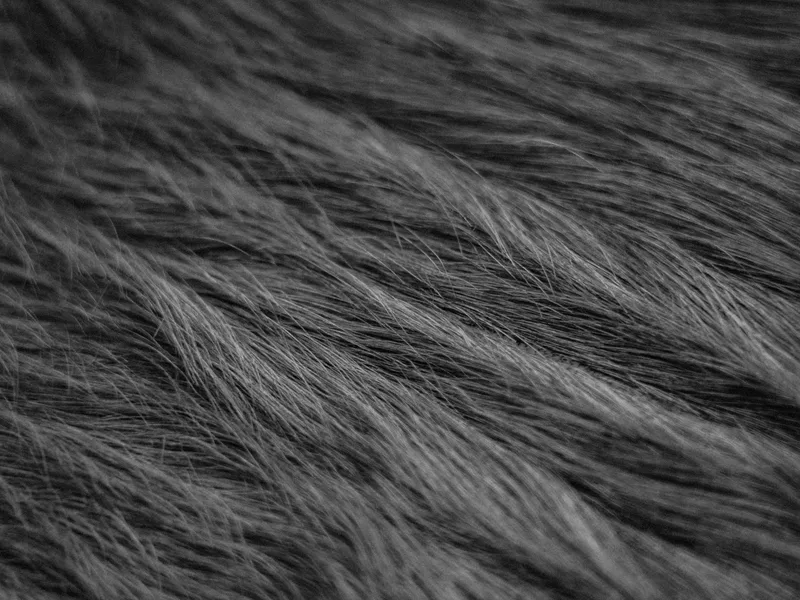
The base of the carpet
The carpet base in the coastal home must be treated alongside garden treatment, because fleas enter from the irrigated garden directly at the entrance door.
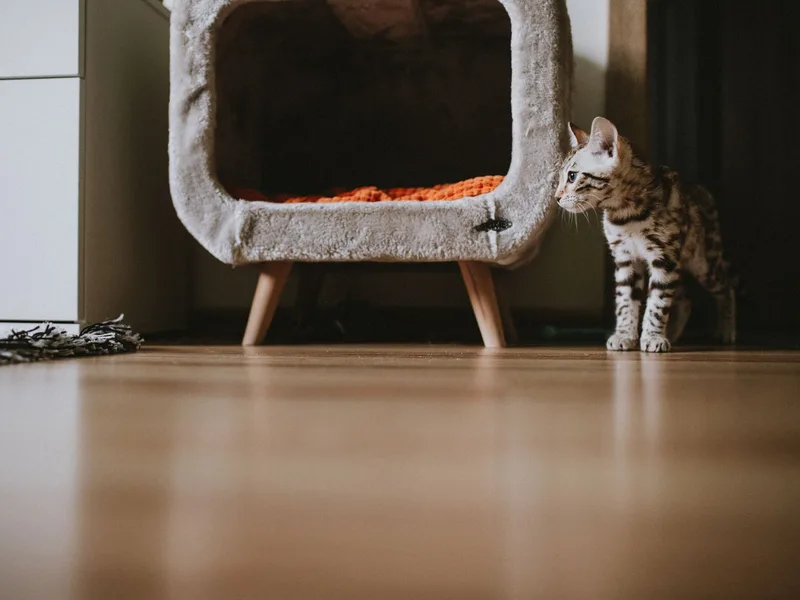
Where the animal sleeps
A stray animal's sleeping place in the garden is beneath trees and thick planting where shade and moisture offer shelter, leaving fleas in the soil around plant roots.
Flea dirt
Flea dirt on carpet appears near exterior doors and windows overlooking the garden, where animals and fleas enter directly from outside.
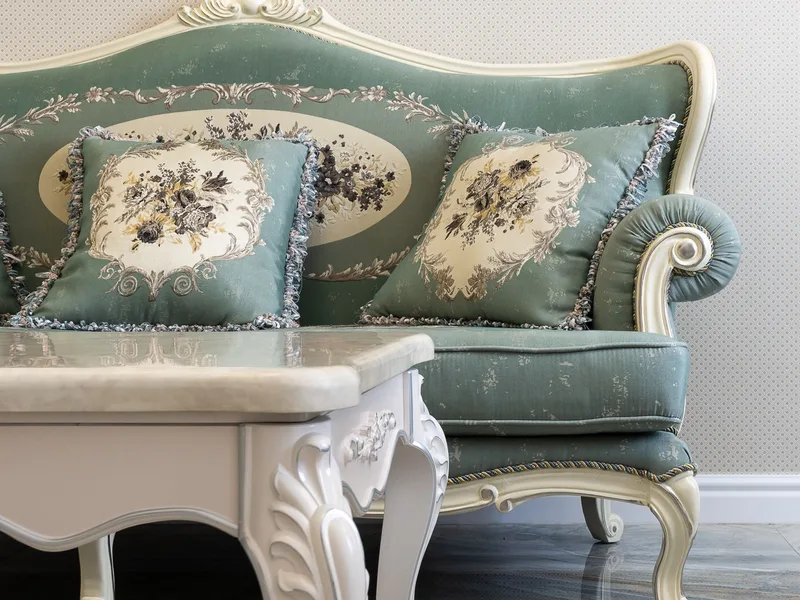
Furniture edges and upholstery
Furniture edges and upholstery, especially sofas near balconies and exterior windows, where animals and fleas enter directly from the garden.
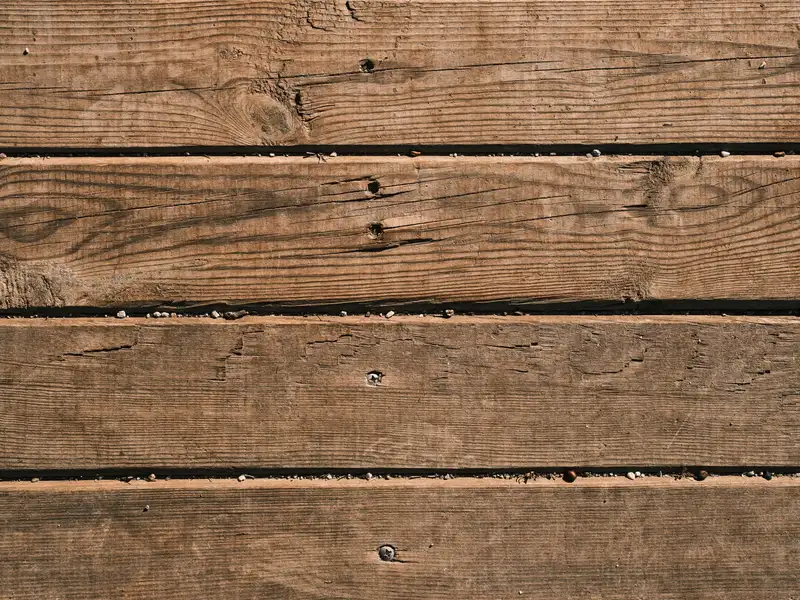
Joints in a hard floor
Joints in hard flooring near exterior doors and balconies are wide because coastal construction practices leave them that way, and cracks let fleas enter easily from the garden.
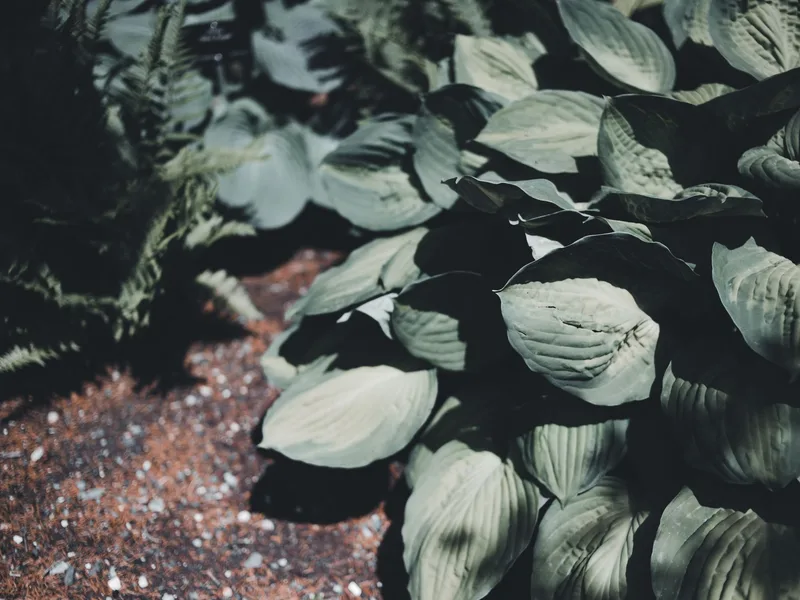
Damp shade outdoors
Damp shade in the garden beneath trees and irrigated planting, and around house foundations where soil stays moist all year, offers ideal outdoor flea shelter.
How we work
-
1
Inspect and confirm
We confirm it is fleas rather than another biting insect, and fix the animal's sleeping points, its routes and the shaded ground outside. Where there is no animal in the house, we look for the host they came from.
-
2
Treat the floors and soft furnishings
A residual with an insect growth regulator, worked into the carpet base, the floor and wall junction and the edges under furniture. The regulator stops a larva becoming an adult, which is what breaks the cycle.
-
3
The host and the shade outside
We treat the shaded ground and the outdoor lying spots, and we agree with you that the animal's veterinary treatment happens on the same day, because any host left out of the job re-seeds the floor.
-
4
Vacuuming, then the follow-up visit
Repeated vacuuming vibrates the floor and draws the pupae out onto a treated surface. We come back about two weeks later to take the emerged generation before it lays.
What flea control includes
-

Confirmation before anything is applied
Telling a flea bite from the alternatives, and fixing the resting places and the centre of the infestation.
-

Carpet base and floor line treatment
A residual and a growth regulator worked down into the pile and under furniture edges, not laid across the visible surface.
-

Shade and damp outdoors
The shaded patches by entrances and around drains and taps, the only ground outside where larvae survive.
-

The source when there is no pet
Stray cats sheltering under an outside stair, or rodents in the voids, each handled on a different footing.
-

The vacuum schedule and aftercare
When to vacuum, how to empty the machine, and why the carpet is not steam cleaned afterwards. Ventilation time we give you on the call, because it changes with the product and the space.
-

A follow-up timed to emergence
A date about two weeks on, timed to the pupae leaving the cocoons, and re-treatment of any room where fresh bites are still starting.
What is different about Dhahban Sub-Municipality
Dhahban sub municipality is the northern coastal strip of Jeddah, running from the north bank of Sharm Obhur up to the old village of Dhahban and Salman Bay. Its districts are recently built, with owner occupied villas and apartments, beach resorts and chalets on the shore, and land subdivisions still being developed. Nearness to the sea keeps humidity high all year, irrigated lawns in villas, resorts and district parks hold water, Wadi Obhur and the vacant plots between buildings give rodents and reptiles shelter, and the old fishing village of Dhahban gives the far north a rural edge.
Questions about this district
Is our large garden the flea source, or are they inside the house?
The irrigated garden is the primary source in a coastal area like this, because moisture and plants create ideal flea habitat. The house admits fleas from the garden when residents enter directly, so treating the garden before the house is essential.
The fence between us and the neighbour is very weak. Must we repair it before treatment?
A weak fence lets animals enter from the neighbour's garden, and may let fleas cross too. Repairing the fence after treatment prevents new animals, but good treatment of house and garden protects you even with a weak fence.
We have a pet. Does it need treatment too?
A garden pet may carry fleas. Treating the house and garden is essential, and if the pet can be treated by a vet, that breaks the lifecycle completely.
Two months after treatment, new fleas appeared from the neighbour's garden.
Neighbouring irrigated gardens re-establish fleas if they are infested. Your treated garden is protected, but new fleas enter from next door. Coordinating treatment with the neighbour solves it finally.
Could our large garden be a flea source?
Yes, it is almost certainly the primary source. A large irrigated garden with stray animals drinking from the watering system is ideal flea habitat. Treating garden and house together is essential.
The resort next door has many fleas. Will they spread to us?
A neighbouring infested resort is a continuous flea source if your shared garden or fence is close. Shared pathways and gardens transfer fleas easily. Your treatment protects your house, but an untreated neighbouring resort will re-infest you unless that property is also treated.
How much does flea control in Al Lulu cost?
It is set after the inspection, because the price follows the type of infestation, the size of the space, how far it has spread and the number of visits it needs. Send a photo and a description on WhatsApp and we will give you an estimate before we reach Al Lulu.
Other services in Al Lulu
Other services we provide to residents of Al Lulu.
-
 Residential
Cockroach control
Residential
Cockroach control
-
 Residential
Bed bug control
Residential
Bed bug control
-
 Residential
Termite control
Residential
Termite control
-
 Residential
Rodents and mice
Residential
Rodents and mice
-
 Residential
Mosquito control
Residential
Mosquito control
-
 Residential
Fly control
Residential
Fly control
-
 Residential
Ant control
Residential
Ant control
-
 Residential
Gecko control
Residential
Gecko control
-
 Residential
Scorpion control
Residential
Scorpion control
-
 Residential
Snake control
Residential
Snake control
-
 Residential
Bird and pigeon control
Residential
Bird and pigeon control
-
 Residential
Preventive treatment
Residential
Preventive treatment
-
 Residential
Disinfection
Residential
Disinfection
-
 Commercial
Annual contracts
Commercial
Annual contracts
-
 Commercial
Restaurants and cafes
Commercial
Restaurants and cafes
-
 Commercial
Hotels and apartments
Commercial
Hotels and apartments
-
 Commercial
Warehouses and factories
Commercial
Warehouses and factories
-
 Commercial
Schools and nurseries
Commercial
Schools and nurseries
-
 Commercial
Retail and malls
Commercial
Retail and malls
-
 Commercial
Rest houses and farms
Commercial
Rest houses and farms
-
 Commercial
Fumigation
Commercial
Fumigation
-
 Water tanks
Water tank cleaning
Water tanks
Water tank cleaning
-
 Water tanks
Water tank sterilization
Water tanks
Water tank sterilization
-
 Water tanks
Water tank sealing
Water tanks
Water tank sealing
-
 Water tanks
Tank leak repair
Water tanks
Tank leak repair
Need flea control in Al Lulu? Tell us what you saw and we will tell you what it needs
We reach Al Lulu at a time we agree, and you get the full cost before we start.