
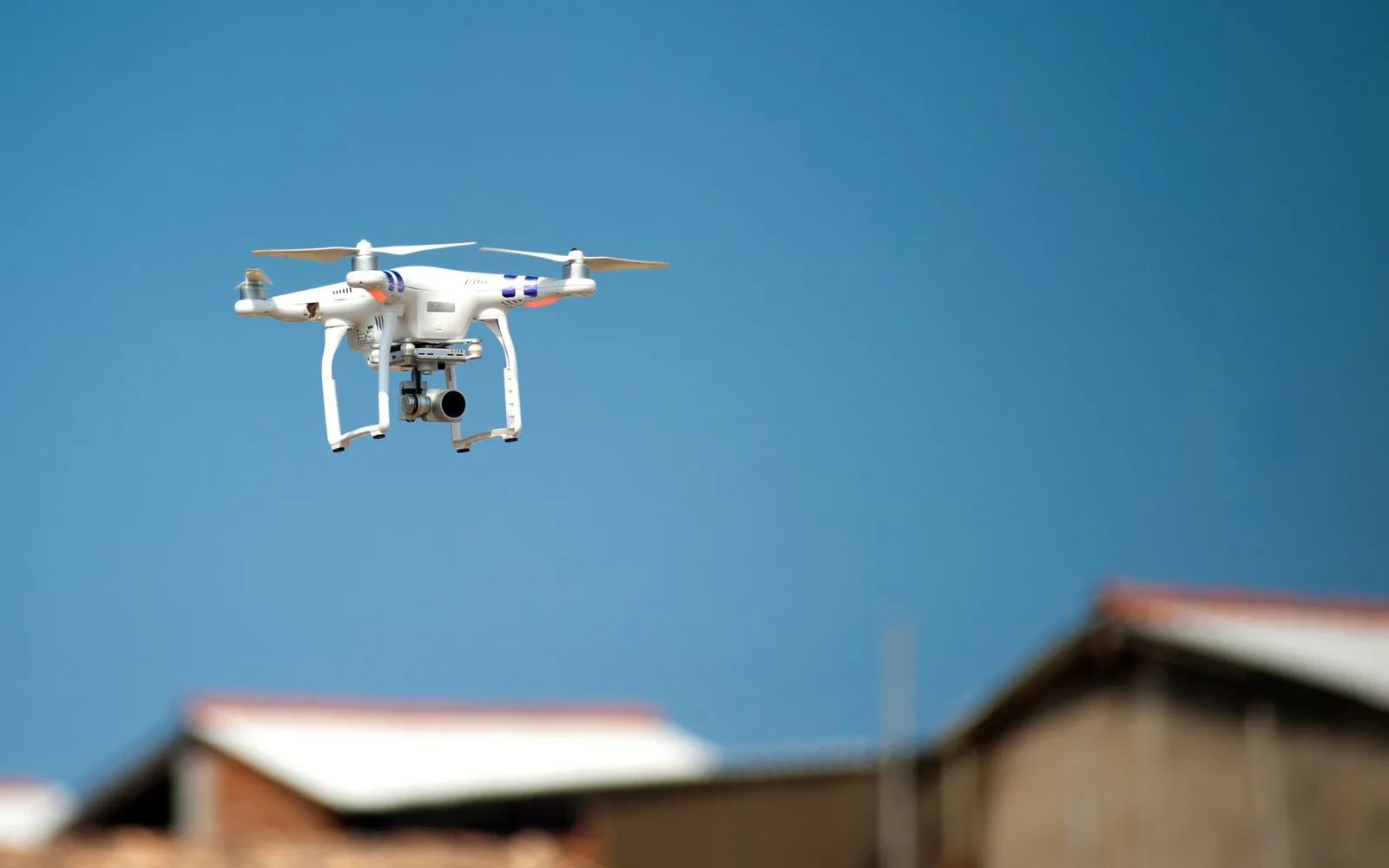
Fly control in Al Kawthar Jeddah
Al Kawthar is a young district with active building sites and vacant plots scattered between new homes, which means fly sources are multiple and spread across the area. Flies breed readily in exposed soil, rubble, and standing water, so treatment must take a wider view than a single house. The work here differs from older dense districts because the sources are visible and distributed rather than hidden in shared pipework.
-
Targeted, not broadcast
Product goes into cracks and runways, never sprayed across open surfaces.
-
Told before we start
What we will use, where it goes, and what to cover or move before we arrive.
-
A follow-up visit
We return after the first treatment, because what survives it does not show on the day.
-
Homes and businesses
Apartments and villas, and kitchens and stores that need a record of each visit.
Why they keep coming back in Al Kawthar
Flies in Al Kawthar breed fast during growth seasons and humidity peaks, then move into neighbouring homes in daily circles, returning to breeding grounds each night. The pattern repeats faster than in older areas because the sources are more numerous. The method is set out in full on Fly control in detail.
Active building sites generate continuous fly waves
Every construction site holds standing water, organic debris, and the ideal warm humid environment for rapid breeding. Flies that hatch on site do not wait for foundations to finish; they move to adjacent homes in daily foraging circuits. Treating the site and the surrounding buildings together is the only approach that works, because flies treat them as one ecosystem, not separate problems.
Vacant plots act as fly reservoirs between seasons
Every empty plot is a potential breeding ground. After rain it becomes a marsh, before rain it collects debris and plant matter. Blow flies favour it for egg-laying; house flies use it as a launch point for daily raids on flats and villas. A single untreated vacant plot near a home sustains a fly population that no indoor treatment can eliminate permanently.
Incomplete drainage networks hide breeding populations
Unfinished sewer runs leave pockets of contaminated water beneath streets and foundation lines. Fly larvae and pupae shelter there for weeks, protected from surface spraying. Treatment must reach underground entry points and drainage openings, not just visible surfaces, to interrupt the emergence of new adult flies.
Al Kawthar on the map
Al Kawthar sits about 4.5 km from Umm Hablain and about 5.5 km from Al Rayyan.
Open in Google MapsWhere the flies are actually coming from
Vacant plots and ongoing redevelopment sites provide ideal breeding habitat for flies, particularly as drainage networks remain incomplete in sections of the district. Exposed ground stays damp longer after rain, and building waste contains organic matter flies favour.
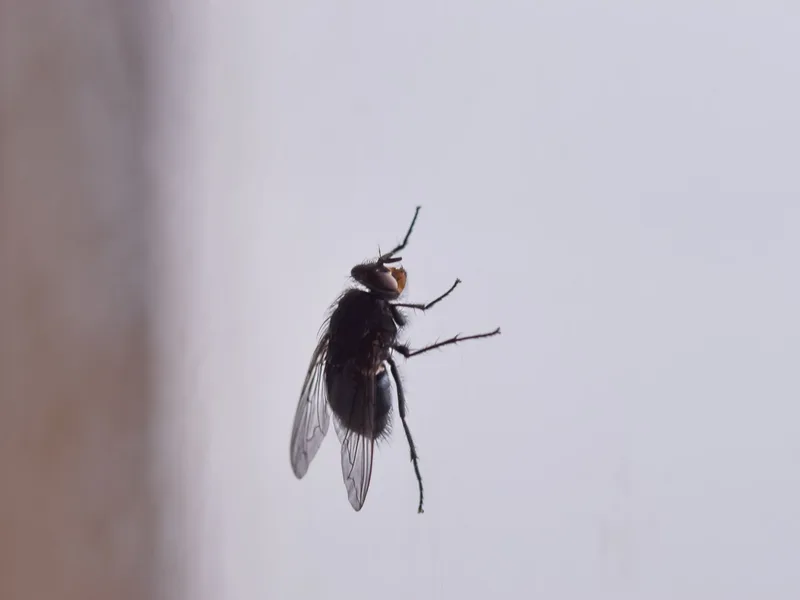
House fly
House flies in Al Kawthar favour damp building environments and open sites before spreading into homes, making site treatment essential to the overall result.
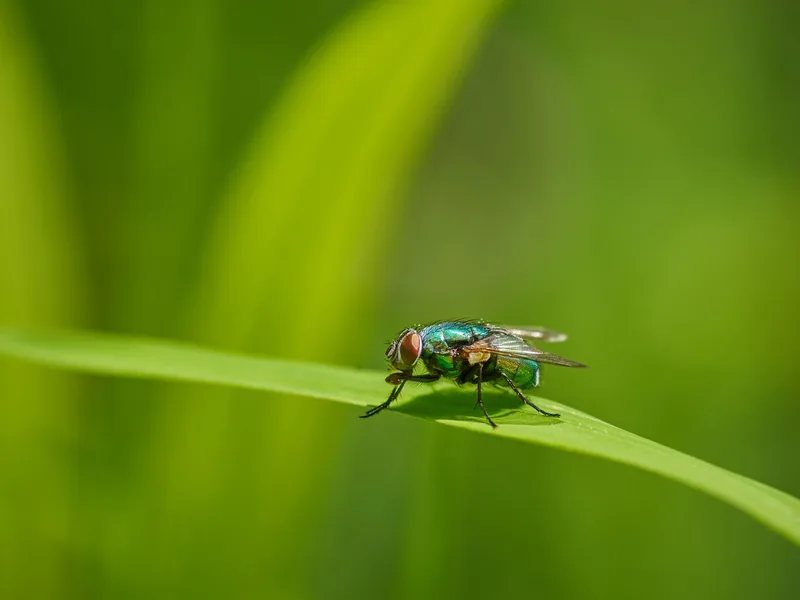
Blow fly
Blow flies arrive from vacant plots, decomposing rubble, and contaminated water pooling around foundations and unfinished drainage lines.
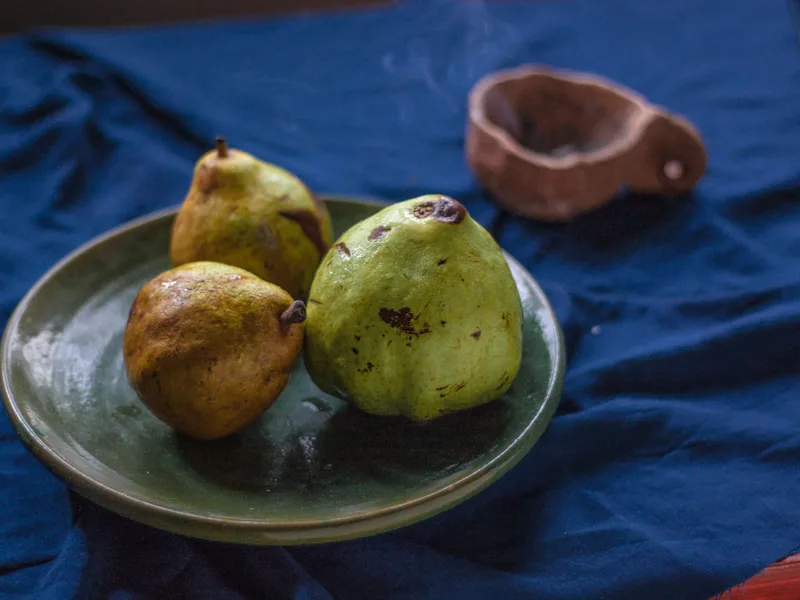
Fermenting residue
Fermenting residue collects in excavation pits and standing water between foundation lines, sites we must reach to prevent emergence of new flies.
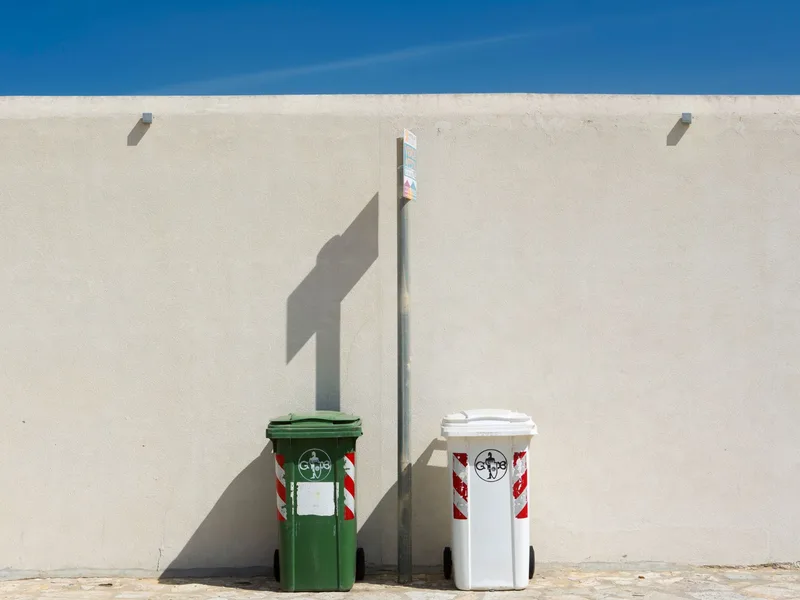
The bin base
Bin bases in Al Kawthar contaminate quickly from site dust and excess moisture, attracting flies that feed and breed in the debris beneath.
The film inside a drain
Drain films form rapidly in incomplete sewer networks and exposed piping throughout the district, creating persistent breeding populations underground.

The service door and its mesh
Service doors and mesh screens on new villas need regular inspection because flies exploit any small opening as an entry point from nearby sites.
How we work
-
1
Inspect and trace the source
We trace the flies back to their medium: waste and the bin area, floor traps, drain runs and any standing organic wetness, and we identify the species from its size, its flight and where it settles.
-
2
Treat the breeding medium
Washing and scouring bin bases and floor traps, and a foam that treats the film inside the pipe, because removing the medium is the only thing that stops production.
-
3
Treat the resting surfaces
A fly spends most of its time settled on ceilings, cables, the tops of walls and the sunlit wall outside the door, and that is where the residual and the bait go, not into the air.
-
4
Proofing and the follow-up
We close the ways in and sort out the screens and the doors, then come back on a date matching the emergence of the pupae that were already in the medium on the first visit.
What fly control includes
-

A source tracing inspection
The species, the breeding medium and the route in, established before anything is applied.
-

Drains and floor traps
Scouring the film stuck inside the pipe and treating it with foam, which is where drain flies come from and almost nowhere else.
-

Residual on the resting surfaces
Ceilings, cables, the tops of walls and the sunlit wall outside the door, kept off food preparation surfaces.
-

Fly bait in protected positions
An attractant bait set at bin areas and service entrances, out of reach of children and pets and away from food.
-

Aftercare instructions
Ventilation, what to cover, and what needs a screen, an air curtain or a different waste routine.
-

A scheduled follow-up
A set date matching the emergence of the pupae, and re-treatment of any source still producing.
Landmarks of Al Kawthar
Al Kawthar extends from Prince Khalid bin Abdullah Road, which connects it to surrounding areas, and as the district spreads northward toward Al Masurah Street, the concentration of active redevelopment and wide vacant plots increases, defining the fly pressure and treatment strategy for homes in each section.
- Prince Khalid bin Abdullah Road
- Al Masurah Street
- Al Mubashirin Mosque
- Uqbah ibn Nafi Mosque
- Lulu Hypermarket
Questions about this district
Must a new villa also have the surrounding vacant plots treated?
The vacant plots are the main fly source. Treating the house alone will cut numbers temporarily, but new generations emerging from the sites will return within days. We focus on the villa's exterior drainage points and perimeter, and recommend repeated visits during the warm months when breeding accelerates across all vacant ground nearby.
Why does fly infestation spike sharply right after rainfall in Al Kawthar?
Rain floods the vacant plots and building excavations, turning them into temporary swamps. Fly larvae and pupae buried in the soil hatch rapidly in warm wet conditions. A strong fly wave in the two days after heavy rain is normal and expected because the entire district becomes a perfect nursery.
Does clearing rubble and waste from a building site genuinely reduce flies?
Clearing helps but is not a complete solution. Flies also breed in standing water beneath soil and in hidden cracks. Treating the primary source, sealing drainage entry points, and repeat applications are what actually break the cycle and produce lasting results.
Is a single treatment enough or must Al Kawthar homes be treated monthly?
One treatment kills adults but does not prevent new generations from larvae and pupae. In Al Kawthar especially, with vacant plots and open sites everywhere, repeating every two to three weeks during warm seasons is necessary to break the breeding cycle completely.
Do upper floor flats in a block suffer less fly infestation than ground floors?
Flies reach every floor, but ground level suffers more because it lies closer to sources and drainage openings. Upper flats can defend themselves by closing windows and doors, but flies enter through ventilation shafts and air conditioning ducts. Treatment covers the entire block regardless of floor level to be effective.
Does keeping windows and balcony doors sealed protect the home from outdoor flies?
No. Flies enter through tiny gaps: torn window screens, air conditioning vents, drain pipes, and even brief door openings. Real protection requires repeated treatment of the external source and eliminating flies before they attempt entry, because sealing alone cannot be perfect or sustained indefinitely.
How much does fly control in Al Kawthar cost?
It is set after the inspection, because the price follows the type of infestation, the size of the space, how far it has spread and the number of visits it needs. Send a photo and a description on WhatsApp and we will give you an estimate before we reach Al Kawthar.
Nearby districts we cover
Other services in Al Kawthar
Other services we provide to residents of Al Kawthar.
-
 Residential
Cockroach control
Residential
Cockroach control
-
 Residential
Bed bug control
Residential
Bed bug control
-
 Residential
Termite control
Residential
Termite control
-
 Residential
Rodents and mice
Residential
Rodents and mice
-
 Residential
Mosquito control
Residential
Mosquito control
-
 Residential
Ant control
Residential
Ant control
-
 Residential
Gecko control
Residential
Gecko control
-
 Residential
Scorpion control
Residential
Scorpion control
-
 Residential
Snake control
Residential
Snake control
-
 Residential
Flea control
Residential
Flea control
-
 Residential
Bird and pigeon control
Residential
Bird and pigeon control
-
 Residential
Preventive treatment
Residential
Preventive treatment
-
 Residential
Disinfection
Residential
Disinfection
-
 Commercial
Annual contracts
Commercial
Annual contracts
-
 Commercial
Restaurants and cafes
Commercial
Restaurants and cafes
-
 Commercial
Hotels and apartments
Commercial
Hotels and apartments
-
 Commercial
Warehouses and factories
Commercial
Warehouses and factories
-
 Commercial
Schools and nurseries
Commercial
Schools and nurseries
-
 Commercial
Retail and malls
Commercial
Retail and malls
-
 Commercial
Rest houses and farms
Commercial
Rest houses and farms
-
 Commercial
Fumigation
Commercial
Fumigation
-
 Water tanks
Water tank cleaning
Water tanks
Water tank cleaning
-
 Water tanks
Water tank sterilization
Water tanks
Water tank sterilization
-
 Water tanks
Water tank sealing
Water tanks
Water tank sealing
-
 Water tanks
Tank leak repair
Water tanks
Tank leak repair
Need fly control in Al Kawthar? Tell us what you saw and we will tell you what it needs
We reach Al Kawthar at a time we agree, and you get the full cost before we start.