
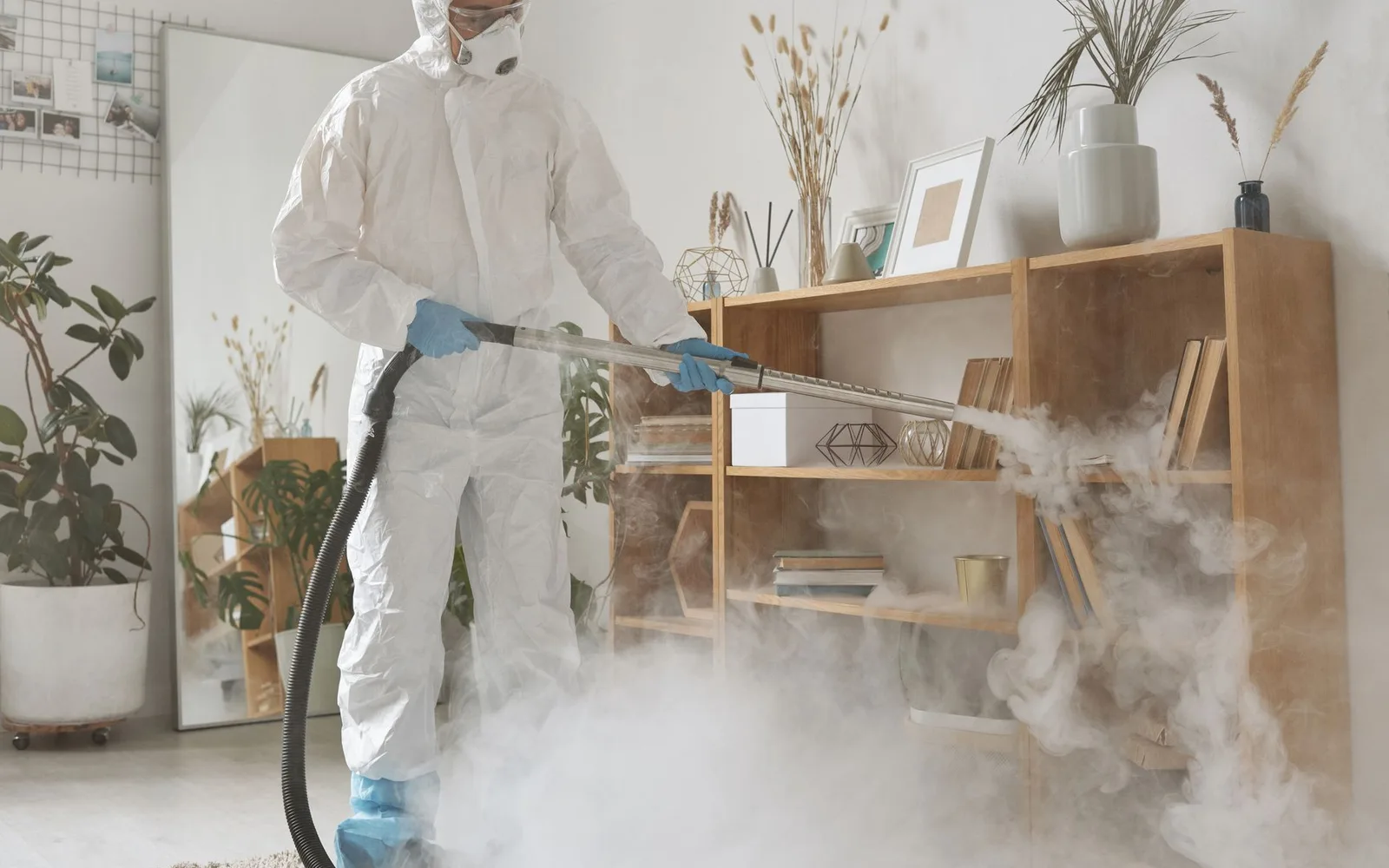
Fumigation in Ajyad Makkah
Ajyad is a densely packed quarter of pilgrim hotels and residential blocks pressed against the southern courtyards of the Grand Mosque. Food stocks and grain stores are present in nearly every building, and year-round heat and high humidity create ideal conditions for storage pests. Fumigation here requires tight sealing of narrow, stacked spaces in hotels and apartment blocks.
-
Targeted, not broadcast
Product goes into cracks and runways, never sprayed across open surfaces.
-
Told before we start
What we will use, where it goes, and what to cover or move before we arrive.
-
A follow-up visit
We return after the first treatment, because what survives it does not show on the day.
-
Homes and businesses
Apartments and villas, and kitchens and stores that need a record of each visit.
Why they keep coming back in Ajyad
Buildings here mix old apartment blocks with modern hotel towers, and grain, flour and dry goods stores are common in basement levels and sealed storage rooms. The method is set out in full on our Fumigation service.
Sealed basements in residential and hotel blocks
Hotels and apartment buildings in Ajyad hold dark, cramped basement stores. These hold grain, flour, rice and dates, with high humidity and poor ventilation.
Seasonal food stockpiling for pilgrims and residents
During Hajj and Umrah seasons, food stock in hotels and apartments surges. Materials bagged and boxed on bare floors create ideal habitat for storage pests.
Trapped heat and moisture year-round
Ajyad sits pressed against the Mosque, and tall buildings reduce natural airflow. Trapped heat and moisture from old foundations beneath the quarter create a warm, damp environment for pests.
Ajyad on the map
Ajyad sits about 0.5 km from Al Hajlah and about 2 km from Al Mansour.
Open in Google MapsWhat decides whether fumigation is the right method
A dense mixed residential and tourist quarter adjoining the Grand Mosque walls from the south, bounded by Ajyad Street, Jabal Khandamah and Ajyad Al Sadd, with Ajyad Emergency Hospital at its centre and towering hotel blocks rising steeply.
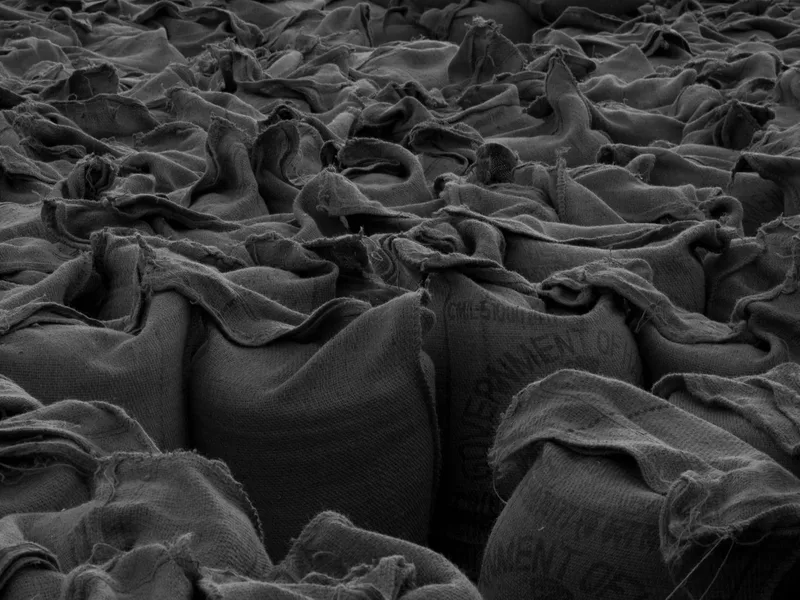
Grain and feed
Pests target grain, flour, rice, semolina and nuts stored in sealed basement levels of hotels and apartment blocks.

Cartons and packaging
Pest species include weevils, beetles and moths feeding on stored grain and dry products in stacks.
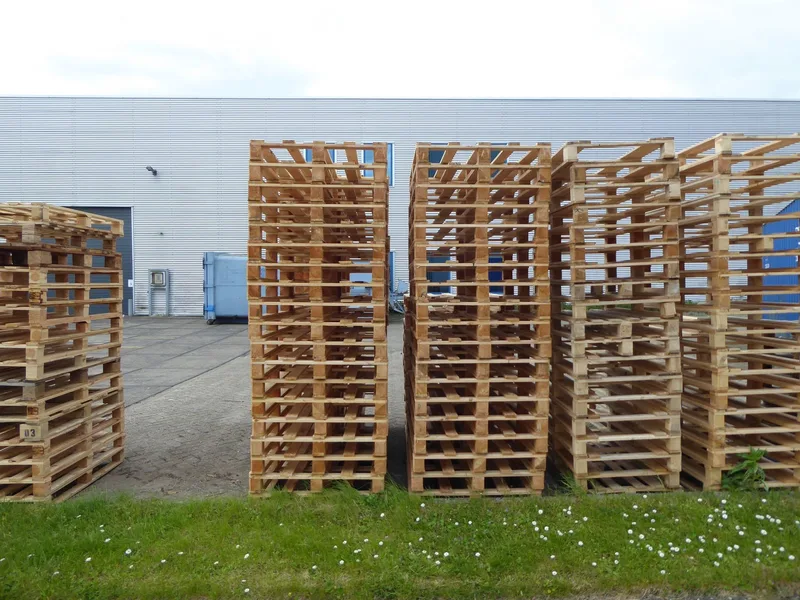
Pallets and timber
Sealed, tight stores require firm sealing of openings, cracks and store doors before gas is introduced.
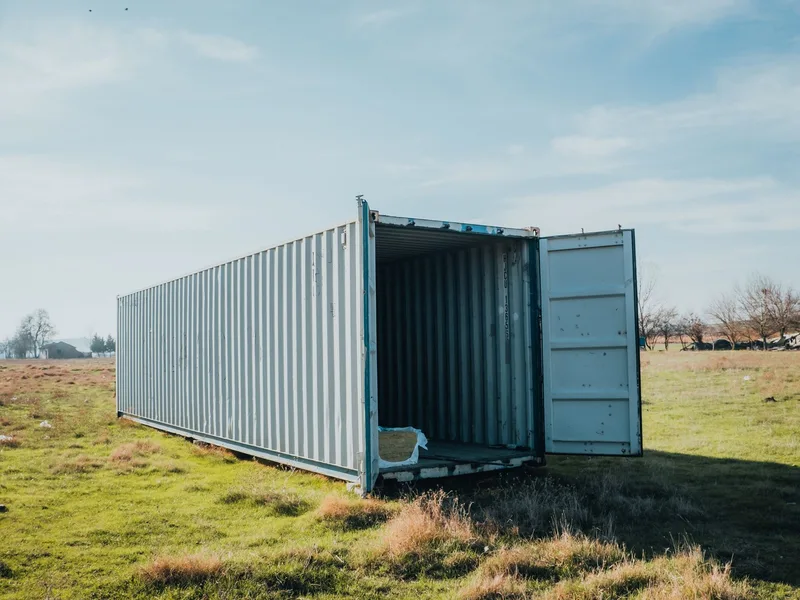
Containers and consignments
High moisture and trapped heat in basements create ideal pest breeding conditions year-round.
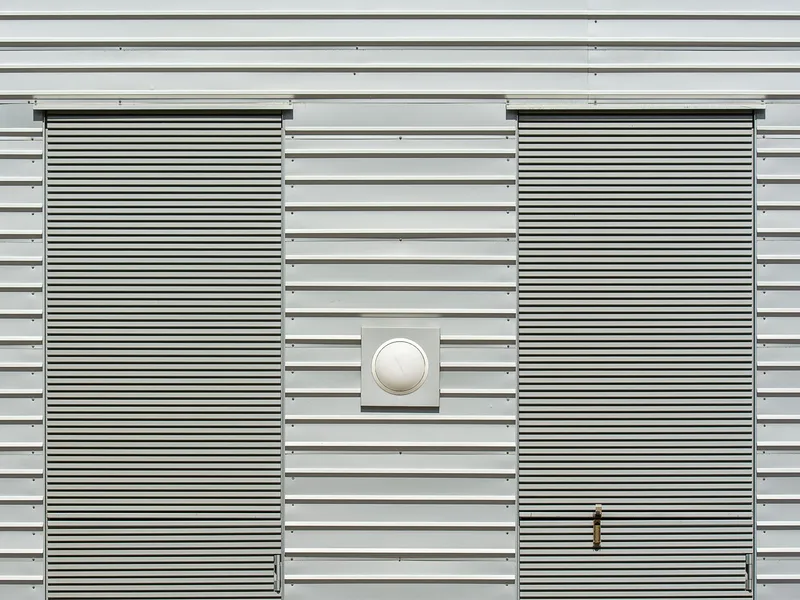
Where the gas escapes
Pests live in the grain itself and soil on the store floor, so gas must reach the right concentration to kill all life stages.
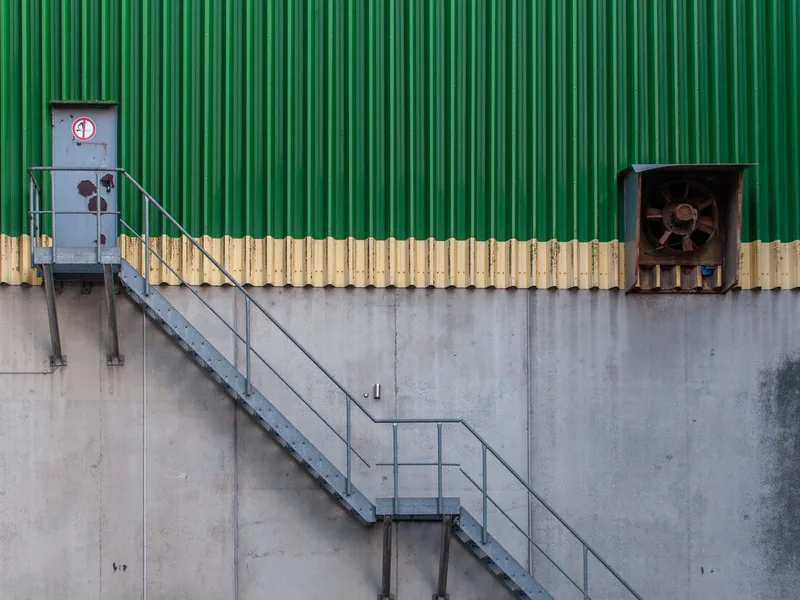
Aeration afterwards
After fumigation, visible signs of pest activity such as grain holes and empty galleries decline sharply.
How we work
-
1
Survey and sampling
We identify the pest and its stage, go through the stock, the racking and the corners, measure the volume, and establish whether the place can be sealed as it stands or a sheeted enclosure has to be built over the stacks.
-
2
Sealing and preparation
Sheeting sealed to the floor around the stacks or the room closed up, vents, drains and door edges shut, the area emptied of people and warning signage placed before anything is introduced.
-
3
Gas introduction and monitored exposure
The dose is calculated from the volume, the commodity and its temperature, and readings through the period confirm the concentration is still there at the end of the exposure and not only at the start.
-
4
Aeration, clearance and the record
Forced ventilation, then repeated readings until the space is handed back, and a report covering what was found, how the enclosure was built, the exposure period, the readings and what needs correcting at goods inwards.
What fumigation includes
-

A recorded survey
Pest and stage, samples from the commodity, and the volume of the space, before fumigation is decided on at all.
-

Sealing the enclosure
Vents, floor drains, door edges and cable runs, which is where the gas goes if nobody closes them.
-

Dosing and monitored exposure
Dose set by volume, commodity and temperature, with readings tracking the concentration to the end of the exposure.
-

Aeration and clearance readings
Extraction and forced ventilation, then repeated readings, and the space is not opened to staff until a reading allows it.
-

Monitoring points afterwards
Pheromone traps and check points on the goods inwards route, because fumigation leaves nothing behind to protect what arrives next.
-

The report and a follow-up visit
A written record of the work and its readings, and a date to re-check the stock and deal with anything new.
What is different about Ajyad Sub-Municipality
Ajyad sub municipality takes in the districts that press against the Grand Mosque from the south and west: Ajyad, Al Hajlah, Al Shubaikah, Al Tandabawi and Al Mansour. Hotels and rented apartment blocks for Umrah visitors stack up along Ajyad Street and Ibrahim Al Khalil Street, with kitchens and restaurants running aday and night in season. Behind them, Al Shubaikah and Al Tandabawi keep narrow old lanes on hillside ground where buildings and drains are ageing, and demolition and construction sites are a constant presence around Jabal Omar and the central zone.
Questions about this district
Why do storage pests appear in Ajyad hotels and residential buildings?
Food stock is abundant and heat and humidity are high, while sealed stores offer safe habitat. Grain, flour and nuts are ideal pest food.
Is one fumigation enough or do we need repeated treatment in Ajyad?
Fumigation is very effective if done correctly. But if new food enters or humidity remains high, pests may return after months.
How do we handle very tight basement stores?
We measure volume precisely and calculate the correct gas dose. Tight spaces need very firm sealing to ensure gas penetrates everywhere.
Is fumigation safe for residential buildings next to hotels?
Yes if the entire building is evacuated and all openings closed. We post warnings and await full aeration before allowing re-entry.
Do we fumigate empty stores or only those holding stock?
Fumigation targets infested stock only. Empty stores need deep cleaning and airing but not gas if truly empty.
How long after fumigation before the area can be re-entered?
Aeration takes hours to a full day depending on space size and ventilation. We take gas readings before allowing re-entry.
How much does fumigation in Ajyad cost?
It is set after the inspection, because the price follows the type of infestation, the size of the space, how far it has spread and the number of visits it needs. Send a photo and a description on WhatsApp and we will give you an estimate before we reach Ajyad.
Nearby districts we cover
Other services in Ajyad
Other services we provide to residents of Ajyad.
-
 Commercial
Annual contracts
-
 Commercial
Restaurants and cafes
-
 Commercial
Hotels and apartments
-
 Commercial
Warehouses and factories
Need fumigation in Ajyad? Tell us what you saw and we will tell you what it needs
We reach Ajyad at a time we agree, and you get the full cost before we start.