
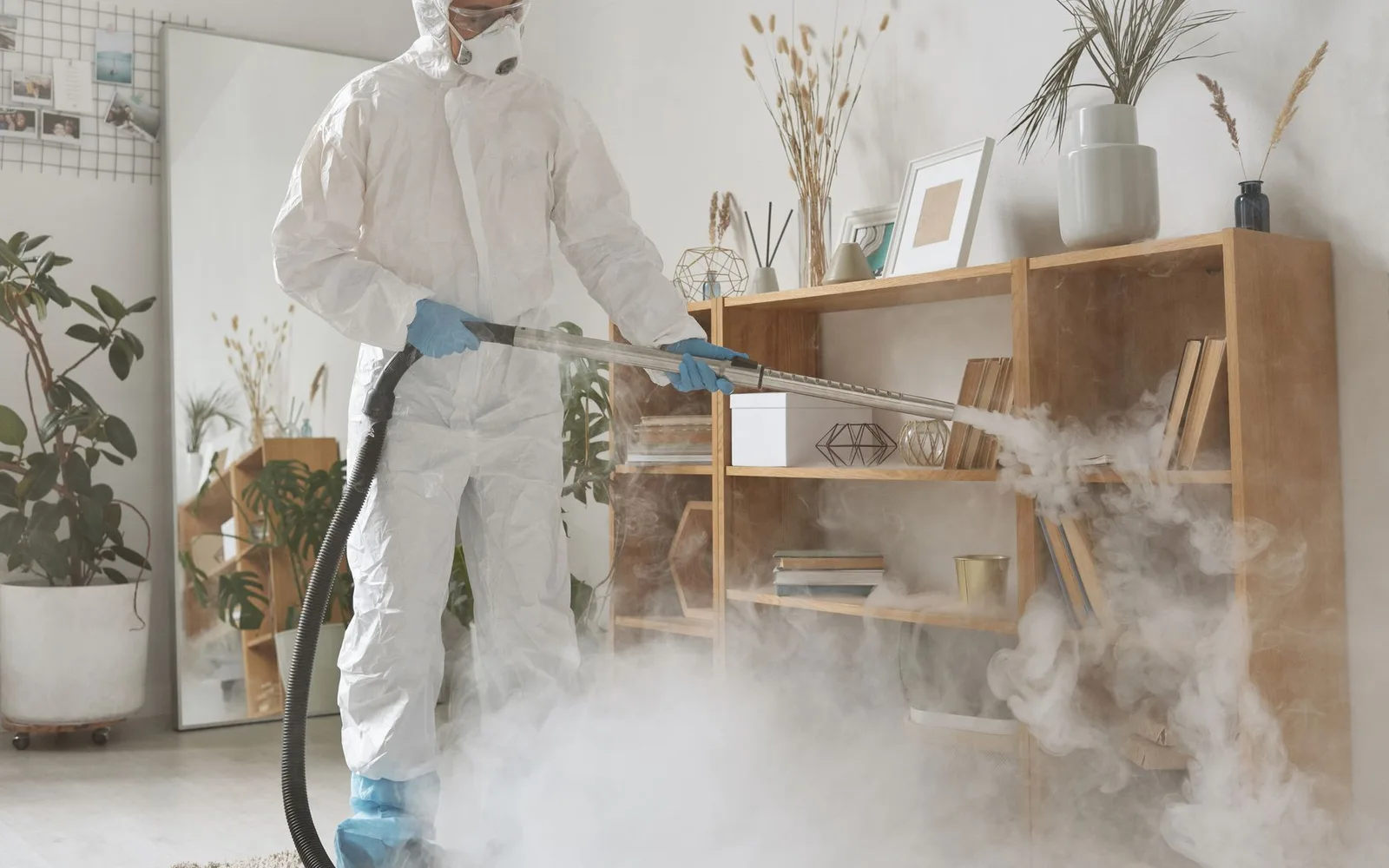
Fumigation in Al Misfalah Makkah
Fumigation in Al Misfalah confronts layered challenges because it is an old, densely packed district immediately south of the Grand Mosque. Aged apartment blocks, small hotels and restaurants are stacked at high density along Ibrahim Al Khalil Street. Connected rooftops, shared passages and aged plumbing enable insects to migrate between buildings with remarkable speed.
-
Targeted, not broadcast
Product goes into cracks and runways, never sprayed across open surfaces.
-
Told before we start
What we will use, where it goes, and what to cover or move before we arrive.
-
A follow-up visit
We return after the first treatment, because what survives it does not show on the day.
-
Homes and businesses
Apartments and villas, and kitchens and stores that need a record of each visit.
Why they keep coming back in Al Misfalah
The oldest lanes such as Al Kakiyah and Al Qudwah contain buildings many decades old, and workers and residents move freely across shared rooftops and passages that buildings use as common circulation. The method is set out in full on Fumigation in detail.
Connected rooftops enable insect migration between buildings
Old apartment blocks in Al Misfalah are so closely spaced that rooftops either touch or are separated by low parapets only. Cockroaches and silverfish move readily from roof to roof between adjacent hotels and restaurants. Surface fumigation alone may fail if shared roofs and the voids beneath them are not treated.
Old pipes and runs carry insects and keep them moist
Aged water and sewage pipes in narrow lanes are leaking, corroded and provide constant moisture. Insects inhabit the underground voids and travel through them easily, requiring intensive treatment and measurements taken in sub-surface gaps and junctions.
Restaurants and shops provide constant food supply
Ibrahim Al Khalil Street is lined with restaurants and shop kitchens open day and night. Grease and food scraps in pipes and voids offer permanent food sources for insect populations. Fumigation must reach ductwork runs and gaps in walls that separate commercial and residential spaces.
The character of Al Misfalah
Apartment district: residential blocks, repeated floors and shared entrances
Old apartment blocks and densely packed restaurants in Al Misfalah require specialist fumigation that understands aged construction, leaking sewage lines and hidden voids between the connected rooftops and underground passages that link adjacent buildings.
What decides whether fumigation is the right method
Old construction and shared walls with visible rusted pipes in narrow lanes create a maze of hidden voids. Ageing drainage and leaking sewage lines provide constant moisture under the ground, and building services run visibly up exterior walls between units.
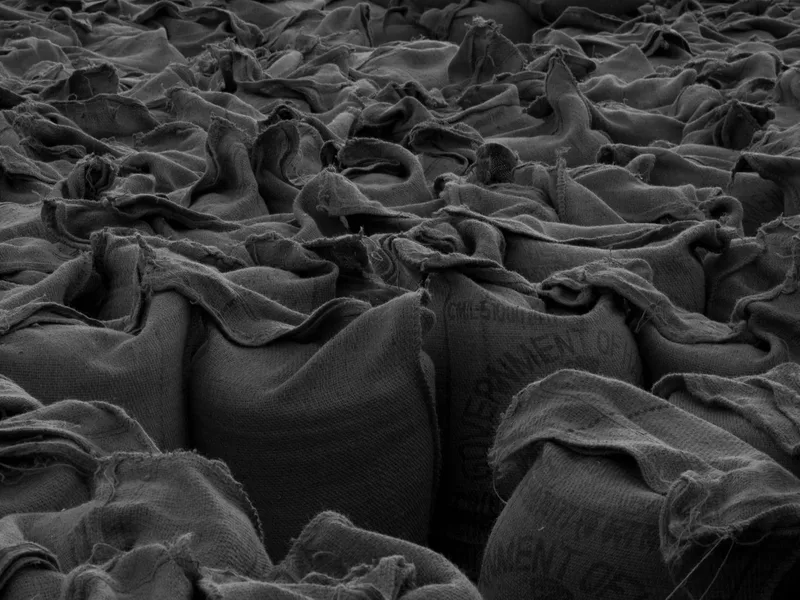
Grain and feed
Grain and feed stocks are kept in small store rooms under some hotels and restaurants, especially in the old lanes where traditional meals are prepared.

Cartons and packaging
Cardboard and packaging accumulate heavily in restaurant store rooms and cramped sub-surface vaults, retaining moisture and harbouring insects in every fold.
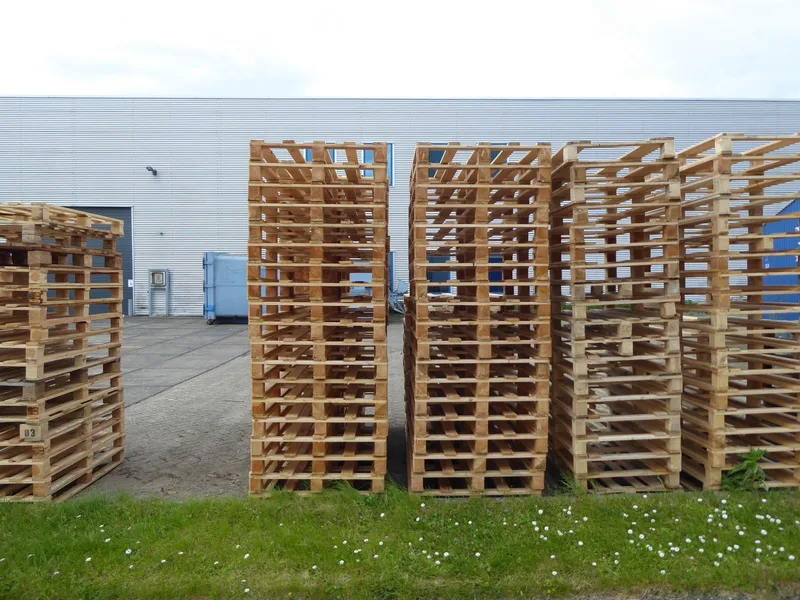
Pallets and timber
Pallets and timber appear in simple furnishings and aged shelving, particularly in tight lanes where buildings are old and maintenance deferred.
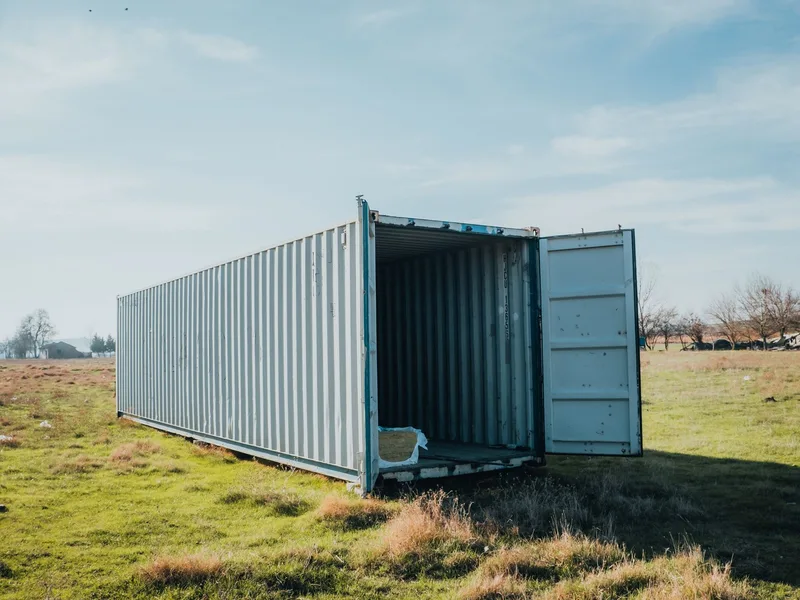
Containers and consignments
Shipping containers arrive daily with restaurant deliveries and shop stock, and may carry insects from outside the district.
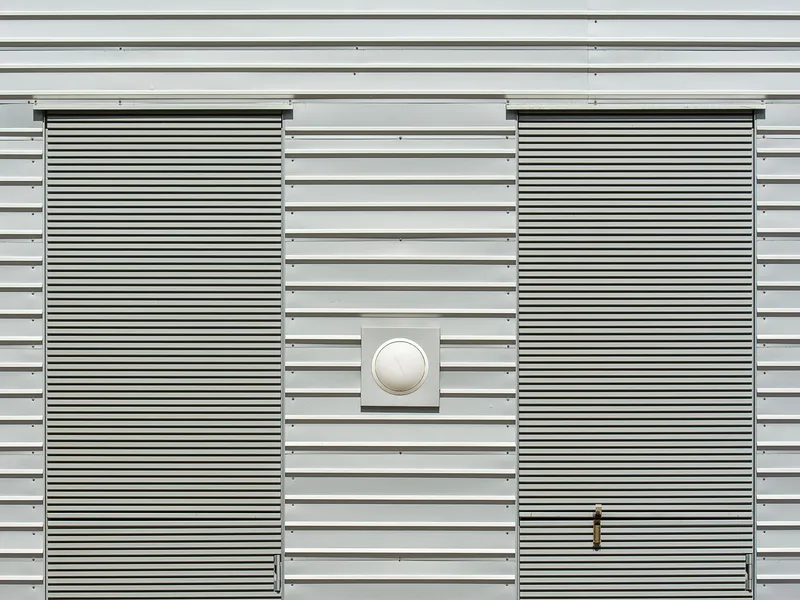
Where the gas escapes
Gas escapes through multiple openings in aged pipework and cracked walls, so all visible gaps must be sealed completely before introduction.
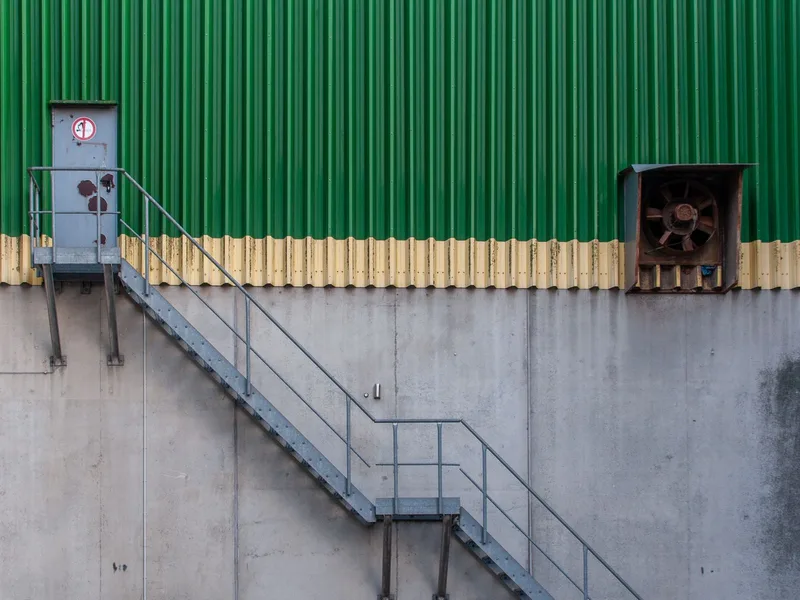
Aeration afterwards
Post-fumigation aeration requires opening every window and door and running fans in narrow lanes where air movement is naturally poor and temperature inversions trap air.
How we work
-
1
Survey and sampling
We identify the pest and its stage, go through the stock, the racking and the corners, measure the volume, and establish whether the place can be sealed as it stands or a sheeted enclosure has to be built over the stacks.
-
2
Sealing and preparation
Sheeting sealed to the floor around the stacks or the room closed up, vents, drains and door edges shut, the area emptied of people and warning signage placed before anything is introduced.
-
3
Gas introduction and monitored exposure
The dose is calculated from the volume, the commodity and its temperature, and readings through the period confirm the concentration is still there at the end of the exposure and not only at the start.
-
4
Aeration, clearance and the record
Forced ventilation, then repeated readings until the space is handed back, and a report covering what was found, how the enclosure was built, the exposure period, the readings and what needs correcting at goods inwards.
What fumigation includes
-

A recorded survey
Pest and stage, samples from the commodity, and the volume of the space, before fumigation is decided on at all.
-

Sealing the enclosure
Vents, floor drains, door edges and cable runs, which is where the gas goes if nobody closes them.
-

Dosing and monitored exposure
Dose set by volume, commodity and temperature, with readings tracking the concentration to the end of the exposure.
-

Aeration and clearance readings
Extraction and forced ventilation, then repeated readings, and the space is not opened to staff until a reading allows it.
-

Monitoring points afterwards
Pheromone traps and check points on the goods inwards route, because fumigation leaves nothing behind to protect what arrives next.
-

The report and a follow-up visit
A written record of the work and its readings, and a date to re-check the stock and deal with anything new.
What is different about Al Misfalah Sub-Municipality
Al Misfalah sub municipality runs downhill from the south of the Grand Mosque through Al Misfalah, Kudai and Al Rawabi to Al Taqwa, Al Hindawiyah, Al Khalidiyah and Al Rusayfah at the third ring road. The northern end is old apartment blocks and pilgrim hotels with restaurants along Ibrahim Al Khalil Street and the huge coach parks at Kudai. The south and west are dense popular districts with countless small shops and unplanned hillside housing, some of it already cleared for redevelopment, giving way to orderly land grant schemes in Al Rusayfah beside the railway station.
Questions about this district
Can a single building on Ibrahim Al Khalil Street be fumigated without treating neighbouring buildings?
Yes, but insects will return from shared rooftops and underground voids. We recommend co-ordinating with neighbouring owners for simultaneous treatment if infestation is severe.
How do we handle old corroded pipes and rusted runs?
We seal visible openings with tight tape before fumigation starts. Gas seeps through the fine cracks in rust and reaches insects within. After aeration we verify no toxic residue remains.
Do connected rooftops need special treatment?
Yes. We treat rooftops as part of the enclosed space. We seal gaps between rooftops and calculate gas dose on the basis that it will reach the entire roof area of the building.
Do insects establish colonies in pipes and underground voids?
Yes. Moisture, darkness and food seeping from pipes create ideal conditions. We take measurements in small junctions and chamber openings to confirm gas reaches them.
Do underground voids in old lanes need separate treatment?
They may, if infestation is severe and shared sub-surface voids exist. We inspect first, then decide whether additional fumigation is necessary.
What if resident families occupy some flats and cannot evacuate them?
We require complete building evacuation during fumigation. If that is not possible, we treat one unit at a time with careful sealing between flats.
How much does fumigation in Al Misfalah cost?
It is set after the inspection, because the price follows the type of infestation, the size of the space, how far it has spread and the number of visits it needs. Send a photo and a description on WhatsApp and we will give you an estimate before we reach Al Misfalah.
Other services in Al Misfalah
Other services we provide to residents of Al Misfalah.
-
 Residential
Cockroach control
Residential
Cockroach control
-
 Residential
Bed bug control
Residential
Bed bug control
-
 Residential
Termite control
Residential
Termite control
-
 Residential
Rodents and mice
Residential
Rodents and mice
-
 Residential
Mosquito control
Residential
Mosquito control
-
 Residential
Fly control
Residential
Fly control
-
 Residential
Ant control
Residential
Ant control
-
 Residential
Gecko control
Residential
Gecko control
-
 Residential
Scorpion control
Residential
Scorpion control
-
 Residential
Snake control
Residential
Snake control
-
 Residential
Flea control
Residential
Flea control
-
 Residential
Bird and pigeon control
Residential
Bird and pigeon control
-
 Residential
Preventive treatment
Residential
Preventive treatment
-
 Residential
Disinfection
Residential
Disinfection
-
 Commercial
Annual contracts
Commercial
Annual contracts
-
 Commercial
Restaurants and cafes
Commercial
Restaurants and cafes
-
 Commercial
Hotels and apartments
Commercial
Hotels and apartments
-
 Commercial
Warehouses and factories
Commercial
Warehouses and factories
-
 Commercial
Schools and nurseries
Commercial
Schools and nurseries
-
 Commercial
Retail and malls
Commercial
Retail and malls
-
 Commercial
Rest houses and farms
Commercial
Rest houses and farms
-
 Water tanks
Water tank cleaning
Water tanks
Water tank cleaning
-
 Water tanks
Water tank sterilization
Water tanks
Water tank sterilization
-
 Water tanks
Water tank sealing
Water tanks
Water tank sealing
-
 Water tanks
Tank leak repair
Water tanks
Tank leak repair
Need fumigation in Al Misfalah? Tell us what you saw and we will tell you what it needs
We reach Al Misfalah at a time we agree, and you get the full cost before we start.