
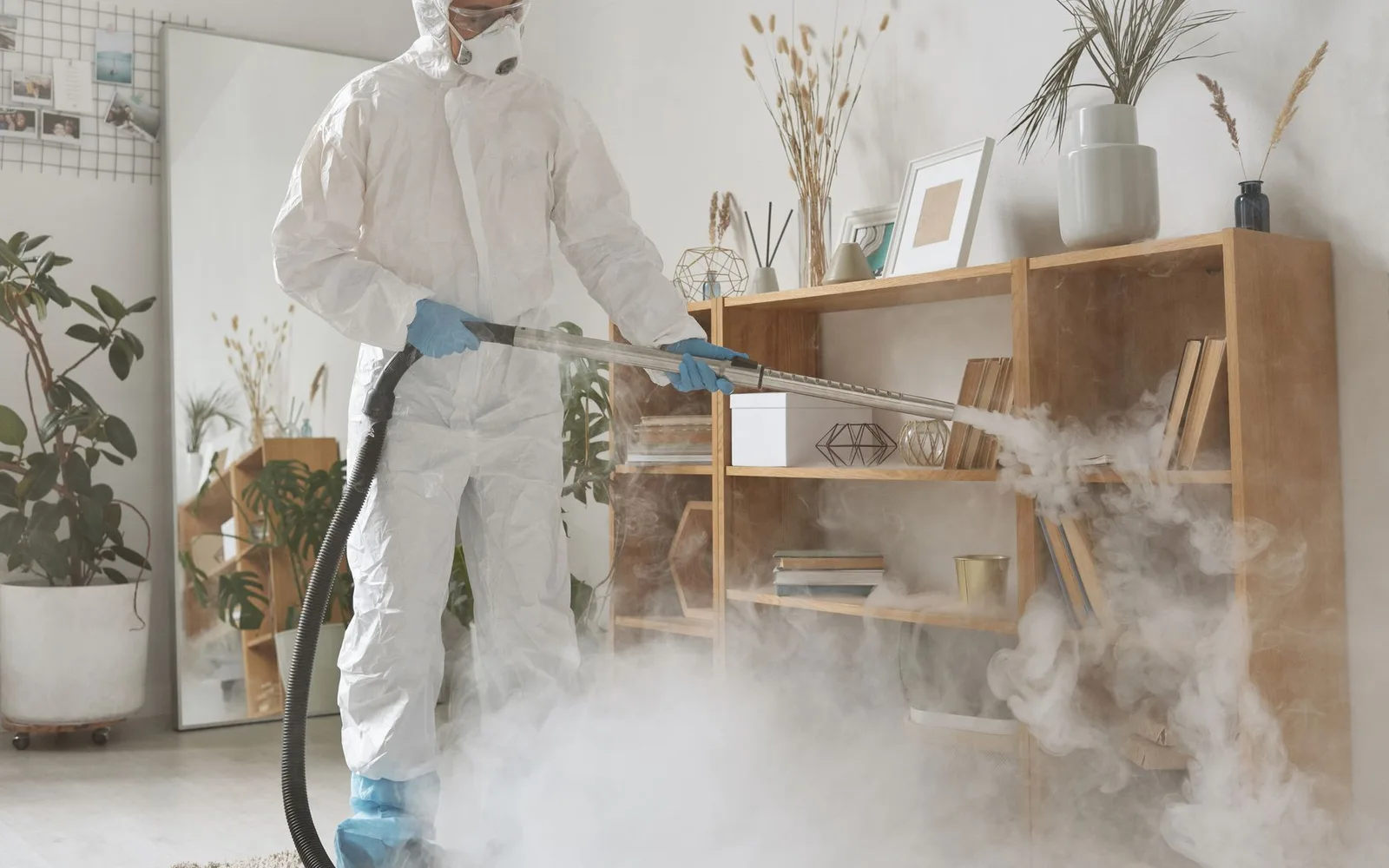
Fumigation in Al Nakhil Jeddah
Al Nakhil is a mixed eastern district built between Palestine Road and King Abdullah Branch Road where recent housing schemes and modern apartments rise alongside villas and small shops. Built on desert soil far from coastal humidity, yet rapid development left old storage spaces and makeshift warehouses at its edges.
-
Targeted, not broadcast
Product goes into cracks and runways, never sprayed across open surfaces.
-
Told before we start
What we will use, where it goes, and what to cover or move before we arrive.
-
A follow-up visit
We return after the first treatment, because what survives it does not show on the day.
-
Homes and businesses
Apartments and villas, and kitchens and stores that need a record of each visit.
Why they keep coming back in Al Nakhil
Open digging and ongoing construction around the area draw rodents from exposed soil, and temporary storage multiplies with each new housing project. The method is set out in full on Fumigation in detail.
New district on untreated desert soil
Al Nakhil was built on previously uninhabited desert, and current excavations expose ancient rodent tunnels in the soil. Modern flats and villas were not built with underground rodent barriers, so mice and rats can enter through small gaps under foundations if any opening exists where utilities enter the building.
Apartments, villas and shops: three fumigation layers
The district holds apartments, villas and mixed buildings with ground floor shops, and fumigation must treat each type separately because villas have gardens and different ventilation from flats in towers. Gas moves differently through each building type.
Active building sites and temporary storage
Around Al Nakhil stand active construction sites and temporary material stores. These warehouses are pest sources because materials are stacked quickly without monitoring, and insects move easily from a makeshift store to a nearby residential house where they establish feeding and breeding grounds.
The character of Al Nakhil
Mixed district: shops at street level with homes above them
Mixed housing means villa owners may close their homes for long periods and infestation grows unwatched, whilst flat residents return daily and spot problems quickly. Fumigation needs different treatment for each building type and coordination with residents who may not cooperate because they feel distant from the pest problem.
What decides whether fumigation is the right method
An eastern district built between Palestine Road and King Abdullah Branch Road with recent housing schemes and apartment buildings mixed with small shops, where ongoing development has left open excavations and temporary building storage.
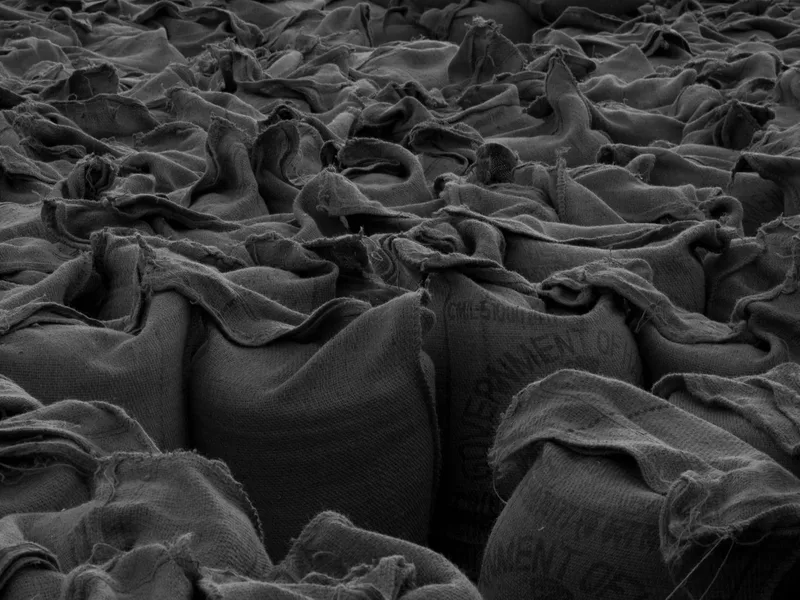
Grain and feed
Modern apartments and villas may store grains, nuts and pulses in sealed kitchen cabinets, but makeshift stores around building sites stack grain and animal feed bags with no protection.

Cartons and packaging
Cardboard from furniture and decor deliveries to new villas stacks in gardens and side passages before disposal.
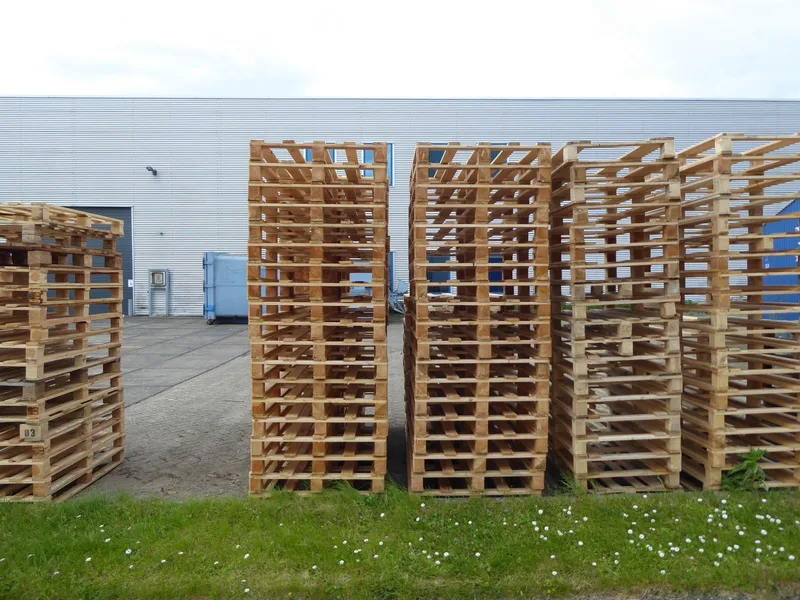
Pallets and timber
Timber and wooden boards from building and renovation work sometimes remain in gardens and yards for weeks before removal.
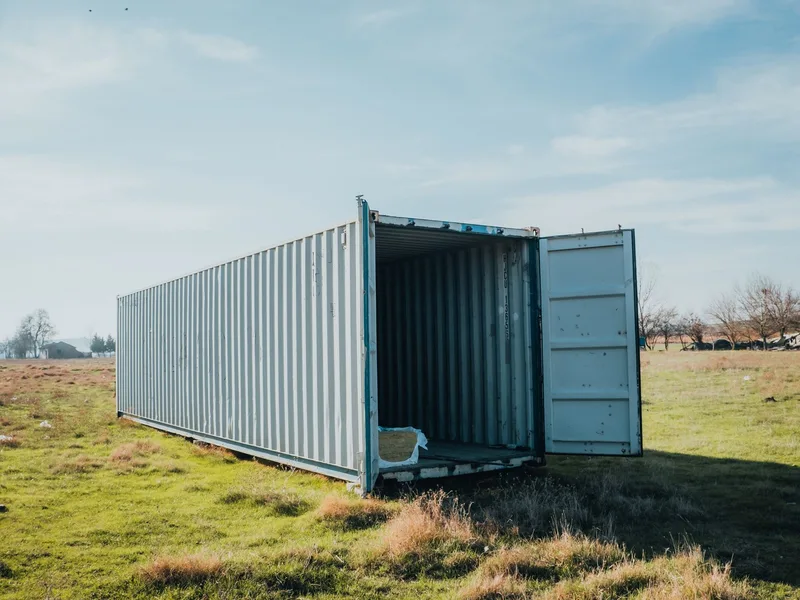
Containers and consignments
Cartons and sacks from daily deliveries to apartments and villas may sit in the entrance or garden for hours before moving inside.
Where the gas escapes
Underground drainage openings and pipes around foundations are entry points for rodents and insects from soil, and new villas may lack adequate seals around these openings.
Aeration afterwards
Post treatment aeration for villas must include gardens and outdoor passages because gas may linger in exterior zones and soil around foundations.
How we work
-
1
Survey and sampling
We identify the pest and its stage, go through the stock, the racking and the corners, measure the volume, and establish whether the place can be sealed as it stands or a sheeted enclosure has to be built over the stacks.
-
2
Sealing and preparation
Sheeting sealed to the floor around the stacks or the room closed up, vents, drains and door edges shut, the area emptied of people and warning signage placed before anything is introduced.
-
3
Gas introduction and monitored exposure
The dose is calculated from the volume, the commodity and its temperature, and readings through the period confirm the concentration is still there at the end of the exposure and not only at the start.
-
4
Aeration, clearance and the record
Forced ventilation, then repeated readings until the space is handed back, and a report covering what was found, how the enclosure was built, the exposure period, the readings and what needs correcting at goods inwards.
What fumigation includes
-

A recorded survey
Pest and stage, samples from the commodity, and the volume of the space, before fumigation is decided on at all.
-

Sealing the enclosure
Vents, floor drains, door edges and cable runs, which is where the gas goes if nobody closes them.
-

Dosing and monitored exposure
Dose set by volume, commodity and temperature, with readings tracking the concentration to the end of the exposure.
-

Aeration and clearance readings
Extraction and forced ventilation, then repeated readings, and the space is not opened to staff until a reading allows it.
-

Monitoring points afterwards
Pheromone traps and check points on the goods inwards route, because fumigation leaves nothing behind to protect what arrives next.
-

The report and a follow-up visit
A written record of the work and its readings, and a date to re-check the stock and deal with anything new.
What is different about Umm Al Salam Sub-Municipality
The Umm Al Salam sub municipality covers the east and south east of Jeddah along the Old Makkah Road and the Haramain Road. It pairs recently planned districts such as Al Wahah, Al Nakhil and Al Shuruq with popular districts that grew outside formal planning, including Al Harazat, Al Mahamid and Umm Al Salam. The older areas have ageing drainage, unpaved streets and vacant plots where building waste collects, conditions that suit rodents, cockroaches and ants. The newer areas are ringed by half built subdivisions and open excavations.
Questions about this district
Can rodents from the desert soil enter a villa through the foundations?
Yes, modern villas built directly on desert soil may lack adequate underground barriers. If small cracks or gaps exist around pipes entering under the foundation, rodents can enter, especially at night when they are most active.
Is fumigating modern villas in Al Nakhil different from apartment flats?
Yes, villas have private gardens, deep foundations and more natural ventilation than apartment flats. Villa fumigation may take longer in the garden and outdoor passages, and we may need to treat the soil around foundations if rodent burrows are present.
What about temporary warehouses around building sites in Al Nakhil?
Temporary stores contain wooden pieces, cement bags, sand and steel rebar. These materials attract insects and rodents, and if the stores are not fumigated regularly, they become a continuing pest source for neighbouring villas and apartments.
Could Al Nakhil Park or the walking promenade be a pest source?
Yes, public parks provide food, water and shelter for insects and rodents, and the promenade attracts frogs and small reptiles which in turn attract feeding insects. Pest control is harder near public green spaces.
Do old drainage networks in neighbouring Al Wahah affect Al Nakhil?
Yes, Al Wahah is older and may have ageing drainage networks. Insects and rodents can travel through those pipes to Al Nakhil if the pipes are close or connected to the newer district's drainage.
How often do modern villas in Al Nakhil need annual fumigation?
Modern villas with deep foundations may need assessment every three months, and fumigation frequency depends on signs of infestation or rodent activity. Nearness to active building sites may increase the frequency needed.
How much does fumigation in Al Nakhil cost?
It is set after the inspection, because the price follows the type of infestation, the size of the space, how far it has spread and the number of visits it needs. Send a photo and a description on WhatsApp and we will give you an estimate before we reach Al Nakhil.
Other services in Al Nakhil
Other services we provide to residents of Al Nakhil.
-
 Residential
Cockroach control
Residential
Cockroach control
-
 Residential
Bed bug control
Residential
Bed bug control
-
 Residential
Termite control
Residential
Termite control
-
 Residential
Rodents and mice
Residential
Rodents and mice
-
 Residential
Mosquito control
Residential
Mosquito control
-
 Residential
Fly control
Residential
Fly control
-
 Residential
Ant control
Residential
Ant control
-
 Residential
Gecko control
Residential
Gecko control
-
 Residential
Scorpion control
Residential
Scorpion control
-
 Residential
Snake control
Residential
Snake control
-
 Residential
Flea control
Residential
Flea control
-
 Residential
Bird and pigeon control
Residential
Bird and pigeon control
-
 Residential
Preventive treatment
Residential
Preventive treatment
-
 Residential
Disinfection
Residential
Disinfection
-
 Commercial
Annual contracts
Commercial
Annual contracts
-
 Commercial
Restaurants and cafes
Commercial
Restaurants and cafes
-
 Commercial
Hotels and apartments
Commercial
Hotels and apartments
-
 Commercial
Warehouses and factories
Commercial
Warehouses and factories
-
 Commercial
Schools and nurseries
Commercial
Schools and nurseries
-
 Commercial
Retail and malls
Commercial
Retail and malls
-
 Commercial
Rest houses and farms
Commercial
Rest houses and farms
-
 Water tanks
Water tank cleaning
Water tanks
Water tank cleaning
-
 Water tanks
Water tank sterilization
Water tanks
Water tank sterilization
-
 Water tanks
Water tank sealing
Water tanks
Water tank sealing
-
 Water tanks
Tank leak repair
Water tanks
Tank leak repair
Need fumigation in Al Nakhil? Tell us what you saw and we will tell you what it needs
We reach Al Nakhil at a time we agree, and you get the full cost before we start.