
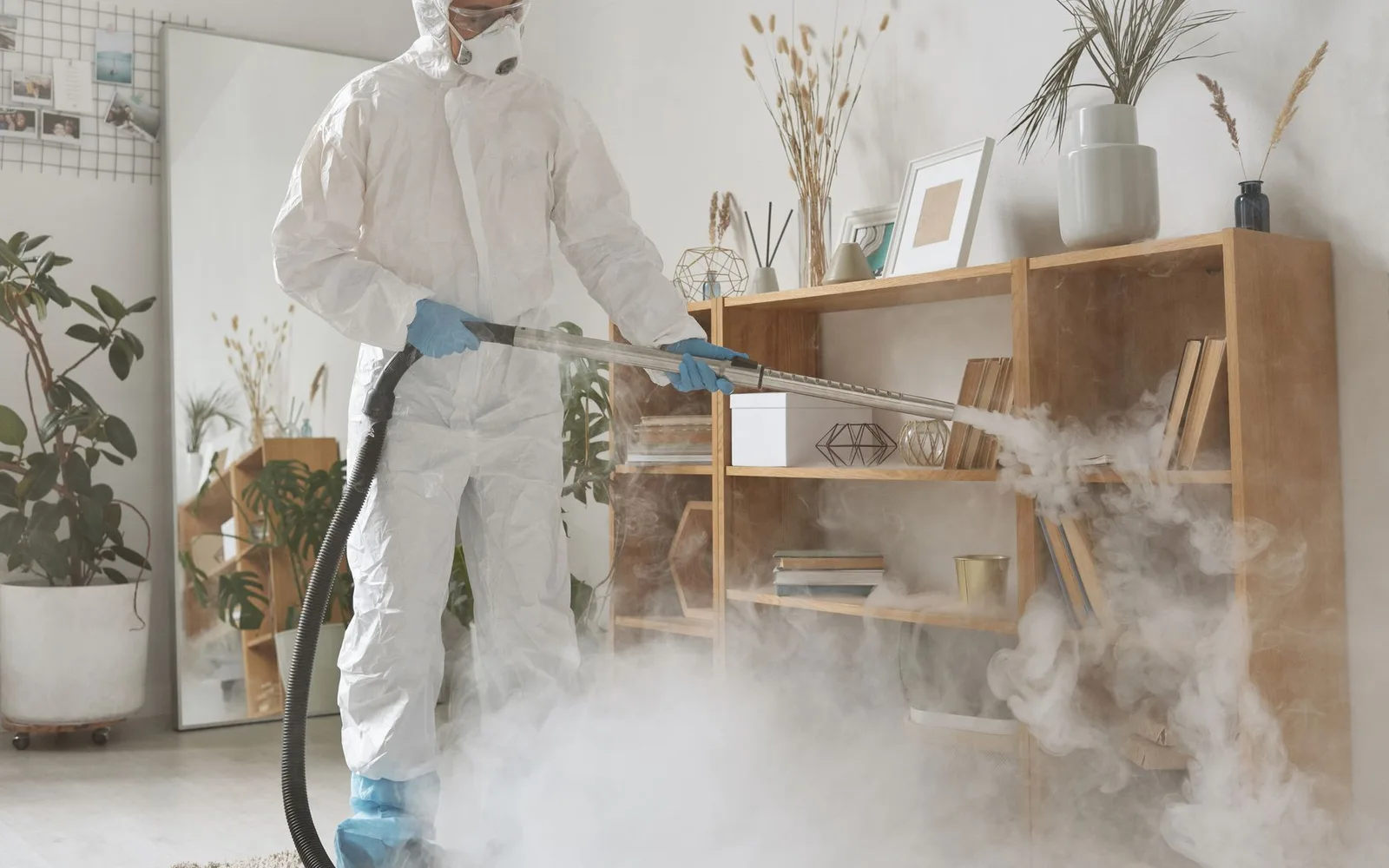
Fumigation in Al Taysir Makkah
Al Taysir is a multi storey district directly west of the Grand Mosque, with hotel towers and residential blocks let to Umrah visitors, restaurants and shops lining Al Taysir Street and Umm Al Qura Road. Fumigation here must manage the intense seasonal flow of pilgrims and visitors carrying luggage that may harbour insects, and rapid aeration is essential because hotels and flats must be ready to receive fresh guests.
-
Targeted, not broadcast
Product goes into cracks and runways, never sprayed across open surfaces.
-
Told before we start
What we will use, where it goes, and what to cover or move before we arrive.
-
A follow-up visit
We return after the first treatment, because what survives it does not show on the day.
-
Homes and businesses
Apartments and villas, and kitchens and stores that need a record of each visit.
Why they keep coming back in Al Taysir
The intense seasonal movement of pilgrims brings cockroaches, bedbugs and mosquitoes into hotel rooms and flats, and ants and rodents nest in the gaps between the storeys of tall buildings. The method is set out in full on how we approach Fumigation.
Seasonal visitor turnover introduces new insects constantly
In Al Taysir, thousands of pilgrims arrive daily carrying luggage that may hold insects or eggs. Hotels and flats require rapid fumigation between guests, with complete aeration before the next group arrives.
Bedding and furnishings require specialist handling
Mattresses in hotels and rental apartments may carry bedbugs left by previous guests. Fumigation must reach inside every mattress, every piece of soft furniture, without damaging them.
Crowding and constant movement spreads insects between rooms
High occupancy and continuous guest movement in hotels and flats make it easy for insects to spread between rooms via shared corridors and staircases. Fumigation must treat shared areas and passages as well as the guest rooms.
Landmarks of Al Taysir
Al Taysir is positioned directly on Al Taysir Street and Umm Al Qura Road, making hotel fumigation work easily accessible from transport hubs along Umm Al Qura Road, and closer to the Grand Mosque and King Abdulaziz Hospital for coordinated scheduling and guest logistics.
- Al Taysir Street
- Umm Al Qura Road
- King Abdulaziz Hospital
- The Grand Mosque
What decides whether fumigation is the right method
Al Taysir is bounded to the south by Umm Al Qura Road and neighboured by Jarwal and Al Zahir, containing hotels, tall residential towers and furnished apartments let seasonally to pilgrims and tourists.
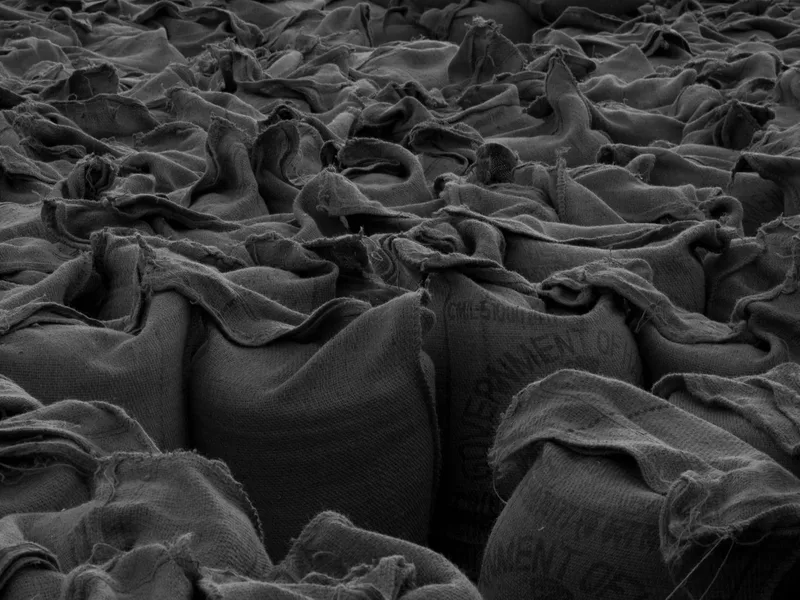
Grain and feed
Grain and feed stocks stored in Al Taysir restaurants and cafes attract insects, and fumigation reaches underground food storage areas and kitchen storerooms.

Cartons and packaging
Boxed goods and packaging from incoming shipments may carry insects, and fumigation destroys pests before goods are unpacked in restaurants and shops.
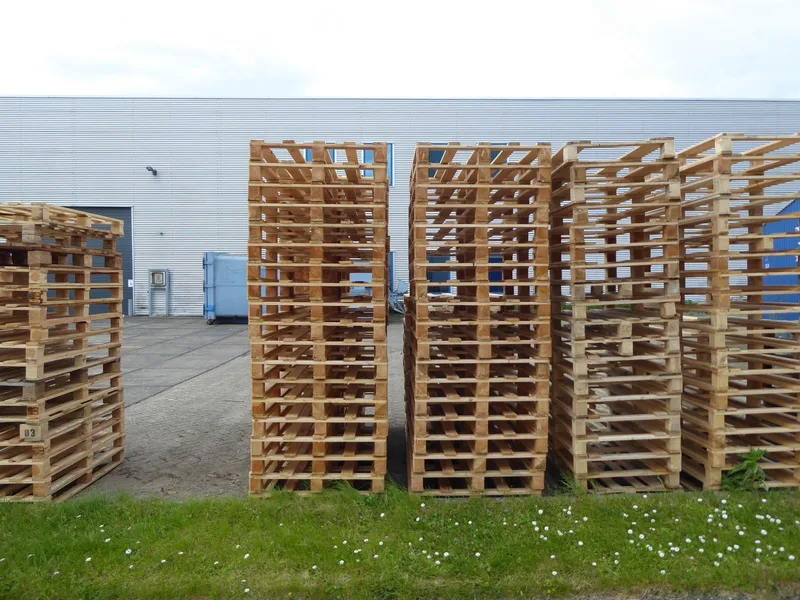
Pallets and timber
Pallets and timber used in deliveries of goods may harbour pests, and fumigation eliminates insects before warehouse stock is distributed.
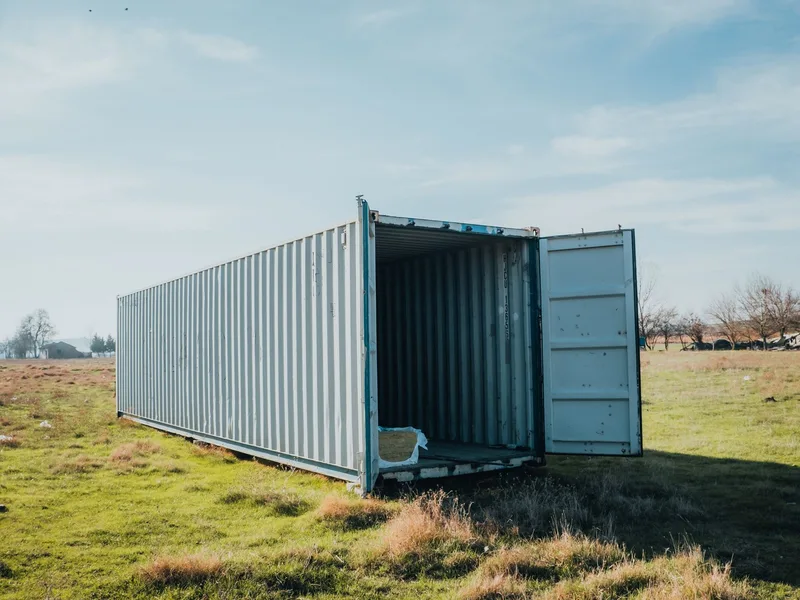
Containers and consignments
Sealed containers and crates arriving at Al Taysir shops and eateries from supply warehouses may carry hidden insects, and regular fumigation destroys them before they spread.
Where the gas escapes
Gaps around service pipes and vertical passages between storeys are the insects' main transit routes, and the fumigation gas penetrates them to kill pests sheltering inside conduits.
Aeration afterwards
Aeration after fumigation requires opening windows, doors and vertical ventilation shafts, and hotels must be fully aired before fresh guests are admitted.
How we work
-
1
Survey and sampling
We identify the pest and its stage, go through the stock, the racking and the corners, measure the volume, and establish whether the place can be sealed as it stands or a sheeted enclosure has to be built over the stacks.
-
2
Sealing and preparation
Sheeting sealed to the floor around the stacks or the room closed up, vents, drains and door edges shut, the area emptied of people and warning signage placed before anything is introduced.
-
3
Gas introduction and monitored exposure
The dose is calculated from the volume, the commodity and its temperature, and readings through the period confirm the concentration is still there at the end of the exposure and not only at the start.
-
4
Aeration, clearance and the record
Forced ventilation, then repeated readings until the space is handed back, and a report covering what was found, how the enclosure was built, the exposure period, the readings and what needs correcting at goods inwards.
What fumigation includes
-

A recorded survey
Pest and stage, samples from the commodity, and the volume of the space, before fumigation is decided on at all.
-

Sealing the enclosure
Vents, floor drains, door edges and cable runs, which is where the gas goes if nobody closes them.
-

Dosing and monitored exposure
Dose set by volume, commodity and temperature, with readings tracking the concentration to the end of the exposure.
-

Aeration and clearance readings
Extraction and forced ventilation, then repeated readings, and the space is not opened to staff until a reading allows it.
-

Monitoring points afterwards
Pheromone traps and check points on the goods inwards route, because fumigation leaves nothing behind to protect what arrives next.
-

The report and a follow-up visit
A written record of the work and its readings, and a date to re-check the stock and deal with anything new.
What is different about Al Ghazza Sub-Municipality
Al Ghazza sub municipality wraps around the north and west of the Grand Mosque, from Al Shamiyah, Al Qararah and Shaib Amir round to Jarwal and Al Taysir. Large tracts were cleared for the northern expansion and the Rua Al Haram scheme, leaving excavated ground and open construction sites beside ageing blocks that now serve as dense seasonal lodgings in Jarwal and Al Taysir. Old flood paths still fall from Jabal Qaiqaan and Jabal Khandamah towards the mosque, and markets and eateries crowd Al Masjid Al Haram Road and Umm Al Qura Road.
Questions about this district
Can we fumigate a pilgrim hotel without vacating every guest?
Yes. Specific wings or floors can be fumigated while guests occupy other sections. Empty rooms are treated first, then aerated and made ready for guests to be moved into as other sections are treated.
How often should we fumigate a seasonal hotel in Al Taysir yearly?
In Al Taysir, seasonal hotels for pilgrims need intensive fumigation during peak seasons, as often as monthly or every two months. Weekly treatment may be necessary during the busiest pilgrimage times.
Will fumigation mark or damage mattresses, bedding and furniture?
The fumigation gas is safe for furniture and textiles. After complete aeration, no marks, stains or odour remain on mattresses, bedding or any furnishings.
What pests are typically found in Al Taysir pilgrim hotels?
Bedbugs and cockroaches are most common in hotels and rental flats. Mosquitoes, ants and rodents are also present, especially in hotels near restaurants and drainage areas.
Must we empty the entire hotel or can guests stay in other sections?
The entire hotel need not be emptied. Empty floors or wings are treated first, or the whole building can be fumigated overnight when guest movement is minimal.
Will insects return quickly after fumigation if cracks and openings remain unsealed?
Yes. Unsealed cracks and openings are new entry routes for insects. After fumigation, every gap and crack must be found and sealed, especially around doors and windows.
How much does fumigation in Al Taysir cost?
It is set after the inspection, because the price follows the type of infestation, the size of the space, how far it has spread and the number of visits it needs. Send a photo and a description on WhatsApp and we will give you an estimate before we reach Al Taysir.
Other services in Al Taysir
Other services we provide to residents of Al Taysir.
-
 Residential
Cockroach control
Residential
Cockroach control
-
 Residential
Bed bug control
Residential
Bed bug control
-
 Residential
Termite control
Residential
Termite control
-
 Residential
Rodents and mice
Residential
Rodents and mice
-
 Residential
Mosquito control
Residential
Mosquito control
-
 Residential
Fly control
Residential
Fly control
-
 Residential
Ant control
Residential
Ant control
-
 Residential
Gecko control
Residential
Gecko control
-
 Residential
Scorpion control
Residential
Scorpion control
-
 Residential
Snake control
Residential
Snake control
-
 Residential
Flea control
Residential
Flea control
-
 Residential
Bird and pigeon control
Residential
Bird and pigeon control
-
 Residential
Preventive treatment
Residential
Preventive treatment
-
 Residential
Disinfection
Residential
Disinfection
-
 Commercial
Annual contracts
Commercial
Annual contracts
-
 Commercial
Restaurants and cafes
Commercial
Restaurants and cafes
-
 Commercial
Hotels and apartments
Commercial
Hotels and apartments
-
 Commercial
Warehouses and factories
Commercial
Warehouses and factories
-
 Commercial
Schools and nurseries
Commercial
Schools and nurseries
-
 Commercial
Retail and malls
Commercial
Retail and malls
-
 Commercial
Rest houses and farms
Commercial
Rest houses and farms
-
 Water tanks
Water tank cleaning
Water tanks
Water tank cleaning
-
 Water tanks
Water tank sterilization
Water tanks
Water tank sterilization
-
 Water tanks
Water tank sealing
Water tanks
Water tank sealing
-
 Water tanks
Tank leak repair
Water tanks
Tank leak repair
Need fumigation in Al Taysir? Tell us what you saw and we will tell you what it needs
We reach Al Taysir at a time we agree, and you get the full cost before we start.