
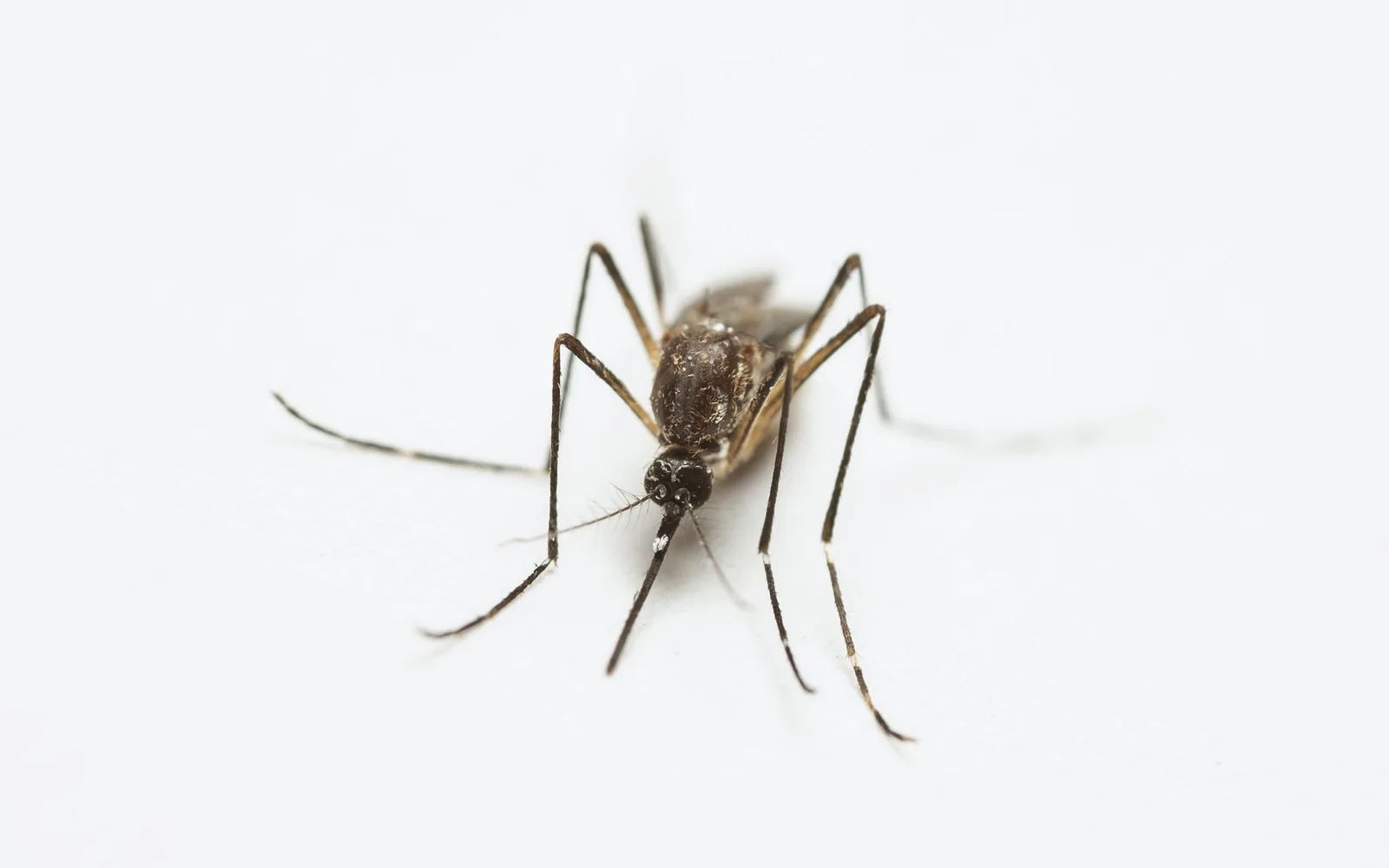
Mosquito control in Sharai Makkah
Sharai is a large residential sprawl north east of Makkah housing apartment buildings, villas and ground floor shops, with standing water pooling in multiple places: shop roofs, the tight gaps between houses, and the vacant plots scattered through the area. Treatment here is different from purely residential neighbourhoods because water sources sit in commercial spaces the residents do not fully control.
-
Targeted, not broadcast
Product goes into cracks and runways, never sprayed across open surfaces.
-
Told before we start
What we will use, where it goes, and what to cover or move before we arrive.
-
A follow-up visit
We return after the first treatment, because what survives it does not show on the day.
-
Homes and businesses
Apartments and villas, and kitchens and stores that need a record of each visit.
Why they keep coming back in Sharai
The ground floor shops leave rinse water and cleaning runoff in back spaces where sun never reaches, and mosquito breeding starts there weeks before other parts of the district. The method is set out in full on Mosquito control in detail.
Standing water behind the commercial units
Shops and cafes water their frontage plants and swab the forecourt, and the overflow seeps into narrow back spaces where no direct sun reaches. This creates a far more stable breeding environment than open gaps, and the water can sit for days before anyone notices.
Shared roofs and the gaps between houses
The apartment blocks built over shops have shared roofs and extremely narrow side gaps. Rainwater pools there and does not drain quickly because the sun cannot reach the lowest point, creating ideal mosquito breeding conditions that only become visible when residents complain about numbers.
Vacant plots scattered between occupied buildings
Undeveloped land sits between finished apartment blocks and villas, collecting water after rainfall. The cemetery and park nearby also hold standing water in certain seasons, hidden in vegetation and difficult to access without cooperation from municipal authorities.
Sharai on the map
Sharai sits about 1.5 km from Salam and about 2 km from Muad.
Open in Google MapsStanding water and shade decide the method
A regular grid of streets lined with shops, cafes and small workshops at street level, where water from daily cleaning and watering accumulates in narrow gaps between buildings and lingering in shadowed corners.
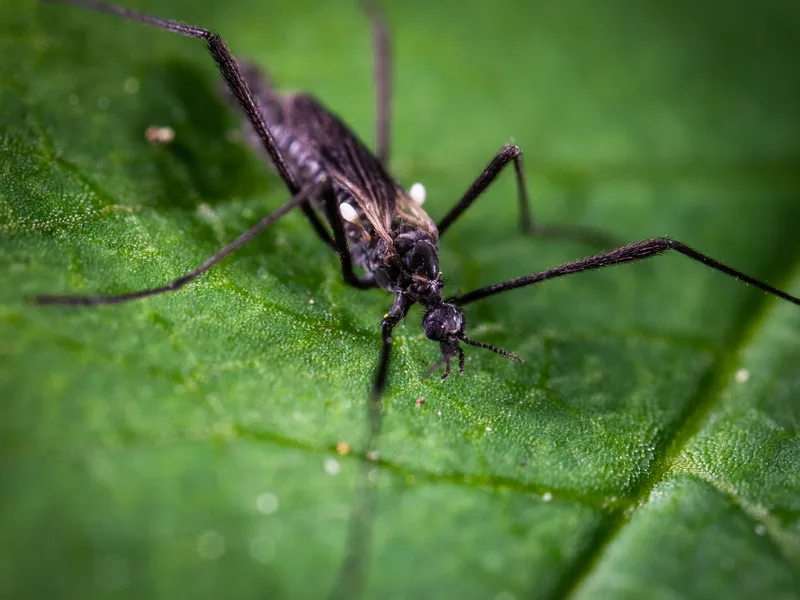
The daytime biter
Daytime biters rest on interior shop walls and in the dark gaps between buildings during the heat of day, with highest densities in corners adjacent to standing water.
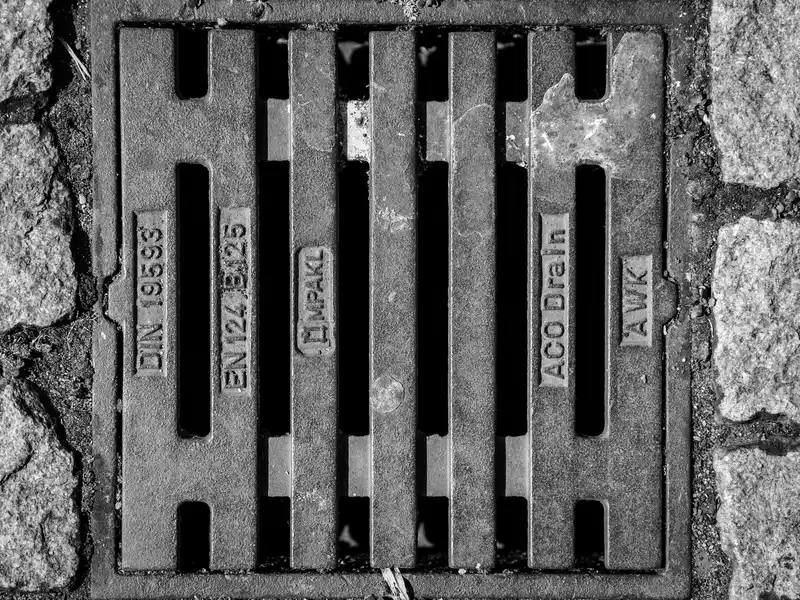
The one that comes out after sunset
After sunset mosquitoes emerge from back spaces and shared roofs to hunt along the main street and into neighbouring villas, with numbers peaking in the hours just after dark.
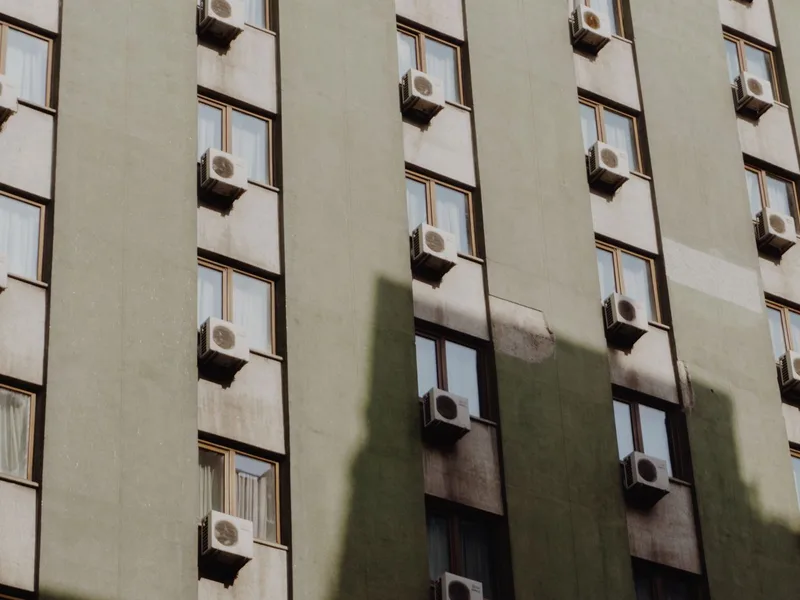
Air-conditioning condensate
Air conditioning condensate from apartments and shops drips into gaps and corners where it pools, providing permanent water sources even through the cooler months.
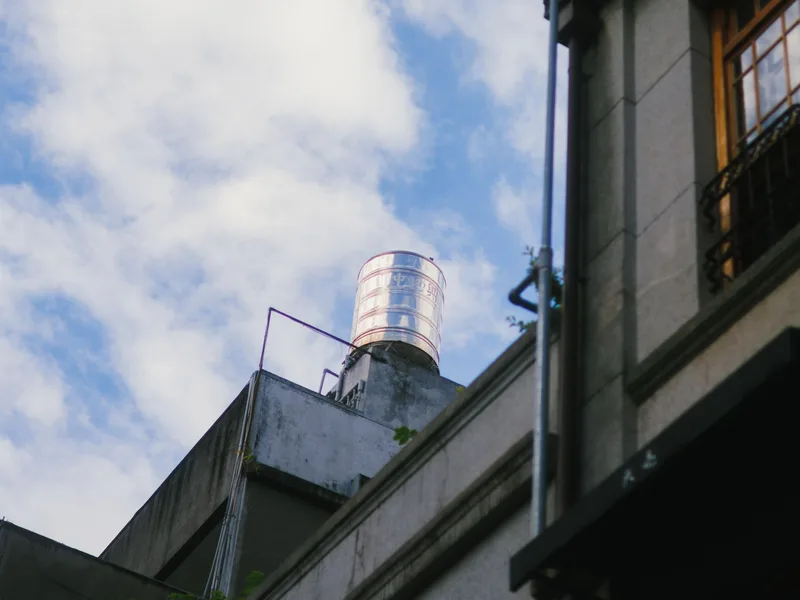
The tank and its openings
Shop and apartment water tanks are sometimes old and poorly sealed, so standing water sits for weeks before emptying schedules demand it, creating extended breeding cycles.

Garden containers and irrigation
Watering containers left in back areas after daily irrigation keep soil damp for a full day after use, and the moisture persists longer in shaded spots.
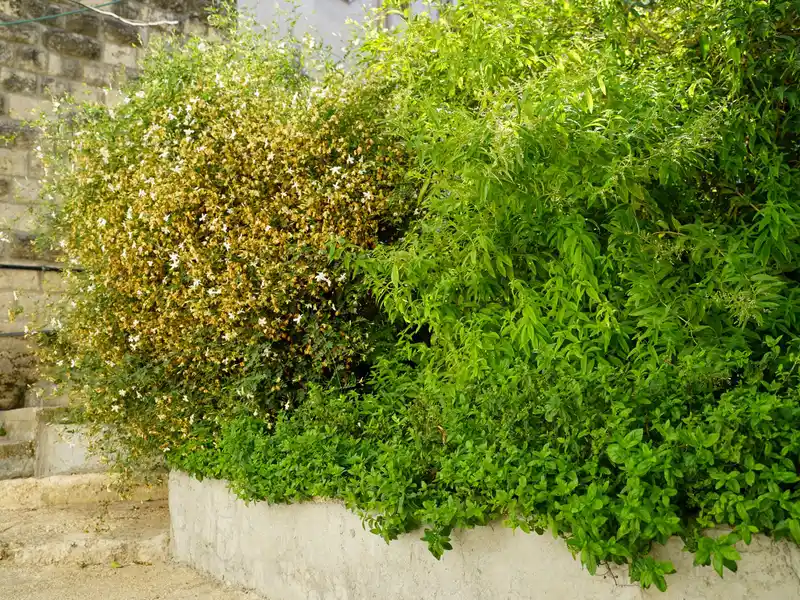
The shade it rests in
Permanent shade in narrow gaps and behind shops provides complete daytime shelter for resting adults, and the constant high humidity there accelerates breeding rates.
How we work
-
1
Inspect and map the water
We walk the perimeter, the roof, the garden, the meter chambers and the condensate runs, record everything that holds water, and read the species from the breeding site and the time of biting.
-
2
Remove the water that can go
Empty, invert, cover: saucers, containers, old tyres and roof gullies. Every point that disappears is a treatment that never needs repeating.
-
3
Larval treatment, then the resting surfaces
Water that cannot be drained is treated so the larva never completes, then a residual goes under planting, beneath outdoor furniture and along low shaded walls.
-
4
The follow-up visit
We come back once the generation that was in the water on the first visit has completed, review every point we recorded and re-treat where needed.
What mosquito control includes
-

A recorded water survey
Roof, perimeter, garden, meter chambers and condensate lines, written down before anything is applied.
-

Draining and covering the sources
Emptying what can be emptied, draining what can be drained, and covering what has to stay full.
-

Larval treatment for the water that stays
For ground tanks, inspection chambers, water features and any permanent water that has to remain.
-

A residual on the resting places
Under trees and shrubs, beneath outdoor furniture and on shaded walls, where the adult sits out the day.
-

Aftercare instructions
What stays inverted, what gets covered, which openings need mesh, and when watering goes back to normal.
-

A scheduled follow-up
A set date after the first treatment, with every recorded water point reviewed and re-treated if the water came back.
Landmarks of Sharai
Sharai sits on King Faisal Road which marks the district's eastern boundary, and Al Sharai Park on its western edge serves as a reference point for organising treatment routes through the different sectors and accessing water sources in both commercial and residential zones.
- King Faisal Road
- Al Sharai Park
- Al Sharai Cemetery
- Al Sudais Mosque
- Sheikh Yasin Khayyat Mosque
- Engineer Omar Qadi Street
Questions about this district
Are the water tanks in the shops and restaurants a major breeding source?
Yes. Open or poorly sealed tanks in commercial units are a primary source, especially in back areas where floors are washed daily and water sits for hours. Older drainage systems in these back spaces often cannot clear the volume, leaving water on the ground overnight.
Is treatment effective in the very narrow gaps between buildings?
Extremely narrow gaps need specialised application because conventional spray coverage cannot reach deep into corners from one side. Mosquitoes enter from both ends and breed in the shadowed centre, so we spray with higher concentration and from multiple angles.
Does daily shop cleaning and water removal prevent breeding?
Daily cleaning reduces sources but does not eliminate them, because fresh water returns daily and back areas out of sight from staff staff retain unseen water for days. Chemical treatment of surfaces is still needed because the water source is persistent.
Does rainfall in Sharai cause worse mosquito problems than other neighbourhoods?
Rain fills narrow gaps and shared roofs very quickly, and older drainage in some apartment blocks is inadequate. Water sits for days longer than it would on a modern villa with efficient slope, turning every gap into a temporary breeding site.
Are the nearby park and cemetery adding to the district's mosquito population?
The park holds standing water seasonally and the cemetery has permanently damp soil and dense shade. Mosquitoes breed there prolifically and disperse into neighbouring homes at dusk, especially in the warm months.
How often does the district need treatment given the commercial units and shop activity?
Sharai needs more frequent treatment than purely residential areas because water sources are multiple and persistent, shops are open constantly, and back spaces are not under resident control. Summer months typically need additional visits every three weeks.
How much does mosquito control in Sharai cost?
It is set after the inspection, because the price follows the type of infestation, the size of the space, how far it has spread and the number of visits it needs. Send a photo and a description on WhatsApp and we will give you an estimate before we reach Sharai.
Other services in Sharai
Other services we provide to residents of Sharai.
-
 Residential
Cockroach control
Residential
Cockroach control
-
 Residential
Bed bug control
Residential
Bed bug control
-
 Residential
Termite control
Residential
Termite control
-
 Residential
Rodents and mice
Residential
Rodents and mice
-
 Residential
Fly control
Residential
Fly control
-
 Residential
Ant control
Residential
Ant control
-
 Residential
Gecko control
Residential
Gecko control
-
 Residential
Scorpion control
Residential
Scorpion control
-
 Residential
Snake control
Residential
Snake control
-
 Residential
Flea control
Residential
Flea control
-
 Residential
Bird and pigeon control
Residential
Bird and pigeon control
-
 Residential
Preventive treatment
Residential
Preventive treatment
-
 Residential
Disinfection
Residential
Disinfection
-
 Commercial
Annual contracts
Commercial
Annual contracts
-
 Commercial
Restaurants and cafes
Commercial
Restaurants and cafes
-
 Commercial
Hotels and apartments
Commercial
Hotels and apartments
-
 Commercial
Warehouses and factories
Commercial
Warehouses and factories
-
 Commercial
Schools and nurseries
Commercial
Schools and nurseries
-
 Commercial
Retail and malls
Commercial
Retail and malls
-
 Commercial
Rest houses and farms
Commercial
Rest houses and farms
-
 Commercial
Fumigation
Commercial
Fumigation
-
 Water tanks
Water tank cleaning
Water tanks
Water tank cleaning
-
 Water tanks
Water tank sterilization
Water tanks
Water tank sterilization
-
 Water tanks
Water tank sealing
Water tanks
Water tank sealing
-
 Water tanks
Tank leak repair
Water tanks
Tank leak repair
Need mosquito control in Sharai? Tell us what you saw and we will tell you what it needs
We reach Sharai at a time we agree, and you get the full cost before we start.