
Termite control in Sharai Makkah
Al Sharai is a broad residential development in north east Makkah along King Faisal Road, laid out just outside the Haram boundary on a regular grid. With villas and apartment blocks set on modern but shallow foundations, irrigated gardens round each plot, and drainage networks still being completed, termites find damp pathways through the shared soil and building stock at ease.
-
Targeted, not broadcast
Product goes into cracks and runways, never sprayed across open surfaces.
-
Told before we start
What we will use, where it goes, and what to cover or move before we arrive.
-
A follow-up visit
We return after the first treatment, because what survives it does not show on the day.
-
Homes and businesses
Apartments and villas, and kitchens and stores that need a record of each visit.
Why they keep coming back in Sharai
The regular grid layout of Sharai creates straight pathways between villas through aligned foundations and shared soil, and a colony starting in one property can move easily along these lines to neighbouring properties. The method is set out in full on Termite control in detail.
Modern villas with relatively shallow foundations
Villas in Al Sharai sit on modern concrete footings that are not deeply set in sandy soil. Timber floors raised slightly above ground leave space for termites to tunnel in from adjacent soil, and villa spacing is close enough that termites move readily between adjacent foundations. The alignment of these foundations creates regular pathways through the soil.
Irrigated gardens and sustained soil moisture
Every villa is surrounded by a garden needing regular irrigation to maintain planting in the dry climate. This irrigation keeps soil perpetually damp around the building, and efficient drainage of this water depends on complete networks still being laid. Al Sharai remains unfinished in places, leaving damp zones where termites thrive.
Cracking and joints in modern concrete footings
Concrete foundations in Al Sharai may crack due to uneven settlement in sandy soil. These cracks offer easy entry for termites into the footing and up into the timber above. Joints between footings, columns and walls are also open passages.
Sharai on the map
Sharai sits about 1.5 km from Salam and about 2 km from Muad.
Open in Google MapsThe evidence that decides the treatment
Laid out on flat to gently sloping ground with a modern but incomplete drainage network, the sandy soil retains moisture from regular garden watering. Foundations are contemporary concrete but not deeply set, and wide regular spacing between blocks leaves the soil as connecting ground between properties.
Mud tubes
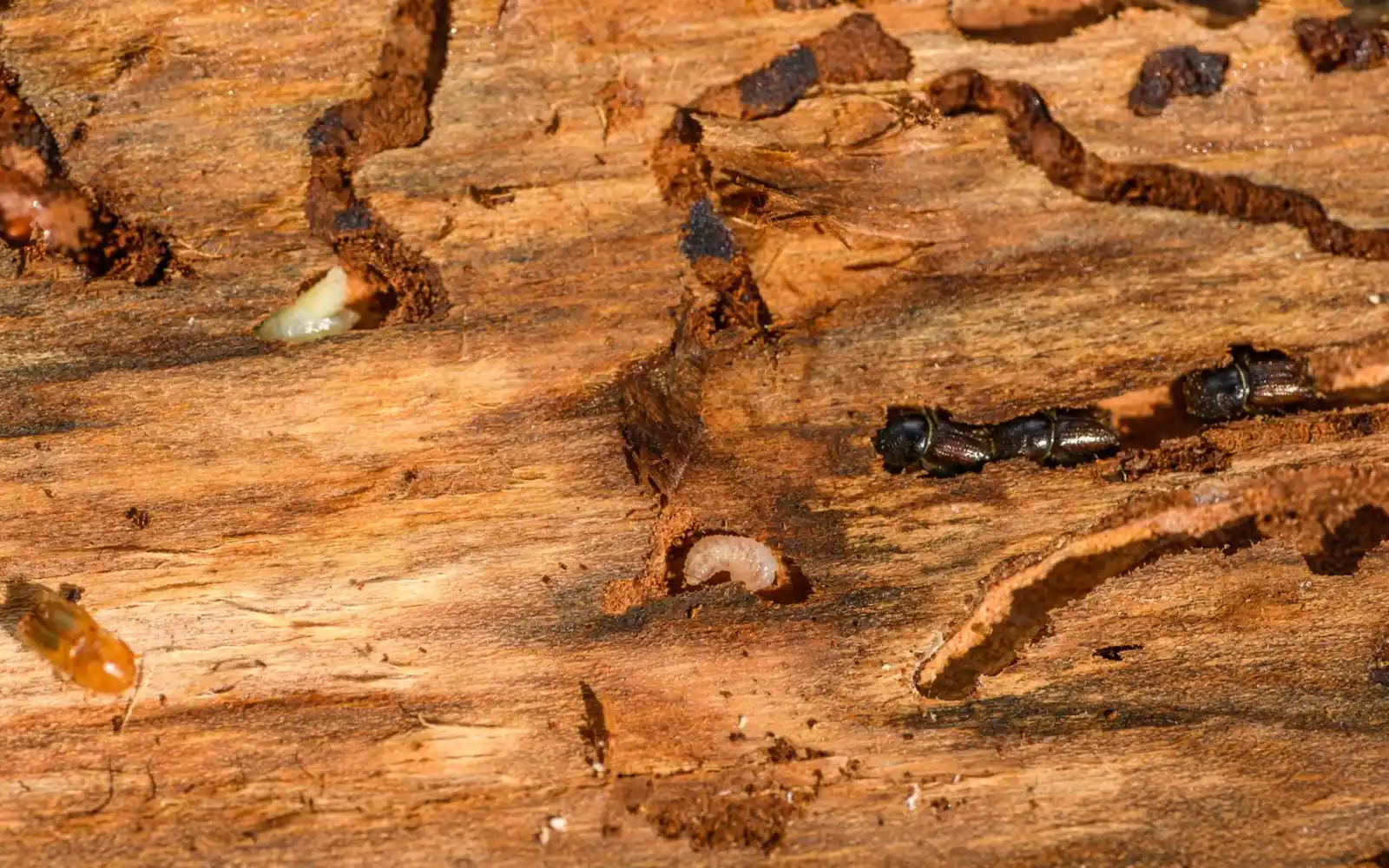
Mud tubes in Al Sharai begin in sandy soil below the footings and climb the exterior surfaces, often visible as lines on the outside walls because the sand offers little resistance.
Shed wings
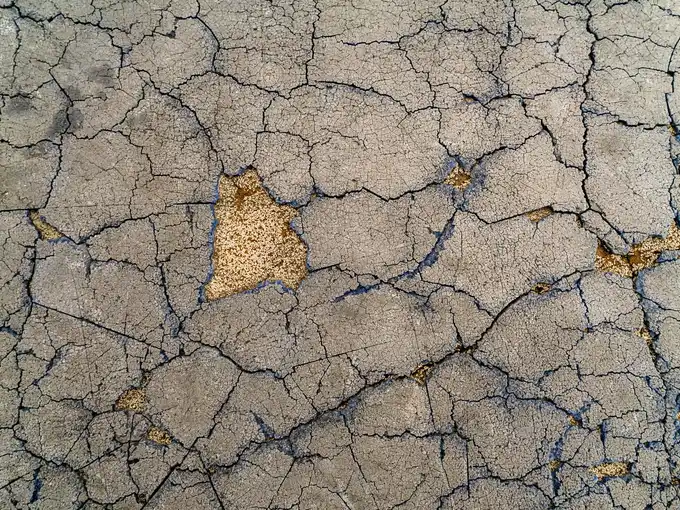
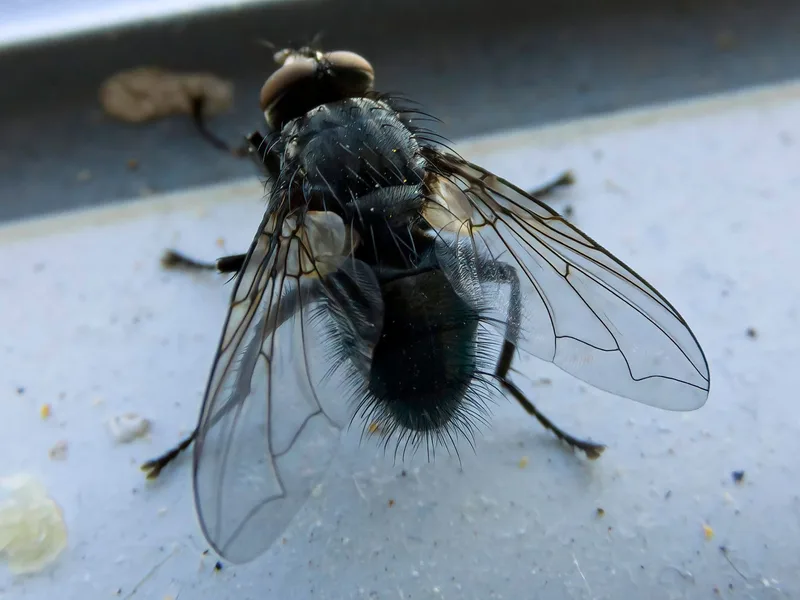
Shed wings appear around cracks in concrete footings and at joints between columns and walls, marking the presence of mature colonies in soil below or in hidden voids.
Hollow timber
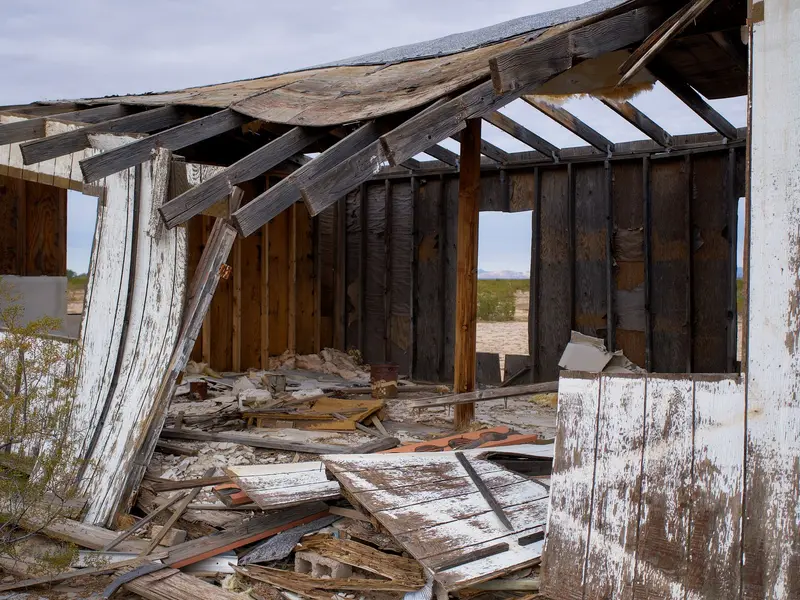
Hollow timber in Al Sharai is usually found in raised timber floors and external door frames, damaged from continuous moisture from watering and incomplete drainage.
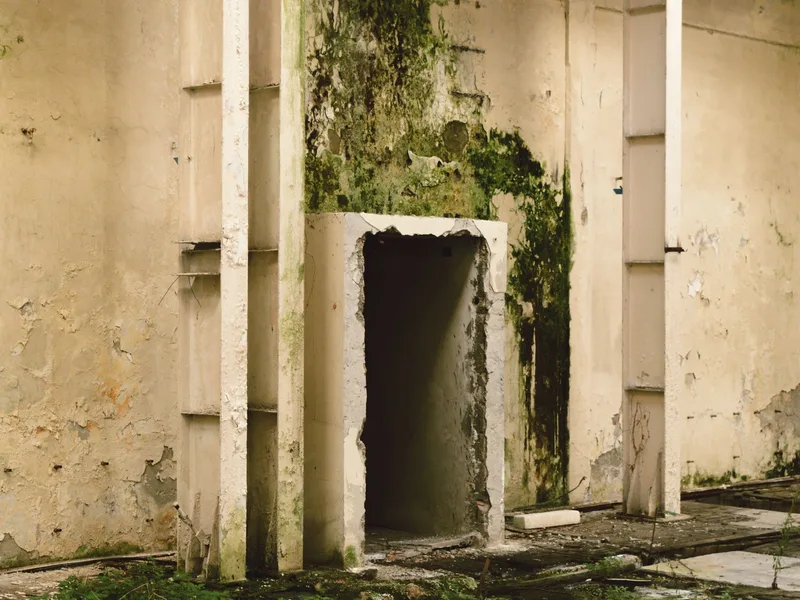
The water source
The moisture source in Al Sharai combines regular garden irrigation and incomplete drainage networks in the development, keeping soil damp around foundations year round.

Cellulose on the floor
Cellulose on the floor sits in timber floors raised slightly above ground level and timber posts in the voids underneath the villas, where moisture accumulates and settles.
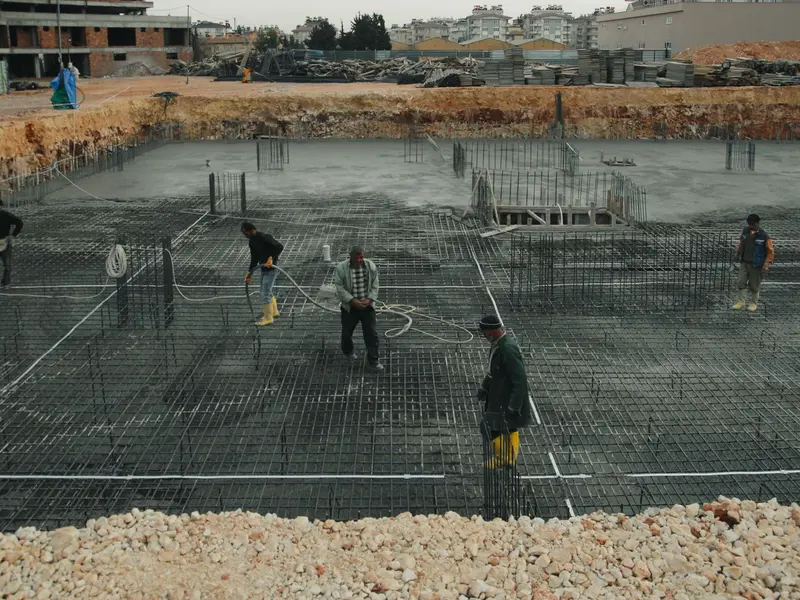
Joints and pipe entries
Joints and pipe entries in Al Sharai run through concrete footings directly, and need careful treatment around each entry point and joint.
How we work
-
1
Inspect and trace
We sound the timber and the skirting, take moisture readings, and follow the tubes to the point where they leave the soil. We also settle the species, because one that lives inside dry wood is not treated like one that lives in the ground.
-
2
Treat the soil around the building
A narrow trench at the footing and injection at regular spacing, so the treated band runs continuous with no gap to walk around.
-
3
Drill the joints, inject the timber
Small holes at spacing along the slab joints, the wall bases and the pipe entries, direct injection into the galleries inside the affected timber, then the holes are closed and made good.
-
4
Bait stations and monitoring
Stations in the soil carrying a slow-acting material the workers pass through the colony by mouth-to-mouth feeding, and we come back to read them, because an empty tube on a wall proves nothing on its own.
What termite control includes
-

A traced, recorded inspection
Sounding, moisture readings, tubes traced back to the soil, and the species settled before anything is applied.
-

A treated band at the perimeter
Trenching and injection at the footing, spaced so the band is continuous rather than a set of patches.
-

Joints and service penetrations
Slab joints, pipe entries and floor drains, which are the ways up through the concrete.
-

Bait stations in the soil
A slow material carried back through the colony by feeding exchange, rather than stopping the workers at the wall.
-

Aftercare instructions
What not to dig or water near the treated band, what to keep off the walls, and the ventilation time we set for your case.
-

Scheduled monitoring visits
Reading the stations, sounding the same timber again, and treating any new activity.
Landmarks of Sharai
Al Sharai faces King Faisal Road on its eastern side and the Haram boundary markers on the west, laid out on a regular street grid centred on Al Sharai Park. It is known locally for Al Sharai Cemetery and the major mosques of Al Sudais and the newer Al Sharai mosque, with the Al Sharai medical complex set on one of its main arterial roads.
- King Faisal Road
- Al Sharai Park
- Al Sharai Cemetery
- Al Sudais Mosque
- Sheikh Yasin Khayyat Mosque
- Engineer Omar Qadi Street
Questions about this district
Is the termite in my villa coming from a neighbour or from soil underneath?
Possibly both. Untreated neighbouring villas can transfer termites via shared soil and aligned foundations, but an original colony may also be living in soil directly below your property.
Why does treating soil around one villa alone not stop the spread?
Soil in Al Sharai is shared between properties, and termites may already be in several villas. Treating one property may halt them temporarily, but colonies in neighbouring villas can find their way back to the same spot.
Is the garden irrigation system the main source of moisture around my villa?
Partly. Irrigation raises soil moisture, but incomplete drainage networks in the development make it worse. Excess water from watering and from rain does not drain efficiently, and stays in soil around foundations.
Does foundation treatment mean cutting up the garden or deep digging?
Not necessarily. Treatment focuses on the footing perimeter and pipe entries, and may need only shallow excavation at certain points. The garden remains usable after treatment.
How long does it take for termites to move from one villa to a neighbour in Al Sharai?
It may take months or years depending on distance and soil, but villas in Al Sharai are close enough that spread can occur in a single season if conditions are right.
Does an incomplete drainage network mean I will need repeated treatment?
Completing the drainage network greatly reduces the chance of future spread. After initial treatment, completing drainage and ensuring water runs away efficiently removes the need for repeated work.
How much does termite control in Sharai cost?
It is set after the inspection, because the price follows the type of infestation, the size of the space, how far it has spread and the number of visits it needs. Send a photo and a description on WhatsApp and we will give you an estimate before we reach Sharai.
Other services in Sharai
Other services we provide to residents of Sharai.
-
 Residential
Cockroach control
Residential
Cockroach control
-
 Residential
Bed bug control
Residential
Bed bug control
-
 Residential
Rodents and mice
Residential
Rodents and mice
-
 Residential
Mosquito control
Residential
Mosquito control
-
 Residential
Fly control
Residential
Fly control
-
 Residential
Ant control
Residential
Ant control
-
 Residential
Gecko control
Residential
Gecko control
-
 Residential
Scorpion control
Residential
Scorpion control
-
 Residential
Snake control
Residential
Snake control
-
 Residential
Flea control
Residential
Flea control
-
 Residential
Bird and pigeon control
Residential
Bird and pigeon control
-
 Residential
Preventive treatment
Residential
Preventive treatment
-
 Residential
Disinfection
Residential
Disinfection
-
 Commercial
Annual contracts
Commercial
Annual contracts
-
 Commercial
Restaurants and cafes
Commercial
Restaurants and cafes
-
 Commercial
Hotels and apartments
Commercial
Hotels and apartments
-
 Commercial
Warehouses and factories
Commercial
Warehouses and factories
-
 Commercial
Schools and nurseries
Commercial
Schools and nurseries
-
 Commercial
Retail and malls
Commercial
Retail and malls
-
 Commercial
Rest houses and farms
Commercial
Rest houses and farms
-
 Commercial
Fumigation
Commercial
Fumigation
-
 Water tanks
Water tank cleaning
Water tanks
Water tank cleaning
-
 Water tanks
Water tank sterilization
Water tanks
Water tank sterilization
-
 Water tanks
Water tank sealing
Water tanks
Water tank sealing
-
 Water tanks
Tank leak repair
Water tanks
Tank leak repair
Need termite control in Sharai? Tell us what you saw and we will tell you what it needs
We reach Sharai at a time we agree, and you get the full cost before we start.