

Retail and malls in Al Misfalah Makkah
Al Misfalah is an old densely packed district south of the Haram where tightly adjoining apartment blocks line Ibrahim Al Khalil Street with shops and eateries beneath them. The work differs here because buildings are low-rise and shops sit shoulder to shoulder, shared back passages are narrow and poorly ventilated, and every shop connects to at least four neighbours through walls and ceilings that insects cross without pause.
-
Targeted, not broadcast
Product goes into cracks and runways, never sprayed across open surfaces.
-
Told before we start
What we will use, where it goes, and what to cover or move before we arrive.
-
A follow-up visit
We return after the first treatment, because what survives it does not show on the day.
-
Homes and businesses
Apartments and villas, and kitchens and stores that need a record of each visit.
Why they keep coming back in Al Misfalah
Shops here are numerous and many open directly onto the street with doors held open all day, and the residential and holiday flats above are tightly packed. The method is set out in full on what Retail and malls involves.
Dense district with tight shared back passages
Buildings are pressed together and passages between them are narrow, dark and cramped. Many shops share a single waste collection point, and insects move through these passages once and bypass the boundary between individual units.
Open-fronted shops and doors that seal poorly
Food and spice shops often open directly onto the street, with wide gaps around the door frames and no air curtain or barrier. Insects enter with ease and customer traffic.
Damp foundations and shared old drainage
The district sits in a hollow below street level and dampness is very high in winter. Drainage is shared between units and the old pipes leak, drawing moisture-loving insects into the foundations and upwards through floor voids.
The character of Al Misfalah
Apartment district: residential blocks, repeated floors and shared entrances
Dense residential districts mean shops sit very close together and share foundations and services, making single-shop treatment inadequate unless neighbours cooperate. Treatment emphasises the strongest possible sealing of your unit boundaries and continuous monitoring of all boundary check points.
What decides the treatment in a shop
The district is low-lying south of the Grand Mosque along Ibrahim Al Khalil Street, with narrow old lanes reaching back towards Jabal Sharaf. Buildings stand pressed together with no gaps between them and old drainage serving the entire block.
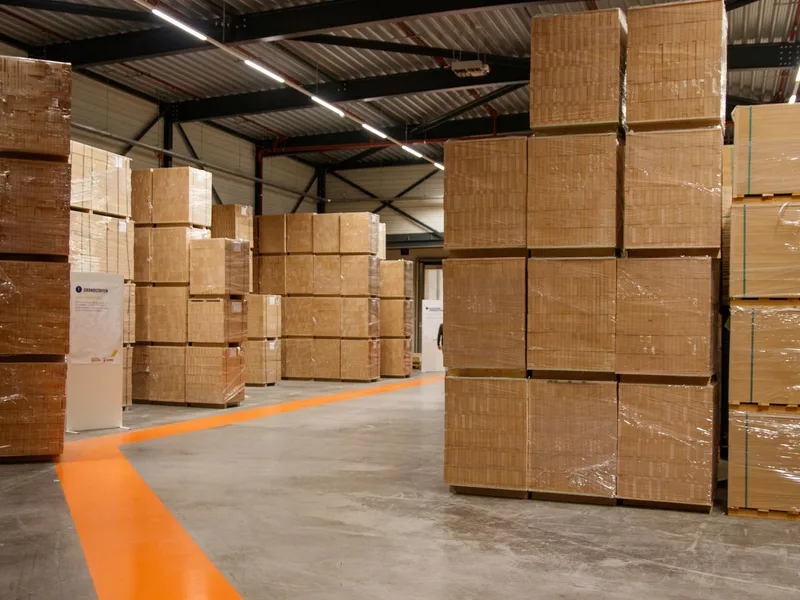
Cardboard in the stockroom
Cardboard from shipments stacks quickly in cramped storage and the shop has no overflow space, causing delays in disposal and creating beetle and moth staging areas.

The frontage and the sliding door
Doors open directly onto a busy street and the external passages are crowded, gaps around frames are large and there is no air curtain; insects enter with every customer.

What the shop sells
Shops stock food or spices and neighbouring shops sell the same; food odours draw insects from unit to unit and weak boundaries offer no resistance.
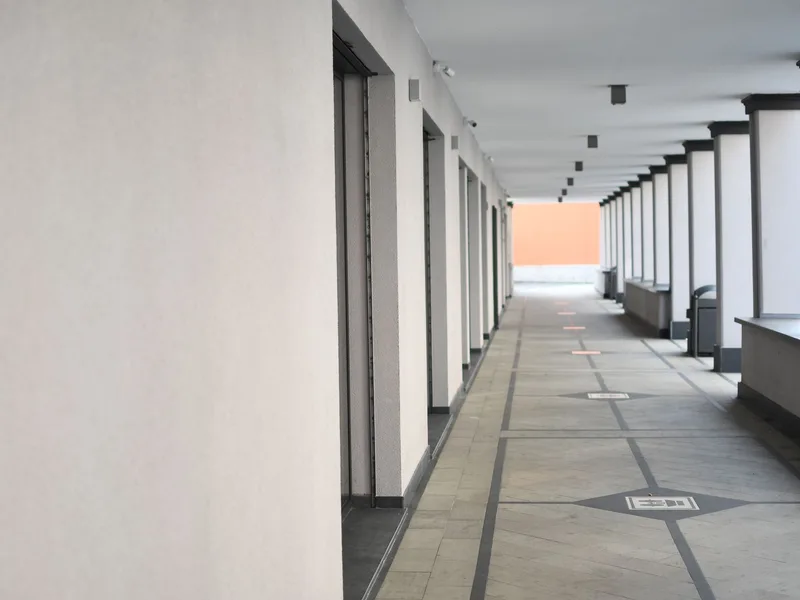
The shared back corridor
The shared back corridor is dark and very narrow with rubbish piling quickly; some neighbouring units leave food waste there, overwhelming the local pest pressure.
The ceiling void and the services
The suspended ceiling is shared across several shops and the common HVAC and plumbing runs through it; the gaps are large and insects move freely between units overhead.

Waste and board behind the shop
The shared waste collection area behind the shops serves five or more units, and food waste attracts heavy cockroach and rodent populations within hours of disposal.
How we work
-
1
An out-of-hours walk
We walk the floor, the stockroom, the fitting area, the back corridor and the waste route, and record what the shop sells, the delivery cycle and the boundary points with the neighbouring units before anything is applied.
-
2
Treat the stockroom and the goods route
Placed bait into racking uprights, junctions and cracks, dust into the dry voids, and nothing on merchandise or display faces.
-
3
Close the boundary of the unit
A sweep under the stockroom door, mesh on the vents and sealing at the service penetrations on the party wall, because exclusion does more to stop a return than repeating the spray.
-
4
Numbered points and a report each visit
Fixed positions on one route, read every visit and logged even when the reading is nil, with a report of what was found, what was treated and what the building needs closed, plus a copy for centre management when they ask for it.
What retail pest control includes
-

An out-of-hours inspection
A walk covering the floor, the stockroom, the back corridor and the delivery route, ending with the pest list this particular shop actually carries.
-

Bait and points on the goods route
In the stockroom, behind racking and along the goods-in route, out of any customer's reach and away from anything on sale.
-

Targeted crack and crevice work
On junctions, racking feet and the unit perimeter, never on stock, display surfaces or the open sales floor.
-

Drains and the waste area
The floor gullies in the back corridor, the ground around the containers and where the board is collected, because that is the source that renews daily.
-

Getting the shop back to trading
What gets covered before we start, what is wiped afterwards, and the ventilation time we set with you on the call, because it changes with the product and the space.
-

A follow-up visit and a written record
A set date after the first treatment, and a record carrying the date of each visit, the readings, and what was applied and where.
What is different about Al Misfalah Sub-Municipality
Al Misfalah sub municipality runs downhill from the south of the Grand Mosque through Al Misfalah, Kudai and Al Rawabi to Al Taqwa, Al Hindawiyah, Al Khalidiyah and Al Rusayfah at the third ring road. The northern end is old apartment blocks and pilgrim hotels with restaurants along Ibrahim Al Khalil Street and the huge coach parks at Kudai. The south and west are dense popular districts with countless small shops and unplanned hillside housing, some of it already cleared for redevelopment, giving way to orderly land grant schemes in Al Rusayfah beside the railway station.
Questions about this district
The shop is open all day and customers come and go constantly. When can you treat us?
We work in quiet periods or after closing, treating the shop interior, spaces behind shelving and the ceiling void. We leave numbered monitoring points that you inspect after each visit.
Our shop has five neighbours with thin dividing walls. Does treatment actually work?
Treatment works but needs coordination with your neighbours. We focus on boundaries and shared voids and we recommend you talk to neighbouring traders about working together.
The restaurant next door refused treatment but we see cockroaches coming from there. What now?
If they decline, we seal your boundary heavily with brush strips and excluders, and intensify monitoring of shared penetrations and voids.
The foundations are damp and flats above complain of insects too. Is dampness the cause?
Yes. Moisture attracts specific species and speeds reproduction. We inspect drainage and foundations and trace and treat moisture sources.
We were told neighbouring traders refuse to cooperate. Can we solve this alone?
We focus on isolating your unit with strong seals in all gaps between you and neighbours, and we set up continuous monitoring of all boundary points.
The shop is small and storage is smaller. How do you work without stopping trade?
We work in scheduled quiet periods around your trading hours. Treatment is targeted only at voids, ceilings and shared gaps, not at your stock or sales floor.
How much does retail and malls in Al Misfalah cost?
It is set after the inspection, because the price follows the type of infestation, the size of the space, how far it has spread and the number of visits it needs. Send a photo and a description on WhatsApp and we will give you an estimate before we reach Al Misfalah.
Other services in Al Misfalah
Other services we provide to residents of Al Misfalah.
-
 Residential
Cockroach control
Residential
Cockroach control
-
 Residential
Bed bug control
Residential
Bed bug control
-
 Residential
Termite control
Residential
Termite control
-
 Residential
Rodents and mice
Residential
Rodents and mice
-
 Residential
Mosquito control
Residential
Mosquito control
-
 Residential
Fly control
Residential
Fly control
-
 Residential
Ant control
Residential
Ant control
-
 Residential
Gecko control
Residential
Gecko control
-
 Residential
Scorpion control
Residential
Scorpion control
-
 Residential
Snake control
Residential
Snake control
-
 Residential
Flea control
Residential
Flea control
-
 Residential
Bird and pigeon control
Residential
Bird and pigeon control
-
 Residential
Preventive treatment
Residential
Preventive treatment
-
 Residential
Disinfection
Residential
Disinfection
-
 Commercial
Annual contracts
Commercial
Annual contracts
-
 Commercial
Restaurants and cafes
Commercial
Restaurants and cafes
-
 Commercial
Hotels and apartments
Commercial
Hotels and apartments
-
 Commercial
Warehouses and factories
Commercial
Warehouses and factories
-
 Commercial
Schools and nurseries
Commercial
Schools and nurseries
-
 Commercial
Rest houses and farms
Commercial
Rest houses and farms
-
 Commercial
Fumigation
Commercial
Fumigation
-
 Water tanks
Water tank cleaning
Water tanks
Water tank cleaning
-
 Water tanks
Water tank sterilization
Water tanks
Water tank sterilization
-
 Water tanks
Water tank sealing
Water tanks
Water tank sealing
-
 Water tanks
Tank leak repair
Water tanks
Tank leak repair
Need retail and malls in Al Misfalah? Tell us what you saw and we will tell you what it needs
We reach Al Misfalah at a time we agree, and you get the full cost before we start.