

Retail and malls in Al Nakhil Jeddah
Al Nakhil is a relatively new eastern mixed district with recently built housing schemes, apartment blocks and villas standing alongside each other, shops and markets scattered across main streets. The area sits inland from the coastal humidity, but the ongoing construction and open excavations surrounding it stir dust and earth that harbours insects and carries them into every retail unit.
-
Targeted, not broadcast
Product goes into cracks and runways, never sprayed across open surfaces.
-
Told before we start
What we will use, where it goes, and what to cover or move before we arrive.
-
A follow-up visit
We return after the first treatment, because what survives it does not show on the day.
-
Homes and businesses
Apartments and villas, and kitchens and stores that need a record of each visit.
Why they keep coming back in Al Nakhil
Dust and soil from surrounding projects enter shops with every delivery and door opening, and insects arrive from disturbed earth and excavations far more than from seaside areas. The method is set out in full on how we approach Retail and malls.
Construction and surrounding excavations drive insect migration
New housing schemes and open excavations around the district raise insect populations in the soil and dust. Cockroaches, ants and scorpions migrate from excavated ground into adjoining shops. We focus on sealing gaps beneath doors and windows.
New shops were not built with full insect protection
Modern apartment blocks were erected quickly to meet demand, and gaps in foundations and floor slabs exist. Pipe runs and cable ducts enter the shop from below without adequate protection. We treat these routes during the first visit.
A mixed district brings multiple insect sources together
Residential flats, villas and shops sit in the same blocks, with waste, water and food scattered across every location. Insects move easily from one unit to the next, and this district needs a different approach to purely new residential areas.
The character of Al Nakhil
Mixed district: shops at street level with homes above them
A mixed district with active construction means the primary insect source is disturbed soil and surrounding excavations, not simply neighbouring flats. We focus on complete sealing of sub floor routes and foundation gaps before any interior treatment.
What decides the treatment in a shop
The district lies between Palestine Road and the King Abdullah branch road, home to Al Nakhil Park and the promenade. It is relatively modern but ringed by new building projects and open excavations that bring insects from disturbed earth.
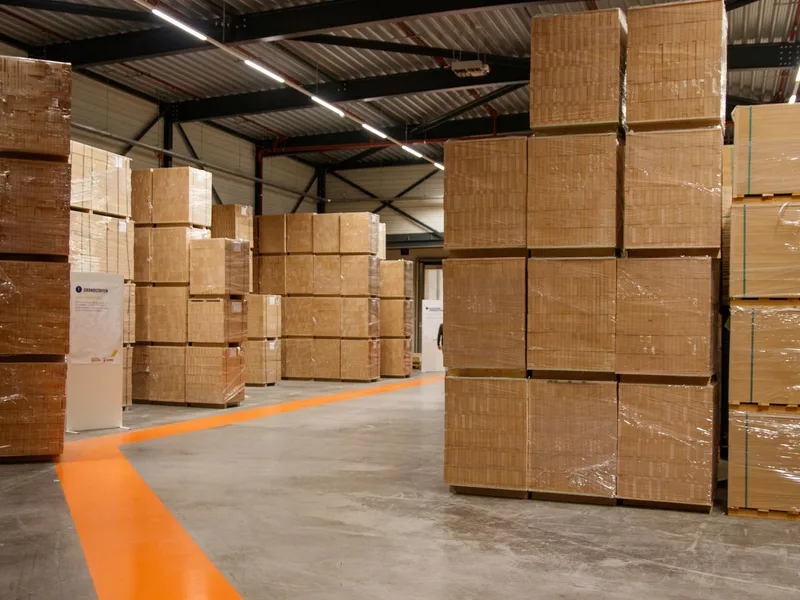
Cardboard in the stockroom
Cardboard in the stockroom is exposed to dust from excavations and building machinery, and moisture from adjoining projects causes rapid rot and insects arrive with the earth.
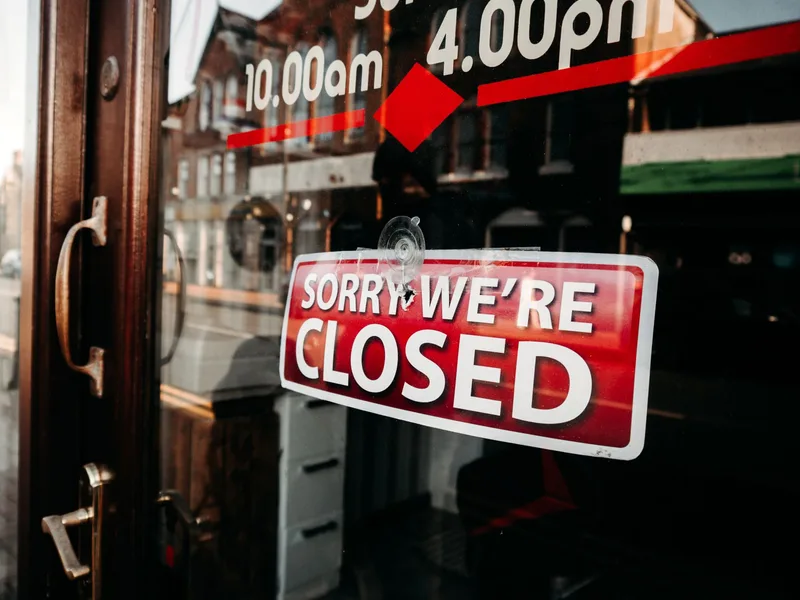
The frontage and the sliding door
The frontage and sliding door do not fully protect against fine dust from open excavations, and gaps beneath doors admit tiny insects travelling on the wind from disturbed ground.

What the shop sells
New shops here sell clothing, electronics and home furniture; shipments arrive boxed in cardboard exposed to earth during transport, and temporary storage in the stockroom means accumulated dust.
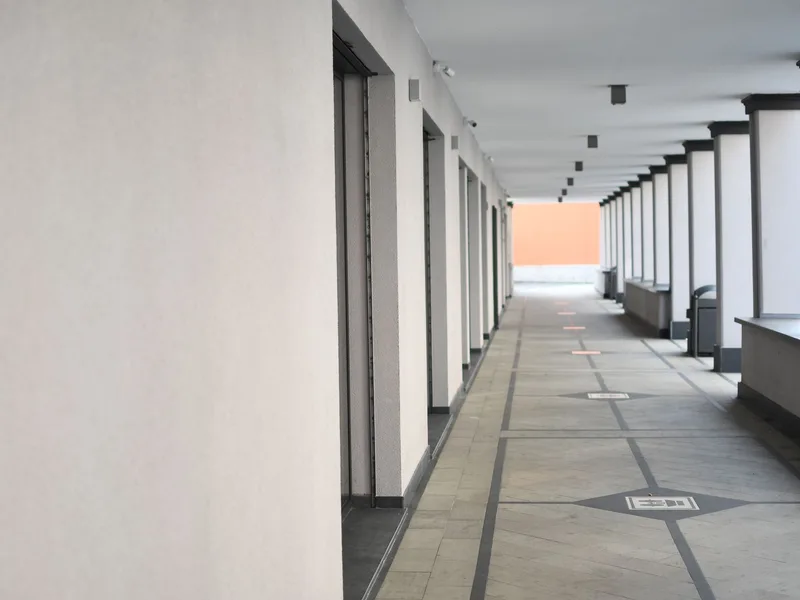
The shared back corridor
The shared rear corridor may be close to excavations or vacant land, and open routes allow insects to migrate from neighbouring projects into every unit.
The ceiling void and the services
False ceilings, wires and pipes enter from excavations without adequate protection, and foundation gaps permit insects to climb from beneath the floor slab.
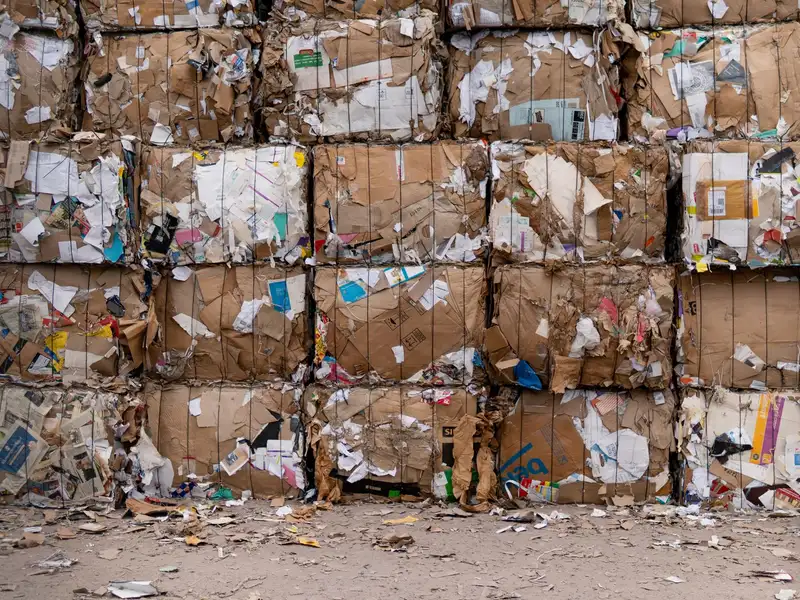
Waste and board behind the shop
Waste and cardboard behind the shop accumulate with excavation dust and earth, and cleaning water dampens the cardboard quickly, creating rapid refuge for insects.
How we work
-
1
An out-of-hours walk
We walk the floor, the stockroom, the fitting area, the back corridor and the waste route, and record what the shop sells, the delivery cycle and the boundary points with the neighbouring units before anything is applied.
-
2
Treat the stockroom and the goods route
Placed bait into racking uprights, junctions and cracks, dust into the dry voids, and nothing on merchandise or display faces.
-
3
Close the boundary of the unit
A sweep under the stockroom door, mesh on the vents and sealing at the service penetrations on the party wall, because exclusion does more to stop a return than repeating the spray.
-
4
Numbered points and a report each visit
Fixed positions on one route, read every visit and logged even when the reading is nil, with a report of what was found, what was treated and what the building needs closed, plus a copy for centre management when they ask for it.
What retail pest control includes
-

An out-of-hours inspection
A walk covering the floor, the stockroom, the back corridor and the delivery route, ending with the pest list this particular shop actually carries.
-

Bait and points on the goods route
In the stockroom, behind racking and along the goods-in route, out of any customer's reach and away from anything on sale.
-

Targeted crack and crevice work
On junctions, racking feet and the unit perimeter, never on stock, display surfaces or the open sales floor.
-

Drains and the waste area
The floor gullies in the back corridor, the ground around the containers and where the board is collected, because that is the source that renews daily.
-

Getting the shop back to trading
What gets covered before we start, what is wiped afterwards, and the ventilation time we set with you on the call, because it changes with the product and the space.
-

A follow-up visit and a written record
A set date after the first treatment, and a record carrying the date of each visit, the readings, and what was applied and where.
What is different about Umm Al Salam Sub-Municipality
The Umm Al Salam sub municipality covers the east and south east of Jeddah along the Old Makkah Road and the Haramain Road. It pairs recently planned districts such as Al Wahah, Al Nakhil and Al Shuruq with popular districts that grew outside formal planning, including Al Harazat, Al Mahamid and Umm Al Salam. The older areas have ageing drainage, unpaved streets and vacant plots where building waste collects, conditions that suit rodents, cockroaches and ants. The newer areas are ringed by half built subdivisions and open excavations.
Questions about this district
Building and excavation work beside the shop brings insects. Is this temporary or permanent pressure?
Construction brings waves of insects that continue whilst excavations remain open. After building ends, numbers may drop, but weak foundations and gaps left by the construction endure. We focus on permanent sealing of routes.
The shop is brand new and clean, yet insects are present, and construction around the district continues. Where are they coming from?
Open excavations and earth disturb naturally occurring insects. There is no single treatment until building ends, but constant monitoring and chemical barriers on the perimeter protect the shop.
Are newly built districts easier to protect from pests than older established areas?
New districts may have better design, but ongoing construction around them cancels the advantage. Older areas have accumulated problems but building is finished. Here the pressure continues whilst excavations are open.
Villas around the shop have irrigated gardens. Does the water attract insects to the retail unit?
Water in gardens raises local humidity and attracts insects, especially after dark. A shop near villas with gardens needs robust barriers on external walls.
Deliveries arrive thick with dust and soil from the construction roads. Do they carry insects?
Yes, dust and earth may carry eggs and tiny insects. Inspecting and cleaning consignments on arrival reduces entry. We recommend a separate intake area away from the sales floor.
The new housing scheme next door has just finished. Will the insects finally reduce?
Numbers may drop but will not disappear. Excavations have stirred up insects that will persist in the area for years. The finished project may have pipes and cables that breach neighbouring shops. We monitor new routes.
How much does retail and malls in Al Nakhil cost?
It is set after the inspection, because the price follows the type of infestation, the size of the space, how far it has spread and the number of visits it needs. Send a photo and a description on WhatsApp and we will give you an estimate before we reach Al Nakhil.
Other services in Al Nakhil
Other services we provide to residents of Al Nakhil.
-
 Residential
Cockroach control
Residential
Cockroach control
-
 Residential
Bed bug control
Residential
Bed bug control
-
 Residential
Termite control
Residential
Termite control
-
 Residential
Rodents and mice
Residential
Rodents and mice
-
 Residential
Mosquito control
Residential
Mosquito control
-
 Residential
Fly control
Residential
Fly control
-
 Residential
Ant control
Residential
Ant control
-
 Residential
Gecko control
Residential
Gecko control
-
 Residential
Scorpion control
Residential
Scorpion control
-
 Residential
Snake control
Residential
Snake control
-
 Residential
Flea control
Residential
Flea control
-
 Residential
Bird and pigeon control
Residential
Bird and pigeon control
-
 Residential
Preventive treatment
Residential
Preventive treatment
-
 Residential
Disinfection
Residential
Disinfection
-
 Commercial
Annual contracts
Commercial
Annual contracts
-
 Commercial
Restaurants and cafes
Commercial
Restaurants and cafes
-
 Commercial
Hotels and apartments
Commercial
Hotels and apartments
-
 Commercial
Warehouses and factories
Commercial
Warehouses and factories
-
 Commercial
Schools and nurseries
Commercial
Schools and nurseries
-
 Commercial
Rest houses and farms
Commercial
Rest houses and farms
-
 Commercial
Fumigation
Commercial
Fumigation
-
 Water tanks
Water tank cleaning
Water tanks
Water tank cleaning
-
 Water tanks
Water tank sterilization
Water tanks
Water tank sterilization
-
 Water tanks
Water tank sealing
Water tanks
Water tank sealing
-
 Water tanks
Tank leak repair
Water tanks
Tank leak repair
Need retail and malls in Al Nakhil? Tell us what you saw and we will tell you what it needs
We reach Al Nakhil at a time we agree, and you get the full cost before we start.