
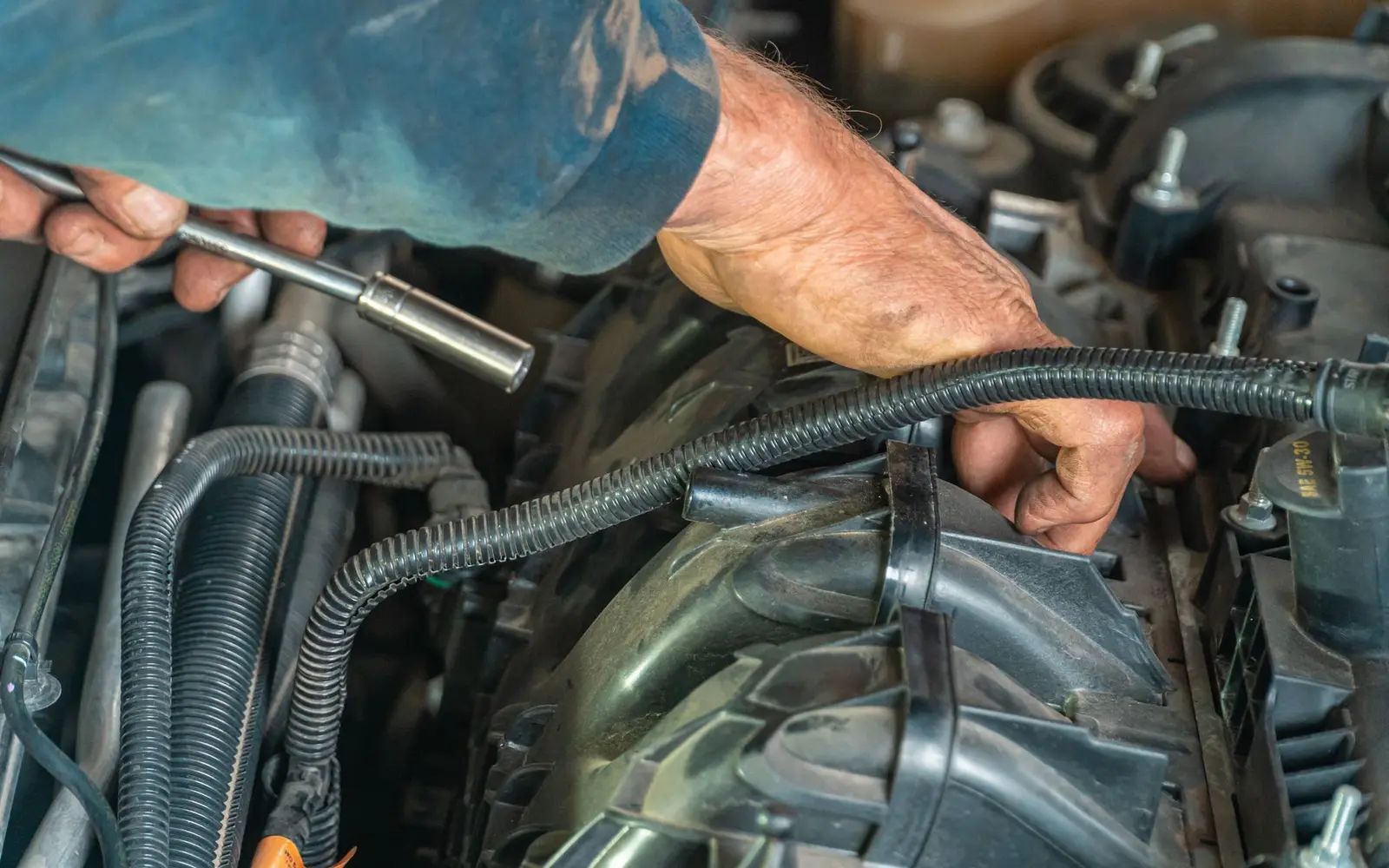
Tank leak repair in Al Husayniyah Makkah
Al Husayniyah is a mixed residential district south of Jeddah on the Taif and Al Hada roads, originally farmland and old orchards converted into informal and planned housing. Old houses stand beside new ones, large beside modest. Tanks here vary widely in age, size and materials, some weak or damaged.
-
Potable-rated materials
Linings and disinfectants cleared for drinking water tanks, not general-purpose products.
-
You get the downtime first
How many hours the tank is out of service, told before we start rather than after we finish.
-
A first-draw flush
We run the first draw off after refilling, and the tank is not handed back until the water runs clear.
-
Ground and roof tanks
Villas, apartment blocks and premises that need a written record of each visit.
Why the job is different in Al Husayniyah
Old houses contain tanks made from aged cement or even rusted metal, while new houses have stronger tanks. Groundwater is high here and soil is damp year-round. The method is set out in full on the full Tank leak repair page.
Old and damaged tanks in residential houses
Old houses contain tanks of ancient cement or rusted metal. Leaks come from cracks, rust and corrosion. Some tanks have had no maintenance for years.
High groundwater and damp soil
Al Husayniyah was built on former farmland and groundwater is very high. Dampness around the tank accelerates rust and concrete decay. Foundations and walls are affected by moisture.
Tanks of mixed age, size and condition
The district is mixed with old and new houses. Tanks range from very old to new. Each house may need different treatment based on its tank's age and state.
Landmarks of Al Husayniyah
Al Husayniyah lies behind Al Awali on the Taif and Al Hada roads, with Jabal Kasab and Wadi Malakan as boundary landmarks. Wadi Uranah cuts through the district and marks treatment zones.
- Sheikh Ibn Uthaymeen Mosque
- Al Ansar Mosque
- Wadi Uranah
- Kasab Hills
- Taif Al Hada Road
- Southern Haram Boundary Markers
Where the water leaves decides how it is repaired
Former agricultural land south of Jeddah converted into housing schemes, stretching behind Al Awali towards Jabal Kasab and Wadi Malakan on the Taif Al Hada road. Wadi Uranah crosses the terrain.
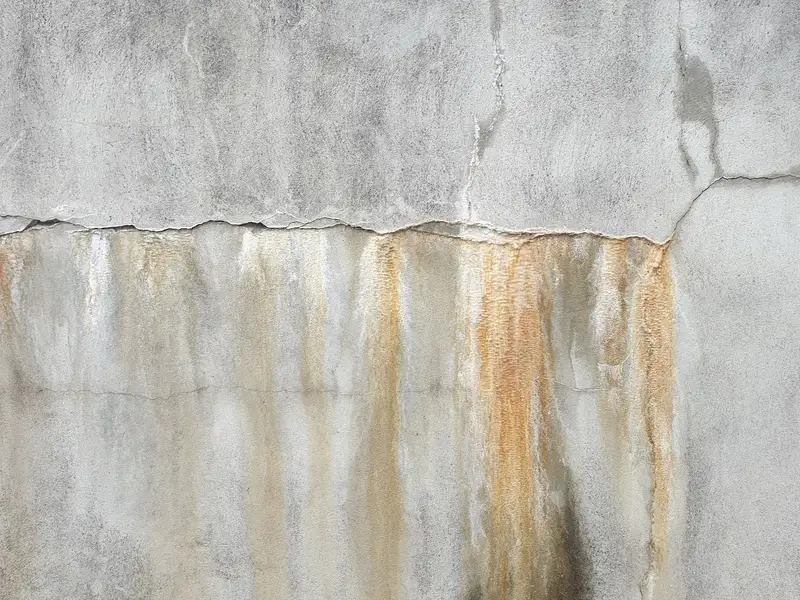
Damp and salt on the outside wall
Rust and corrosion testing focuses on the tank's outer and inner walls, especially if it is metal or old concrete.
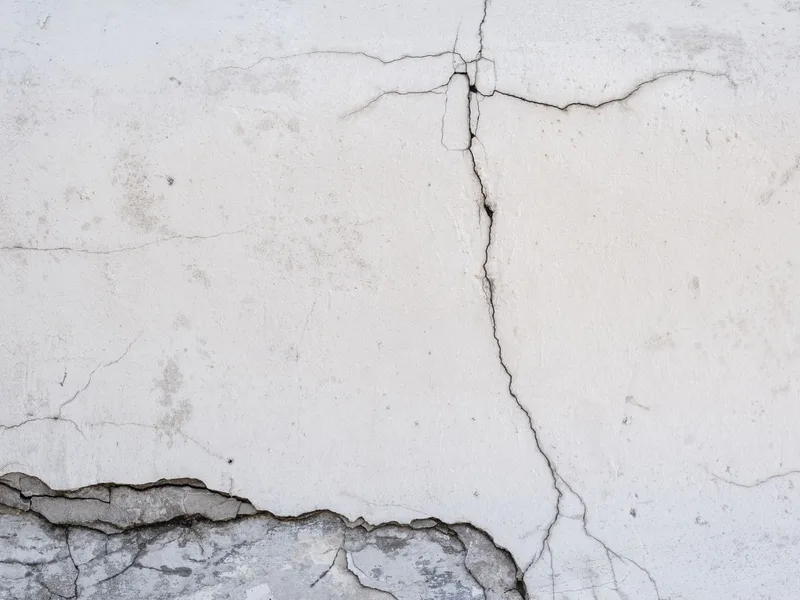
The kind of crack
Inspection of pipe entry and exit points focuses on fittings where rust and leaks first appear.
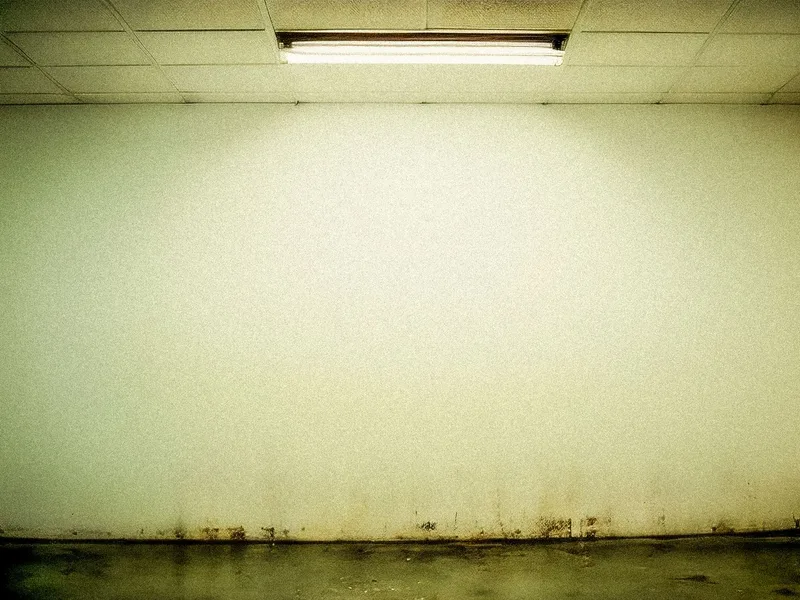
The wall to floor junction
Cracks and holes in the tank may stem from deep rust, pressure or heat, and full drainage is needed to locate them.
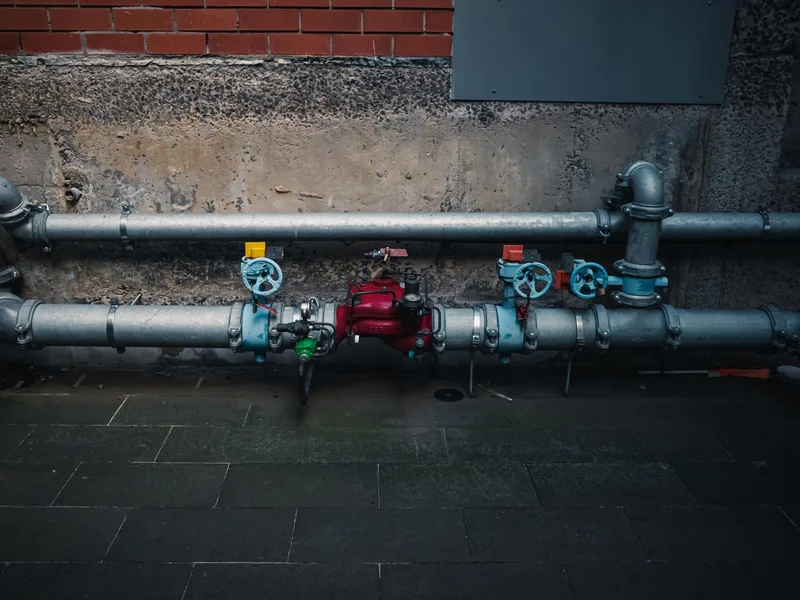
Pipe entries
High moisture around the tank causes algae and bacterial growth in the water, and cleaning is critical.
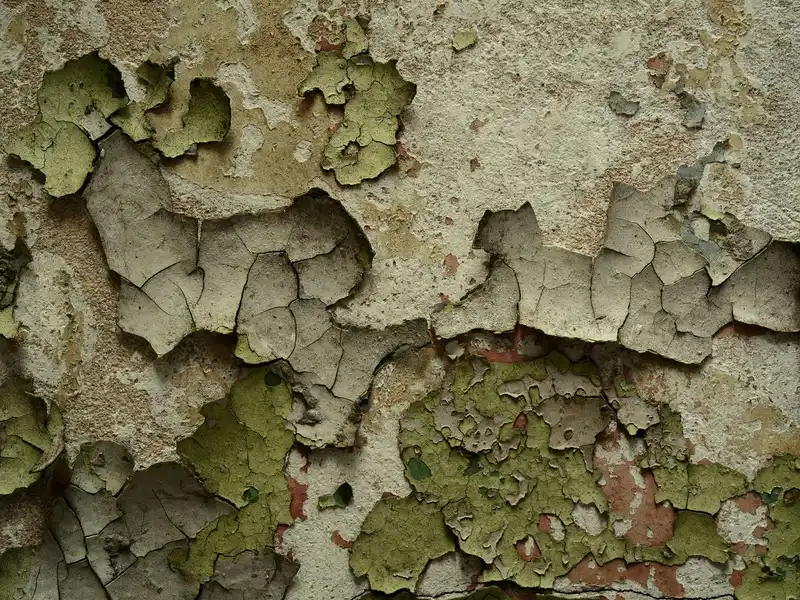
The condition of the old lining
The leak location may be on the floor, walls or at fittings, and old houses may need a drainage pit around the tank.
What the tank is made of
Continuous leakage wastes water and raises bills, and quick repair saves water and money.
How we work
-
1
Inspect and locate the leak
We close the float valve and the outlet, mark the water level and watch it fall, then check the fittings and the wall beside it. That separates a tank leak from a pipe leak or a float valve that never shuts.
-
2
Drain, clean and dry
We empty the tank, lift the sediment off the base, wash back to sound concrete and let the surface dry. No repair holds on a damp or dusty face.
-
3
Repair the cracks and the entries
We cut the crack open, fill it with a non-shrink mortar, inject anything still weeping and rebuild around the pipe sleeve. A joint that moves takes a flexible detail, not a rigid one.
-
4
Refill, test, then sterilise
We refill, read the level again to confirm the drop has stopped, then sterilise before the water is used, because the tank has been open with tools and hands inside it.
What tank leak repair includes
-

A marked level test
A reading before and after with everything shut, which establishes that the loss is the tank and not the plumbing.
-

Draining and sediment removal
Water and silt out of the base, so the floor and the walls can be seen as they really are.
-

Pressure wash and dry back
The weak layer and the dust come off, because a repair only holds on sound concrete.
-

Cracks opened and filled
The crack is cut open and filled with a non-shrink mortar, and anything still weeping under water pressure is injected.
-

Refill and a recorded test
We refill, read the level again and write the reading down, so the result is not a matter of opinion.
-

Sterilised and back in service
A wash and a sterilisation once the material has cured, and guidance on running the first fill off before the water is used.
What is different about Al Aziziyah (Makkah) Sub-Municipality
Al Aziziyah sub municipality runs from the Bin Dawood markets to the Al Hada road and carries pilgrim traffic to Mina. Hotel towers and furnished apartment blocks fill and empty with the Hajj and Ramadan seasons, and the kitchens, restaurants and markets along Al Masjid Al Haram Road and King Abdulaziz Road leave food waste at every peak. Southwards the fabric loosens into villas and planned streets in An Naseem and Al Awali, then Al Abidiyah's campus and the old farms of Al Husayniyah, where Wadi Uranah holds water after rain and farm enclosures shelter rodents and reptiles.
Questions about this district
Why do tanks in Al Husayniyah rust quickly?
Groundwater is high and soil is very damp. Moisture around the tank speeds rust on metal and decay of concrete.
Can a rusted metal tank be repaired?
It depends on its state. If rust is surface-level we may repair it. If the hole is deep or rust is extensive, tank replacement may be needed.
Is a leak in an old house tank dangerous?
It can be. Continuous leakage raises water bills sharply and wastes water.
How often should a tank be inspected in Al Husayniyah?
At least twice a year. High moisture and groundwater raise the risk of leaks and corrosion.
Does high groundwater affect tank repair?
Yes. We may need to drain water around the tank or create a drainage pit to reduce moisture.
Does tank lining solve the problem without repair first?
No. We must repair the crack or hole first. Lining comes after repair, never instead of it.
How much does tank leak repair in Al Husayniyah cost?
It is set after the inspection, because the price follows the type of infestation, the size of the space, how far it has spread and the number of visits it needs. Send a photo and a description on WhatsApp and we will give you an estimate before we reach Al Husayniyah.
Nearby districts we cover
Other services in Al Husayniyah
Other services we provide to residents of Al Husayniyah.
-
 Water tanks
Water tank cleaning
-
 Water tanks
Water tank sterilization
-
 Water tanks
Water tank sealing
-
 Residential
Cockroach control
Need tank leak repair in Al Husayniyah? Tell us what you saw and we will tell you what it needs
We reach Al Husayniyah at a time we agree, and you get the full cost before we start.