
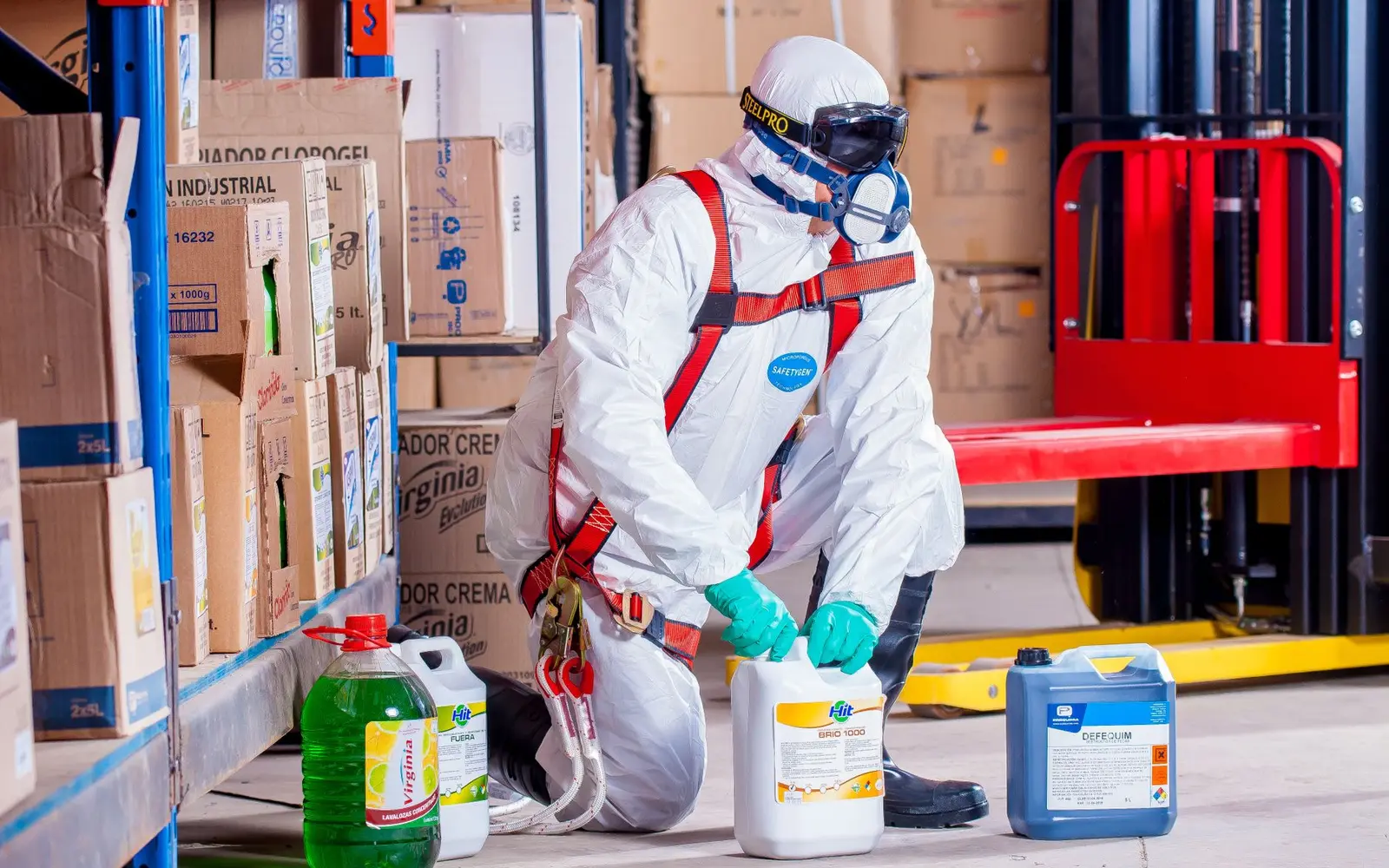
Warehouses and factories in Al Jumayzah Makkah
Al Jumayzah is a small district close to the Grand Mosque along Al Hajoun Street, where apartment blocks and modest hotels house Umrah visitors year-round. Warehouses here handle consignments arriving directly from distant ports. We inspect every arrival and establish trap networks to track any infestation before it spreads through temporary storage.
-
Targeted, not broadcast
Product goes into cracks and runways, never sprayed across open surfaces.
-
Told before we start
What we will use, where it goes, and what to cover or move before we arrive.
-
A follow-up visit
We return after the first treatment, because what survives it does not show on the day.
-
Homes and businesses
Apartments and villas, and kitchens and stores that need a record of each visit.
Why they keep coming back in Al Jumayzah
Goods movement in Al Jumayzah is remarkably fast because hotels and seasonal housing require constant resupply. Trap readings shift daily because warehouse contents change almost constantly. The method is set out in full on Warehouses and factories in detail.
Shipments from ports arrive quickly already infested
Goods reaching Al Jumayzah from distant ports and warehouses travel at high speed and often carry warehouse insects from the source region or the journey itself. We inspect every consignment on arrival and isolate infested items before they enter the warehouse space.
Hotels and seasonal housing import insects from guests
Hotels and furnished flats for Umrah visitors on Al Hajoun Street welcome guests from many nations whose luggage may carry unfamiliar pests. These insects migrate into the adjacent warehouse through shared walls, cracks and common drainage systems.
Fast stock movement masks dormant insect awakening
Stock in Al Jumayzah moves so rapidly that dormant insects in goods may not reveal themselves until after unloading. We place more traps and read them at higher frequency because insects awaken quickly in warm storage conditions.
Al Jumayzah on the map
Al Jumayzah sits about 1.5 km from Al Maabdah and about 1.5 km from Rai Adhakhir.
Open in Google MapsWhat the first walk through the building reads
Al Jumayzah sits very close to the Grand Mosque, with cemeteries and hotel management offices nearby. Goods arrive from ports rapidly and stock moves out quickly to serve seasonal accommodation needs.
The shutter line
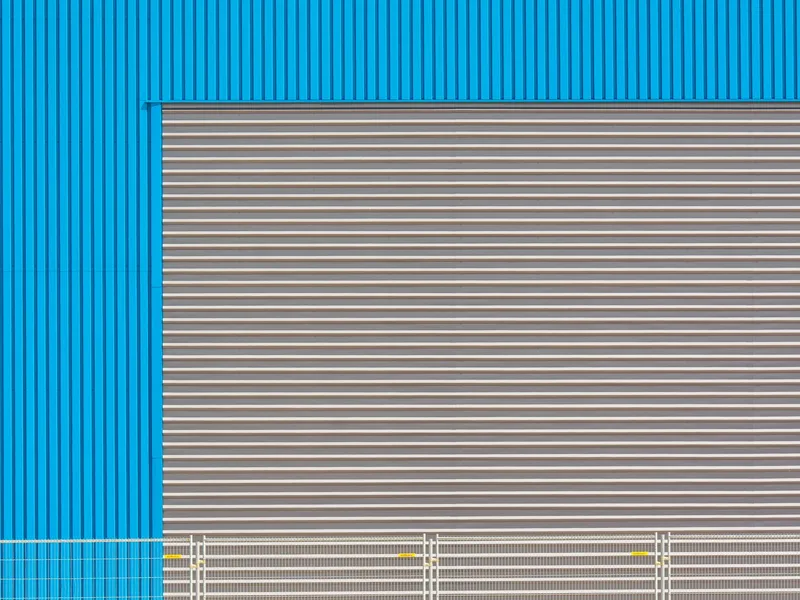
The goods-in door in Al Jumayzah opens onto the busy Al Hajoun Street, so insects can enter via the door when goods handlers and trucks arrive and depart.
What comes in on the pallet
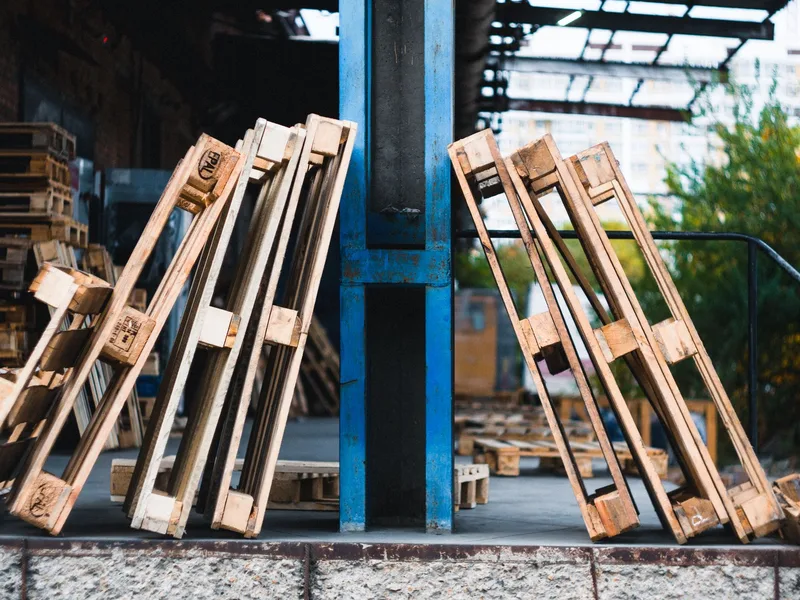
Port goods often arrive in open bags or split cartons, so we inspect them carefully and isolate any carton showing insect activity or residue from the journey.
The strip along the wall
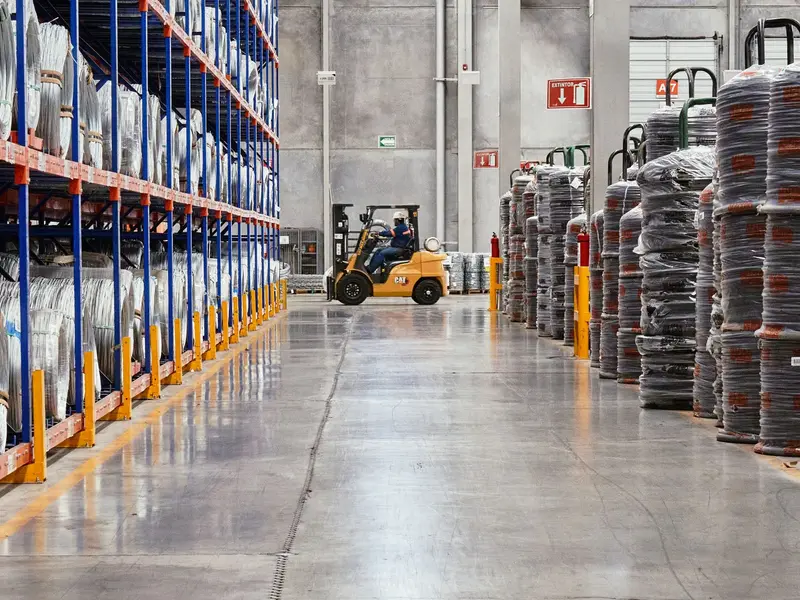
Warehouse walls touch the hotel building, so insects travel through cracks, especially pests arriving in guest luggage from different climates.
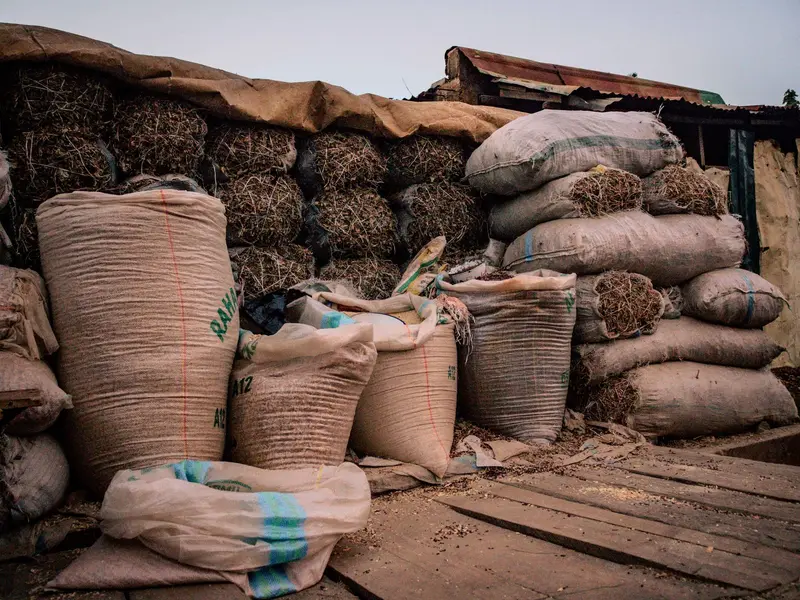
Spillage under the racking
Spillage under the racking in Al Jumayzah comes from unpacked goods or moisture, and insects gather there very quickly once stock is disturbed.
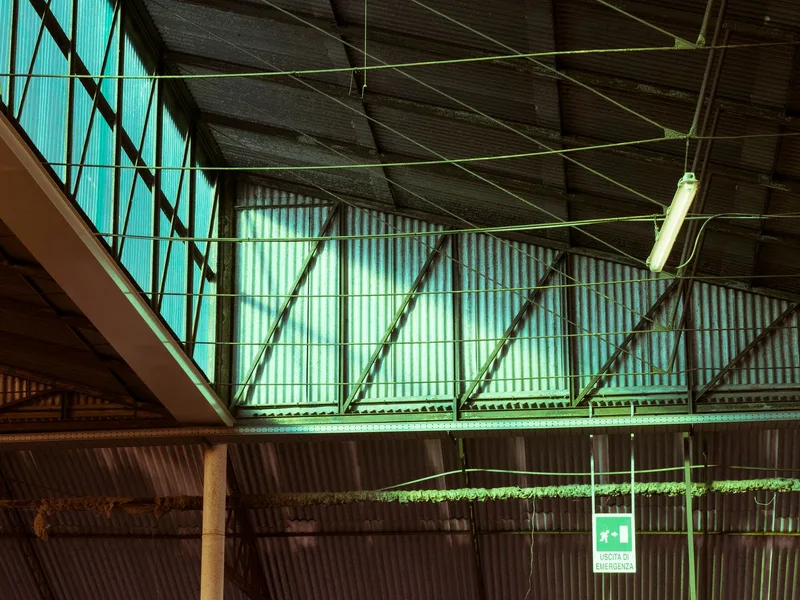
The roof and the openings above
The roof has old ventilation gaps and the hotel sits above it, so insects can enter through shared vents and drainage channels from the storeys above.
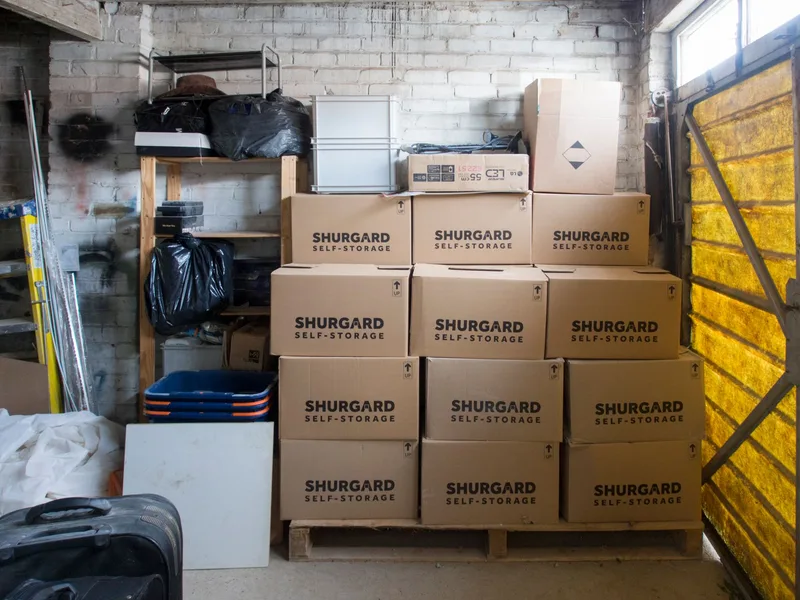
Stock that does not move
Stock does not remain long in Al Jumayzah because turnover is rapid, so pests may not show in readings until after the goods have left the warehouse.
How we work
-
1
Survey the building and locate the source
We walk from the goods-in door through the racking, the production areas and the outside wall line, and establish whether the pressure is stored product pests inside the goods, rodents from the perimeter or flying insects from waste and doorways, because each of those is a different programme.
-
2
Pheromone traps and numbered points
Species-specific pheromone traps through the storage areas, and monitoring points on the external ring and along the internal walls, numbered on the racking plan. A trap treats nothing, it tells us which aisle the numbers are climbing in.
-
3
Targeted treatment and isolating the consignment
Spillage is lifted first, then empty racking, wall and floor junctions and voids are treated, and nothing is placed over open stock or a running line. A consignment showing activity is isolated where it stands rather than carried through the building.
-
4
Sealing, then the scheduled visits
We close door gaps, openings and pipe entries, then come back on an agreed schedule: the same traps and points are read each time, and a report goes over what was found, what was treated and what the building still needs closed.
What warehouse pest control includes
-

Site survey and racking plan
A walk from the goods-in door to the last aisle, and a plan with every monitoring position numbered before anything is installed.
-

Pheromone traps and numbered points
Species-specific traps through the storage areas and points along the perimeter line, read and logged on every visit.
-

Targeted treatment of racking and junctions
On empty racking, wall and floor junctions and voids, never over open stock or a running line.
-

Drains, waste and the perimeter
Floor gullies, the container area and the outside wall line, because that is the source which renews itself.
-

Proofing and building findings
Shutter gaps, brush seals and mesh over openings, with a list of what the site needs to repair.
-

Scheduled visits and a report each time
Agreed dates set by the pressure on the site, the same traps read again, and a report that records every visit.
The character of Al Jumayzah
Apartment district: residential blocks, repeated floors and shared entrances
Apartments mean the warehouse is under a hotel and residential flats, and guests and residents may bring unfamiliar insects. Trap readings show varied pest types because goods and people change constantly.
Questions about this district
Port shipments arrive but inspection stations are very far away?
We inspect consignments directly when they enter the Al Jumayzah warehouse, before storage. We sample cartons, look for insect signs or debris or waste residue, and isolate affected items immediately.
The hotel above the warehouse in Al Jumayzah brings exotic pests?
Yes, hotels welcome guests from worldwide locations whose luggage may carry bed bugs or unfamiliar insects. These migrate into the warehouse through gaps, cracks and shared plumbing, so we watch trap readings for unusual activity.
Stock moves very quickly, does one inspection at arrival suffice?
Arrival inspection is essential but may not catch everything. We place traps throughout the warehouse and read them at higher frequency than other sites because insects can awaken after goods are unpacked.
The cemetery beside Al Jumayzah: does it increase flies and rodents?
Al Mualla cemetery is very close but no direct link exists. Flies and insects come mostly from goods and hotels rather than the cemetery. Traps will tell us if significant pressure comes from that direction.
The flat above the warehouse might be closed: does it matter?
Even an empty flat may harbour dormant insects or rodents. Gaps and cracks allow food odours from the warehouse below to rise upward and attract pests downward through the structure.
What should the Al Jumayzah report explain to warehouse and hotel management?
The report clarifies that arriving goods may already carry insects from the source region or shipping containers. We explain the importance of consignment inspection, many traps and rapid reading because stock turnover is very high.
How much does warehouses and factories in Al Jumayzah cost?
It is set after the inspection, because the price follows the type of infestation, the size of the space, how far it has spread and the number of visits it needs. Send a photo and a description on WhatsApp and we will give you an estimate before we reach Al Jumayzah.
Nearby districts we cover
Other services in Al Jumayzah
Other services we provide to residents of Al Jumayzah.
-
 Commercial
Annual contracts
-
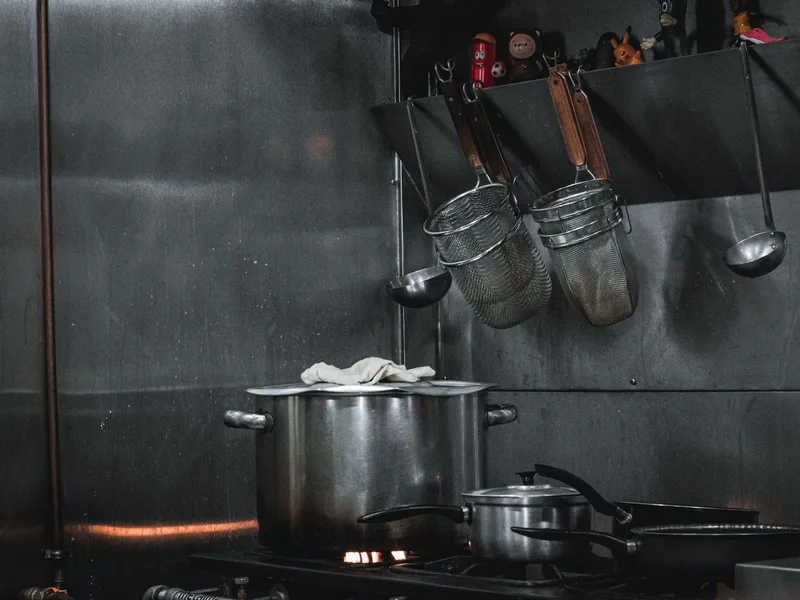 Commercial
Restaurants and cafes
-
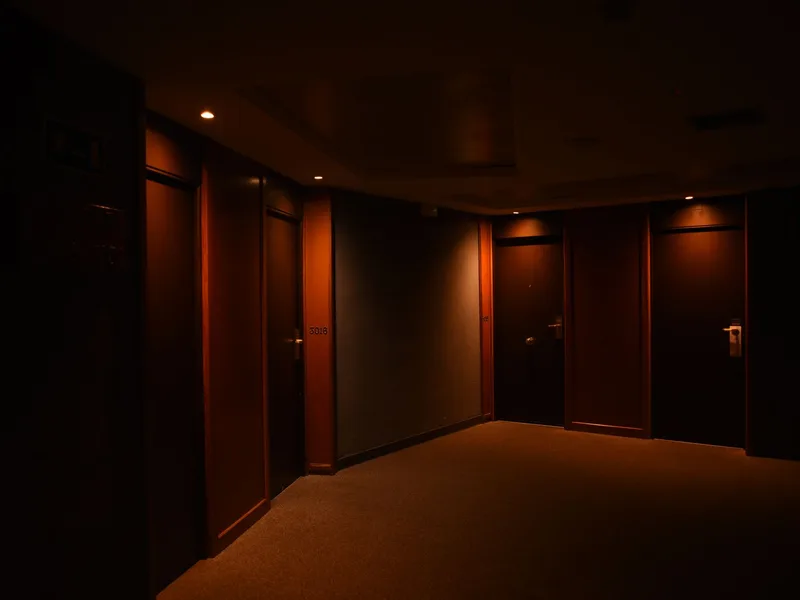 Commercial
Hotels and apartments
-
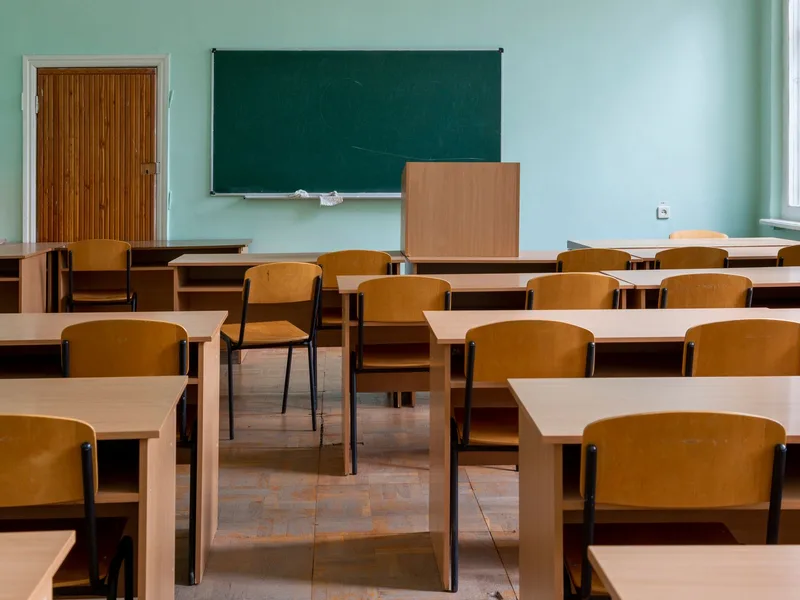 Commercial
Schools and nurseries
Need warehouses and factories in Al Jumayzah? Tell us what you saw and we will tell you what it needs
We reach Al Jumayzah at a time we agree, and you get the full cost before we start.