
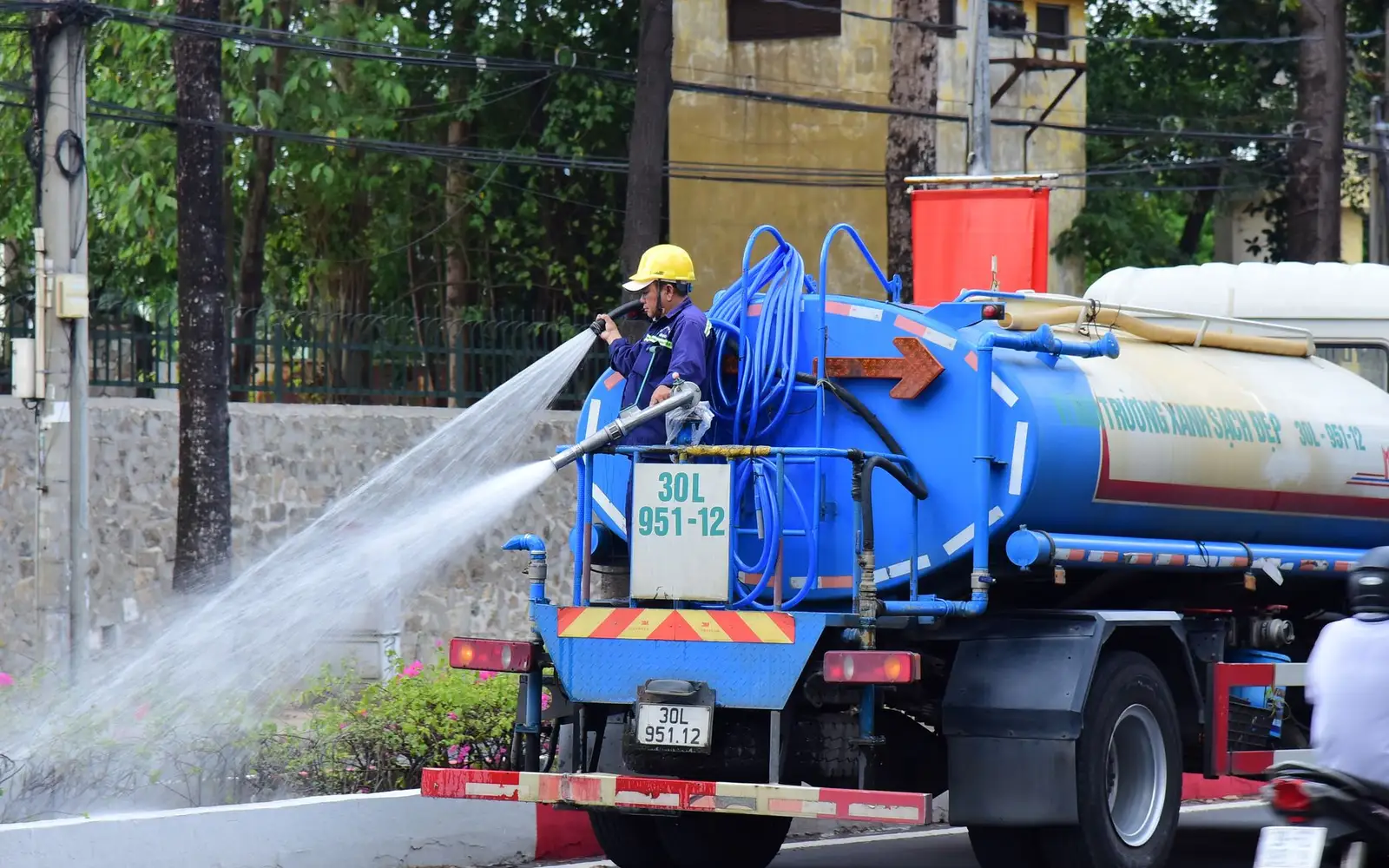
Water tank cleaning in Al Qashashiyah Al Jadid Makkah
Al Qashashiyah Al Jadid spreads across the south of Makkah down by the Kasab Hills, a new-development area where construction continues and vacant plots intersperse the homes. Tanks here suffer from dust and silt raised by ongoing building work, imposing cleaning demands that do not occur in finished districts. The Fifth Ring Road and the southward Ibrahim Al Khalil extension cut through the area on open hills where excavation and earthmoving are constant.
-
Potable-rated materials
Linings and disinfectants cleared for drinking water tanks, not general-purpose products.
-
You get the downtime first
How many hours the tank is out of service, told before we start rather than after we finish.
-
A first-draw flush
We run the first draw off after refilling, and the tank is not handed back until the water runs clear.
-
Ground and roof tanks
Villas, apartment blocks and premises that need a written record of each visit.
Why the job is different in Al Qashashiyah Al Jadid
Tanks at active building sites need cleaning faster than the baseline rate. Fine dust from excavators and earth-movers enters through vent openings and uncapped pipes still waiting for connection and sealing. The method is set out in full on what Water tank cleaning involves.
New development means building is constant and dust never settles
Al Qashashiyah Al Jadid is still under development with active building sites, excavations and earthmoving trucks on site every day. This fine dust enters the tank through vent holes and new pipework that has not yet been sealed and capped. Tanks here get dirty faster than settled areas. Cleaning must happen more often and inspections must be thorough, because dust will re-enter the tank within weeks of cleaning whilst work continues nearby.
Open hills mean irregular water runoff with silt and stone
The area sits on open hilly ground between Wadi Malakan and the Kasab range. When rains come, they run fast downhill carrying silt and fine gravel toward building foundations and tank bases. This silty water enters small cracks in new tanks that are not yet fully cured or sealed. The sediment that enters is heavy and sharp, and it scratches the tank lining as water circulates, compounding the damage.
New pipes and connections are still open or incomplete
Ongoing construction means new pipework is installed daily and not all of it is sealed tight. Uncapped pipe ends and temporary connections allow water from building sites to back up into the tank. New tanks often contain construction debris, open pipes still awaiting termination, and sealant that has not hardened. Thorough cleaning on move-in day is not optional.
Al Qashashiyah Al Jadid on the map
Al Qashashiyah Al Jadid sits about 6.5 km from Al Misyal Al Jadid and about 9 km from Al Hajlah Al Jadid.
Open in Google MapsThe condition of the tank decides the method
The district sits on open hilly ground between Wadi Malakan and Kasab Hills, where rainfall runs fast and carries silt and fine stone down toward foundations, and building sites work daily to extract and move earth.
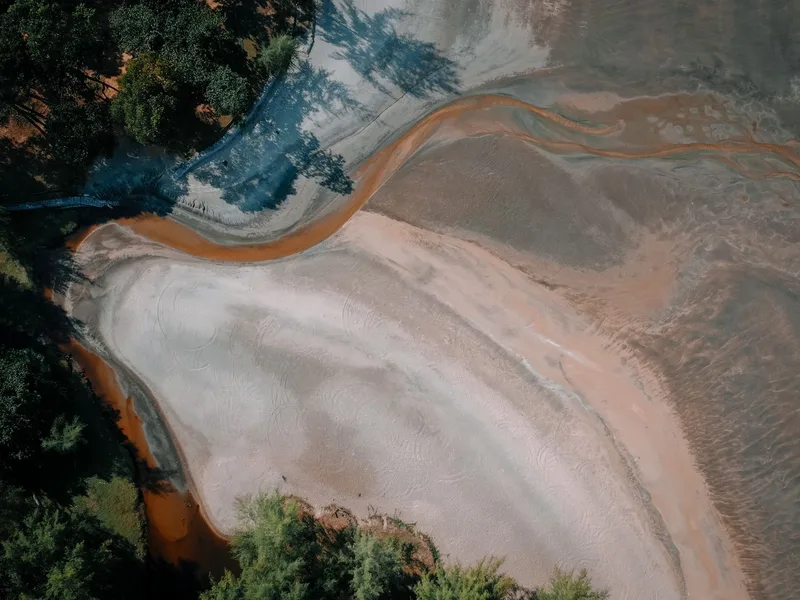
The layer on the floor
The floor layer here is grey with silt and dust from building work, not black as in older districts. The sediment is sharp and scratches the tank surface.
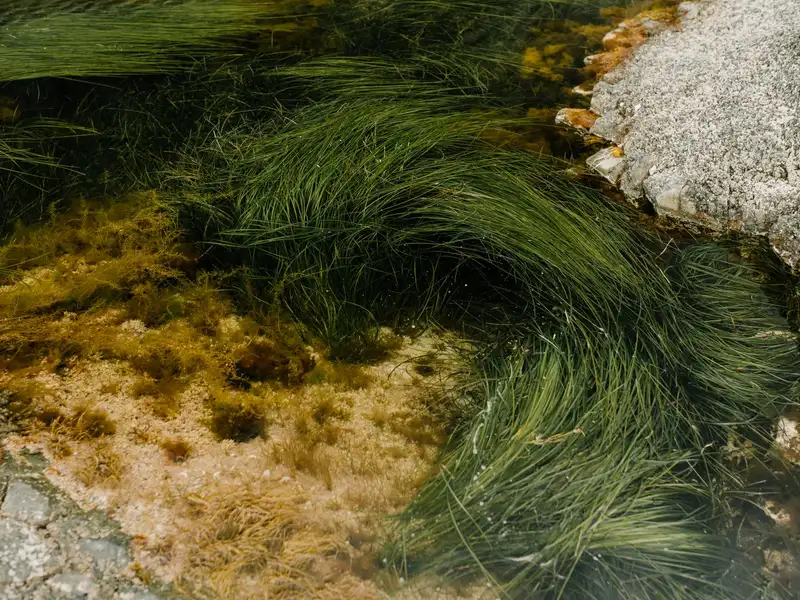
Light and algae
Algae growth is rare because construction dust blocks light and suffocates any biological growth before it starts.
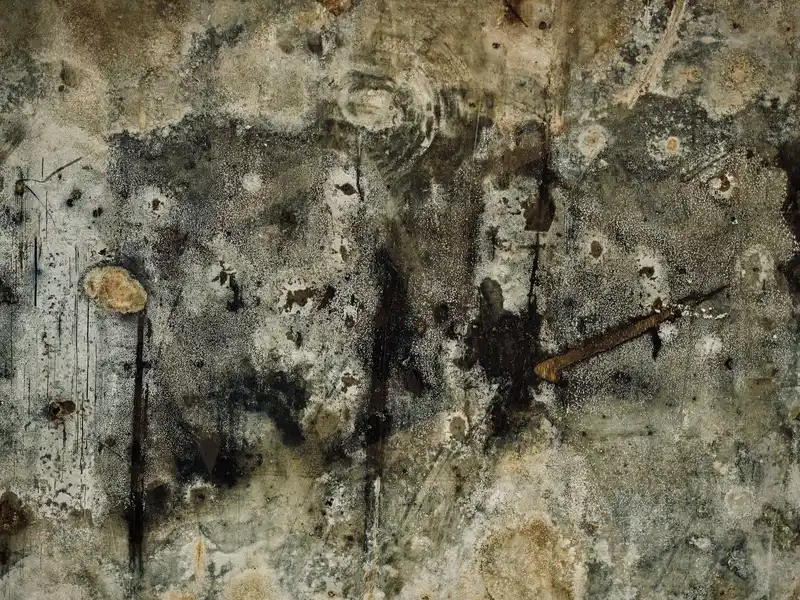
The deposit on the wall
The walls carry a thick grey film of fine dust that enters with the water and settles in layers on the tank sides.
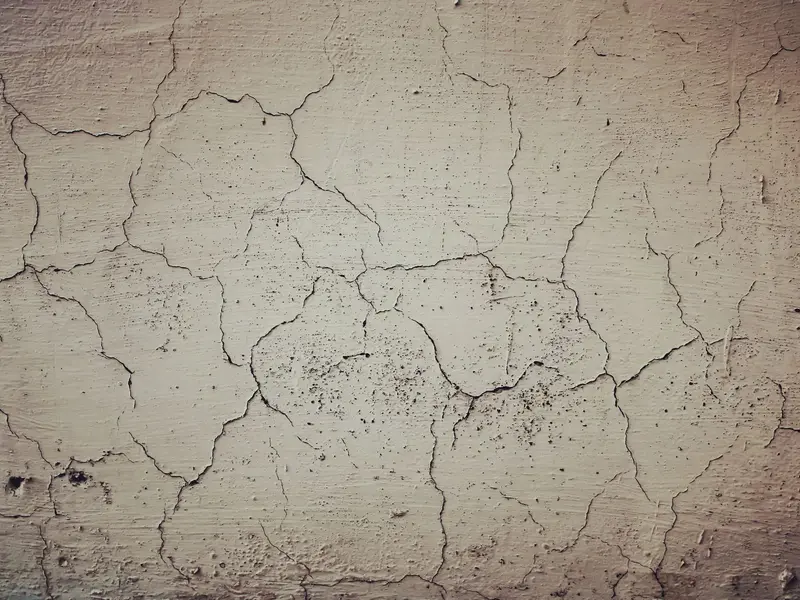
The lining and hairline cracks
Hairline cracks can appear faster in new tanks if water loaded with sharp silt enters; the grit scratches the protective lining as the tank refills and empties.
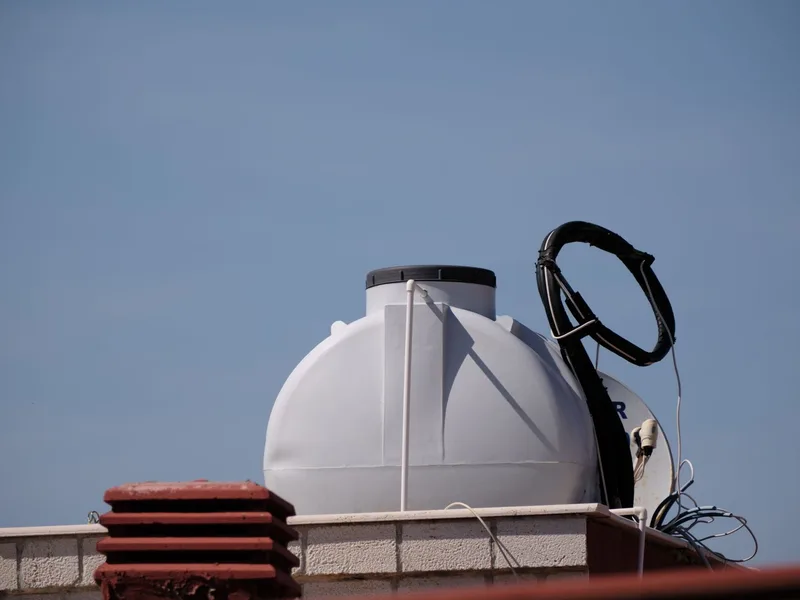
The lid and the access hatch
The lid and access hatch in new tanks may be incomplete or missing seals because construction and pipe connections are still ongoing.
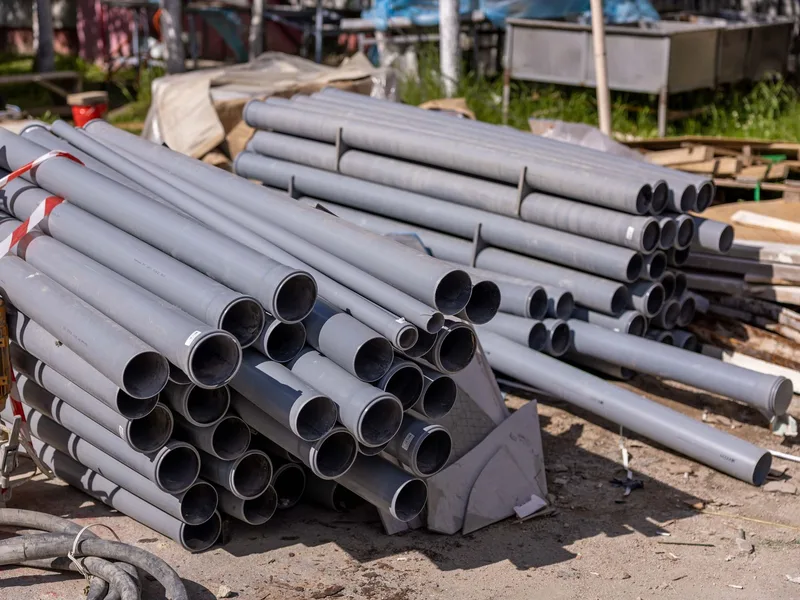
The vent and the overflow pipe
The vent and overflow pipe in building areas are usually uncapped or open, allowing dust and contaminated water to enter freely until final connections are complete.
How we work
-
1
Inspect before the drain
Tank type and material, the condition of the lining, the depth of the sediment, the lid and the vent, and where the drained water will go. We agree the window without supply before anything is opened.
-
2
Drain, then lift the sludge
The water leaves through the outlet, then the layer beneath it is taken out by hand and by suction. That layer is the reason for the visit, not the water that ran out ahead of it.
-
3
High pressure wash
Walls, floor and the joint where they meet, with a brush wherever the film resists, then the wash water is taken out completely so nothing we lifted settles again.
-
4
Disinfect and put back in service
Disinfectant over every internal surface, left for its contact time and then rinsed out, followed by the refill, a first draw off at the taps, and a report on what was inside the tank.
What water tank cleaning includes
-

An inspection before the valve
Tank type, lining condition, depth of sediment, lid and vent, recorded before any water leaves.
-

Full drain and sediment removal
The water through the outlet, and the layer below it by hand and by suction until the floor itself is showing.
-

Pressure washing walls and floor
High pressure across the surfaces and corners, and a brush on anything water alone will not lift.
-

Disinfection after the wash
A disinfectant intended for drinking water tanks, named to you before it is used, left for its contact time and then rinsed out.
-

Refill and the first draw off
We refill, run the taps so the new water moves through the pipework, and tell you when it is ready to use.
-

A report and the next date
What was inside the tank, anything on the lid or the lining that needs repair, and a sensible date for the next clean.
The character of Al Qashashiyah Al Jadid
New development: ongoing construction and vacant plots between the homes
In a new-development area like Al Qashashiyah Al Jadid, a new tank needs protection from dust and mineral sediment, not bacteria and insects as in older districts. Tanks here are biologically clean but silted with fine stone and earth.
Questions about this district
Water from our new villa has turned a strange grey colour. What is it?
The grey tint comes from fine silt and dust entering the tank from active building sites nearby. New pipework may have been open during construction, allowing construction dust to flow in. Cleaning removes the silt, but you may need additional cleaning as construction continues around you, because dust will re-enter between cleanings.
Should I have the new villa tank cleaned before we move in?
Absolutely yes. New tanks on building sites contain construction debris, dust and uncapped pipes still awaiting sealing. Cleaning before occupation is essential to remove this debris and confirm the water is safe to use from day one. Do not skip this step.
Vacant plots next to our villa kick up dust constantly. Will this affect the tank?
Yes, significantly. Bare vacant land releases fine dust that enters through vent holes and uncapped pipes. The more construction around you, the more dust enters. Your tank will need more frequent inspections, and the pipes must be checked to confirm they are sealed tight. Some residents upgrade to covered or filtered vent boxes to reduce dust ingress.
How soon should I clean the new villa tank after moving in?
If you did not clean it before occupancy, do so in the first week. Then wait one month and clean again to remove dust that entered after you moved in. After that, while construction continues around you, clean every two to three months instead of the usual annual schedule. Once building stops nearby, you can return to normal intervals.
Does the Fifth Ring Road nearby raise harmful dust into the tank?
The road raises some dust, but it is not the primary source. Active building sites around the tank are the real hazard. The road makes things worse on windy days, but cleaning the tank removes this dust completely. The building work is the limiting factor here.
Does a new tank need more maintenance than an old one?
No, but in year one it needs more frequent inspection and cleaning because of construction dust. Once building stops around your villa, cleaning drops to normal intervals. New tanks are usually stronger and leak less than old ones, but construction dust here means extra attention is needed right now.
How much does water tank cleaning in Al Qashashiyah Al Jadid cost?
It is set after the inspection, because the price follows the type of infestation, the size of the space, how far it has spread and the number of visits it needs. Send a photo and a description on WhatsApp and we will give you an estimate before we reach Al Qashashiyah Al Jadid.
Nearby districts we cover
Other services in Al Qashashiyah Al Jadid
Other services we provide to residents of Al Qashashiyah Al Jadid.
-
 Residential
Cockroach control
Residential
Cockroach control
-
 Residential
Bed bug control
Residential
Bed bug control
-
 Residential
Termite control
Residential
Termite control
-
 Residential
Rodents and mice
Residential
Rodents and mice
-
 Residential
Mosquito control
Residential
Mosquito control
-
 Residential
Fly control
Residential
Fly control
-
 Residential
Ant control
Residential
Ant control
-
 Residential
Gecko control
Residential
Gecko control
-
 Residential
Scorpion control
Residential
Scorpion control
-
 Residential
Snake control
Residential
Snake control
-
 Residential
Flea control
Residential
Flea control
-
 Residential
Bird and pigeon control
Residential
Bird and pigeon control
-
 Residential
Preventive treatment
Residential
Preventive treatment
-
 Residential
Disinfection
Residential
Disinfection
-
 Commercial
Annual contracts
Commercial
Annual contracts
-
 Commercial
Restaurants and cafes
Commercial
Restaurants and cafes
-
 Commercial
Hotels and apartments
Commercial
Hotels and apartments
-
 Commercial
Warehouses and factories
Commercial
Warehouses and factories
-
 Commercial
Schools and nurseries
Commercial
Schools and nurseries
-
 Commercial
Retail and malls
Commercial
Retail and malls
-
 Commercial
Rest houses and farms
Commercial
Rest houses and farms
-
 Commercial
Fumigation
Commercial
Fumigation
-
 Water tanks
Water tank sterilization
Water tanks
Water tank sterilization
-
 Water tanks
Water tank sealing
Water tanks
Water tank sealing
-
 Water tanks
Tank leak repair
Water tanks
Tank leak repair
Need water tank cleaning in Al Qashashiyah Al Jadid? Tell us what you saw and we will tell you what it needs
We reach Al Qashashiyah Al Jadid at a time we agree, and you get the full cost before we start.