
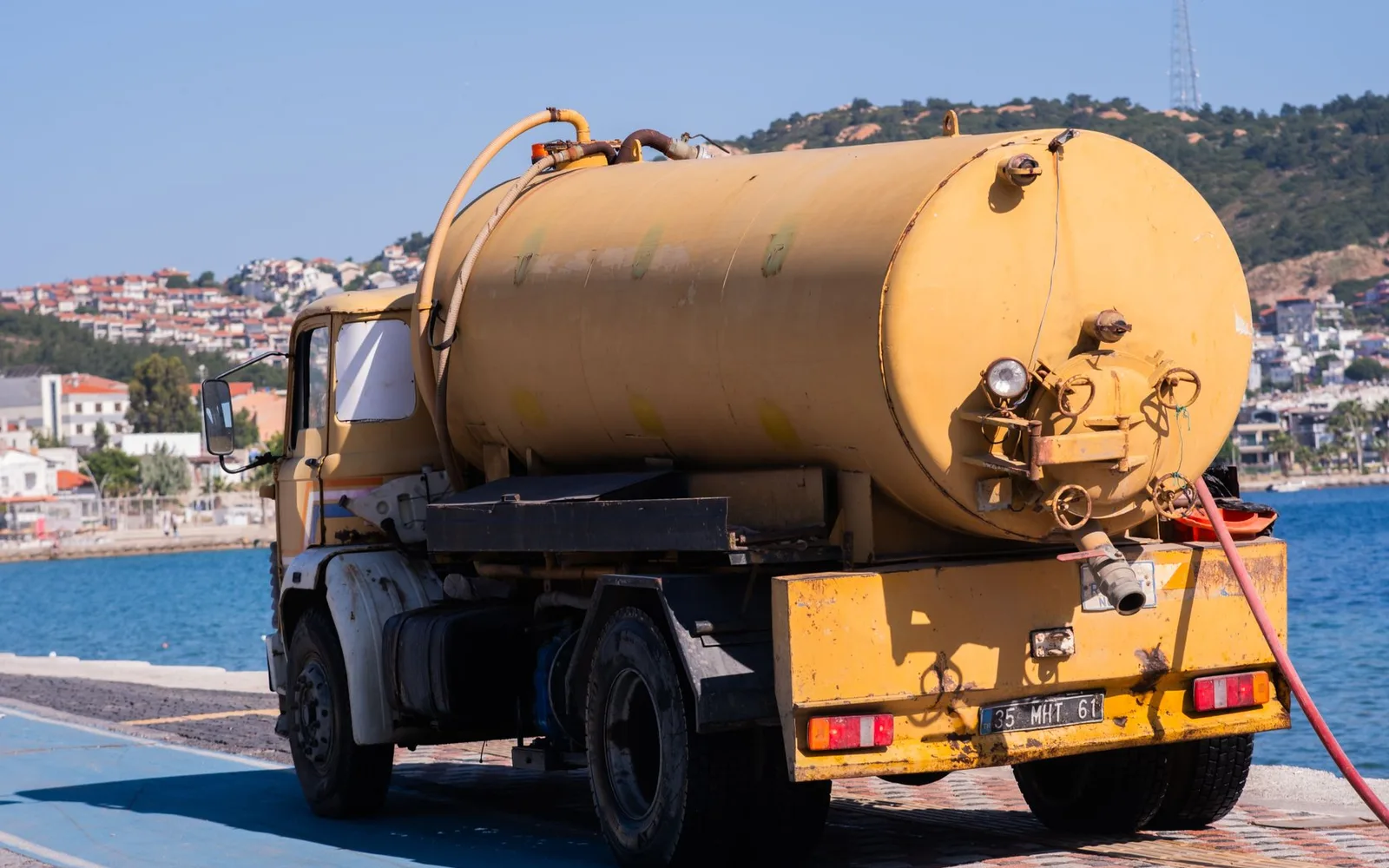
Water tank sealing in Al Qashashiyah Al Jadid Makkah
Al Qashashiyah Al Jadid represents the latest development schemes in south Jeddah and sits on complex terrain between wadis, hills and Wadi Malakan. Tanks here face pressure from fluctuating groundwater and soil expansion around the wadis. The approach includes treating tanks before neighbourhoods are fully occupied, focusing on joints and fine cracks that may emerge from ground movement and seasonal moisture shifts.
-
Potable-rated materials
Linings and disinfectants cleared for drinking water tanks, not general-purpose products.
-
You get the downtime first
How many hours the tank is out of service, told before we start rather than after we finish.
-
A first-draw flush
We run the first draw off after refilling, and the tank is not handed back until the water runs clear.
-
Ground and roof tanks
Villas, apartment blocks and premises that need a written record of each visit.
Why the job is different in Al Qashashiyah Al Jadid
The area contains an active wadi and natural hills, meaning seasonal soil movement and groundwater fluctuations affect building stability and tank integrity. The method is set out in full on how we approach Water tank sealing.
Wadis and hills shift the soil
Wadi Malakan and Kasab hills cause seasonal soil expansion and contraction. New tanks experience structural movement and stress at foundations, causing fine cracks in floor and joints.
Seasonal groundwater with high pressure impact
Groundwater here rises and falls seasonally, especially after rain. Hydrostatic pressure on tank walls causes leakage from small weak cracks.
Large projects need rapid treatment
Major new residential projects need fast tank treatment before residents move in. Solid sealing protects tanks from early problems.
Landmarks of Al Qashashiyah Al Jadid
Access to Al Qashashiyah Al Jadid runs via the Fifth Ring Road and the southern extension of Ibrahim Al Khalil Road. Kasab hills and Wadi Malakan define the area's geographic location and natural characteristics.
- Ibrahim Al Khalil Road
- Fifth Ring Road
- Kasab Hills
- Wadi Malakan
- Al Huwayrah Street
What we read before any material is opened
A new residential area at the city's far south between Kasab hills and Wadi Malakan, bisected by the Fifth Ring Road and the southern extension of Ibrahim Al Khalil Road. New residential buildings are under construction around Al Huwayrah Street, with municipal plots reserved for a central market and medical complexes.
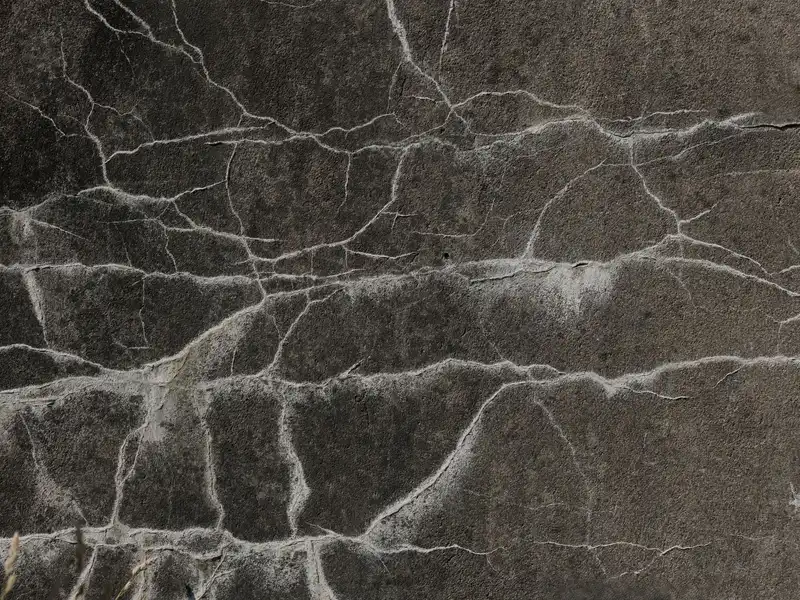
Cracking in the wall
Fine cracks appear in floor and walls from soil expansion around wadis and hills, worsening in autumn and winter.
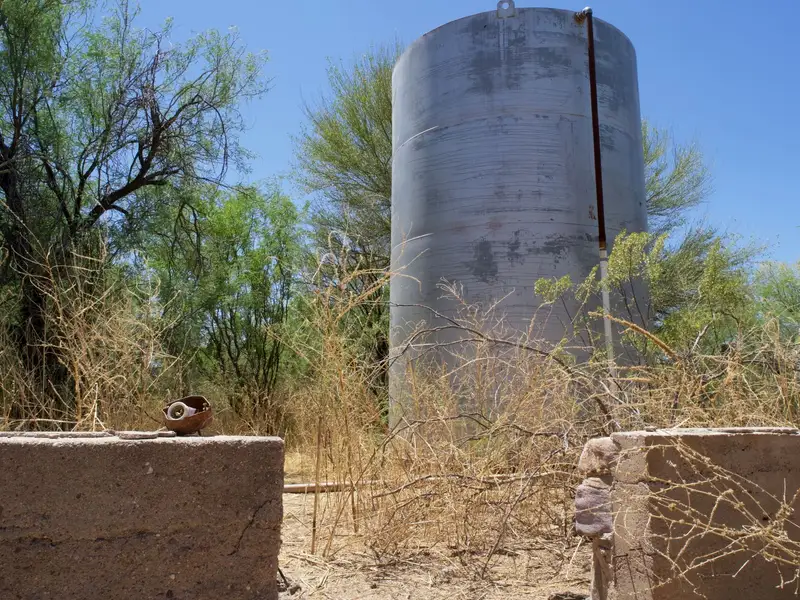
The floor to wall joint
Joints between floor and walls and pipe entries bear extra stress from soil movement and seasonal hydrostatic pressure.
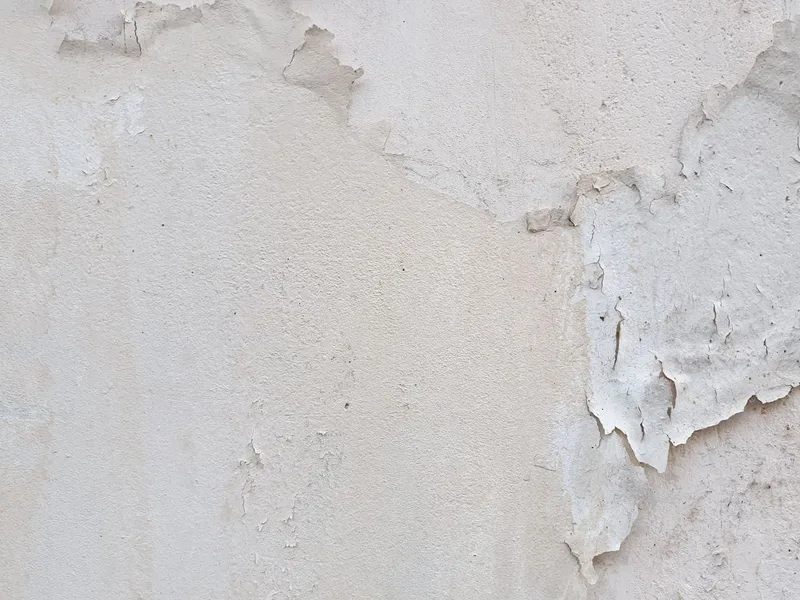
The condition of the old lining
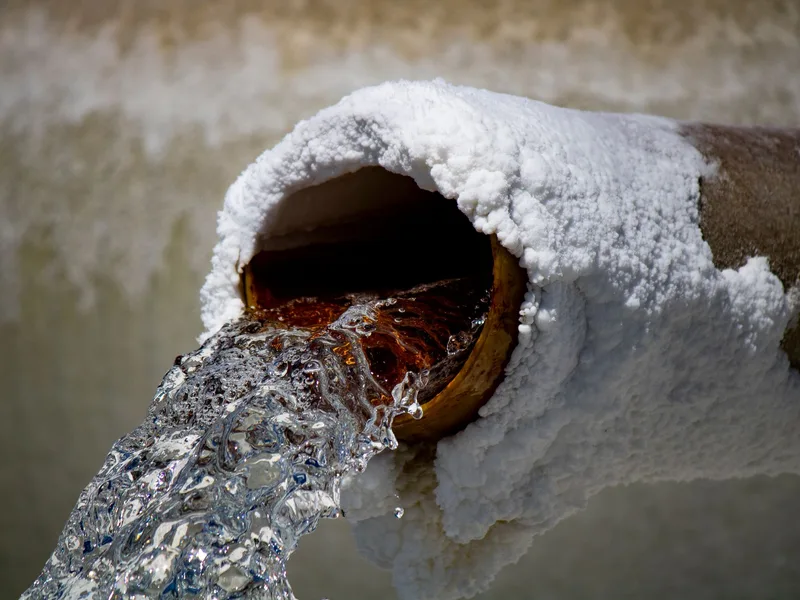
Salt deposits and high moisture from seasonal groundwater leave residue on the internal surface and need periodic removal.
Sediment and scale
Seasonal moisture spikes after rain increase pressure on tank walls and may cause leakage from hidden cracks.
The pipe entries
Small cavities and hairline cracks beneath the surface may result from ground movement rather than construction defect, but they provide leak pathways.
The hatch and the vent
Salt residue and silt from nearby groundwater reduce the effectiveness of new sealing, so cleaning and sterilisation before sealing is essential.
How we work
-
1
Inspect with the tank empty
We drain it and read the surface dry: whether the water leaves through a crack, a joint or a pipe collar, and what the outer face of the wall and the ceiling below are telling us. A level test with the valves closed separates a leaking tank from leaking pipework.
-
2
Clean and prepare the substrate
Sediment out, a high pressure wash, the loose old lining and the weak surface layer of the concrete taken back, then dried. The material grips sound substrate and nothing else.
-
3
Make the cracks and joints good
Cracks are chased out and filled with a repair mortar, a cove is formed where the floor meets the wall, and every pipe collar is treated on its own.
-
4
Lining, fill test, sterilisation
Successive coats, each run across the one beneath it, on the face the water touches. Then a full cure, a fill with the level watched, and sterilisation with the first fill run to waste before the tank returns to use.
What water tank sealing includes
-

Finding where the water leaves
Carried out drained and dry: cracks, joints, pipe collars and the outer face of the wall.
-

Draining and sediment removal
The last of the water and the settled layer on the floor come out, because a lining does not stick over sediment.
-

Cracks and joints made good
The crack opened and filled, a cove formed at the floor to wall junction, and each pipe entry worked separately.
-

Lining coats on the water face
More than one coat, each crossing the one below, in material made for drinking water tanks rather than roof waterproofing.
-

Curing, fill test and sterilisation
The material is left to cure, the tank is filled and the level watched, then sterilised and the first fill run to waste. How long the cure takes follows the material and the weather, and we tell you before the date so you can plan around the supply.
-

A follow-up level check
We come back once it is in service to read the level and check the outer face, because any remaining loss shows up then rather than on the day of the work.
What is different about South Makkah Sub-Municipality
South Makkah sub municipality is the belt of Crown Prince schemes south of Al Ukayshiyah, along the Al Laith road and the extension of Ibrahim Al Khalil Road to the Fifth Ring Road and the Non Muslims bypass. Most of it is still bare: granted plots awaiting houses, new villas standing alone, open building sites and unfinished paving and drainage. Wadi Uranah and its tributaries cross the low ground and hold water after rain, hills close it in, and rodents, reptiles and scorpions shelter in stacked materials and foundation pits before the neighbourhoods fill up.
Questions about this district
Do wadis and hills cause cracks in new tanks?
Yes. Soil movement around wadis creates stress and pressure on the tank. Fine cracks may appear in joints and floor from this seasonal ground shift.
How does groundwater here differ from other areas south of Jeddah?
Groundwater here is seasonal and changes level noticeably. Hydrostatic pressure rises after rain and adds extra strain on tank walls.
Do large new apartment buildings need bigger tanks and stronger sealing?
Yes. Large buildings need larger tanks and bigger tanks are more prone to cracking from movement. Stronger sealing is necessary.
Is the saline water here worse than elsewhere in south Jeddah?
Salinity is high, but the bigger challenge is seasonal hydrostatic pressure. Together they cause rapid sealing degradation.
When should tank sealing start on large projects?
It should begin once foundation construction is complete but before first use. Delay allows cracks to form and these can only be repaired by emptying the tank fully.
Do joints and pipe entries need separate treatment from tank walls?
Yes. Joints and pipes may be weaker than walls. Separate treatment targets these critical points.
How much does water tank sealing in Al Qashashiyah Al Jadid cost?
It is set after the inspection, because the price follows the type of infestation, the size of the space, how far it has spread and the number of visits it needs. Send a photo and a description on WhatsApp and we will give you an estimate before we reach Al Qashashiyah Al Jadid.
Nearby districts we cover
Other services in Al Qashashiyah Al Jadid
Other services we provide to residents of Al Qashashiyah Al Jadid.
-
 Water tanks
Water tank cleaning
-
 Water tanks
Water tank sterilization
-
 Water tanks
Tank leak repair
-
 Residential
Cockroach control
Need water tank sealing in Al Qashashiyah Al Jadid? Tell us what you saw and we will tell you what it needs
We reach Al Qashashiyah Al Jadid at a time we agree, and you get the full cost before we start.