
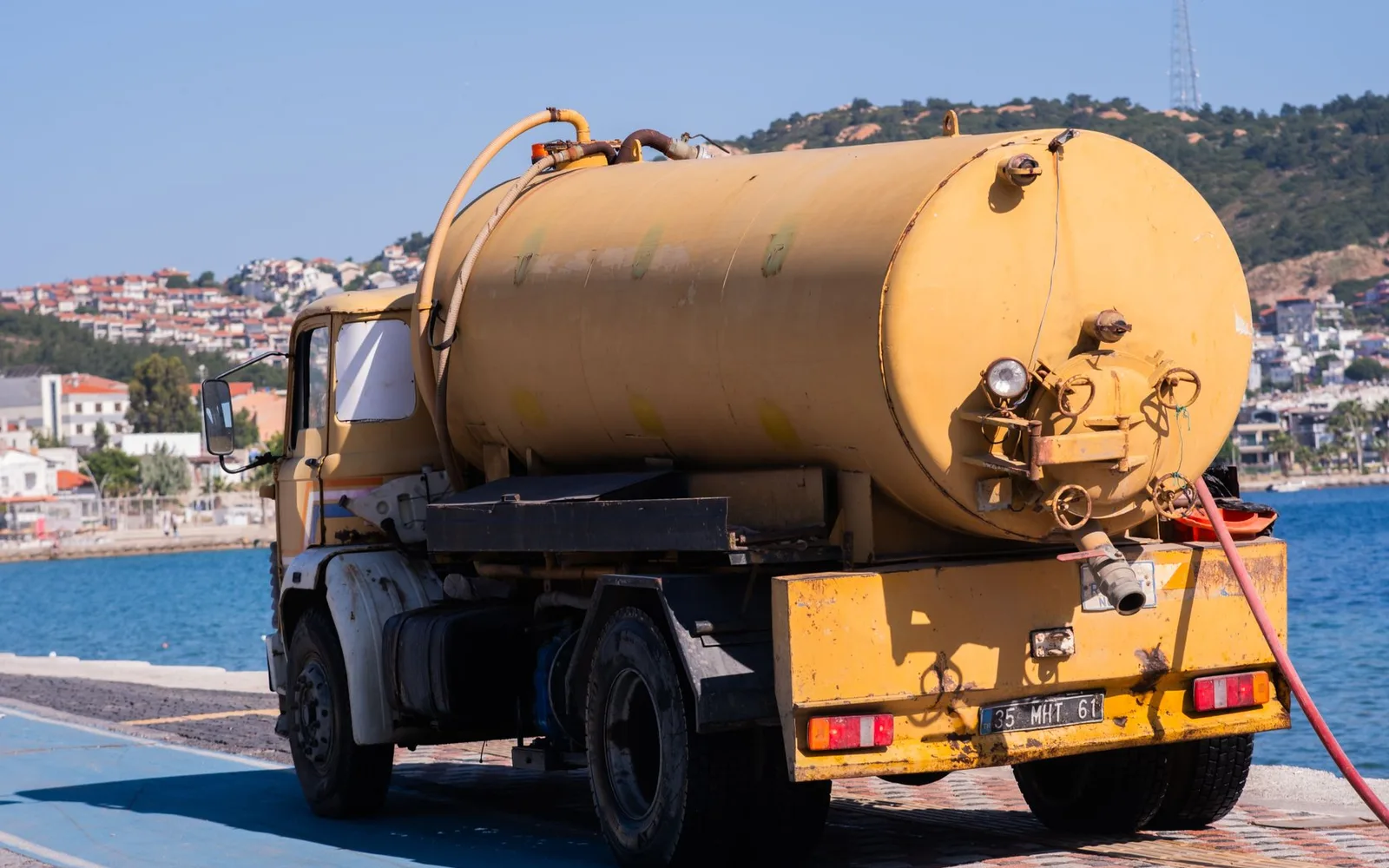
Water tank sealing in Al Hindawiyah Jeddah
Al Hindawiyah is a crowded historic quarter beside Jeddah Islamic Port, with old apartment blocks stacked above many traditional shops and souks. Tanks sit high on narrow roofs above traders and residents, and old buildings plus a very high water table cause relentless leaks. Repair here requires coordination with shopkeepers and residents because tank leaks fall directly onto goods below.
-
Potable-rated materials
Linings and disinfectants cleared for drinking water tanks, not general-purpose products.
-
You get the downtime first
How many hours the tank is out of service, told before we start rather than after we finish.
-
A first-draw flush
We run the first draw off after refilling, and the tank is not handed back until the water runs clear.
-
Ground and roof tanks
Villas, apartment blocks and premises that need a written record of each visit.
Why the job is different in Al Hindawiyah
Buildings here were erected over a century ago and tanks are very old, with continuous leaks in roof and interior walls. The method is set out in full on our Water tank sealing service.
High tanks mounted above shops and markets
Al Hindawiyah is a basement market with residential blocks above. Tanks sit very high on narrow roofs and pipes run through shop walls. Tank leaks drip onto goods and traditional merchandise below.
Cracks from subsidence and high groundwater
The water table is very high here and foundations are old and weak. Uneven settlement causes large cracks in tank walls and lining fails rapidly.
High moisture from port, gutters and enclosed souks
The quarter is close to the port and sea, and moisture is very high. Enclosed souks below the buildings create very damp air that rises to the tanks.
The character of Al Hindawiyah
Apartment district: residential blocks, repeated floors and shared entrances
The crowded quarter of residents and traders means shops below the buildings are directly exposed to tank leaks. Tanks are confined to small roofs and access is hard, making repair and sterilisation more complex.
What we read before any material is opened
An old, densely crowded quarter dating from the nineteenth century beside Jeddah Islamic Port, divided by Al Dhahab Street (also Abdullah Hashim Street) into a port-facing section and a thriving inland commercial sector. Ageing apartment buildings sit above extensive shops and traditional markets, with Port Street as a second main artery.
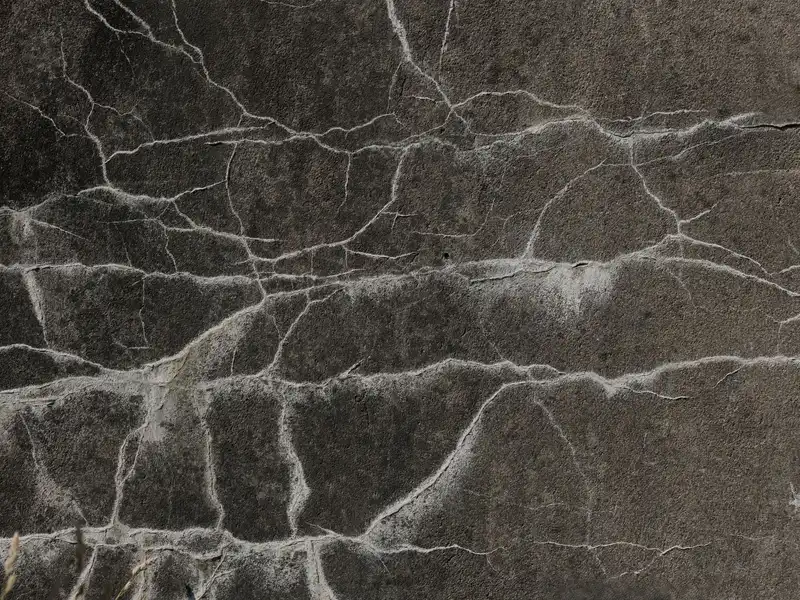
Cracking in the wall
Floor cracks result from very high groundwater pressure beneath the tank.
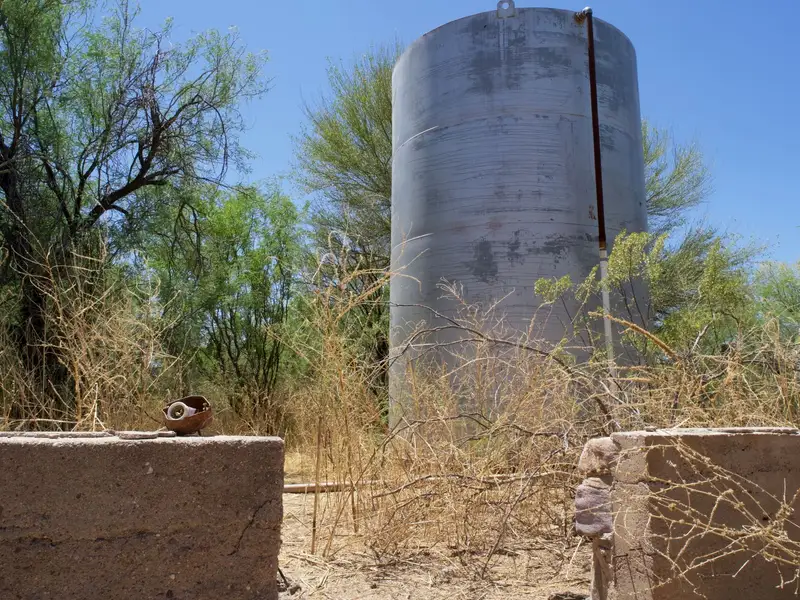
The floor to wall joint
Cracks around tank sides leak because old walls are weak and concrete fractures from moisture and salt.
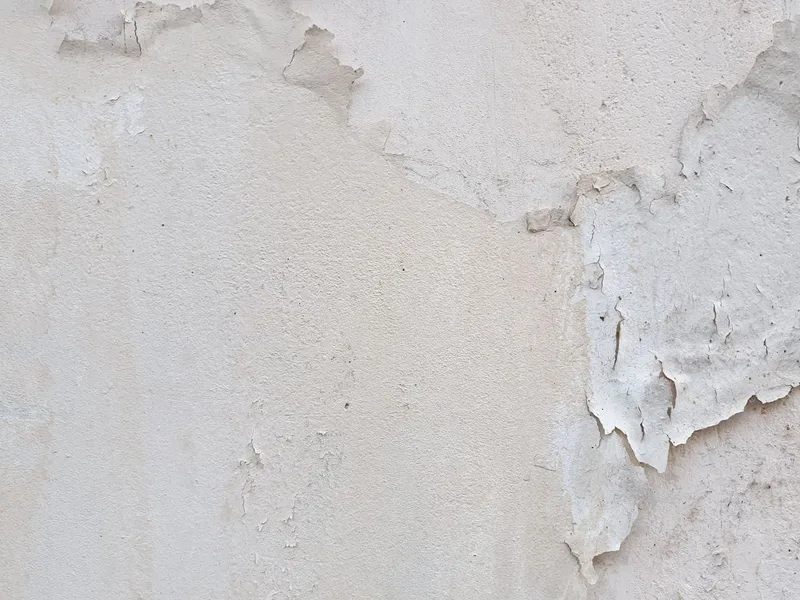
The condition of the old lining
Pipe entry points in external walls leak because concrete around pipes cracks from movement and pressure.
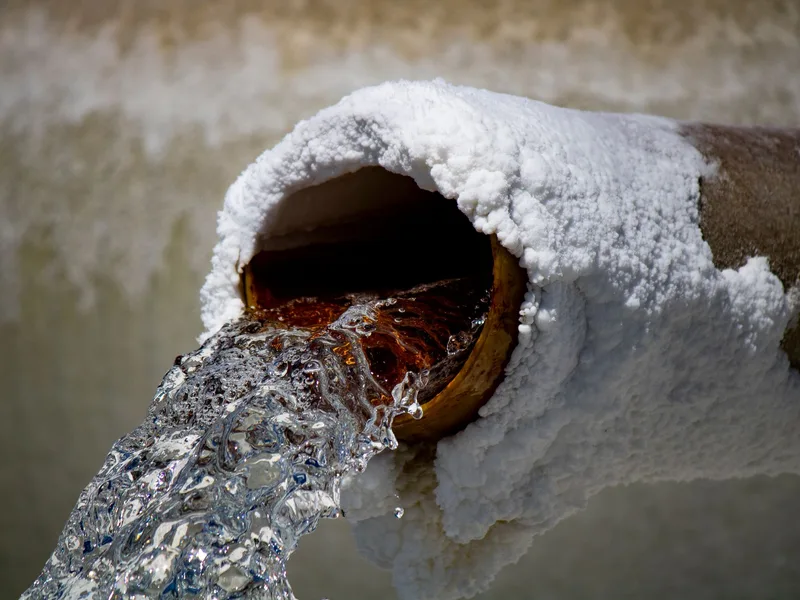
Sediment and scale
Moisture from the nearby port and enclosed souks causes rapid acid corrosion in the interior lining.
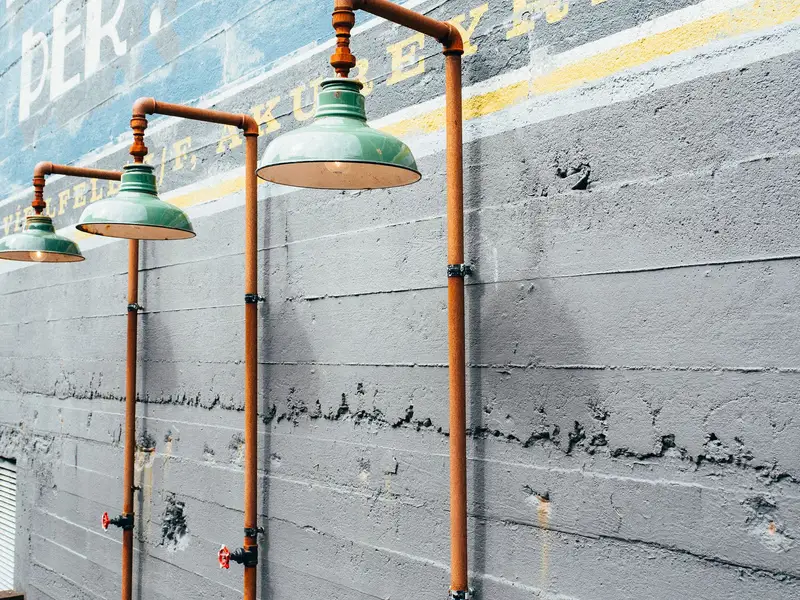
The pipe entries
Old foundations settle unevenly, causing shear stress and cracking in tank walls.
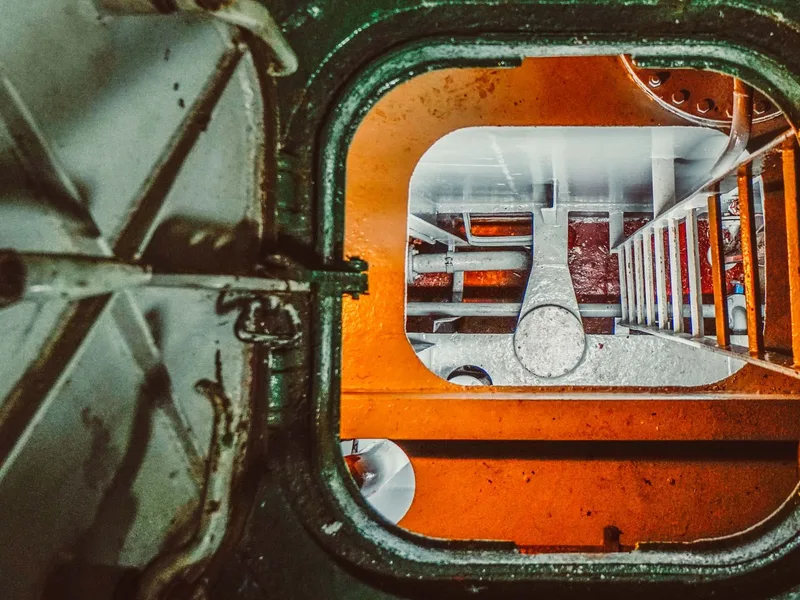
The hatch and the vent
Seeping water from walls and ceiling leaves brown stains and mineral marks that show crack and weakness locations.
How we work
-
1
Inspect with the tank empty
We drain it and read the surface dry: whether the water leaves through a crack, a joint or a pipe collar, and what the outer face of the wall and the ceiling below are telling us. A level test with the valves closed separates a leaking tank from leaking pipework.
-
2
Clean and prepare the substrate
Sediment out, a high pressure wash, the loose old lining and the weak surface layer of the concrete taken back, then dried. The material grips sound substrate and nothing else.
-
3
Make the cracks and joints good
Cracks are chased out and filled with a repair mortar, a cove is formed where the floor meets the wall, and every pipe collar is treated on its own.
-
4
Lining, fill test, sterilisation
Successive coats, each run across the one beneath it, on the face the water touches. Then a full cure, a fill with the level watched, and sterilisation with the first fill run to waste before the tank returns to use.
What water tank sealing includes
-

Finding where the water leaves
Carried out drained and dry: cracks, joints, pipe collars and the outer face of the wall.
-

Draining and sediment removal
The last of the water and the settled layer on the floor come out, because a lining does not stick over sediment.
-
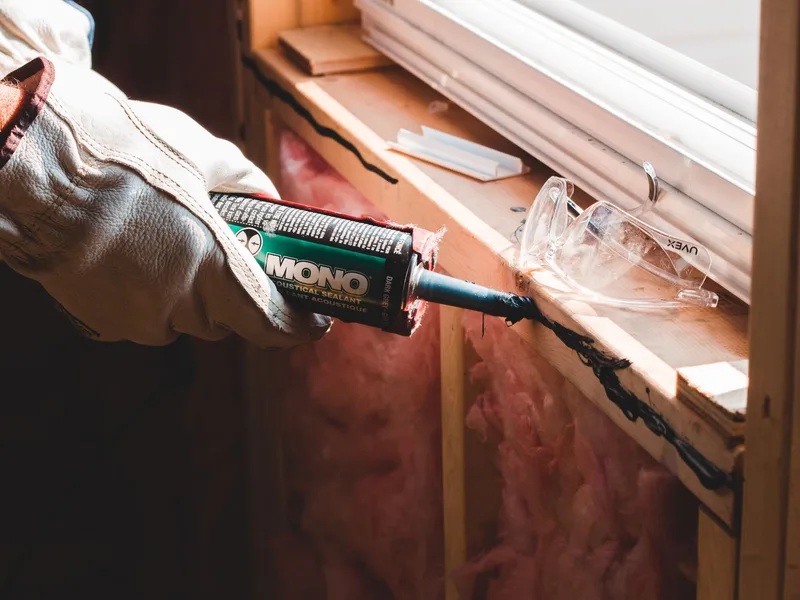
Cracks and joints made good
The crack opened and filled, a cove formed at the floor to wall junction, and each pipe entry worked separately.
-

Lining coats on the water face
More than one coat, each crossing the one below, in material made for drinking water tanks rather than roof waterproofing.
-

Curing, fill test and sterilisation
The material is left to cure, the tank is filled and the level watched, then sterilised and the first fill run to waste. How long the cure takes follows the material and the weather, and we tell you before the date so you can plan around the supply.
-

A follow-up level check
We come back once it is in service to read the level and check the outer face, because any remaining loss shows up then rather than on the day of the work.
What is different about Al Balad Sub-Municipality
Al Balad sub municipality covers the historic core of Jeddah and the districts that first grew outside its wall. Its building stock is the oldest in the city: heritage stone houses and apartment blocks from past decades, threaded with hotels, shops and crowded popular markets around Bab Makkah, Bab Sharif and the Kandarah Souq. Nearness to the sea, the Islamic Port and the Arbaeen lagoon keeps humidity high all year, water and drainage networks are old, and narrow lanes, dense eateries and commercial storerooms put food and shelter within reach at every corner.
Questions about this district
Does tank leakage reach the shopkeepers and residents directly below?
Yes. Leaks drip onto shops and residents cry foul. The leak must be stopped quickly to protect goods.
Why do tanks in Al Hindawiyah leak more than other old quarters?
The water table here is very high and foundations are very weak. Pressure from below and moisture from the sides trap the tank.
Do traditional souks beneath the buildings need extra protection during repair?
Yes. Shops must be shielded from water, dust and damp during work. Coordination with shopkeepers is crucial.
Is re-lining enough or is outside sealing also needed?
Interior lining solves most leaks. But if groundwater is very high, additional exterior sealing may be needed.
Does water leaking from the tank roof mean embedded pipes in walls are the problem?
Yes. Pipes run through walls and concrete around them cracks. Pipes cast into old, weak walls are a constant leak source.
How long does a full tank repair take in Al Hindawiyah?
Repair takes several days for emptying, cleaning, repair, and sterilisation. The area is crowded so coordination with residents and shopkeepers is essential.
How much does water tank sealing in Al Hindawiyah cost?
It is set after the inspection, because the price follows the type of infestation, the size of the space, how far it has spread and the number of visits it needs. Send a photo and a description on WhatsApp and we will give you an estimate before we reach Al Hindawiyah.
Nearby districts we cover
Other services in Al Hindawiyah
Other services we provide to residents of Al Hindawiyah.
-
 Water tanks
Water tank cleaning
-
 Water tanks
Water tank sterilization
-
 Water tanks
Tank leak repair
-
 Residential
Cockroach control
Need water tank sealing in Al Hindawiyah? Tell us what you saw and we will tell you what it needs
We reach Al Hindawiyah at a time we agree, and you get the full cost before we start.