
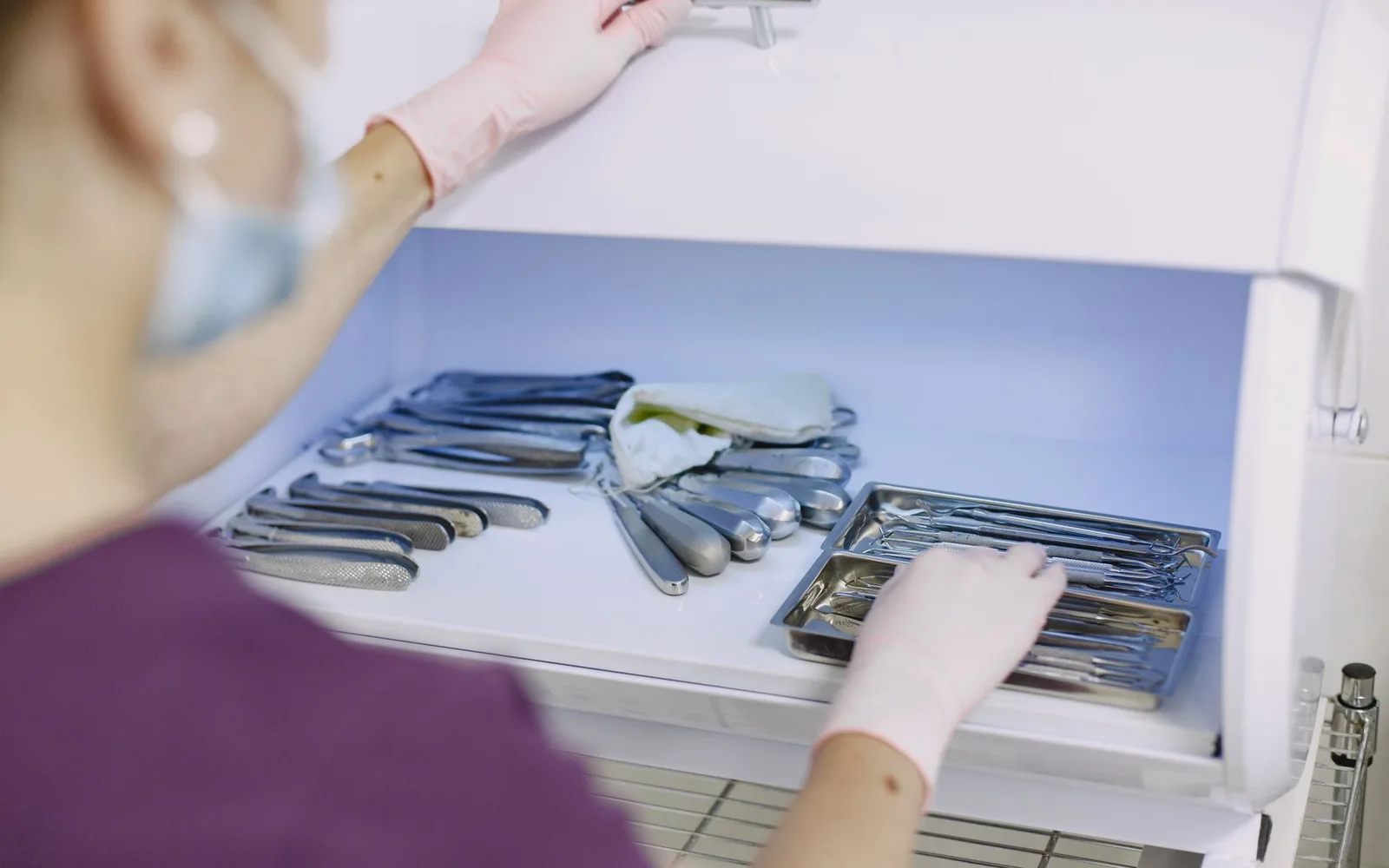
Water tank sterilization in Al Zahir Makkah
Al Zahir is an old district at Makkah's northern entrance on Madinah Road, crossed by the Third Ring Road and Hajun Street, housing large government institutions, hospitals and universities. Tanks here serve dense apartment blocks and large institutions requiring careful balance between capacity, purity and speed.
-
Potable-rated materials
Linings and disinfectants cleared for drinking water tanks, not general-purpose products.
-
You get the downtime first
How many hours the tank is out of service, told before we start rather than after we finish.
-
A first-draw flush
We run the first draw off after refilling, and the tank is not handed back until the water runs clear.
-
Ground and roof tanks
Villas, apartment blocks and premises that need a written record of each visit.
Why the job is different in Al Zahir
The district has old apartment buildings on slopes of Jabal Al Zahir and Jabal Al Barud, with a complex water network serving large institutions, hospital and university, making tanks numerous and varying in size and age. The method is set out in full on the full Water tank sterilization page.
Large tanks for institutions and hospital
King Abdulaziz Hospital and Umm Al Qura University have large tanks requiring regular cleaning and special attention. Large tanks require heavy equipment and specialist teams.
Complex network and long distribution lines
Hajun Street and the Third Ring Road divide the district, and lines extend long distances from main tanks. Long lines retain sediment and sludge and need careful flushing after sterilization.
High demand and concentrated consumption
The hospital, university, mall and library consume water heavily and continuously, and tanks lose water quickly. Sterilization timing must be exact to avoid disrupting vital services.
The character of Al Zahir
Apartment district: residential blocks, repeated floors and shared entrances
A mixed residential district with old buildings beside large government institutions, hospital and university. Treatment requires flexibility in handling tanks of different sizes, ages and purposes, with coordination with institutions to ensure vital services remain uninterrupted.
What we read inside the tank before anything starts
A mixed residential district at the northern entrance on Madinah Road, divided by the Third Ring Road and Hajun Street, containing King Abdulaziz Hospital, the Makkah Museum of Antiquities and Heritage, the Holy Capital public library, an Umm Al Qura campus and Al Diyafah Mall.
Sediment on the floor
Mineral and iron sediment accumulates in large elevated tanks and long lines, especially at bends and low points.
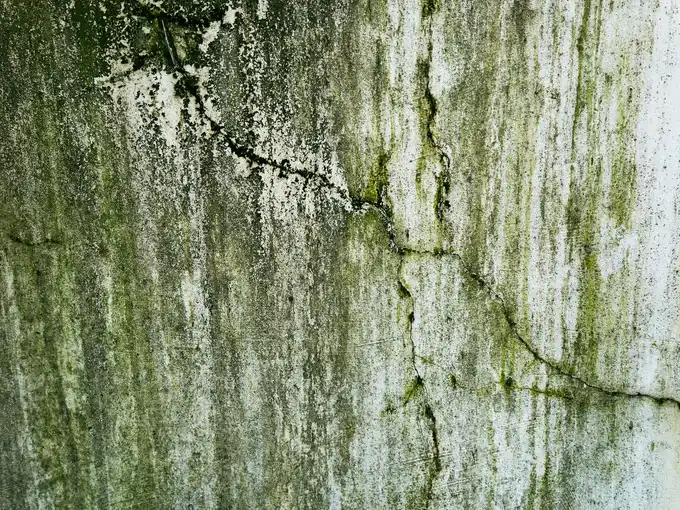
The slime film on the wall
Biofilm and organic sludge form in tanks with low circulation and stagnant zones like corners and cracks.
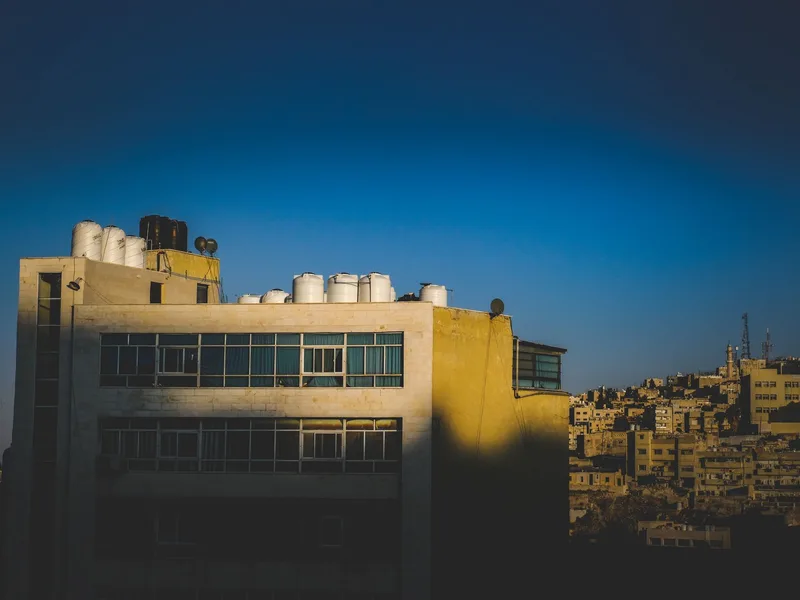
Light and heat
Leakage and outside water entry through ventilation and drain openings in roof-mounted or exposed tanks.
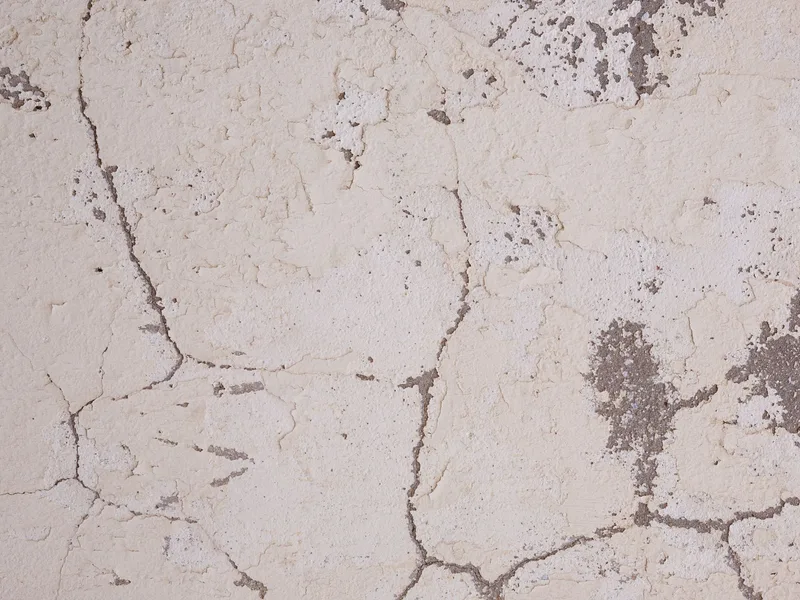
The lining and any cracking
High humidity and heat from building roofs and hospital proximity promote bacterial and algal growth.
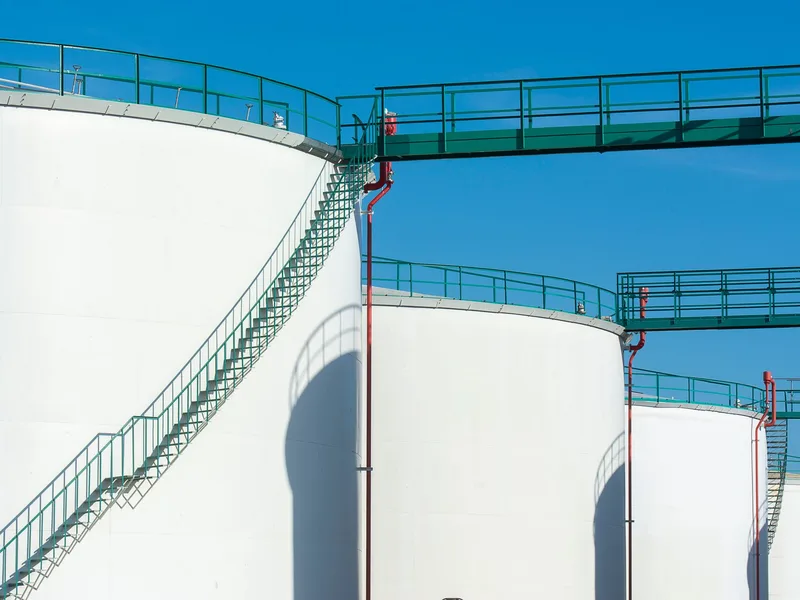
The lid and the openings
Sterilization quality requires ensuring the agent reaches every corner of the tank and lines, especially in large and complex tanks.

What shows up at the tap
Internal rust and corrosion marks show tank age and approaching need for replacement, especially in tanks serving the hospital.
How we work
-
1
Inspect and record the condition
We open the hatch and work through what the tank is made of and how big it is, how deep the sediment lies, the state of the lining, whether the lid and the overflow seal, and whether there is a crack that has to be repaired before any sterilizing.
-
2
Drain and lift the sediment out
The water goes out, then the silt and sand are lifted off the floor by suction rather than pushed toward the outlet, because pushing them sends them into the house pipework and the heater.
-
3
High pressure wash
Walls, floor, corners and the area around the outlet, until the slime film is completely gone. This is the step that makes the sterilizing after it mean anything.
-
4
Sterilize, rinse, then return to service
The sterilizing agent goes onto the walls, the floor and the underside of the lid and is left for its contact time, then we rinse, refill and run the furthest tap until the whole line is clear.
What water tank sterilization includes
-

A recorded inspection
Material, capacity, sediment depth, the state of the lining, the lid and the overflow, all before any work begins.
-

Draining and sediment removal
The water out, and the silt and sand lifted off the floor instead of being pushed into the outlet and the house pipework.
-

High pressure washing
Walls, corners and around the outlet, until the biofilm that no disinfectant penetrates has gone.
-
Sterilizing the internal surfaces
A sterilizing agent meant for drinking water tanks, applied to the walls, the floor and the underside of the lid, and left for its contact time.
-

Line flush and aftercare
Rinse, refill and a flush from the furthest tap, when the water is usable again, and what to change in the filter afterwards.
-

The next cycle
We agree the right interval for your tank from how it is filled, how much sun it takes and the condition of the lid.
What is different about Al Utaybiyah Sub-Municipality
Al Utaybiyah sub municipality covers the old districts north of the Grand Mosque: the hillside quarters of Al Hajun, Al Utaybiyah and Al Bayban, Al Zahir and Al Shuhada at the northern entrance, and the newer Al Zahra, Al Diyafah and An Nuzhah westward. Its building stock is among the oldest in Makkah, stone houses on the hills, packed apartment blocks and sewers decades old, threaded with crowded markets like the Utaybiyah souq and furnished flats that fill in the pilgrim seasons. Wadi Al Zahir and Wadi Al Tanim carry storm water through it, and industrial workshops line Hajj Street.
Questions about this district
Do hospital and university tanks need higher sterilization standards?
Yes. The hospital and university require higher hygiene standards. Sterilization needs longer flushing and a longer wait period after treatment.
How often do large tanks here need sterilization?
Large, high-consumption tanks may need sterilization three to four times yearly, or based on inspection results.
Does flushing long lines remove all sludge?
Long flushing from tank to end of line removes most sludge. But low points may retain sediment and may need additional periodic flushing.
Can large tanks be sterilized without cutting water to services?
It may be difficult because tanks are very large and need complete emptying. We usually plan with institutions to time maintenance carefully.
What sediment is common in hospital and residential building tanks?
Hospital tanks may accumulate pharmaceutical and organic sediment, residential buildings normal mineral sediment. Each needs different treatment.
Does water quality differ between large and small tanks in Al Zahir?
Yes. Large tanks may be cleaner because water circulates more. Small tanks in old buildings may be dirtier.
How much does water tank sterilization in Al Zahir cost?
It is set after the inspection, because the price follows the type of infestation, the size of the space, how far it has spread and the number of visits it needs. Send a photo and a description on WhatsApp and we will give you an estimate before we reach Al Zahir.
Nearby districts we cover
Other services in Al Zahir
Other services we provide to residents of Al Zahir.
-
 Water tanks
Water tank cleaning
-
 Water tanks
Water tank sealing
-
 Water tanks
Tank leak repair
-
 Residential
Cockroach control
Need water tank sterilization in Al Zahir? Tell us what you saw and we will tell you what it needs
We reach Al Zahir at a time we agree, and you get the full cost before we start.