
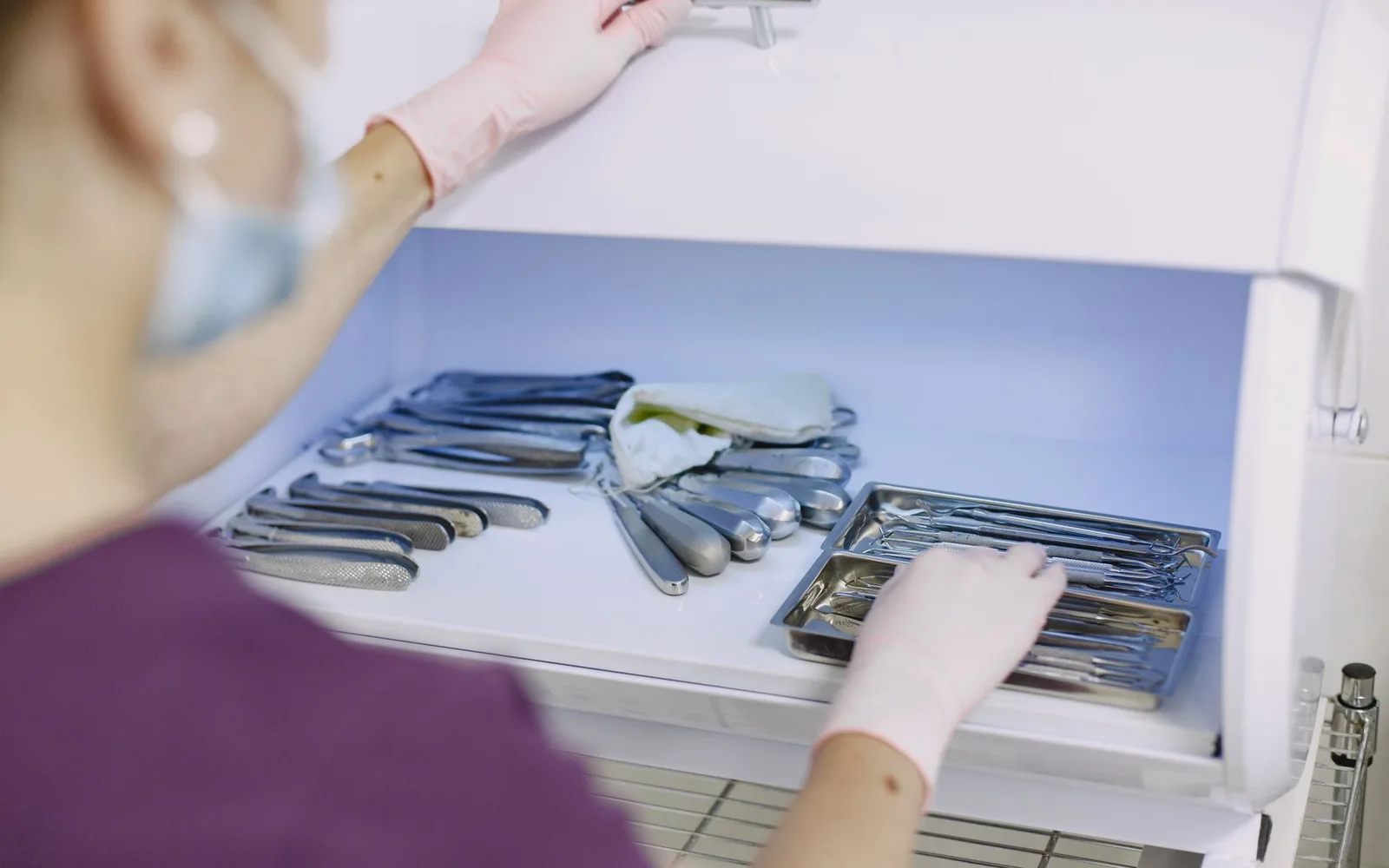
Water tank sterilization in Jaranah Makkah
Jaranah is an ancient wadi settlement on the north-eastern edge of the Haram, centred on Al Jaranah Mosque where pilgrims from Makkah enter ihram for umrah. Tanks here supply water to old houses fed by traditional wells in the wadi bed. Well water is heavy with minerals and organic matter from the damp wadi soil, and tanks need regular cleaning of silt and sediment settled from this hard water.
-
Potable-rated materials
Linings and disinfectants cleared for drinking water tanks, not general-purpose products.
-
You get the downtime first
How many hours the tank is out of service, told before we start rather than after we finish.
-
A first-draw flush
We run the first draw off after refilling, and the tank is not handed back until the water runs clear.
-
Ground and roof tanks
Villas, apartment blocks and premises that need a written record of each visit.
Why the job is different in Jaranah
Residents observe heavy and cloudy water from old wells, especially in dry periods when salt and heavy minerals concentrate in the water. The method is set out in full on the full Water tank sterilization page.
Traditional wadi wells supply mineral-heavy water
Jaranah relies on old traditional wells in the wadi bed. This water carries high concentrations of calcium, magnesium and salt from damp wadi soil.
Old houses and ancient stone tanks
Most houses in Jaranah are old with stone or very old concrete tanks. These tanks leak and allow soil, roots and insects to enter.
High wadi moisture and vegetation speeds biofilm growth
The wadi is naturally damp with plants and trees surrounding it. This speeds bacterial and fungal growth in tanks and water lines.
Jaranah on the map
Jaranah sits about 3 km from Yamamah and about 4 km from Zamzam.
Open in Google MapsWhat we read inside the tank before anything starts
A wadi settlement on the north-eastern edge of the Haram, serving as a small administrative town on Al Jaranah Road north of Al Yamamah and Zamzam. Houses are low and old, traditional wells lie in the wadi bed, and parks and open ground surround the built area.
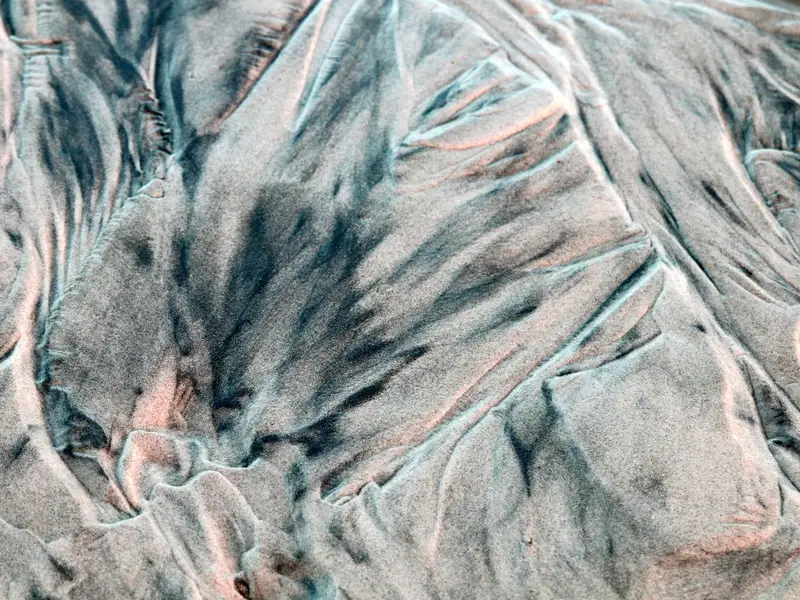
Sediment on the floor
Heavy mineral deposits from old wells settle on the floor, especially calcium, magnesium and salt.
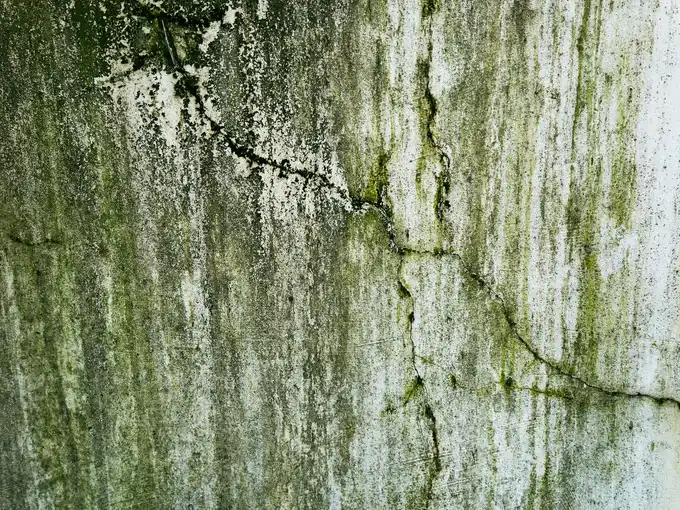
The slime film on the wall
Biofilm grows rapidly because the wadi is damp, vegetation surrounds it and temperature is moderate.
Light and heat
Cracks in old stone tanks provide pathways for soil, roots and insects to enter from surrounding ground.
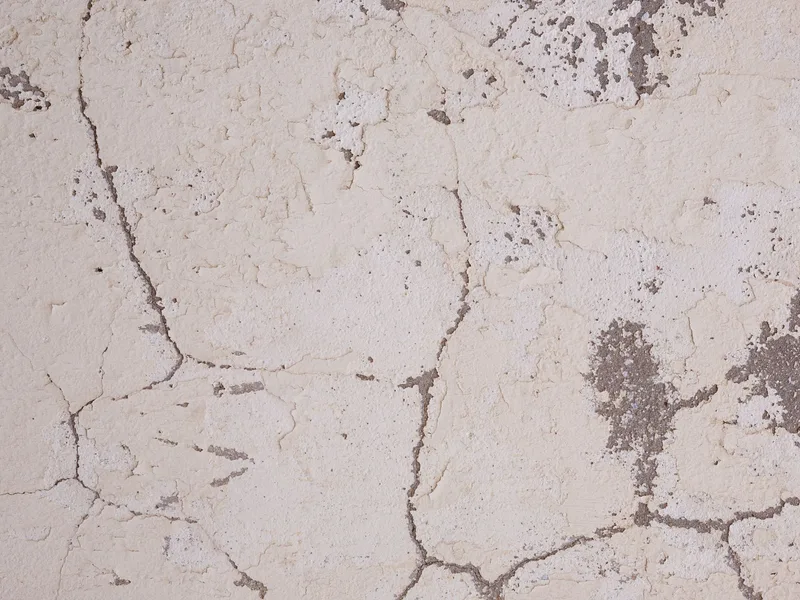
The lining and any cracking
High wadi moisture from vegetation and nearby wells provide ideal conditions for fungal and bacterial growth.
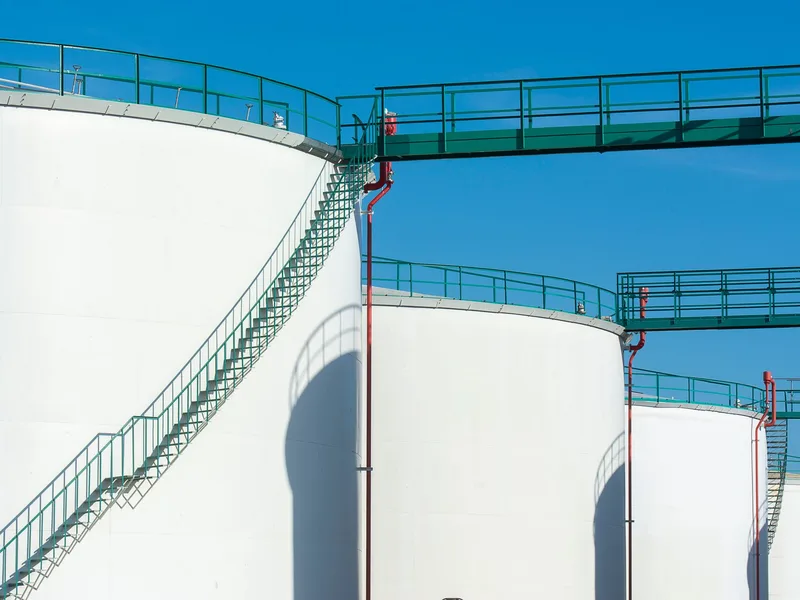
The lid and the openings
Biofilm accumulations form on rough old stone surfaces of very aged tanks.

What shows up at the tap
Dark and cloudy water with organic smell signals advanced bacterial and fungal contamination from wells and damp soil.
How we work
-
1
Inspect and record the condition
We open the hatch and work through what the tank is made of and how big it is, how deep the sediment lies, the state of the lining, whether the lid and the overflow seal, and whether there is a crack that has to be repaired before any sterilizing.
-
2
Drain and lift the sediment out
The water goes out, then the silt and sand are lifted off the floor by suction rather than pushed toward the outlet, because pushing them sends them into the house pipework and the heater.
-
3
High pressure wash
Walls, floor, corners and the area around the outlet, until the slime film is completely gone. This is the step that makes the sterilizing after it mean anything.
-
4
Sterilize, rinse, then return to service
The sterilizing agent goes onto the walls, the floor and the underside of the lid and is left for its contact time, then we rinse, refill and run the furthest tap until the whole line is clear.
What water tank sterilization includes
-

A recorded inspection
Material, capacity, sediment depth, the state of the lining, the lid and the overflow, all before any work begins.
-

Draining and sediment removal
The water out, and the silt and sand lifted off the floor instead of being pushed into the outlet and the house pipework.
-

High pressure washing
Walls, corners and around the outlet, until the biofilm that no disinfectant penetrates has gone.
-
Sterilizing the internal surfaces
A sterilizing agent meant for drinking water tanks, applied to the walls, the floor and the underside of the lid, and left for its contact time.
-

Line flush and aftercare
Rinse, refill and a flush from the furthest tap, when the water is usable again, and what to change in the filter afterwards.
-

The next cycle
We agree the right interval for your tank from how it is filled, how much sun it takes and the condition of the lid.
The character of Jaranah
Rural area: farms, open ground and scattered homes
An old rural settlement means simple houses and traditional eroded stone tanks. Wells are the main water source, not a modern distribution network. Treatment focuses on removing heavy mineral deposits first, then repeated regular disinfection cycles to counter bacteria and fungi thriving in a damp rural environment.
Questions about this district
Does old well water need different tank treatment?
Yes, well water is heavy with minerals and salt. The tank needs strong washing to remove mineral deposits before sterilization.
Why do old house tanks leak and attract soil?
Old stone and concrete tanks crack and wear over time. Cracks allow soil, roots and insects to enter around the tank base.
Is one sterilization enough for a rural house or does it need repeating?
Rural houses with old wells need more frequent sterilization cycles. We recommend treating every three months because well water is continuously contaminated.
How do we handle cracks and leaks in old stone tanks?
We inspect for cracks during cleaning. If large, we recommend tank repair or replacement with a new tank before sterilization.
Does well water need separate filtration before sterilization?
Yes, we recommend installing a filter on the well intake line. This reduces silt and sediment entering the tank.
How does bacterial growth in Jaranah differ from other areas?
Jaranah is damp with nearby wells, and vegetation and moisture speed bacterial and fungal growth. Treatment must be more frequent.
How much does water tank sterilization in Jaranah cost?
It is set after the inspection, because the price follows the type of infestation, the size of the space, how far it has spread and the number of visits it needs. Send a photo and a description on WhatsApp and we will give you an estimate before we reach Jaranah.
Other services in Jaranah
Other services we provide to residents of Jaranah.
-
 Water tanks
Water tank cleaning
-
 Water tanks
Water tank sealing
-
 Water tanks
Tank leak repair
-
 Residential
Cockroach control
Need water tank sterilization in Jaranah? Tell us what you saw and we will tell you what it needs
We reach Jaranah at a time we agree, and you get the full cost before we start.