
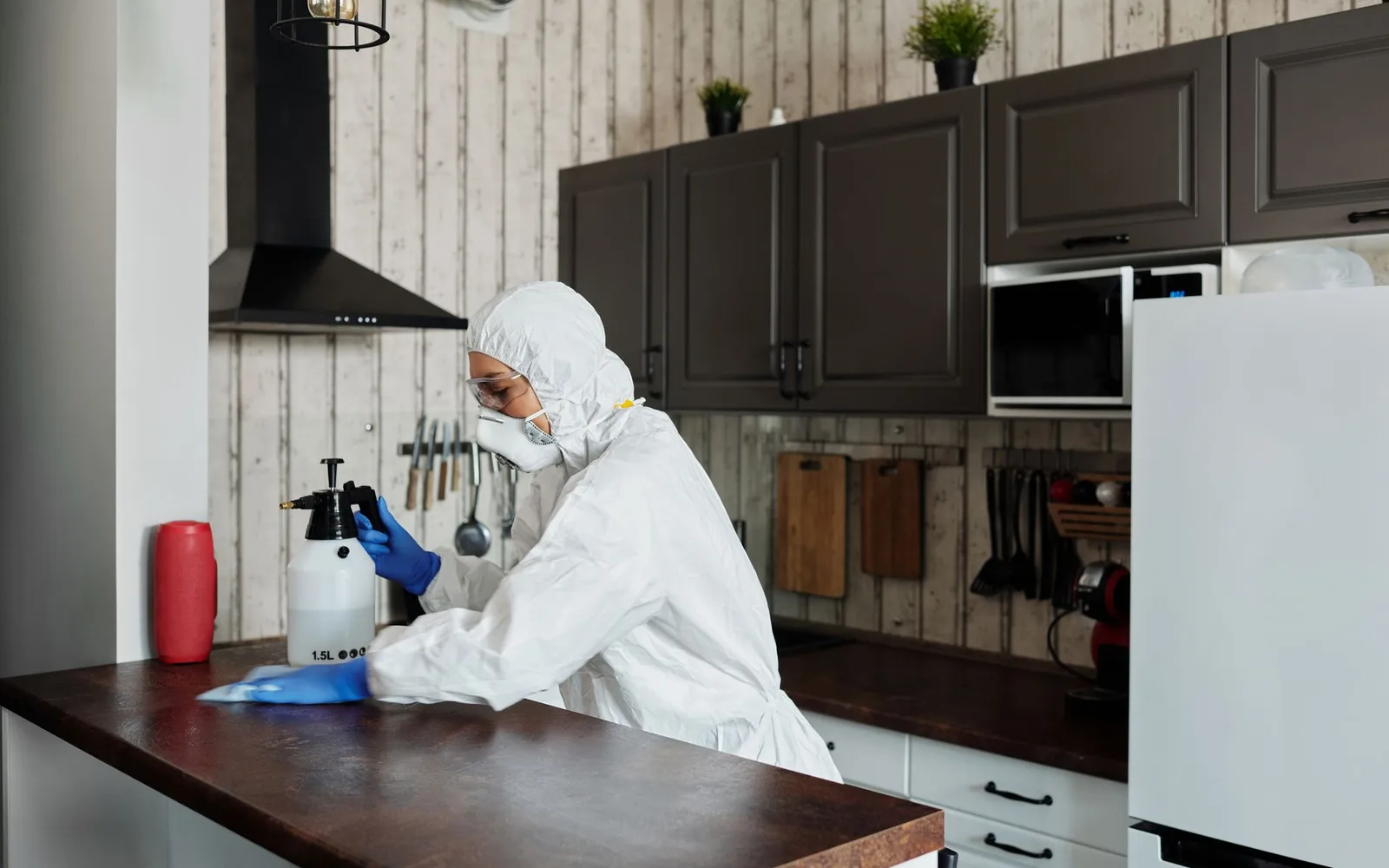
Disinfection in Al Nuzhah Makkah
Al Nuzhah is a mixed district in the west of Al Utaybiyah, where residential blocks stand beside shops and government offices in a densely settled area with constant flows of pilgrims and visitors. Disinfection here addresses multiple-use spaces in a historic quarter with decades-old pipes and limited infrastructure.
-
Targeted, not broadcast
Product goes into cracks and runways, never sprayed across open surfaces.
-
Told before we start
What we will use, where it goes, and what to cover or move before we arrive.
-
A follow-up visit
We return after the first treatment, because what survives it does not show on the day.
-
Homes and businesses
Apartments and villas, and kitchens and stores that need a record of each visit.
Why they keep coming back in Al Nuzhah
The district sees heavy resident turnover especially in pilgrimage seasons, and the older apartment blocks require careful treatment because their internal networks are historical and decayed. The method is set out in full on what Disinfection involves.
Aged sewers and decades of accumulated infrastructure
Al Nuzhah sits in one of Makkah's oldest building zones, where sewers and pipework are historical and need specialist treatment. Disinfectant must reach these ancient networks and floor traps without damaging old pipes or causing blockages in systems already under pressure.
Continuous waves of pilgrims, residents and turnover
The district welcomes high volumes of Hajj and Umrah visitors in peak seasons, with permanent residents between cycles. Contaminants are diverse and come from continuous external sources, raising how often routine disinfection is needed throughout the year.
Humidity and buildup in crowded popular markets
The district holds busy crowded markets like Utaybiyah Souq with high moisture levels. Surfaces in adjacent blocks absorb humidity and dirt from heavy foot traffic, and disinfectant needs precise application to work effectively in these humid conditions.
Landmarks of Al Nuzhah
In Al Nuzhah district between Old Makkah Road to the north and the Third Ring Road to the south, we reach residential units and shops via Umm Al Qura Road, the main artery through the area. We prioritise zones near Al Hijaz Mall and An Nuzhah Park where visitor traffic and contamination accumulate most heavily.
- Old Makkah Road
- Umm Al Qura Road
- Third Ring Road
- Al Hijaz Mall
- An Nuzhah Park
- Al Hawas Mosque
What we look at before the product is chosen
Old Makkah Road bounds it to the north with As Salamah beyond, while Umm Al Qura Road and the Third Ring Road run through it, lined with numerous shops, government service branches and utility offices serving a dense population.
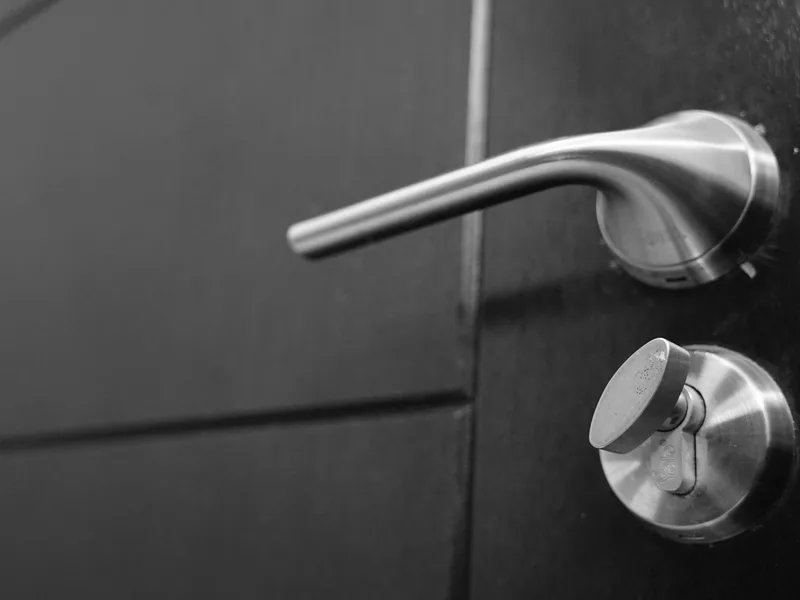
The touch points
Touch points in older blocks and housing projects gather contaminants quickly because of continuous movement of pilgrims and visitors, requiring repeated treatment of door handles, railings and stair surfaces.
Porous surfaces
Porous surfaces in old walls and floors need deep prior cleaning because historic paintwork may be cracked and traps dirt and contamination in deep layers that need preparation before disinfection.
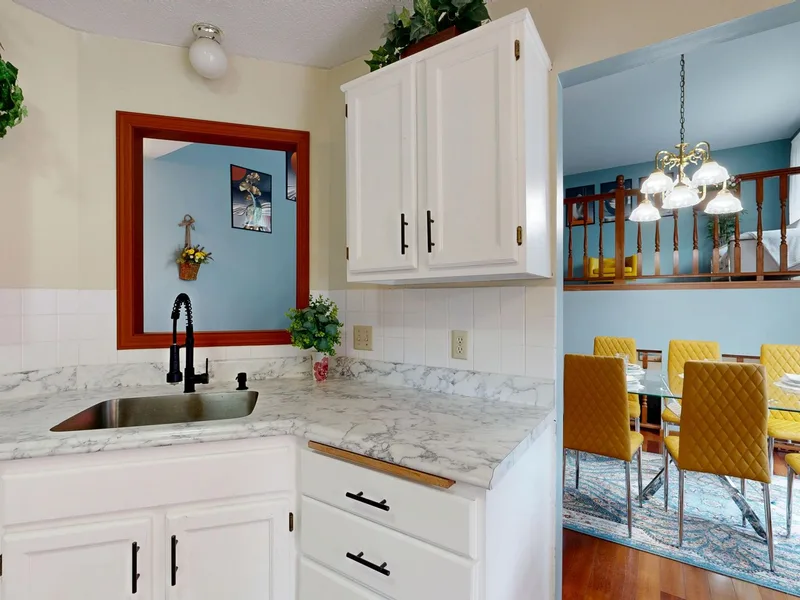
The finish itself
Old finishes from historic construction require careful product selection that will not damage aged paint or leave residue on clay or old concrete surfaces common in the quarter.
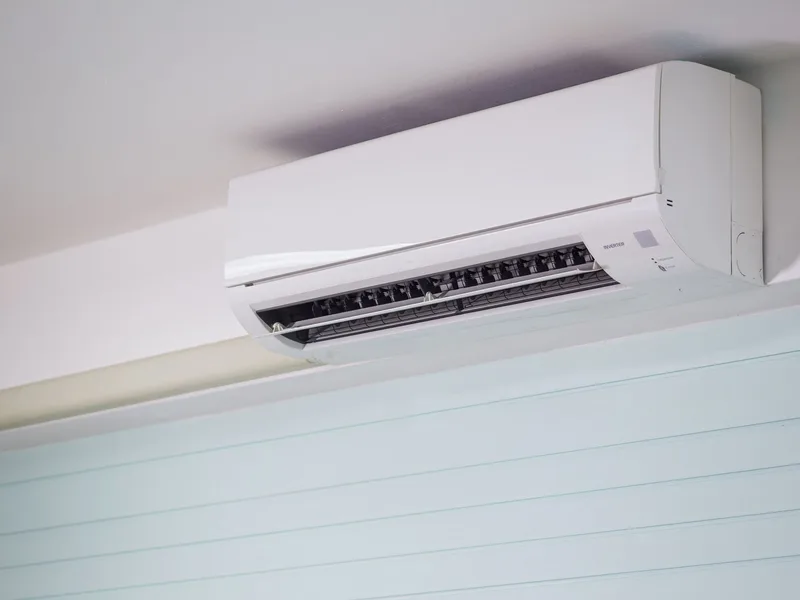
The air conditioning unit
Individual old cooling systems need separate treatment of filters and openings because the district's high humidity causes faster contamination buildup inside the equipment.
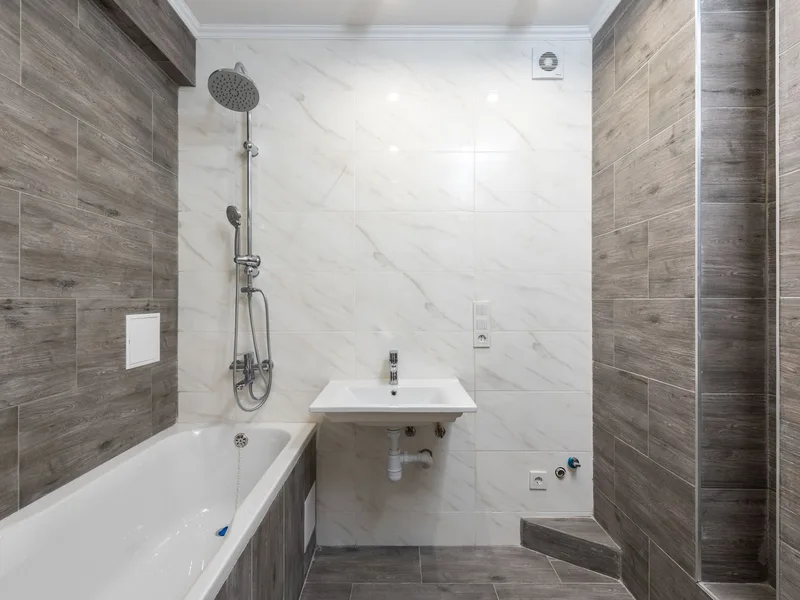
Floor traps
Ancient floor traps and pipe openings from the historic building stock need isolated treatment and extra attention because they are the primary source of returning odours in the district, especially where confined plumbing narrows the paths.
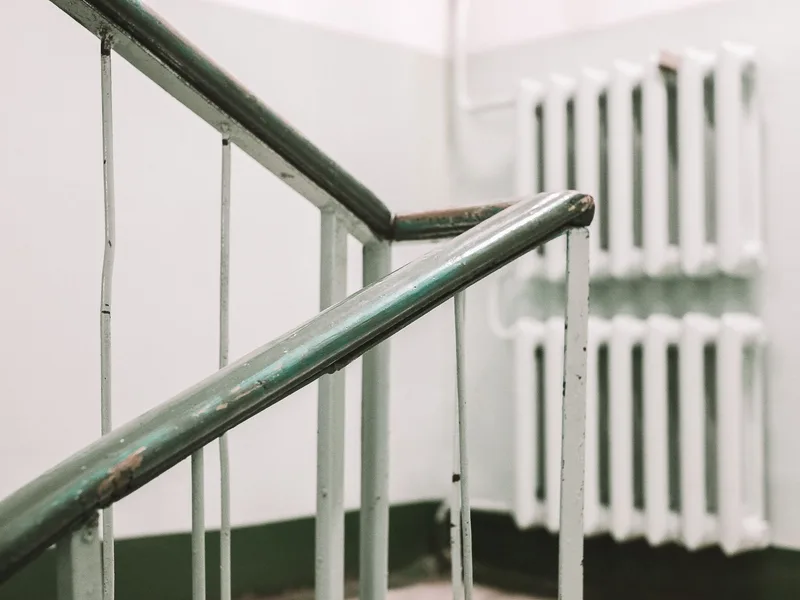
Shared entrances and stairs
Shared stairs and passages in crowded older blocks need weekly treatment because they are a continuous transit point for pilgrims, residents and visitors from many different countries and health backgrounds.
How we work
-
1
Walk the space and list the surfaces
We go through the rooms and mark the touch points, the porous surfaces and the finishes, then ask what prompted the call: illness at home, moving into a new place, building work, or a smell that arrived out of nowhere.
-
2
Clean what we are about to treat
We take the film of dust and grease off the surfaces that are in scope, so the product reaches the surface itself. This is preparation for the treatment, not general house cleaning.
-
3
Apply it, and hold the contact time
Hand work on the touch points, a product matched to each surface, and the surface left visibly wet for as long as that material needs before it is dried off. Cold fogging comes last, for what a cloth cannot reach.
-
4
Ventilate and hand back
We open the place up, rinse food preparation surfaces with water, and tell you when each room goes back into use. We give you that timing on the call, because it changes with the product and the space.
What a disinfection visit includes
-

A surface and touch point survey
What gets treated, and with what, settled before anything is opened.
-

Soil off first, then the disinfectant
The greasy film comes off first, then a product that stays wet for the contact time it needs.
-

Floor traps and the air conditioning drain
Floor traps, sink outlets and the drain tray, which is where most smells actually begin.
-
Cold fogging for the space
For upward faces and corners a cloth never reaches, done as the last thing before we leave a room.
-

Ventilation and use instructions
What gets rinsed with water, what is left alone, and when each room goes back into use.
-

A scheduled repeat when it is needed
For shared entrances and places people pass through every day, because a disinfectant leaves nothing behind to stop the next contact.
What is different about Al Utaybiyah Sub-Municipality
Al Utaybiyah sub municipality covers the old districts north of the Grand Mosque: the hillside quarters of Al Hajun, Al Utaybiyah and Al Bayban, Al Zahir and Al Shuhada at the northern entrance, and the newer Al Zahra, Al Diyafah and An Nuzhah westward. Its building stock is among the oldest in Makkah, stone houses on the hills, packed apartment blocks and sewers decades old, threaded with crowded markets like the Utaybiyah souq and furnished flats that fill in the pilgrim seasons. Wadi Al Zahir and Wadi Al Tanim carry storm water through it, and industrial workshops line Hajj Street.
Questions about this district
Do old pipelines need different treatment than modern ones?
Yes, historical pipework needs careful product selection to avoid additional corrosion or blockages. We examine the age of installations and choose the right concentration and type, with special treatment for floor traps and old drain points.
How often should the district be disinfected during Hajj and Umrah season?
Commercial properties and residential blocks may need weekly or fortnightly treatment during peak pilgrim seasons. Permanent residents require monthly or seasonal disinfection depending on circumstances and visible need.
Does high humidity from markets and foot traffic reduce disinfectant effectiveness?
High humidity may shorten the product's drying time, but disinfectant works effectively if left wet for the full required period. We choose materials and concentration based on measured humidity levels in the district.
Do furnished flats for pilgrims need different treatment than ordinary homes?
Yes, furnished units in Hajj seasons need repeated disinfection between each guest cohort. We focus on high-touch surfaces: door handles, furniture, soft furnishings, and floors.
Should the district have full disinfection before Hajj season starts, or routine treatment during it?
We recommend thorough treatment before the season begins to clean surfaces and spaces, then routine semi-weekly or weekly disinfection during the season according to resident density and expected movement.
Do smells from floor traps return quickly in this old district?
Yes, old pipework and historical floor traps in the district retain odours more easily. We treat them deeply and may recommend more frequent treatment than in newer quarters.
How much does disinfection in Al Nuzhah cost?
It is set after the inspection, because the price follows the type of infestation, the size of the space, how far it has spread and the number of visits it needs. Send a photo and a description on WhatsApp and we will give you an estimate before we reach Al Nuzhah.
Nearby districts we cover
Other services in Al Nuzhah
Other services we provide to residents of Al Nuzhah.
-
 Residential
Cockroach control
Residential
Cockroach control
-
 Residential
Bed bug control
Residential
Bed bug control
-
 Residential
Termite control
Residential
Termite control
-
 Residential
Rodents and mice
Residential
Rodents and mice
-
 Residential
Mosquito control
Residential
Mosquito control
-
 Residential
Fly control
Residential
Fly control
-
 Residential
Ant control
Residential
Ant control
-
 Residential
Gecko control
Residential
Gecko control
-
 Residential
Scorpion control
Residential
Scorpion control
-
 Residential
Snake control
Residential
Snake control
-
 Residential
Flea control
Residential
Flea control
-
 Residential
Bird and pigeon control
Residential
Bird and pigeon control
-
 Residential
Preventive treatment
Residential
Preventive treatment
-
 Commercial
Annual contracts
Commercial
Annual contracts
-
 Commercial
Restaurants and cafes
Commercial
Restaurants and cafes
-
 Commercial
Hotels and apartments
Commercial
Hotels and apartments
-
 Commercial
Warehouses and factories
Commercial
Warehouses and factories
-
 Commercial
Schools and nurseries
Commercial
Schools and nurseries
-
 Commercial
Retail and malls
Commercial
Retail and malls
-
 Commercial
Rest houses and farms
Commercial
Rest houses and farms
-
 Commercial
Fumigation
Commercial
Fumigation
-
 Water tanks
Water tank cleaning
Water tanks
Water tank cleaning
-
 Water tanks
Water tank sterilization
Water tanks
Water tank sterilization
-
 Water tanks
Water tank sealing
Water tanks
Water tank sealing
-
 Water tanks
Tank leak repair
Water tanks
Tank leak repair
Need disinfection in Al Nuzhah? Tell us what you saw and we will tell you what it needs
We reach Al Nuzhah at a time we agree, and you get the full cost before we start.