
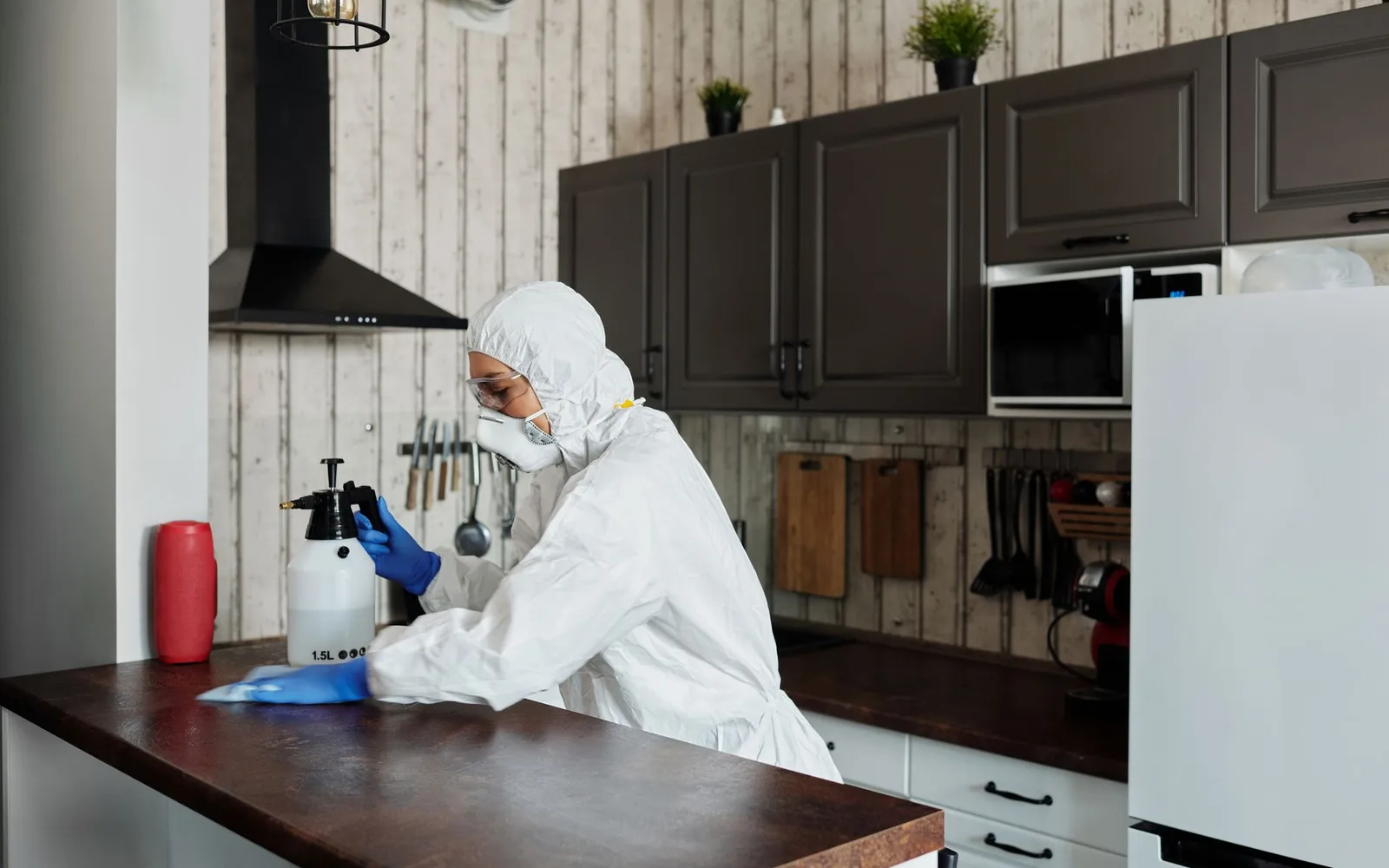
Disinfection in Sharai Makkah
Sharai is a modern residential district in north east Makkah along King Faisal Road, laid out on a regular street grid with villas, apartment buildings and shared gardens. Disinfection here differs because flats in the apartment blocks sit very close together and the shared building systems for air conditioning and sewage link contamination between units easily, so treating one flat does not protect the neighbours.
-
Targeted, not broadcast
Product goes into cracks and runways, never sprayed across open surfaces.
-
Told before we start
What we will use, where it goes, and what to cover or move before we arrive.
-
A follow-up visit
We return after the first treatment, because what survives it does not show on the day.
-
Homes and businesses
Apartments and villas, and kitchens and stores that need a record of each visit.
Why they keep coming back in Sharai
Residential blocks in Sharai face rapid spread of cockroaches between flats through shared voids and common channels, and contamination control fails if the shared junction points between units are not treated as part of the work. The method is set out in full on how we approach Disinfection.
Centralised air conditioning systems distribute contamination between units
Most blocks in Sharai have centralised air conditioning that draws air from one flat and distributes it to others, which means bacteria and viruses from an infected unit travel to neighbours through the same ductwork. Disinfection must include specialist treatment of the central ducts, filters and cooling coils themselves, not just the visible vents in each flat.
Shared sewage lines link contamination pathways
Sewage from ten or twenty flats runs through the same main drain buried beneath the building, so infectious material from one flat reaches the others through shared pipework. Floor traps need opening and deep cleaning in each flat, and the main drainage trunk must be treated separately with injected disinfectant at a point where it can reach all the branch lines.
Voids between flats give insects protected routes
Modern blocks have cable and pipework voids running between adjacent flats, and these voids are safe harbours for cockroaches and ants. These voids must be treated from both sides of the party wall using injected disinfectant or inserted chemical barriers, because insects passing between units follow these service routes.
Sharai on the map
Sharai sits about 1.5 km from Salam and about 2 km from Muad.
Open in Google MapsWhat we look at before the product is chosen
The district runs on wide, regular streets between King Faisal Road and the Haram boundary, relatively new construction with modern specifications, and the centralised networks for air conditioning, water and sewage are shared among dozens of individual flats in each block.
The touch points
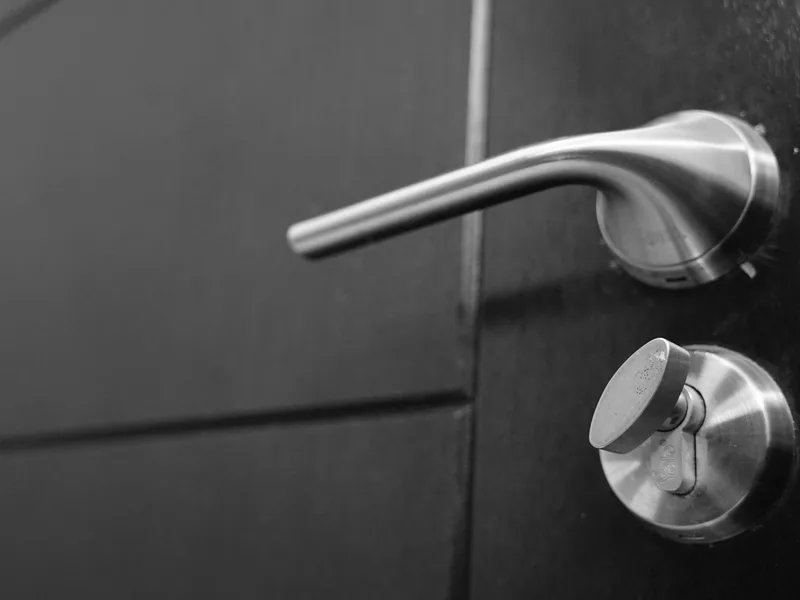
Touch points in Sharai include the shared door handles, lift buttons, stairwell walls and handrails, all of which are touched by hundreds of people daily and accumulate contamination rapidly.
Porous surfaces
Porous surfaces in modern blocks are the interior walls with modern paint and ceramic tiled floors of high quality, but there are hidden porous surfaces: sound insulation behind walls and the voids between service pipes that hold moisture and bacteria out of sight.
The finish itself
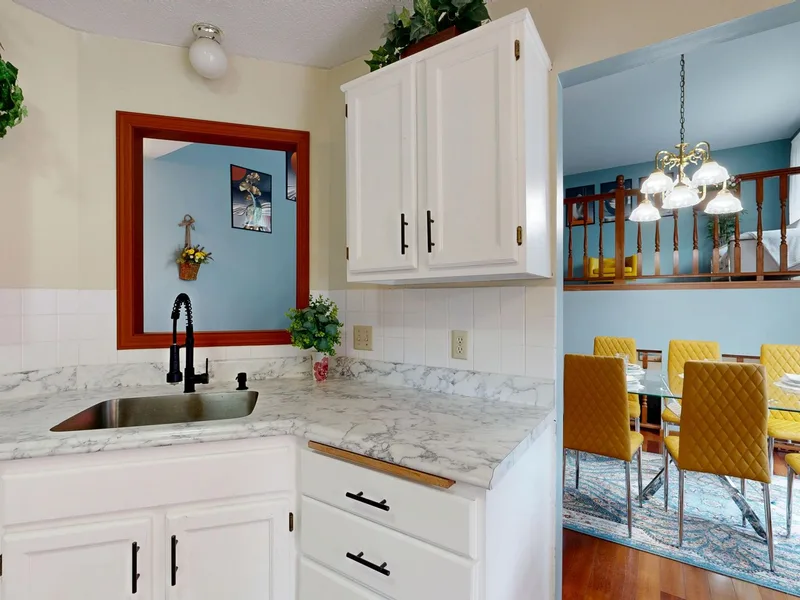
The finish is contemporary: ceramic and standard paint, but the real value lies in the cleanliness of the hidden internal systems and not the exterior surfaces we see.
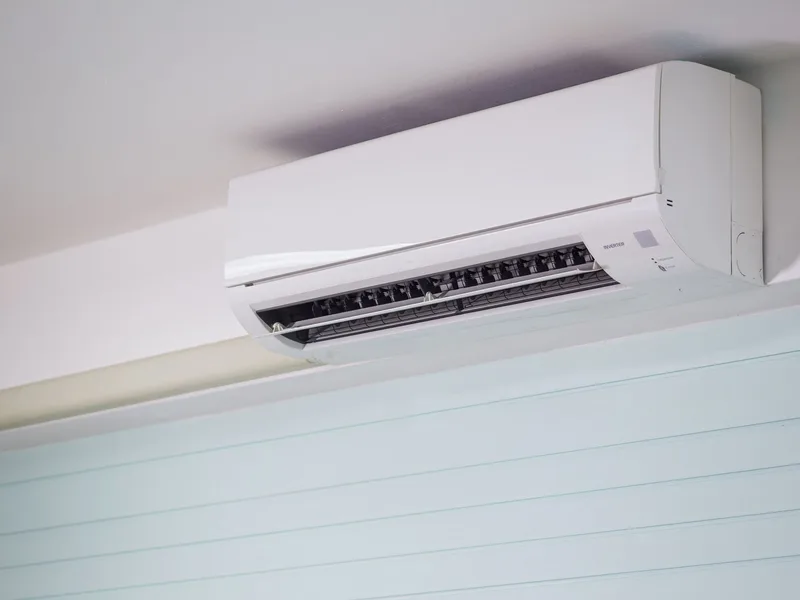
The air conditioning unit
Air conditioning units in modern blocks are centralised and complex, requiring specialist cleaning of filters, cooling coils and internal ductwork, and this demands specialist equipment and not simple spraying of disinfectant.
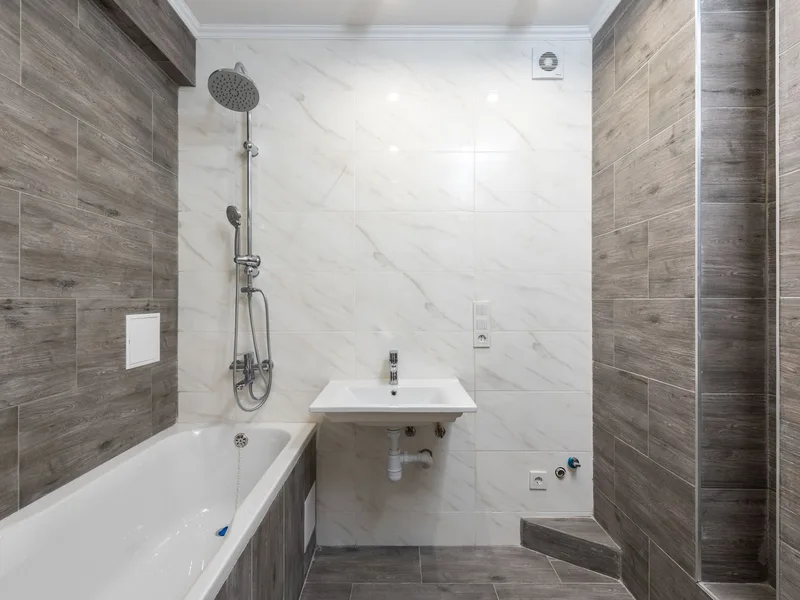
Floor traps
Floor traps in new flats are often clean but the main sewage lines contain construction debris and sand, requiring thorough inspection and pipe cleaning before disinfection is applied.
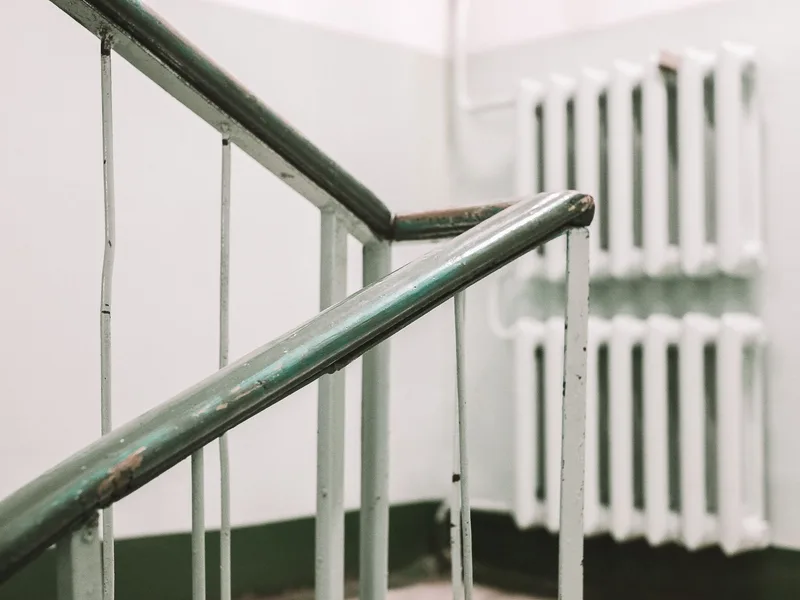
Shared entrances and stairs
Shared stairs and entrances in modern blocks look clean but the collection points are hidden: the corners and underside of the stairwell, the void under the pipe box, and these gather contamination out of sight and must be treated corner by corner.
How we work
-
1
Walk the space and list the surfaces
We go through the rooms and mark the touch points, the porous surfaces and the finishes, then ask what prompted the call: illness at home, moving into a new place, building work, or a smell that arrived out of nowhere.
-
2
Clean what we are about to treat
We take the film of dust and grease off the surfaces that are in scope, so the product reaches the surface itself. This is preparation for the treatment, not general house cleaning.
-
3
Apply it, and hold the contact time
Hand work on the touch points, a product matched to each surface, and the surface left visibly wet for as long as that material needs before it is dried off. Cold fogging comes last, for what a cloth cannot reach.
-
4
Ventilate and hand back
We open the place up, rinse food preparation surfaces with water, and tell you when each room goes back into use. We give you that timing on the call, because it changes with the product and the space.
What a disinfection visit includes
-

A surface and touch point survey
What gets treated, and with what, settled before anything is opened.
-

Soil off first, then the disinfectant
The greasy film comes off first, then a product that stays wet for the contact time it needs.
-

Floor traps and the air conditioning drain
Floor traps, sink outlets and the drain tray, which is where most smells actually begin.
-
Cold fogging for the space
For upward faces and corners a cloth never reaches, done as the last thing before we leave a room.
-

Ventilation and use instructions
What gets rinsed with water, what is left alone, and when each room goes back into use.
-

A scheduled repeat when it is needed
For shared entrances and places people pass through every day, because a disinfectant leaves nothing behind to stop the next contact.
Landmarks of Sharai
Sharai runs along King Faisal Road with Al Sharai Park and the Al Sharai cemetery nearby, and the work covers the residential blocks between these landmarks and the regular street grid that defines the district.
- King Faisal Road
- Al Sharai Park
- Al Sharai Cemetery
- Al Sudais Mosque
- Sheikh Yasin Khayyat Mosque
- Engineer Omar Qadi Street
Questions about this district
My flat is clean but cockroaches keep coming from the neighbour's place. How do I stop this?
Cockroaches move through the voids and common channels between adjoining flats, and disinfecting your flat alone will not solve it. Both flats must be disinfected together and the shared voids sealed, or you must arrange coordinated treatment with your neighbour and the building management.
Does disinfecting a centralised air conditioning system affect the other flats?
Yes, the central system distributes air and any airborne contamination to every flat, so treating the system benefits all residents. The process requires careful planning to avoid forcing the disinfectant strongly through the air circulation, and the system must be shut down during treatment and restarted carefully afterward.
The whole building has strange smells coming from the drains. What is the answer?
The smell originates in blocked floor traps and the main underground pipework. We inspect floor traps in a sample of flats and then treat the main sewage trunk by injecting specialist drain disinfectant that reaches all branch lines.
The new flat is still empty but has insects already. Where do they come from?
Insects come from the voids and common channels between empty and occupied flats. An empty flat is a safe refuge, and we disinfect it inside and treat the voids around the service pipes and cabling that link it to neighbouring units.
A week after disinfection the cockroaches are back. Why and what is the answer?
The cockroaches have returned from another source: either the shared voids connecting you to an adjacent flat, or the floor trap that was not cleaned thoroughly enough. We need to inspect the entire flat to identify the source, and a second disinfection two weeks later may be necessary.
What is the difference between disinfecting one flat and the whole building?
Disinfecting a single flat may fail if insects are coming from the block as a whole. Disinfecting the whole building is better but more expensive and complex because the main sewage lines and central ducts must be opened and treated.
How much does disinfection in Sharai cost?
It is set after the inspection, because the price follows the type of infestation, the size of the space, how far it has spread and the number of visits it needs. Send a photo and a description on WhatsApp and we will give you an estimate before we reach Sharai.
Other services in Sharai
Other services we provide to residents of Sharai.
-
 Residential
Cockroach control
Residential
Cockroach control
-
 Residential
Bed bug control
Residential
Bed bug control
-
 Residential
Termite control
Residential
Termite control
-
 Residential
Rodents and mice
Residential
Rodents and mice
-
 Residential
Mosquito control
Residential
Mosquito control
-
 Residential
Fly control
Residential
Fly control
-
 Residential
Ant control
Residential
Ant control
-
 Residential
Gecko control
Residential
Gecko control
-
 Residential
Scorpion control
Residential
Scorpion control
-
 Residential
Snake control
Residential
Snake control
-
 Residential
Flea control
Residential
Flea control
-
 Residential
Bird and pigeon control
Residential
Bird and pigeon control
-
 Residential
Preventive treatment
Residential
Preventive treatment
-
 Commercial
Annual contracts
Commercial
Annual contracts
-
 Commercial
Restaurants and cafes
Commercial
Restaurants and cafes
-
 Commercial
Hotels and apartments
Commercial
Hotels and apartments
-
 Commercial
Warehouses and factories
Commercial
Warehouses and factories
-
 Commercial
Schools and nurseries
Commercial
Schools and nurseries
-
 Commercial
Retail and malls
Commercial
Retail and malls
-
 Commercial
Rest houses and farms
Commercial
Rest houses and farms
-
 Commercial
Fumigation
Commercial
Fumigation
-
 Water tanks
Water tank cleaning
Water tanks
Water tank cleaning
-
 Water tanks
Water tank sterilization
Water tanks
Water tank sterilization
-
 Water tanks
Water tank sealing
Water tanks
Water tank sealing
-
 Water tanks
Tank leak repair
Water tanks
Tank leak repair
Need disinfection in Sharai? Tell us what you saw and we will tell you what it needs
We reach Sharai at a time we agree, and you get the full cost before we start.