
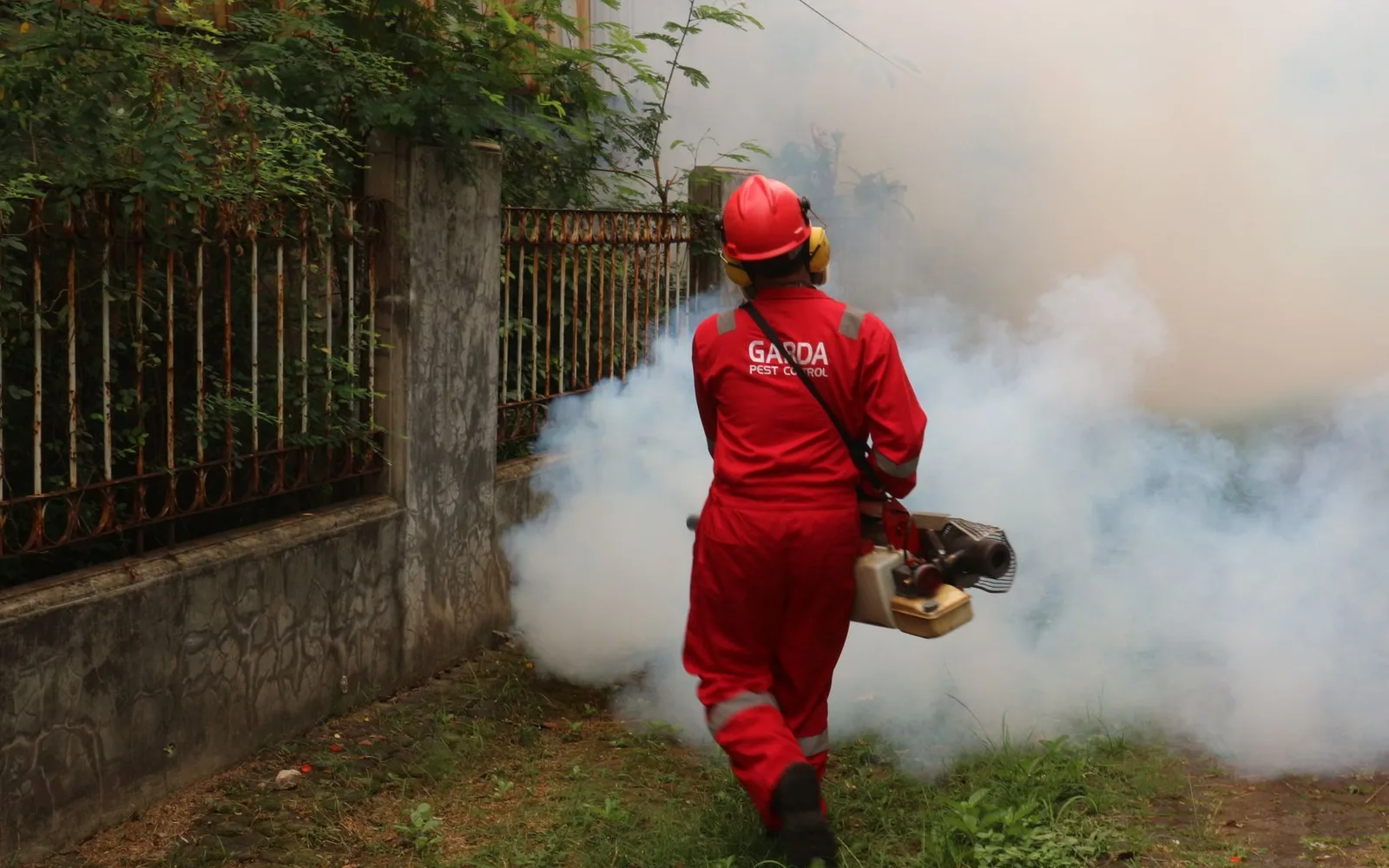
Rest houses and farms in Al Balad Jeddah
Al Balad's pest control is shaped by centuries of building density. The close-set coral limestone houses with wooden latticework, narrow lanes and aged services create deep moisture traps and refuges that surface treatments cannot reach. The work begins at the foot of the ancient foundations, reading gaps and fractures that open new hiding places every season.
-
Targeted, not broadcast
Product goes into cracks and runways, never sprayed across open surfaces.
-
Told before we start
What we will use, where it goes, and what to cover or move before we arrive.
-
A follow-up visit
We return after the first treatment, because what survives it does not show on the day.
-
Homes and businesses
Apartments and villas, and kitchens and stores that need a record of each visit.
Why they keep coming back in Al Balad
Coral stone breaks and shifts under age. Every visit reveals new fractures and gaps that the previous treatment did not need to reach, because they were sealed by dust or dampness. The method is set out in full on Rest houses and farms in detail.
Deep coral stone fractures beneath old walls
Coral limestone degrades naturally and leaves deep voids under the foundations. Scorpions retreat into these fissures where surface spray does not reach them. Deep injection into the stone and reading the same points on every visit are the only reliable control. The work is slower but covers ground that other methods cannot touch.
Moisture trapped by building density and slow drainage
Narrow lanes and tightly packed buildings slow the evaporation of water from the ground. Water pools longer around the base of each house, and mosquito larvae emerge from these pools even in weeks without rain. Drainage around the foundations and removal of standing water become part of every visit, not just the first.
Wooden latticework and shutters as seasonal refuges
The rawashin windows and wooden shutters attract insects and offer secure shelter through the cooler months. In spring and autumn when temperatures swing, insects breed in these wooden structures and move back into the building. Treatment covers timber surfaces as well as walls and stone.
Al Balad on the map
Al Balad sits about 1.5 km from Al Hindawiyah and about 1.5 km from East Al Baghdadiyah.
Open in Google MapsThe site decides the shape of the programme
The old urban fabric and porous coral stone foundations trap moisture between the buildings. Humidity stays high around the bases and in the lanes, creating ideal conditions for scorpion and cockroach settlement.
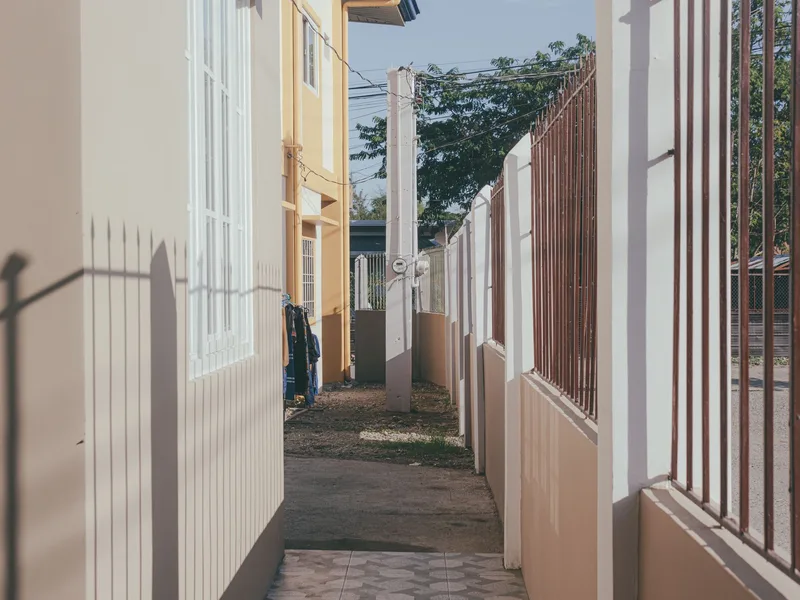
The foot of the wall
The foot of the wall here is the old coral stone foundation, and treatment requires deep injection that penetrates the fractures and gaps that form and shift with age. Surface spray cannot reach the interior of the stone.
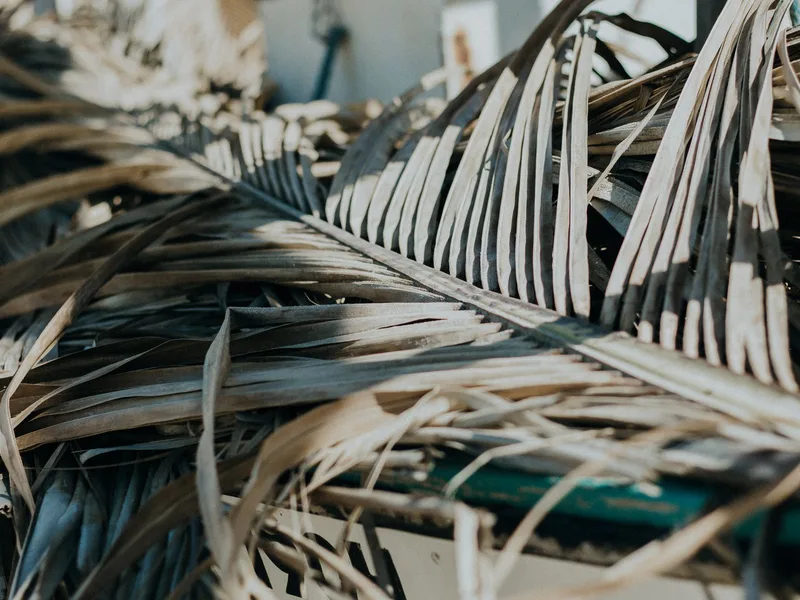
Frond and block piles
Building rubble and debris piled in the narrow lanes provide shelter for scorpions and cockroaches. Clearing these materials and exposing the ground around the foundations is fundamental to the programme.
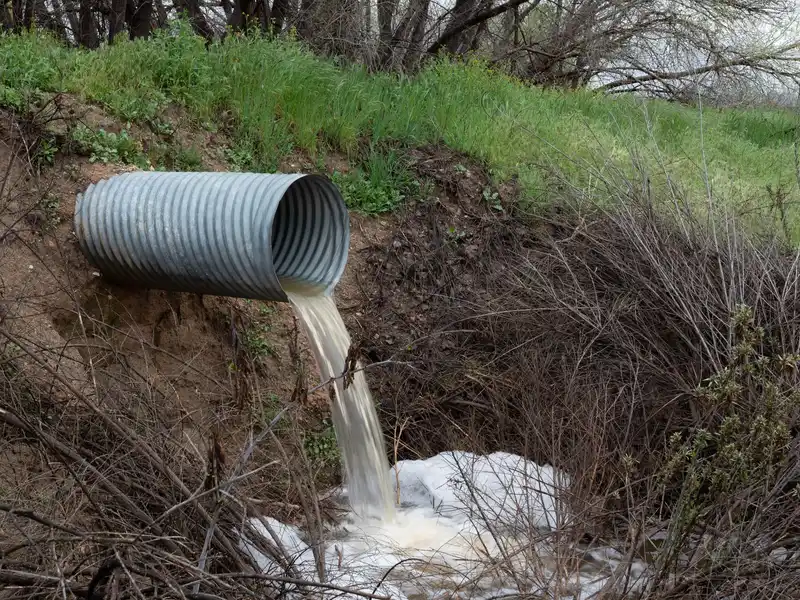
Standing water
Water collects around the old foundations and between the buildings because drainage is slow. Removing sources of standing water and directing surface water away from the bases is a priority on every visit.
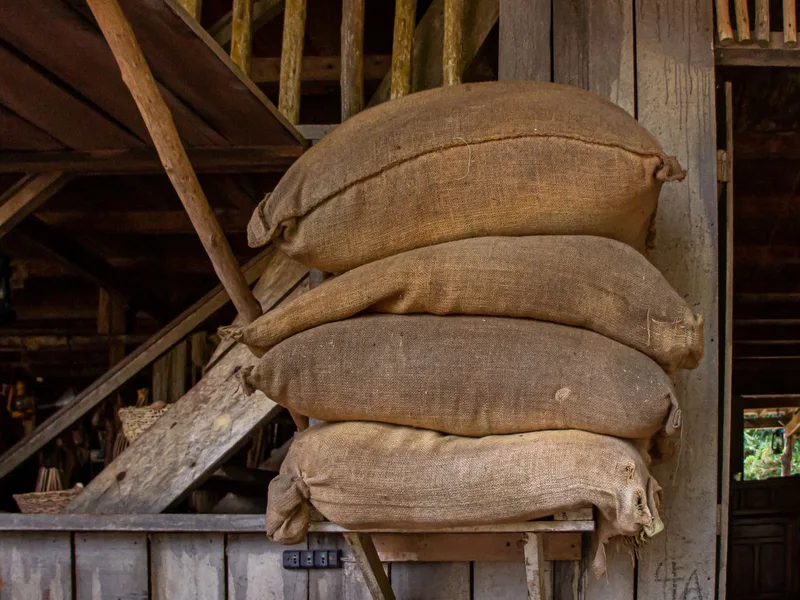
The feed store
Ground-floor storage rooms and shops are often shut and hold high humidity. They need regular inspection and continuous treatment to prevent insects and rodents from settling undisturbed in the dark.
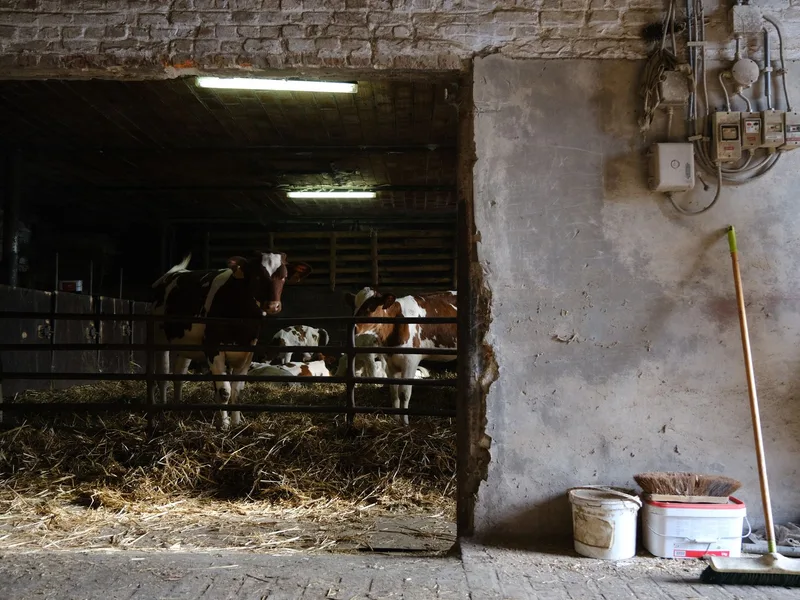
Pens and bedding
Storage areas connected to shops and souqs need regular treatment. Materials and stock stored there can harbour rodents, and these pests spread upward into residential floors.
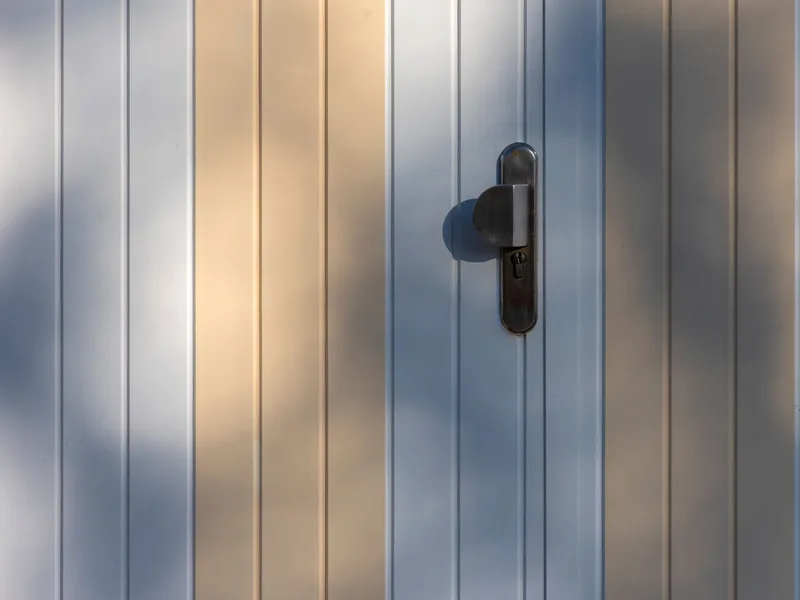
The building that stays shut
Buildings locked at night and shops closed after trading hours become safe refuges for rodents and cockroaches. Regular inspection is essential even when the building looks clean, because pests shelter in the dark.
How we work
-
1
Walk the site and number the points
We walk the boundary, the feed store, the pens, the water sources and the buildings, record the species present, the burrows, the entry points and every standing water source, and number the monitoring positions on a plan.
-
2
Lift what things hide under
The piles, the rubble, the fallen dates, the feed sacks pushed up against the wall. On any large plot these gather simply because there is room for them, and clearing them brings the numbers down before a single product is used.
-
3
The perimeter band and targeted treatment
A band at the foot of the wall and the buildings, treatment into the burrows and cracks, locked rodent stations fixed along the route, and mosquito breeding sites treated in the water itself.
-
4
Scheduled visits and a sheet each time
We come back on an agreed schedule, read the same points, renew the band the sun and the irrigation have used up, and write down what was found, what was applied and where, and what the site needs closed.
What the rest house and farm programme includes
-

A site walk and a map of the points
The boundary, the buildings, the pens and the water sources, and a plan with the monitoring positions numbered before anything is installed.
-

Water sources treated at the source
Drinking troughs, drip lines, tank outlets and anything that stands for days, because mosquitoes come out of water and not out of the air.
-

A treated band at the perimeter
The foot of the wall, the building bases and the path edges, which is the line anything coming off the open ground has to cross.
-

Locked rodent stations
Fixed and numbered along one route, and closed so that neither a child's hand nor an animal on the site can get into them.
-

What the site does afterwards
What to cover, where to move animal water bowls, when irrigation can start again without washing the band off, and the ventilation time, which we give you on the call because it changes with the product and the space.
-

Scheduled visits and a record
A schedule agreed ahead of the seasons, the same points read every time, and a record of what was found, what was treated and what is still open.
Landmarks of Al Balad
Work in Al Balad is organised along the ancient pathways and known landmarks. Souq Al Alawi and Souq Al Badu around Bab Makkah anchor the visit schedule, and treatment follows the lines of the historic foundations between these trading centres.
- Nassif House
- Al Shafi'i Mosque
- Souq Al Alawi
- Souq Al Badu
- Bab Makkah
- Bab Sharif
Questions about this district
The lanes are very narrow. How does the treatment reach every building?
We inject deep into the coral stone foundations from both inside and outside each building. Narrow lanes do not stop the work; they demand more precise planning so that every injection point and gap is read on each visit and recorded.
Buildings share walls and are built on shared ground. Can pests cross between them?
Yes, they move through shared foundations and fractures in the walls. That is why we lay a continuous treated band at the base of each building to create a barrier that pests cannot cross from one house to the next or from outside to in.
Shops and souqs are on the ground floors. Is the treatment safe around food sales?
We use products approved for use in occupied commercial and residential spaces. We work at set times and avoid areas where food is displayed or sold directly. The schedule is planned around trading hours.
Humidity is high because of the narrow lanes. Does that affect how well treatment works?
High humidity means we select products that resist moisture and space the visits closer together. The programme adapts to the season and the moisture levels that we find on each reading, so summer and winter visits may differ in timing.
I found a scorpion in a second-floor flat. Does the whole building need treatment?
We inspect the entire building and focus on the shared foundations and gaps. The scorpion may have crossed from outside or from an adjoining unit. We read every risk point in the building structure, not just the flat where it was spotted.
The roof is old and cracked. Can insects enter from above?
Old roofs with visible cracks can harbour insects and rodents, particularly in buildings this age. We inspect roofs, ceilings and floors and treat every opening that could be an entry point. Insects often climb down from roof spaces into occupied rooms.
How much does rest houses and farms in Al Balad cost?
It is set after the inspection, because the price follows the type of infestation, the size of the space, how far it has spread and the number of visits it needs. Send a photo and a description on WhatsApp and we will give you an estimate before we reach Al Balad.
Nearby districts we cover
Other services in Al Balad
Other services we provide to residents of Al Balad.
-
 Residential
Cockroach control
Residential
Cockroach control
-
 Residential
Bed bug control
Residential
Bed bug control
-
 Residential
Termite control
Residential
Termite control
-
 Residential
Rodents and mice
Residential
Rodents and mice
-
 Residential
Mosquito control
Residential
Mosquito control
-
 Residential
Fly control
Residential
Fly control
-
 Residential
Ant control
Residential
Ant control
-
 Residential
Gecko control
Residential
Gecko control
-
 Residential
Scorpion control
Residential
Scorpion control
-
 Residential
Snake control
Residential
Snake control
-
 Residential
Flea control
Residential
Flea control
-
 Residential
Bird and pigeon control
Residential
Bird and pigeon control
-
 Residential
Preventive treatment
Residential
Preventive treatment
-
 Residential
Disinfection
Residential
Disinfection
-
 Commercial
Annual contracts
Commercial
Annual contracts
-
 Commercial
Restaurants and cafes
Commercial
Restaurants and cafes
-
 Commercial
Hotels and apartments
Commercial
Hotels and apartments
-
 Commercial
Warehouses and factories
Commercial
Warehouses and factories
-
 Commercial
Schools and nurseries
Commercial
Schools and nurseries
-
 Commercial
Retail and malls
Commercial
Retail and malls
-
 Commercial
Fumigation
Commercial
Fumigation
-
 Water tanks
Water tank cleaning
Water tanks
Water tank cleaning
-
 Water tanks
Water tank sterilization
Water tanks
Water tank sterilization
-
 Water tanks
Water tank sealing
Water tanks
Water tank sealing
-
 Water tanks
Tank leak repair
Water tanks
Tank leak repair
Need rest houses and farms in Al Balad? Tell us what you saw and we will tell you what it needs
We reach Al Balad at a time we agree, and you get the full cost before we start.