
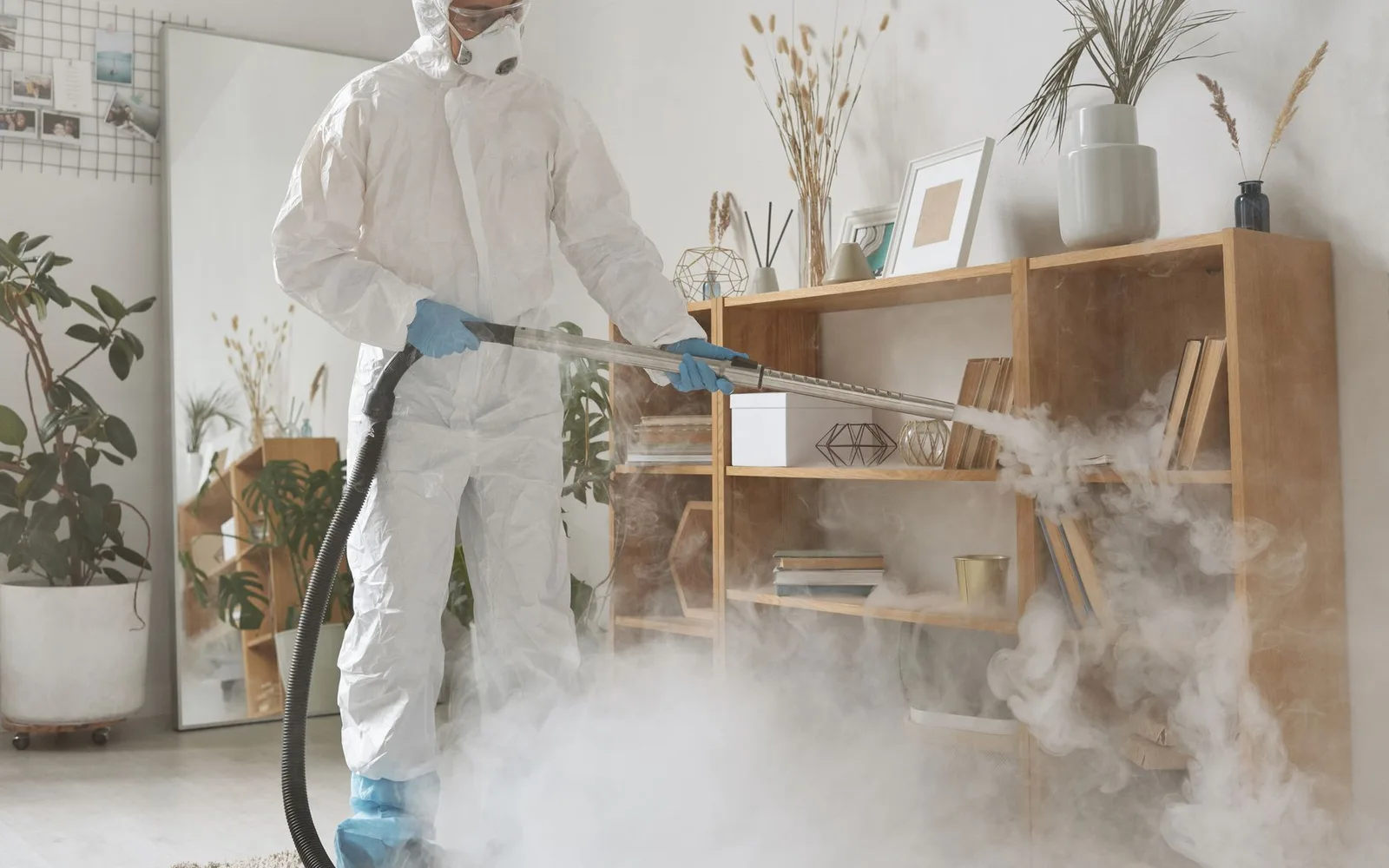
Fumigation in Al Sharafiyah Jeddah
Al Sharafiyah is a busy commercial district where apartment blocks sit directly above ground floor shops, offices and storerooms, and this layering between residential and commercial space means pests move easily between floors and units. Fumigation here must reach every shared entrance, connecting corridor, and void that links the different storeys together.
-
Targeted, not broadcast
Product goes into cracks and runways, never sprayed across open surfaces.
-
Told before we start
What we will use, where it goes, and what to cover or move before we arrive.
-
A follow-up visit
We return after the first treatment, because what survives it does not show on the day.
-
Homes and businesses
Apartments and villas, and kitchens and stores that need a record of each visit.
Why they keep coming back in Al Sharafiyah
Ground floor shops open for long hours daily while flats above house permanent residents, creating multiple entry points and no rest from pest pressure throughout the day. The method is set out in full on how we approach Fumigation.
Dense shared entrances and connecting passages
Apartment blocks in Al Sharafiyah have unified stairwells and common passages linking residential floors to commercial units below. Insects move freely through these voids, and fumigation must reach the stairwells, rubbish collection points and underground service runs that connect everything.
Daily movement of goods between units
Offices and shops receive daily deliveries and move merchandise between floors, and insects travel inside boxes and used furniture. Stock inspection before fumigation is essential, and follow up measures after completion prevent reinfestation as new goods arrive.
Humidity from the hospital and green spaces nearby
The presence of Dr Bakhsh Hospital and landscaped areas in the district means constant humidity attracting biting insects and seasonal pests. Fumigant gas requires slightly higher concentration to overcome this moisture and eliminate hidden eggs and pupae.
The character of Al Sharafiyah
Commercial area: offices, showrooms and small stores
Shops and offices in Al Sharafiyah exchange goods daily, and every incoming box may carry fresh pests. Fumigation must be regular and repeated, not one time only, because reinfestation from incoming shipments is continuous and expected.
What decides whether fumigation is the right method
Al Sharafiyah sits along King Fahd Road, and the concentration of small shops and storerooms means goods and furnishings travel constantly between units, giving insects ready pathways to spread.
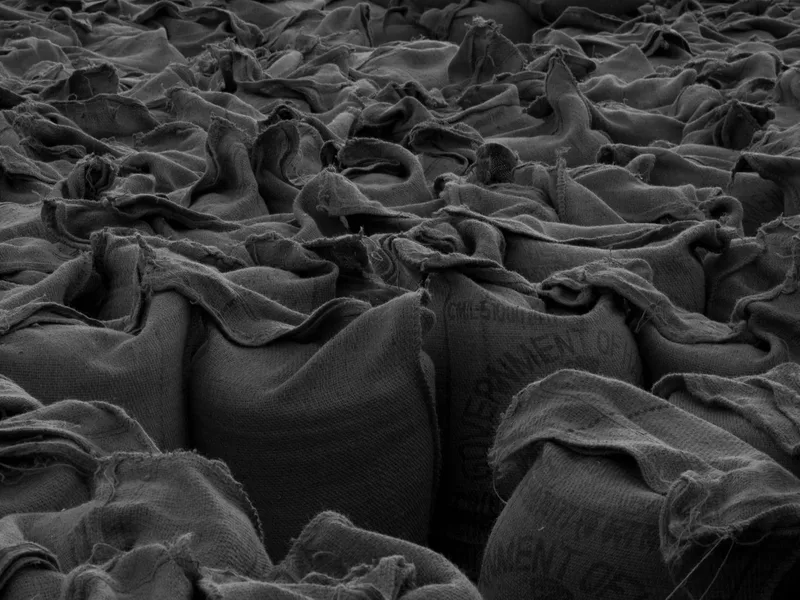
Grain and feed
Shops at street level stock diverse goods that may already carry pests, and imported grains and animal feeds arrive vulnerable to infestation during transit and storage.

Cartons and packaging
Used cardboard from distribution between one shop and another may carry eggs and cause insect spread across the building units.
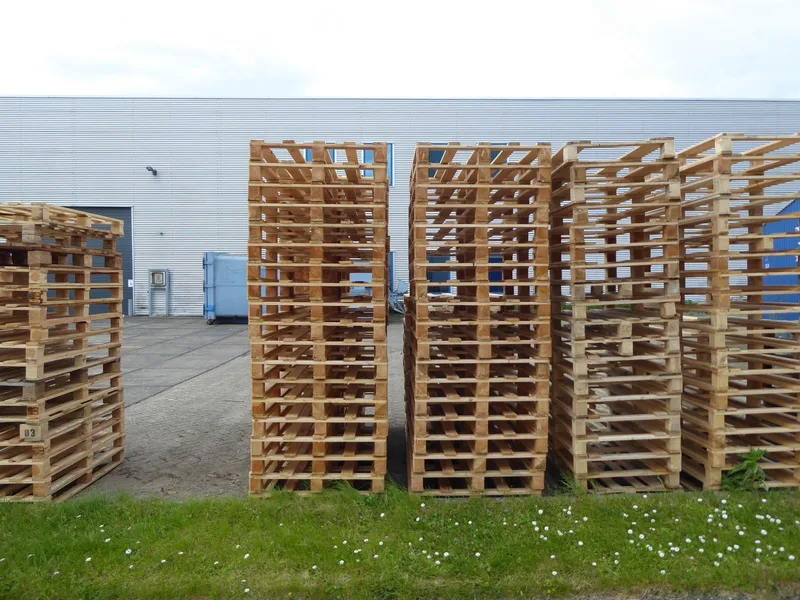
Pallets and timber
Stacked wood and pallets in shop corners provide ideal shelter for wood boring and searching insects year round.
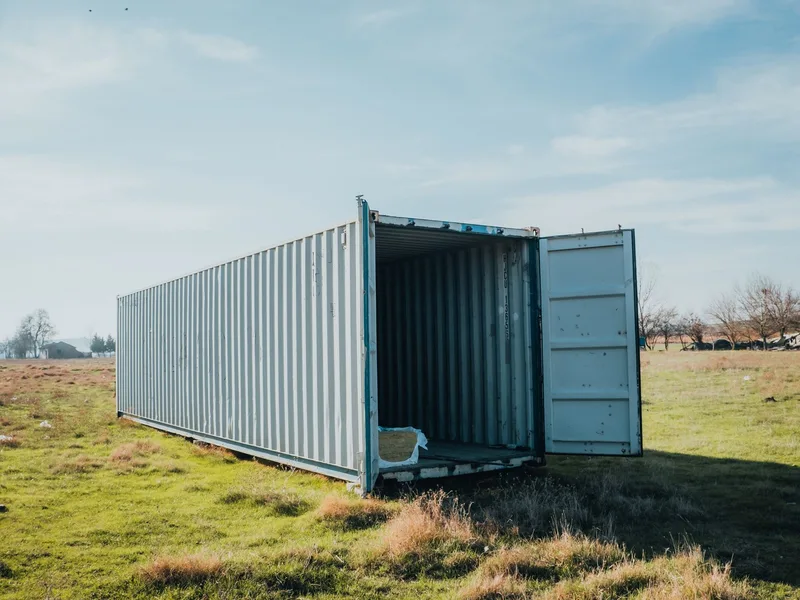
Containers and consignments
Stacked boxes and consignments in building passages and tight voids harbour pests and enable movement between floors through connecting routes.
Where the gas escapes
Voids above suspended ceilings, between drop ceilings and the structural slab, and service channels in shared passages allow fumigant gas to reach deep while slowing its escape.
Aeration afterwards
Post fumigation aeration needs windows open in every flat and shop for hours, and some units may be locked so coordination with residents is essential to complete the process.
How we work
-
1
Survey and sampling
We identify the pest and its stage, go through the stock, the racking and the corners, measure the volume, and establish whether the place can be sealed as it stands or a sheeted enclosure has to be built over the stacks.
-
2
Sealing and preparation
Sheeting sealed to the floor around the stacks or the room closed up, vents, drains and door edges shut, the area emptied of people and warning signage placed before anything is introduced.
-
3
Gas introduction and monitored exposure
The dose is calculated from the volume, the commodity and its temperature, and readings through the period confirm the concentration is still there at the end of the exposure and not only at the start.
-
4
Aeration, clearance and the record
Forced ventilation, then repeated readings until the space is handed back, and a report covering what was found, how the enclosure was built, the exposure period, the readings and what needs correcting at goods inwards.
What fumigation includes
-

A recorded survey
Pest and stage, samples from the commodity, and the volume of the space, before fumigation is decided on at all.
-

Sealing the enclosure
Vents, floor drains, door edges and cable runs, which is where the gas goes if nobody closes them.
-

Dosing and monitored exposure
Dose set by volume, commodity and temperature, with readings tracking the concentration to the end of the exposure.
-

Aeration and clearance readings
Extraction and forced ventilation, then repeated readings, and the space is not opened to staff until a reading allows it.
-

Monitoring points afterwards
Pheromone traps and check points on the goods inwards route, because fumigation leaves nothing behind to protect what arrives next.
-

The report and a follow-up visit
A written record of the work and its readings, and a date to re-check the stock and deal with anything new.
Landmarks of Al Sharafiyah
Al Sharafiyah extends along King Fahd Road and holds both King Saud Mosque and complex mixed residential and commercial buildings. When fumigating, we reach the shops and flats through shared entrances on King Fahd Road itself, and coordinate with Dr Bakhsh Hospital nearby to ensure visiting patients and staff are not affected.
- King Fahd Road
- King Saud Mosque
- Dr Bakhsh Hospital
- Khalid ibn Al Walid Street
- Othman ibn Affan Street
- University of Jeddah (Al Sharafiyah campus)
Questions about this district
Can we fumigate one shop without affecting the residential flats above?
Shared voids between storeys mean gas will rise and fall. We seal exits and doors tightly and build a barrier at ceiling level, but coordination with neighbouring units above and below is advisable for best results.
How often should we fumigate a shop in Al Sharafiyah yearly?
Commercial shops receiving new goods daily need fumigation every three to four months. Residential flats above may need once yearly, but ground floor retail sees constant pressure from incoming stock.
What do we do with flat furnishings and stored stock before fumigation?
Old furniture and stored stock must remain in place: fumigant gas needs to penetrate them fully. Wrap sensitive items and electronics in plastic sheeting only; everything else receives direct gas exposure.
Do insects shelter in wires and pipework running through the corridors?
Yes, pests hide in pipes, cables and tight voids mounted on walls and ceilings throughout the shared passages. Gas reaches them, but we examine these spaces more carefully during initial inspection.
Will fumigation stain or damage hanging textiles and clothing in the flats?
Fabrics and textiles absorb fumigant gas briefly then release it during aeration. A faint smell may linger for hours, but it leaves no visible mark and is safe for fabrics and dyes.
How do we prevent new infestation after fumigating the shop or flat?
Fumigation kills existing pests but cannot prevent fresh entry. We seal cracks and openings, fit mesh over doors and windows, and advise against accepting second hand furniture without prior inspection.
How much does fumigation in Al Sharafiyah cost?
It is set after the inspection, because the price follows the type of infestation, the size of the space, how far it has spread and the number of visits it needs. Send a photo and a description on WhatsApp and we will give you an estimate before we reach Al Sharafiyah.
Other services in Al Sharafiyah
Other services we provide to residents of Al Sharafiyah.
-
 Residential
Cockroach control
Residential
Cockroach control
-
 Residential
Bed bug control
Residential
Bed bug control
-
 Residential
Termite control
Residential
Termite control
-
 Residential
Rodents and mice
Residential
Rodents and mice
-
 Residential
Mosquito control
Residential
Mosquito control
-
 Residential
Fly control
Residential
Fly control
-
 Residential
Ant control
Residential
Ant control
-
 Residential
Gecko control
Residential
Gecko control
-
 Residential
Scorpion control
Residential
Scorpion control
-
 Residential
Snake control
Residential
Snake control
-
 Residential
Flea control
Residential
Flea control
-
 Residential
Bird and pigeon control
Residential
Bird and pigeon control
-
 Residential
Preventive treatment
Residential
Preventive treatment
-
 Residential
Disinfection
Residential
Disinfection
-
 Commercial
Annual contracts
Commercial
Annual contracts
-
 Commercial
Restaurants and cafes
Commercial
Restaurants and cafes
-
 Commercial
Hotels and apartments
Commercial
Hotels and apartments
-
 Commercial
Warehouses and factories
Commercial
Warehouses and factories
-
 Commercial
Schools and nurseries
Commercial
Schools and nurseries
-
 Commercial
Retail and malls
Commercial
Retail and malls
-
 Commercial
Rest houses and farms
Commercial
Rest houses and farms
-
 Water tanks
Water tank cleaning
Water tanks
Water tank cleaning
-
 Water tanks
Water tank sterilization
Water tanks
Water tank sterilization
-
 Water tanks
Water tank sealing
Water tanks
Water tank sealing
-
 Water tanks
Tank leak repair
Water tanks
Tank leak repair
Need fumigation in Al Sharafiyah? Tell us what you saw and we will tell you what it needs
We reach Al Sharafiyah at a time we agree, and you get the full cost before we start.