
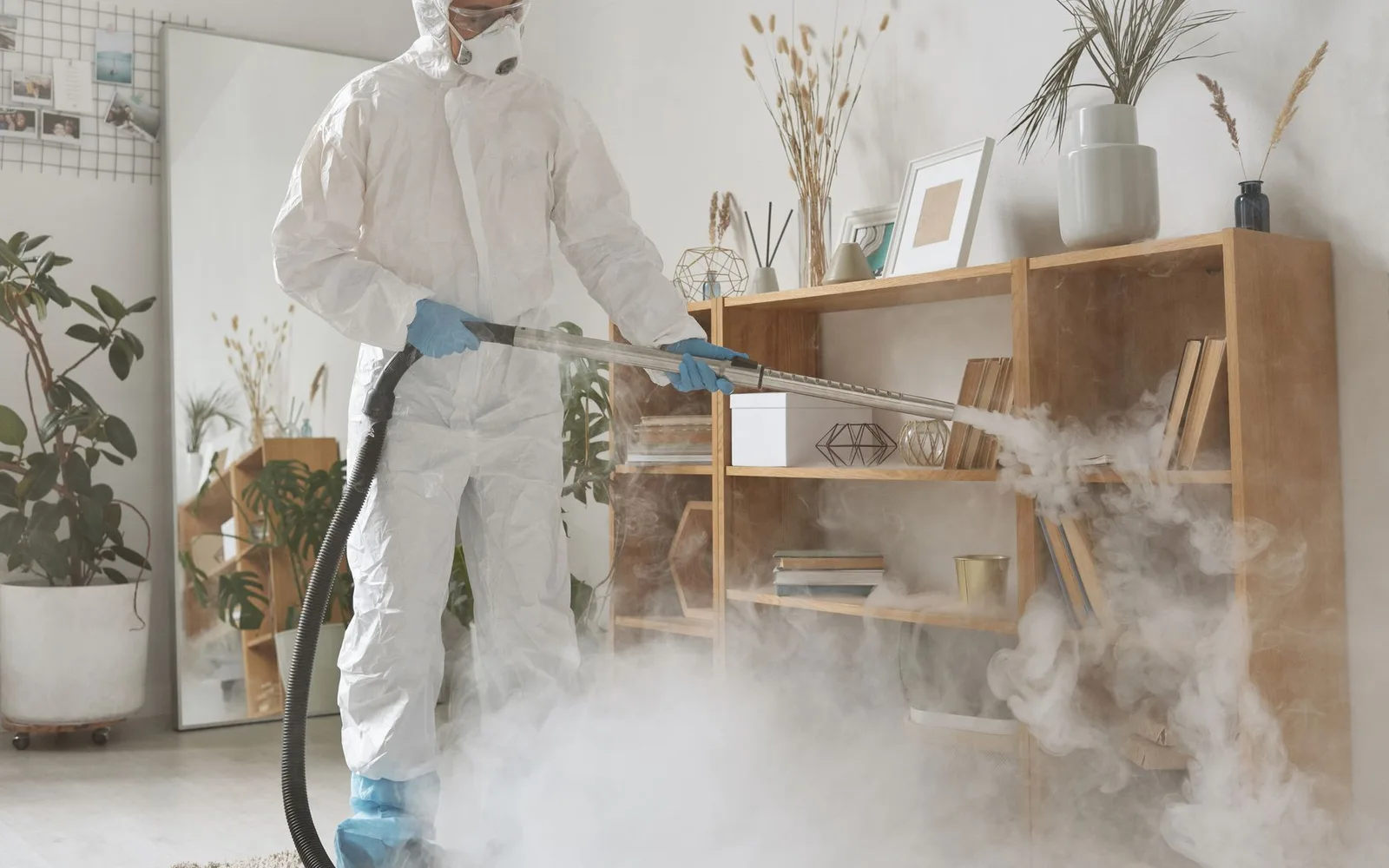
Fumigation in Qurtubah Makkah
Qurtubah is a northern industrial district on Al Hajj Street at the third ring road, given over to industrial plots, workshops and large warehouses beside Souq Al Hijaz and the old Dawas market. Fumigation here treats vast storage spaces and wide open areas, and the gas requires strong circulation to reach every corner, every high stack and every hidden pocket.
-
Targeted, not broadcast
Product goes into cracks and runways, never sprayed across open surfaces.
-
Told before we start
What we will use, where it goes, and what to cover or move before we arrive.
-
A follow-up visit
We return after the first treatment, because what survives it does not show on the day.
-
Homes and businesses
Apartments and villas, and kitchens and stores that need a record of each visit.
Why they keep coming back in Qurtubah
The large warehouses in Qurtubah store diverse goods at varying heights, cockroaches and grain beetles occupy the densest stacking, and rodents enter through open drains that run under the street. The method is set out in full on Fumigation in detail.
Large warehouses need powerful pumps to circulate the gas
Qurtubah's big warehouses contain stacks of goods reaching the ceiling, and the wide floor area requires strong gas circulation to reach every corner and high stack. The space is too large for ordinary diffusion.
Open sewers under the street are a major pest source
Al Hajj Street has old open drainage running beneath it, teeming with insects and rodents. Sewer openings inside the warehouse must be located, inspected and cleaned before fumigation begins.
Weak foundations and numerous gaps make rodent entry easy
Old warehouse foundations in Qurtubah are cracked and weak, with many gaps through which rodents enter. Fumigation must reach every opening and under slab space to eliminate established rodent colonies.
Landmarks of Qurtubah
Qurtubah sits directly on Al Hajj Street and the third ring road, sharing boundaries with Souq Al Hijaz and Al Dawas Market, and access to large warehouses from the ring road is straightforward for rapid and effective site management.
- Al Hajj Street
- Third Ring Road
- Al Dawas Market
- Souq Al Hijaz
What decides whether fumigation is the right method
Qurtubah combines factories, warehouses and loading yards along the wide Al Hajj Street, with lower density housing schemes behind them towards the ring road, and old drainage networks running beneath the street.
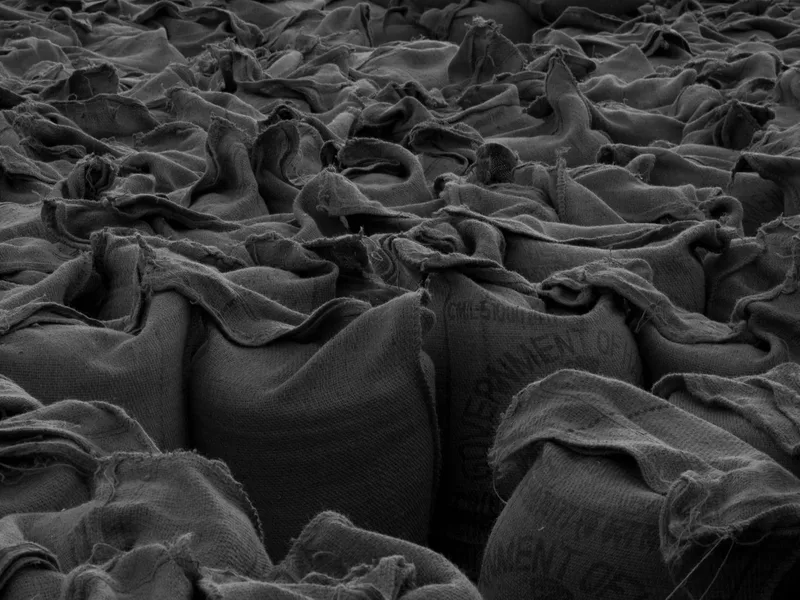
Grain and feed
Grain and feed stored in Qurtubah's large warehouses may be heavily infested, and fumigation requires extended time to penetrate high and dense stacking.

Cartons and packaging
Boxed goods and packaged items stacked to great heights in Qurtubah warehouses can trap insects deep inside, and fumigation gas penetrates boxes to kill pests throughout.
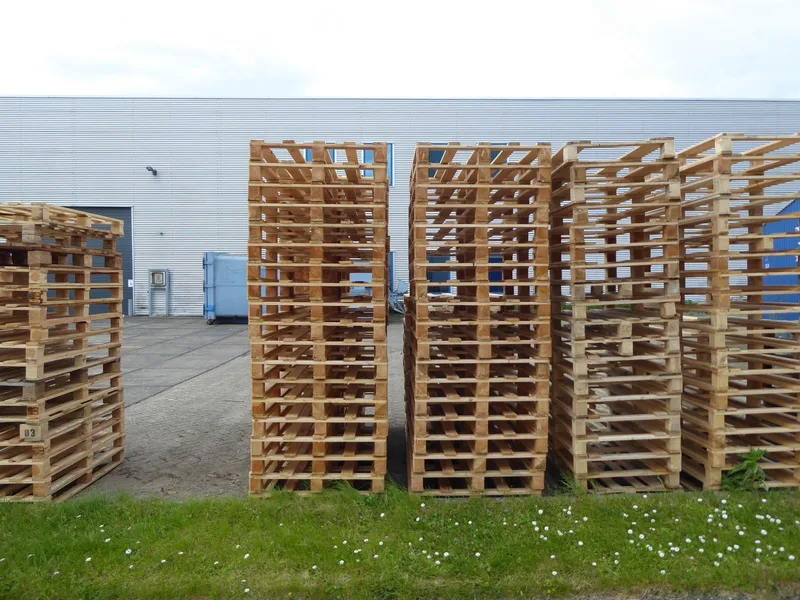
Pallets and timber
Pallets and timber used in stacking trap moisture and insects between boards, and fumigation reaches all gaps between pieces and under the stack bases.
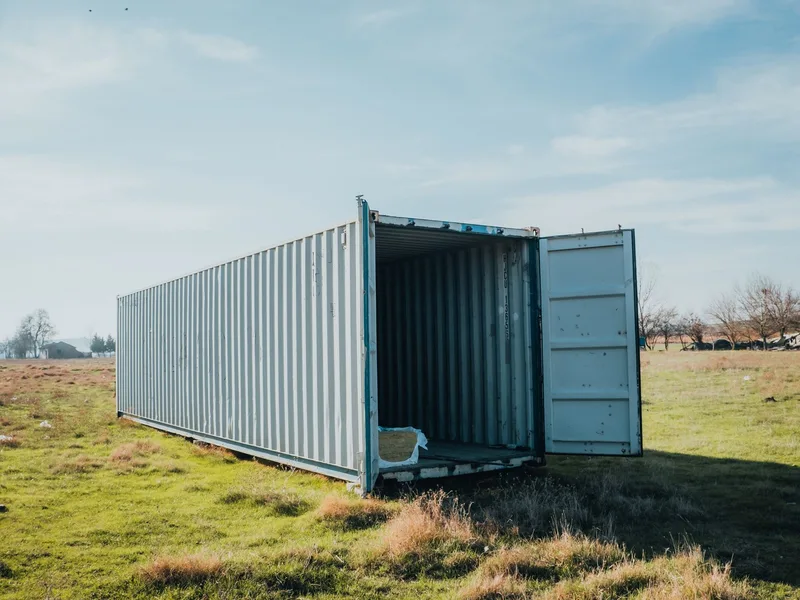
Containers and consignments
Sealed containers arriving from ports and airports may carry varied pests, and fumigation destroys all species before containers are opened and goods distributed.
Where the gas escapes
Gaps around drainage pipes, small leaks and cracks in old foundations are the main rodent entry routes, and fumigation gas penetrates them to kill insects sheltering inside.
Aeration afterwards
Aeration after fumigation requires large openings and strong ventilation to clear the gas from the large warehouse, and concentration must be measured at different heights before reoccupancy.
How we work
-
1
Survey and sampling
We identify the pest and its stage, go through the stock, the racking and the corners, measure the volume, and establish whether the place can be sealed as it stands or a sheeted enclosure has to be built over the stacks.
-
2
Sealing and preparation
Sheeting sealed to the floor around the stacks or the room closed up, vents, drains and door edges shut, the area emptied of people and warning signage placed before anything is introduced.
-
3
Gas introduction and monitored exposure
The dose is calculated from the volume, the commodity and its temperature, and readings through the period confirm the concentration is still there at the end of the exposure and not only at the start.
-
4
Aeration, clearance and the record
Forced ventilation, then repeated readings until the space is handed back, and a report covering what was found, how the enclosure was built, the exposure period, the readings and what needs correcting at goods inwards.
What fumigation includes
-

A recorded survey
Pest and stage, samples from the commodity, and the volume of the space, before fumigation is decided on at all.
-

Sealing the enclosure
Vents, floor drains, door edges and cable runs, which is where the gas goes if nobody closes them.
-

Dosing and monitored exposure
Dose set by volume, commodity and temperature, with readings tracking the concentration to the end of the exposure.
-

Aeration and clearance readings
Extraction and forced ventilation, then repeated readings, and the space is not opened to staff until a reading allows it.
-

Monitoring points afterwards
Pheromone traps and check points on the goods inwards route, because fumigation leaves nothing behind to protect what arrives next.
-

The report and a follow-up visit
A written record of the work and its readings, and a date to re-check the stock and deal with anything new.
What is different about Al Maabdah Sub-Municipality
Al Maabdah sub municipality climbs from Al Abtah and Al Jumayzah beside the Al Mualla cemetery up through Al Khansa and Rai Adhakhir to Al Adl, Jabal Al Nour, Wadi Jaleel and Qurtubah on the outer ring roads. It mixes hotels and pilgrim housing near the Grand Mosque with old popular houses on hillside passes, new housing schemes on valley floors that carry flash floods after rain, and industrial plots, workshops and warehouses along Al Hajj Street in Qurtubah. Street widening and expropriation leave partly demolished frontages in Al Khansa.
Questions about this district
Can we fumigate a warehouse while goods are stacked at full capacity?
Yes. Fumigation proceeds with goods at full capacity, as the gas penetrates stacks to kill insects hidden within. Ventilation openings must be large enough to allow powerful gas circulation.
How often should we fumigate a distribution warehouse in Qurtubah yearly?
In Qurtubah, large warehouses need fumigation at least every two months, or three times yearly. Older warehouses or those near sewers may require more frequent treatment.
What pest types are most common in Qurtubah warehouses?
Grain beetles and cockroaches are the most prevalent in large storage facilities. Rodents and ants are also present, especially in warehouses near drains and foundation openings.
Do insects living in open drainage channels attack the warehouse?
Yes. The drains beneath Al Hajj Street are heavily infested with insects and rodents. Sewer openings in the warehouse may provide continuous entry for new pests.
Should we inspect and clean drainage channels before warehouse fumigation?
Yes. Cleaning drains and removing blockages before fumigation removes a major infestation source. After cleaning, the warehouse is fumigated with temporary sealing of non essential drain openings.
How do we prevent insects returning quickly after fumigation?
After fumigation, regular drain cleaning and sealing unnecessary openings prevent new pest entry. Raising goods pallets off the floor reduces ground level infestation.
How much does fumigation in Qurtubah cost?
It is set after the inspection, because the price follows the type of infestation, the size of the space, how far it has spread and the number of visits it needs. Send a photo and a description on WhatsApp and we will give you an estimate before we reach Qurtubah.
Nearby districts we cover
Other services in Qurtubah
Other services we provide to residents of Qurtubah.
-
 Residential
Cockroach control
Residential
Cockroach control
-
 Residential
Bed bug control
Residential
Bed bug control
-
 Residential
Termite control
Residential
Termite control
-
 Residential
Rodents and mice
Residential
Rodents and mice
-
 Residential
Mosquito control
Residential
Mosquito control
-
 Residential
Fly control
Residential
Fly control
-
 Residential
Ant control
Residential
Ant control
-
 Residential
Gecko control
Residential
Gecko control
-
 Residential
Scorpion control
Residential
Scorpion control
-
 Residential
Snake control
Residential
Snake control
-
 Residential
Flea control
Residential
Flea control
-
 Residential
Bird and pigeon control
Residential
Bird and pigeon control
-
 Residential
Preventive treatment
Residential
Preventive treatment
-
 Residential
Disinfection
Residential
Disinfection
-
 Commercial
Annual contracts
Commercial
Annual contracts
-
 Commercial
Restaurants and cafes
Commercial
Restaurants and cafes
-
 Commercial
Hotels and apartments
Commercial
Hotels and apartments
-
 Commercial
Warehouses and factories
Commercial
Warehouses and factories
-
 Commercial
Schools and nurseries
Commercial
Schools and nurseries
-
 Commercial
Retail and malls
Commercial
Retail and malls
-
 Commercial
Rest houses and farms
Commercial
Rest houses and farms
-
 Water tanks
Water tank cleaning
Water tanks
Water tank cleaning
-
 Water tanks
Water tank sterilization
Water tanks
Water tank sterilization
-
 Water tanks
Water tank sealing
Water tanks
Water tank sealing
-
 Water tanks
Tank leak repair
Water tanks
Tank leak repair
Need fumigation in Qurtubah? Tell us what you saw and we will tell you what it needs
We reach Qurtubah at a time we agree, and you get the full cost before we start.