
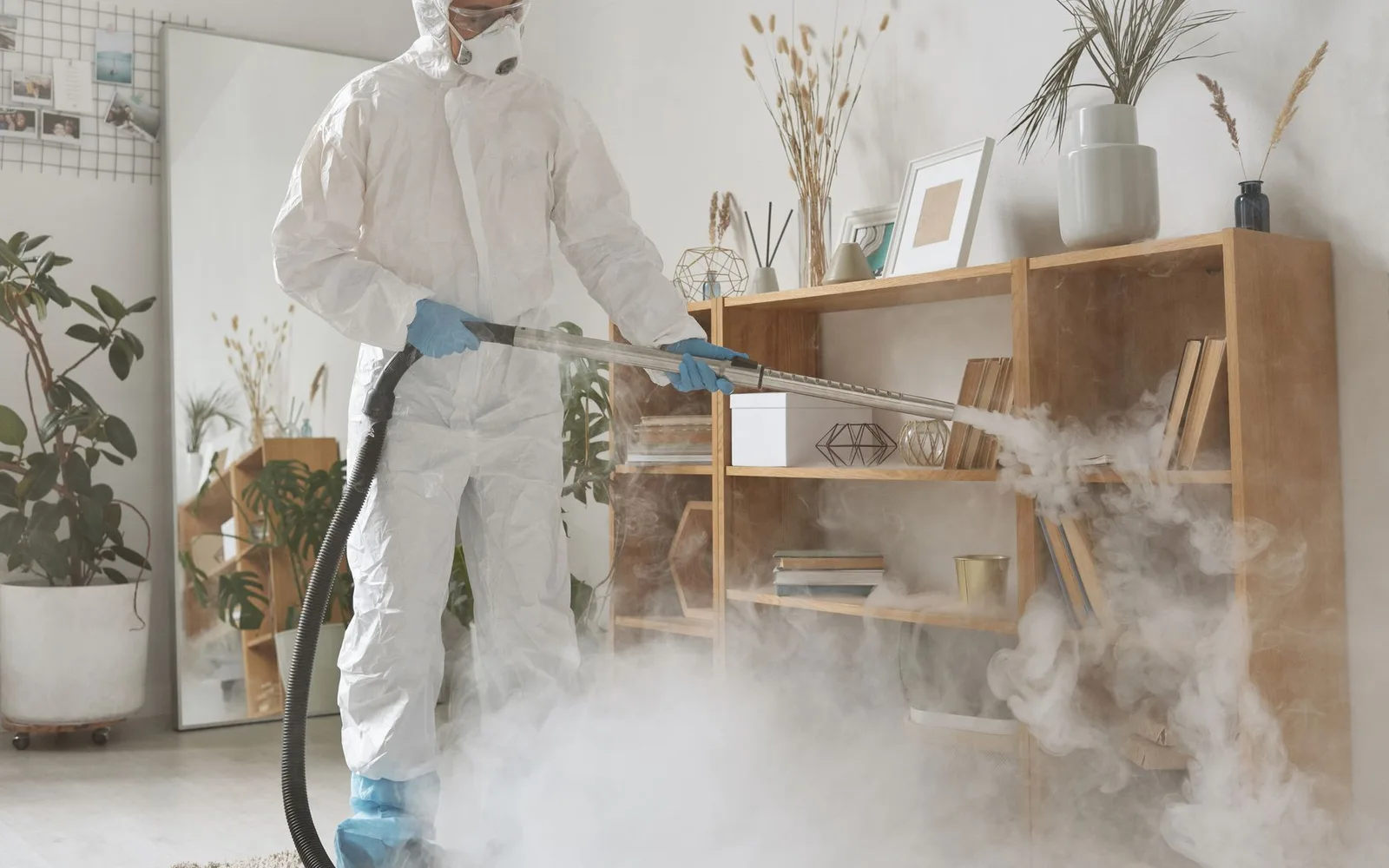
Fumigation in Rai Adhakhir Makkah
Rai Adhakhir is a hillside district northeast of the Grand Mosque where apartment blocks and small hotels crowd terraced slopes. Streets climb steeply and buildings are staggered vertically up the mountainside. Humidity and rapid temperature swings between day and night accelerate insect breeding. Fumigation requires careful planning because buildings are tightly packed and share many walls and openings.
-
Targeted, not broadcast
Product goes into cracks and runways, never sprayed across open surfaces.
-
Told before we start
What we will use, where it goes, and what to cover or move before we arrive.
-
A follow-up visit
We return after the first treatment, because what survives it does not show on the day.
-
Homes and businesses
Apartments and villas, and kitchens and stores that need a record of each visit.
Why they keep coming back in Rai Adhakhir
Buildings are comparatively recent but densely occupied by seasonal and permanent residents, and central ventilation systems may not work efficiently because of strong eastern winds. The method is set out in full on how we approach Fumigation.
Terraced buildings up the slope create complex air pathways for gas
Each building sits higher than its neighbours and openings and windows direct air in different directions. Gas can drift easily from a lower building upward or vice versa. We calculate gas dose separately for each building and seal all shared openings.
Strong easterly winds dominate the district's airflow pattern
Wind from the east pumps air forcefully and can push fumigant outside the intended building. We choose days with weak wind or temporarily seal eastern facing openings to control dispersion.
Rapid day to night temperature swings accelerate insect breeding cycles
Days are hot and nights are cool on the high slope. This speeds insect reproduction. We recommend frequent fumigation during preparation for pilgrimage season.
Rai Adhakhir on the map
Rai Adhakhir sits about 1.5 km from Al Jumayzah and about 2 km from Qurtubah.
Open in Google MapsWhat decides whether fumigation is the right method
The mountainous terrain means streets are very narrow and stormwater drainage is limited, with rapid runoff that pools at the bottom, increasing ground level humidity.
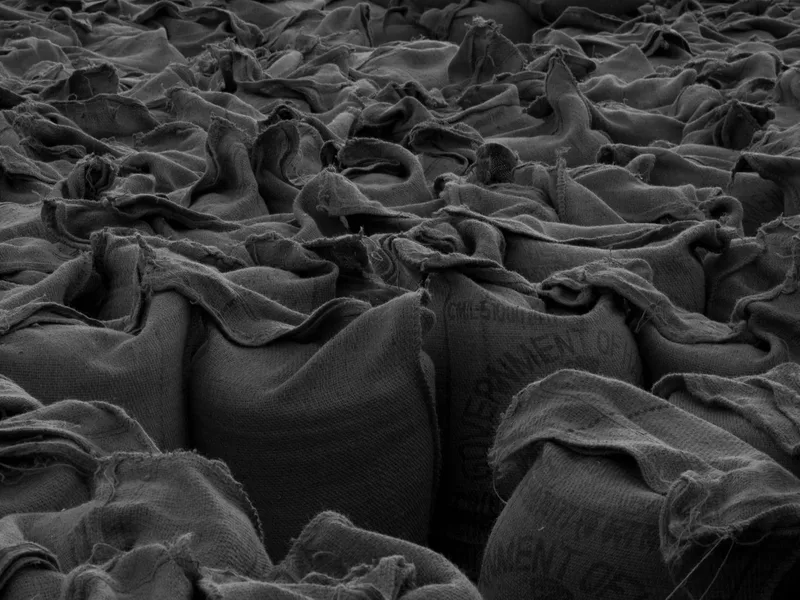
Grain and feed
Apartment blocks on the slope store grains, nuts, dried fruit and sweets, and weevil and mites enter via local and imported supplies.

Cartons and packaging
Boxes and cartons from residents' purchases and gifts stack in corridors and balconies, potentially harbouring insects from outside.
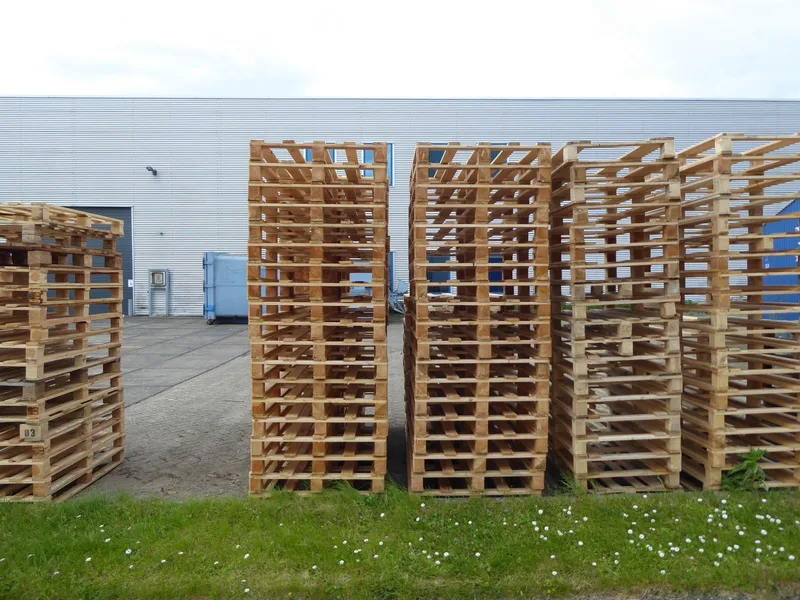
Pallets and timber
Wooden furniture and shelving in residential flats may be somewhat aged with small exit holes from past insect activity.
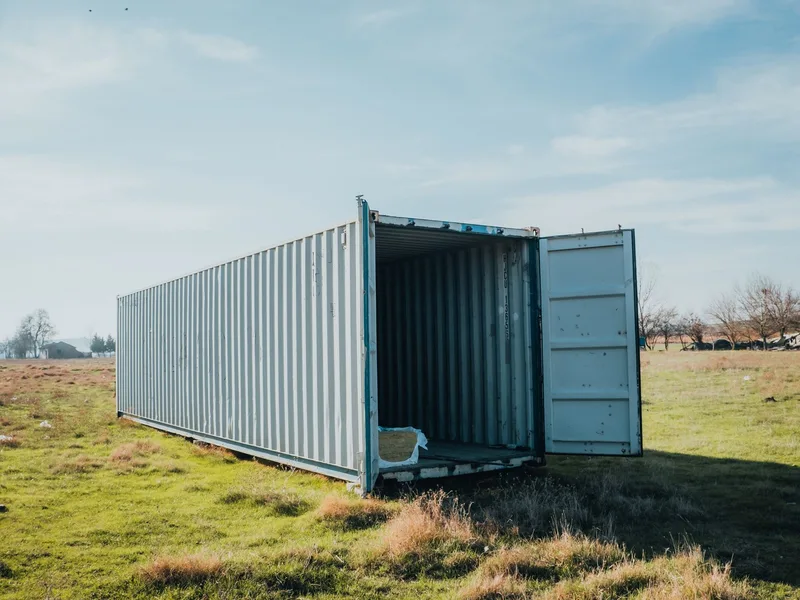
Containers and consignments
Bags and containers from residents' belongings may carry insects from outside or provide new harbouring sites.
Where the gas escapes
Ventilation openings, balconies and windows between terraced apartment blocks can allow gas transfer, so we seal them temporarily.
Aeration afterwards
Post-fumigation aeration takes longer on the high slope because air movement is poor in narrow ravines and valleys.
How we work
-
1
Survey and sampling
We identify the pest and its stage, go through the stock, the racking and the corners, measure the volume, and establish whether the place can be sealed as it stands or a sheeted enclosure has to be built over the stacks.
-
2
Sealing and preparation
Sheeting sealed to the floor around the stacks or the room closed up, vents, drains and door edges shut, the area emptied of people and warning signage placed before anything is introduced.
-
3
Gas introduction and monitored exposure
The dose is calculated from the volume, the commodity and its temperature, and readings through the period confirm the concentration is still there at the end of the exposure and not only at the start.
-
4
Aeration, clearance and the record
Forced ventilation, then repeated readings until the space is handed back, and a report covering what was found, how the enclosure was built, the exposure period, the readings and what needs correcting at goods inwards.
What fumigation includes
-

A recorded survey
Pest and stage, samples from the commodity, and the volume of the space, before fumigation is decided on at all.
-

Sealing the enclosure
Vents, floor drains, door edges and cable runs, which is where the gas goes if nobody closes them.
-

Dosing and monitored exposure
Dose set by volume, commodity and temperature, with readings tracking the concentration to the end of the exposure.
-

Aeration and clearance readings
Extraction and forced ventilation, then repeated readings, and the space is not opened to staff until a reading allows it.
-

Monitoring points afterwards
Pheromone traps and check points on the goods inwards route, because fumigation leaves nothing behind to protect what arrives next.
-

The report and a follow-up visit
A written record of the work and its readings, and a date to re-check the stock and deal with anything new.
The character of Rai Adhakhir
Apartment district: residential blocks, repeated floors and shared entrances
Apartment district means seasonal and permanent residents share the same buildings and common areas. Fumigation must be safe for families and children. We use fumigant approved for occupied spaces and coordinate with building management to vacate only the treated flats.
Questions about this district
Do we account for wind direction when fumigating the Rai Adhakhir hillside?
Yes, strong easterly wind can push gas outside the target building. We select low wind days or temporarily seal eastern exposures.
How do we manage fumigation in tightly packed terraced buildings?
Each building receives separate gas calculations based on its elevation and volume. We seal all shared openings between buildings to confine gas.
Does altitude and high humidity weaken fumigation effectiveness?
Altitude can slightly reduce gas concentration but high humidity compensates. We extend exposure time slightly on dry days to account for the altitude effect.
How often should we fumigate apartment blocks in Rai Adhakhir yearly?
At least twice yearly if occupied by seasonal residents. Individual buildings may need separate treatment cycles.
What pests are common on this high Rai Adhakhir hillside?
Cockroaches, mosquitoes, storage mites and ants dominate. Mosquitoes especially spread around fountains and standing water in courtyard gardens.
Can we fumigate one building without affecting neighbours on the slope?
Yes if we seal shared openings securely. But wind can carry gas far, so we recommend neighbours close windows on treatment day.
How much does fumigation in Rai Adhakhir cost?
It is set after the inspection, because the price follows the type of infestation, the size of the space, how far it has spread and the number of visits it needs. Send a photo and a description on WhatsApp and we will give you an estimate before we reach Rai Adhakhir.
Nearby districts we cover
Other services in Rai Adhakhir
Other services we provide to residents of Rai Adhakhir.
-
 Residential
Cockroach control
Residential
Cockroach control
-
 Residential
Bed bug control
Residential
Bed bug control
-
 Residential
Termite control
Residential
Termite control
-
 Residential
Rodents and mice
Residential
Rodents and mice
-
 Residential
Mosquito control
Residential
Mosquito control
-
 Residential
Fly control
Residential
Fly control
-
 Residential
Ant control
Residential
Ant control
-
 Residential
Gecko control
Residential
Gecko control
-
 Residential
Scorpion control
Residential
Scorpion control
-
 Residential
Snake control
Residential
Snake control
-
 Residential
Flea control
Residential
Flea control
-
 Residential
Bird and pigeon control
Residential
Bird and pigeon control
-
 Residential
Preventive treatment
Residential
Preventive treatment
-
 Residential
Disinfection
Residential
Disinfection
-
 Commercial
Annual contracts
Commercial
Annual contracts
-
 Commercial
Restaurants and cafes
Commercial
Restaurants and cafes
-
 Commercial
Hotels and apartments
Commercial
Hotels and apartments
-
 Commercial
Warehouses and factories
Commercial
Warehouses and factories
-
 Commercial
Schools and nurseries
Commercial
Schools and nurseries
-
 Commercial
Retail and malls
Commercial
Retail and malls
-
 Commercial
Rest houses and farms
Commercial
Rest houses and farms
-
 Water tanks
Water tank cleaning
Water tanks
Water tank cleaning
-
 Water tanks
Water tank sterilization
Water tanks
Water tank sterilization
-
 Water tanks
Water tank sealing
Water tanks
Water tank sealing
-
 Water tanks
Tank leak repair
Water tanks
Tank leak repair
Need fumigation in Rai Adhakhir? Tell us what you saw and we will tell you what it needs
We reach Rai Adhakhir at a time we agree, and you get the full cost before we start.