

Retail and malls in Ajyad Makkah
Ajyad is a district of hotels and rental apartment blocks pressed tightly around the Grand Mosque, with small commercial units wedged beneath units filled with Umrah visitors. Pest control here must protect the residential flats above, coordinate carefully with building management, and respect the constant turnover of guests whose presence shapes when and how we work.
-
Targeted, not broadcast
Product goes into cracks and runways, never sprayed across open surfaces.
-
Told before we start
What we will use, where it goes, and what to cover or move before we arrive.
-
A follow-up visit
We return after the first treatment, because what survives it does not show on the day.
-
Homes and businesses
Apartments and villas, and kitchens and stores that need a record of each visit.
Why they keep coming back in Ajyad
Commercial units here open and close rapidly with pilgrimage cycles, and dampness accumulates visibly within days when the shops fall quiet and ventilation drops. The method is set out in full on our Retail and malls service.
Flats above the shop filled with rotating guests
Residents change every week or fewer days, and water from aged flat plumbing drains down through pipework and voids in the suspended ceiling. Treatment here does not stop at the shop boundary; it must be co-ordinated with building management to confirm the flats above are not breached, with protocols for sealed entry points and agreed access windows.
Narrow lanes and old construction throughout the quarter
Streets between hotels and apartment blocks are tight, shops share thick walls with other units, and those walls are ageing with cracks and damp seeping in. Insects move easily between shops through gaps and cracks, and ancient water and drain pipes create ideal breeding conditions that link every unit to every other unit.
Kitchens and restaurants operate day and night throughout season
Restaurants and commercial kitchens in the district run continuously during pilgrimage peaks, drawing insects constantly from waste and spilled food. Stock reaches the shops through shared back passages that open directly onto restaurant waste areas, and insects from those food sources slip easily into the commercial units.
Ajyad on the map
Ajyad sits about 0.5 km from Al Hajlah and about 2 km from Al Mansour.
Open in Google MapsWhat decides the treatment in a shop
Ajyad climbs the southern slopes of Jabal Khandamah along Ajyad Street and Ibrahim Al Khalil Street, with densely packed residential towers and hotels. Kitchens and restaurants operate throughout the pilgrimage season, and water from ageing flat plumbing above flows down through obsolete pipe runs and ceiling voids.
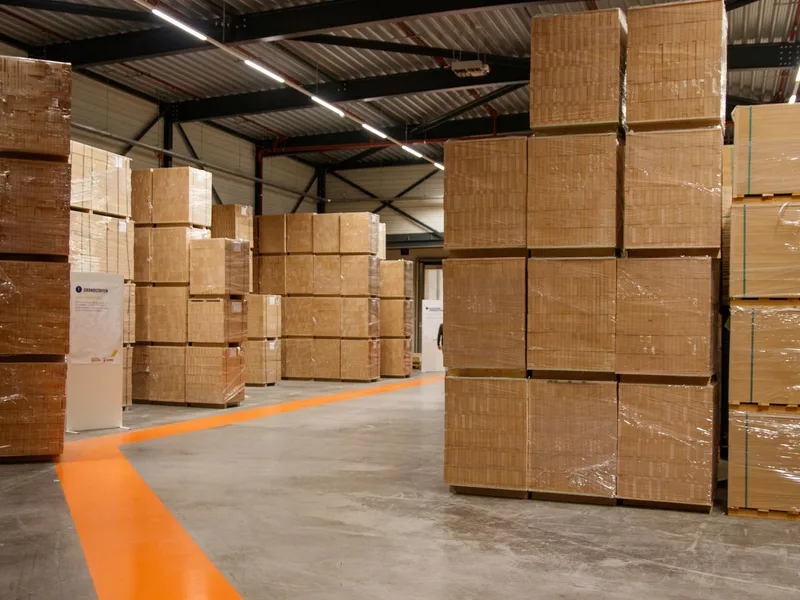
Cardboard in the stockroom
Stock cardboard in Ajyad arrives from hotels and nearby restaurants, and goods are stored in tight spaces beneath occupied flats where dampness enters cartons within hours and insects spread rapidly through them.
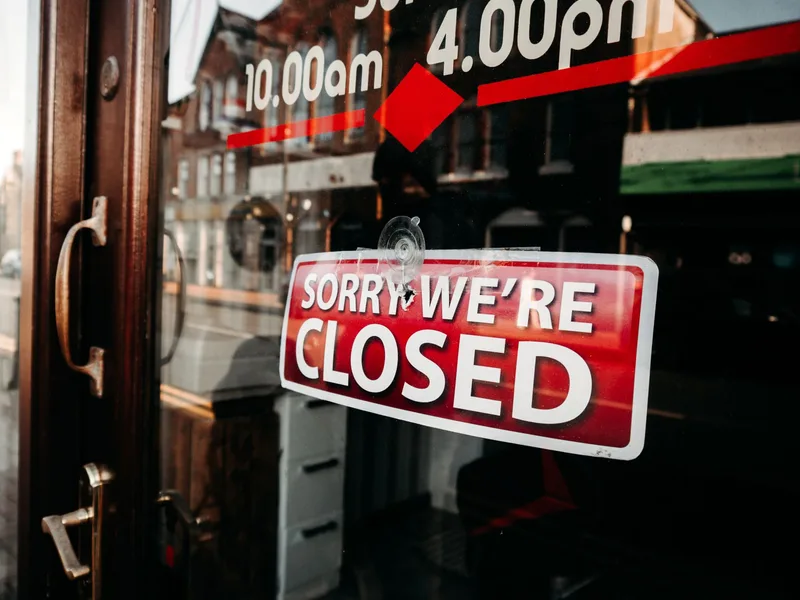
The frontage and the sliding door
The shop frontage and sliding door sit directly beside a flat entrance or hotel lobby, and the gap beneath the door opens onto the narrow outside passage where insects move constantly between units.
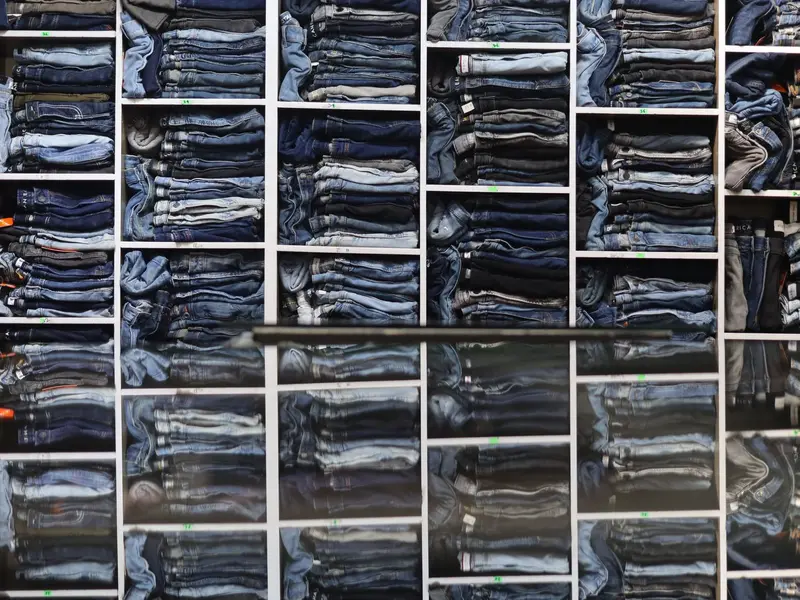
What the shop sells
The unit sells clothing, shoes, gifts and souvenirs for Umrah visitors. Stock arrives and is displayed quickly, and humidity harms leather shoes and fabrics within days.
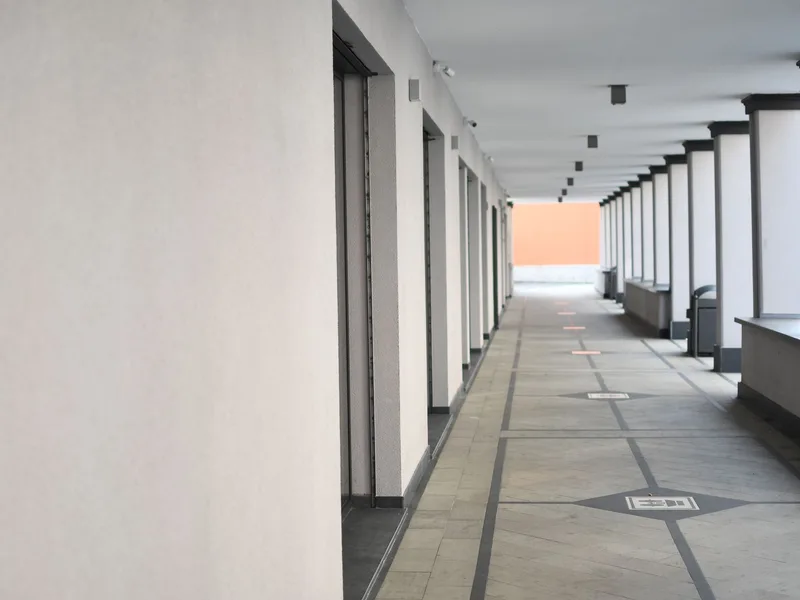
The shared back corridor
The shared back corridor in Ajyad is very narrow and carries waste from restaurants and neighbouring shops. Dampness pools there and insects breed rapidly.
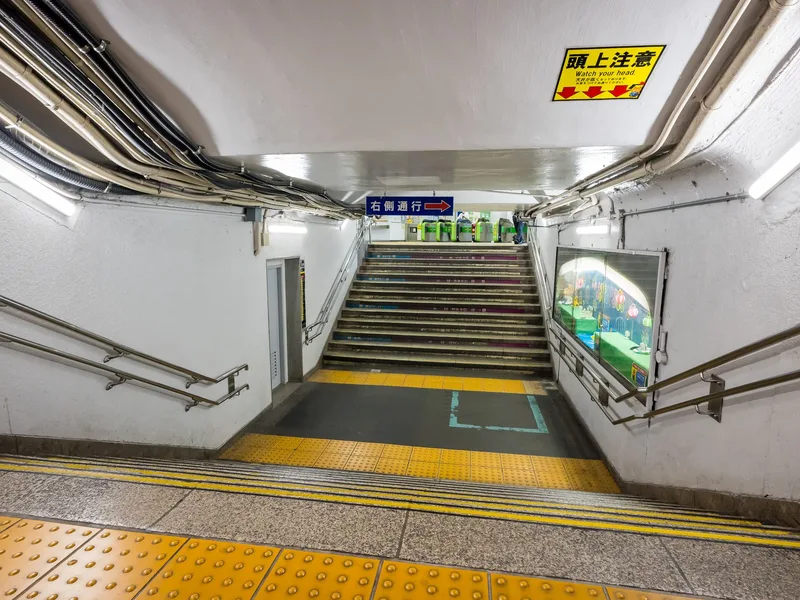
The ceiling void and the services
The suspended ceiling holds pipework from the flats above. Gaps between the ceiling and old walls allow water to weep down from aged pipes, creating an ideal moist environment for insects.
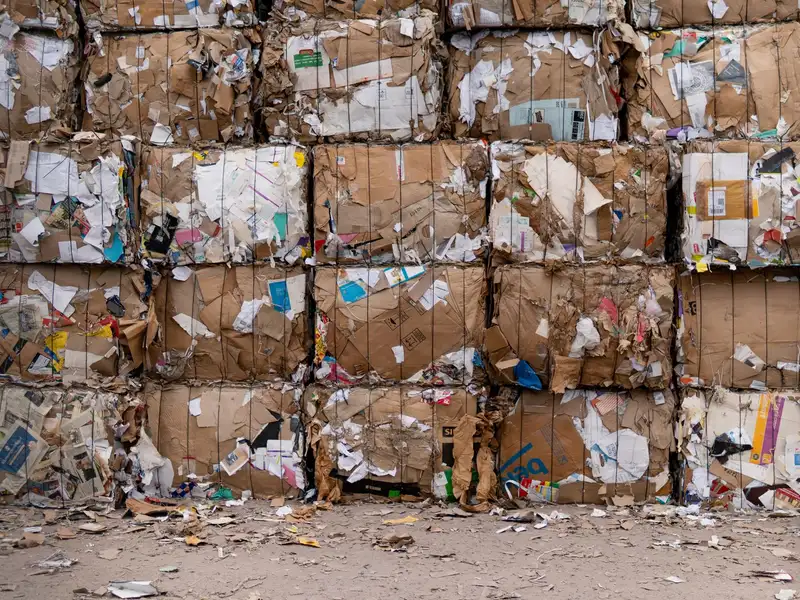
Waste and board behind the shop
Cardboard and waste behind the shop come from stock packaging and adjacent restaurant bins. The back passage pools water after rain, and insects shelter in old cartons and accumulated waste.
How we work
-
1
An out-of-hours walk
We walk the floor, the stockroom, the fitting area, the back corridor and the waste route, and record what the shop sells, the delivery cycle and the boundary points with the neighbouring units before anything is applied.
-
2
Treat the stockroom and the goods route
Placed bait into racking uprights, junctions and cracks, dust into the dry voids, and nothing on merchandise or display faces.
-
3
Close the boundary of the unit
A sweep under the stockroom door, mesh on the vents and sealing at the service penetrations on the party wall, because exclusion does more to stop a return than repeating the spray.
-
4
Numbered points and a report each visit
Fixed positions on one route, read every visit and logged even when the reading is nil, with a report of what was found, what was treated and what the building needs closed, plus a copy for centre management when they ask for it.
What retail pest control includes
-

An out-of-hours inspection
A walk covering the floor, the stockroom, the back corridor and the delivery route, ending with the pest list this particular shop actually carries.
-

Bait and points on the goods route
In the stockroom, behind racking and along the goods-in route, out of any customer's reach and away from anything on sale.
-

Targeted crack and crevice work
On junctions, racking feet and the unit perimeter, never on stock, display surfaces or the open sales floor.
-

Drains and the waste area
The floor gullies in the back corridor, the ground around the containers and where the board is collected, because that is the source that renews daily.
-

Getting the shop back to trading
What gets covered before we start, what is wiped afterwards, and the ventilation time we set with you on the call, because it changes with the product and the space.
-

A follow-up visit and a written record
A set date after the first treatment, and a record carrying the date of each visit, the readings, and what was applied and where.
What is different about Ajyad Sub-Municipality
Ajyad sub municipality takes in the districts that press against the Grand Mosque from the south and west: Ajyad, Al Hajlah, Al Shubaikah, Al Tandabawi and Al Mansour. Hotels and rented apartment blocks for Umrah visitors stack up along Ajyad Street and Ibrahim Al Khalil Street, with kitchens and restaurants running aday and night in season. Behind them, Al Shubaikah and Al Tandabawi keep narrow old lanes on hillside ground where buildings and drains are ageing, and demolition and construction sites are a constant presence around Jabal Omar and the central zone.
Questions about this district
Do visitors bring insects in their luggage and shopping bags?
Stock arrives from distant warehouses, but visitors also shop from unit to unit and carry items in bags and cases. If you spot insects in new stock, isolate it immediately and ring us. We may inspect cardboard and bags on arrival, or we may treat them as part of the sealed protocol depending on what we find.
Does the moisture flowing down from the hillside and after rain cause the infestation?
Ajyad sits on the slope of Jabal Khandamah and water flows down from above. Dampness is high, particularly beneath the occupied flats where pipes run and water pools. Yes, this increases insect numbers significantly. Ventilation and drying are core to the plan, and treatments focus on damp passages and ceiling voids where moisture collects.
Does the shared wall with the hotel next door bring insects from their rooms?
Hotels in Ajyad are full of guests, and insects can arrive in luggage. The shared wall is old with cracks that allow insects to cross, so we inspect for gaps carefully and may treat the wall itself from inside the shop to close the entry points.
The shop closes for days and damp rises noticeably in a closed space?
Humidity in Ajyad is naturally high, and shutting the shop for days without ventilation causes dampness to rise rapidly and insects to appear. We may increase visits on closed days, or install drying equipment, depending on the measured humidity levels we find.
The hotel beside us hosts guests from very distant countries. Can they carry insects unknown in Saudi Arabia?
Guests arrive from every country and insects can travel in luggage and clothing. The common pests are cockroaches, bed bugs and standard food insects. Treatment covers the known types, and if something unusual appears we will flag it to you immediately.
Does treatment include the shared back passage between our shop and the hotel yards?
Shared passages between shops and hotels are insect highways, so what is covered depends on the contract terms. If the passage is part of your service, we treat it on the regular cycle as part of the plan, and neighbouring commercial units may need to co-ordinate their own programmes with management.
How much does retail and malls in Ajyad cost?
It is set after the inspection, because the price follows the type of infestation, the size of the space, how far it has spread and the number of visits it needs. Send a photo and a description on WhatsApp and we will give you an estimate before we reach Ajyad.
Nearby districts we cover
Other services in Ajyad
Other services we provide to residents of Ajyad.
-
 Residential
Cockroach control
Residential
Cockroach control
-
 Residential
Bed bug control
Residential
Bed bug control
-
 Residential
Termite control
Residential
Termite control
-
 Residential
Rodents and mice
Residential
Rodents and mice
-
 Residential
Mosquito control
Residential
Mosquito control
-
 Residential
Fly control
Residential
Fly control
-
 Residential
Ant control
Residential
Ant control
-
 Residential
Gecko control
Residential
Gecko control
-
 Residential
Scorpion control
Residential
Scorpion control
-
 Residential
Snake control
Residential
Snake control
-
 Residential
Flea control
Residential
Flea control
-
 Residential
Bird and pigeon control
Residential
Bird and pigeon control
-
 Residential
Preventive treatment
Residential
Preventive treatment
-
 Residential
Disinfection
Residential
Disinfection
-
 Commercial
Annual contracts
Commercial
Annual contracts
-
 Commercial
Restaurants and cafes
Commercial
Restaurants and cafes
-
 Commercial
Hotels and apartments
Commercial
Hotels and apartments
-
 Commercial
Warehouses and factories
Commercial
Warehouses and factories
-
 Commercial
Schools and nurseries
Commercial
Schools and nurseries
-
 Commercial
Rest houses and farms
Commercial
Rest houses and farms
-
 Commercial
Fumigation
Commercial
Fumigation
-
 Water tanks
Water tank cleaning
Water tanks
Water tank cleaning
-
 Water tanks
Water tank sterilization
Water tanks
Water tank sterilization
-
 Water tanks
Water tank sealing
Water tanks
Water tank sealing
-
 Water tanks
Tank leak repair
Water tanks
Tank leak repair
Need retail and malls in Ajyad? Tell us what you saw and we will tell you what it needs
We reach Ajyad at a time we agree, and you get the full cost before we start.