
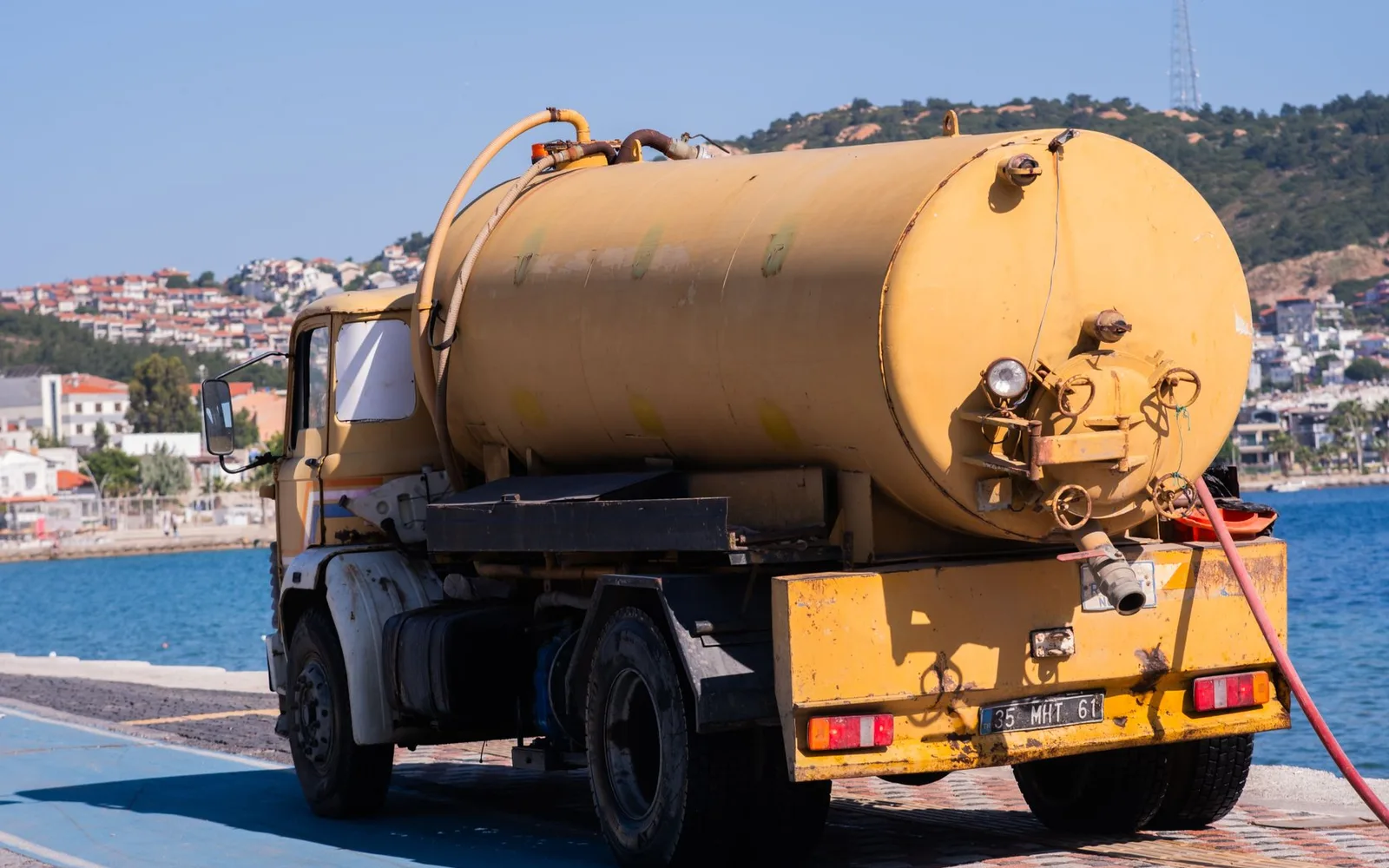
Water tank sealing in Al Shamiyah Al Jadid Makkah
Al Shamiyah Al Jadid is a new development scheme on the Al Laith road south of Jeddah, with new villas and apartment blocks on wide planned streets. Tanks here are relatively new but need professional sealing because new buildings and materials demand precision. Sandy soil, natural moisture and direct sun exposure mean correct sealing from the start extends the tank life by years.
-
Potable-rated materials
Linings and disinfectants cleared for drinking water tanks, not general-purpose products.
-
You get the downtime first
How many hours the tank is out of service, told before we start rather than after we finish.
-
A first-draw flush
We run the first draw off after refilling, and the tank is not handed back until the water runs clear.
-
Ground and roof tanks
Villas, apartment blocks and premises that need a written record of each visit.
Why the job is different in Al Shamiyah Al Jadid
Buildings are new and tanks are recently installed on strong roofs. The area is still in active construction and growth phases. The method is set out in full on the full Water tank sealing page.
New villas and blocks demand precision in mounting and sealing
New buildings use modern materials and smooth strong roof surfaces. Tanks are mounted on new solid foundations but need precise sealing from day one. Any early sealing error may cause major problems later because the tank will run for many years.
Sandy soil and fast drainage
The zone sits on sandy soil with quick water drainage. Ground moisture may vary seasonally and may reach the tank from below. Sealing must protect against ground moisture and possible salt water.
Sun and heat on new wide roof surfaces
Wide streets mean long direct sun exposure. New roofs have not yet experienced severe temperature swings. New tanks will face strong annual expansion and contraction, and sealing must withstand this movement.
Landmarks of Al Shamiyah Al Jadid
The zone is bounded by Al Laith road on one side and the Haram boundary marker on the other. The Fifth Ring Road and the Non Muslims bypass define the area's outer limits.
- Al Laith Road
- Fifth Ring Road
- Haram boundary marker on Al Laith Road
- Al Ghamdi Mosque
- Al Khawajat Road
What we read before any material is opened
A new development scheme under Crown Prince scheme one on Al Laith road, the westernmost of the southern expansion plans. It holds new villas and apartment blocks on wide ordered streets, commercial plots between Al Laith road and the Non Muslims bypass, and a planned commercial and leisure centre with gardens. Bounded by the Haram boundary marker on the Al Laith road and the Fifth Ring Road.
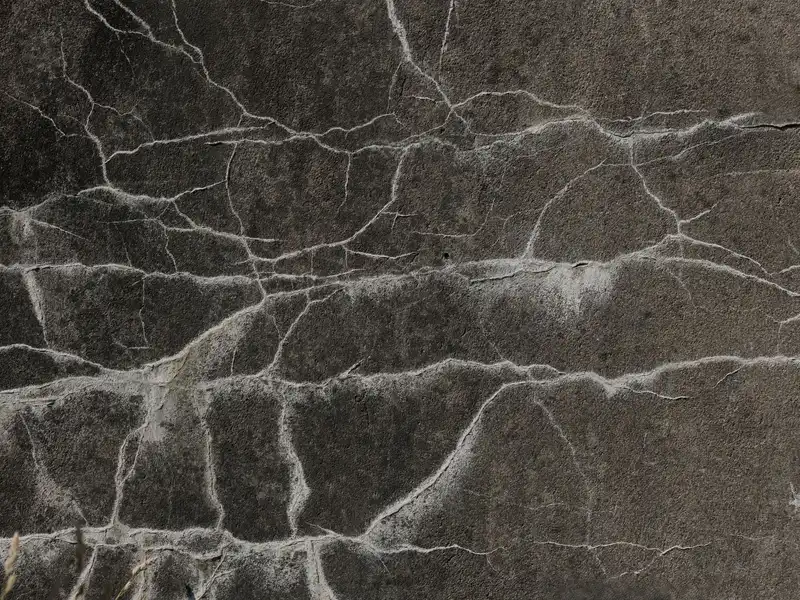
Cracking in the wall
The new strong roof surface under the tank needs only light cleaning, but joints and corners must be handled precisely because they are tight and new.
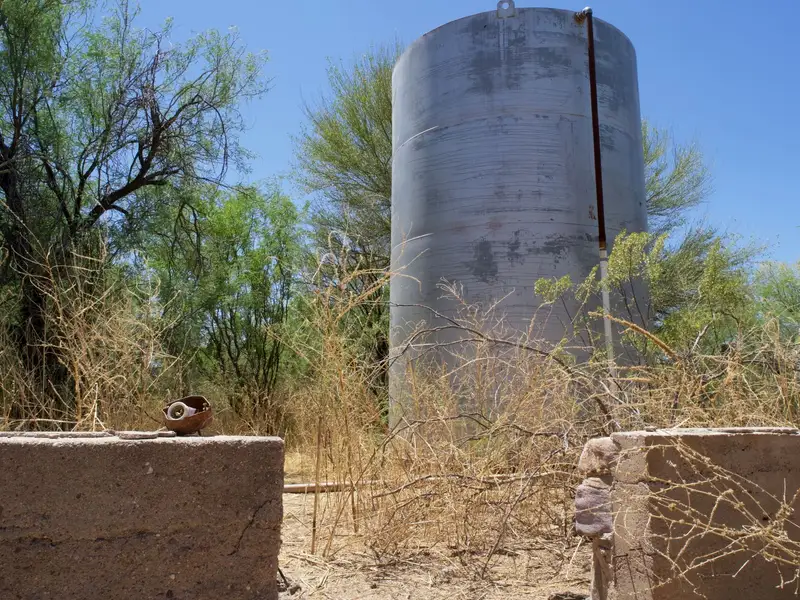
The floor to wall joint
Cracks are rare in new tanks, but joints and connections around the tank need professional work to allow natural expansion.
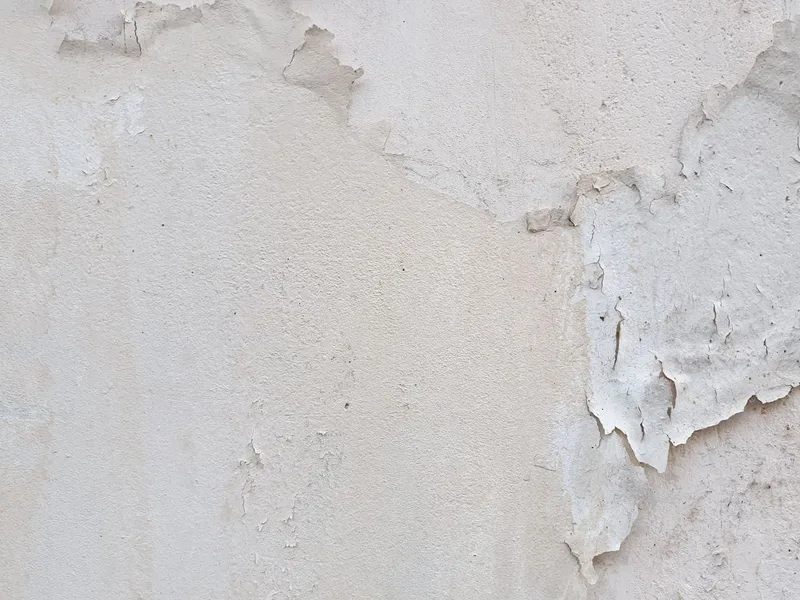
The condition of the old lining
Joints between tank and roof and new pipes must be both flexible and strong, and sealing materials must suit modern building materials.
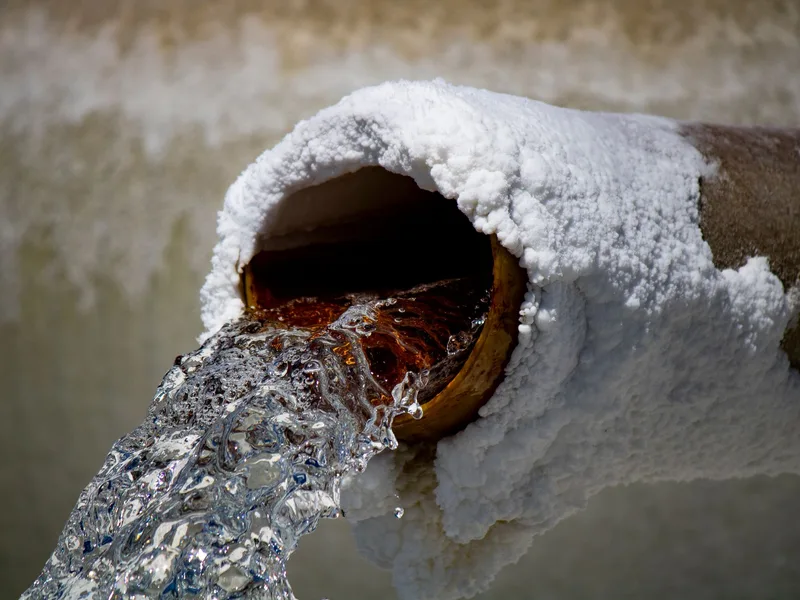
Sediment and scale
Moisture in a new zone may come from sandy soil and natural building vapour, and sealing must stop all moisture sources.
The pipe entries
Pipes and entry points are new and strong, but penetration points need precise sealing because they are the main routes for moisture entry.
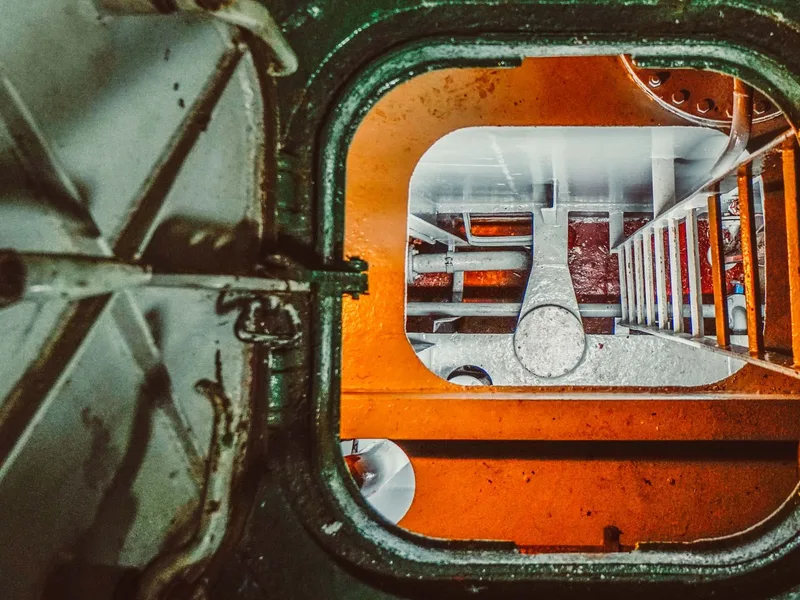
The hatch and the vent
New water and new tanks are usually clean, but any early leakage or moisture entry must be stopped immediately with professional sealing.
How we work
-
1
Inspect with the tank empty
We drain it and read the surface dry: whether the water leaves through a crack, a joint or a pipe collar, and what the outer face of the wall and the ceiling below are telling us. A level test with the valves closed separates a leaking tank from leaking pipework.
-
2
Clean and prepare the substrate
Sediment out, a high pressure wash, the loose old lining and the weak surface layer of the concrete taken back, then dried. The material grips sound substrate and nothing else.
-
3
Make the cracks and joints good
Cracks are chased out and filled with a repair mortar, a cove is formed where the floor meets the wall, and every pipe collar is treated on its own.
-
4
Lining, fill test, sterilisation
Successive coats, each run across the one beneath it, on the face the water touches. Then a full cure, a fill with the level watched, and sterilisation with the first fill run to waste before the tank returns to use.
What water tank sealing includes
-

Finding where the water leaves
Carried out drained and dry: cracks, joints, pipe collars and the outer face of the wall.
-

Draining and sediment removal
The last of the water and the settled layer on the floor come out, because a lining does not stick over sediment.
-

Cracks and joints made good
The crack opened and filled, a cove formed at the floor to wall junction, and each pipe entry worked separately.
-

Lining coats on the water face
More than one coat, each crossing the one below, in material made for drinking water tanks rather than roof waterproofing.
-

Curing, fill test and sterilisation
The material is left to cure, the tank is filled and the level watched, then sterilised and the first fill run to waste. How long the cure takes follows the material and the weather, and we tell you before the date so you can plan around the supply.
-

A follow-up level check
We come back once it is in service to read the level and check the outer face, because any remaining loss shows up then rather than on the day of the work.
What is different about South Makkah Sub-Municipality
South Makkah sub municipality is the belt of Crown Prince schemes south of Al Ukayshiyah, along the Al Laith road and the extension of Ibrahim Al Khalil Road to the Fifth Ring Road and the Non Muslims bypass. Most of it is still bare: granted plots awaiting houses, new villas standing alone, open building sites and unfinished paving and drainage. Wadi Uranah and its tributaries cross the low ground and hold water after rain, hills close it in, and rodents, reptiles and scorpions shelter in stacked materials and foundation pits before the neighbourhoods fill up.
Questions about this district
Do new tanks need sealing right away or after a running-in period?
New tanks need professional sealing immediately after installation. Early sealing prevents moisture and salt entry from the start and extends the tank life.
Does the sandy soil in Al Shamiyah Al Jadid affect the tank from below?
Yes, sandy soil may hold seasonal moisture and natural salts. Moisture may reach the tank from below if it is not well sealed.
Do new buildings need different sealing than old ones?
Yes, new buildings use modern materials and have tight joints. Sealing must suit modern materials and allow for natural expansion.
How do we handle expansion and contraction in new tanks?
We use flexible sealing materials that allow natural expansion without cracking. Joints and seams need special treatment that balances strength and flexibility.
Will the planned commercial centre nearby affect water quality?
If nearby building work occurs, dust and extra moisture may have some effect. But well-sealed tanks are protected from this.
How long should sealing last on a new tank in a new zone?
In a new area with strong roofs and new tanks, good sealing may last 8 to 10 years or longer with regular maintenance.
How much does water tank sealing in Al Shamiyah Al Jadid cost?
It is set after the inspection, because the price follows the type of infestation, the size of the space, how far it has spread and the number of visits it needs. Send a photo and a description on WhatsApp and we will give you an estimate before we reach Al Shamiyah Al Jadid.
Nearby districts we cover
Other services in Al Shamiyah Al Jadid
Other services we provide to residents of Al Shamiyah Al Jadid.
-
 Water tanks
Water tank cleaning
-
 Water tanks
Water tank sterilization
-
 Water tanks
Tank leak repair
-
 Residential
Cockroach control
Need water tank sealing in Al Shamiyah Al Jadid? Tell us what you saw and we will tell you what it needs
We reach Al Shamiyah Al Jadid at a time we agree, and you get the full cost before we start.