
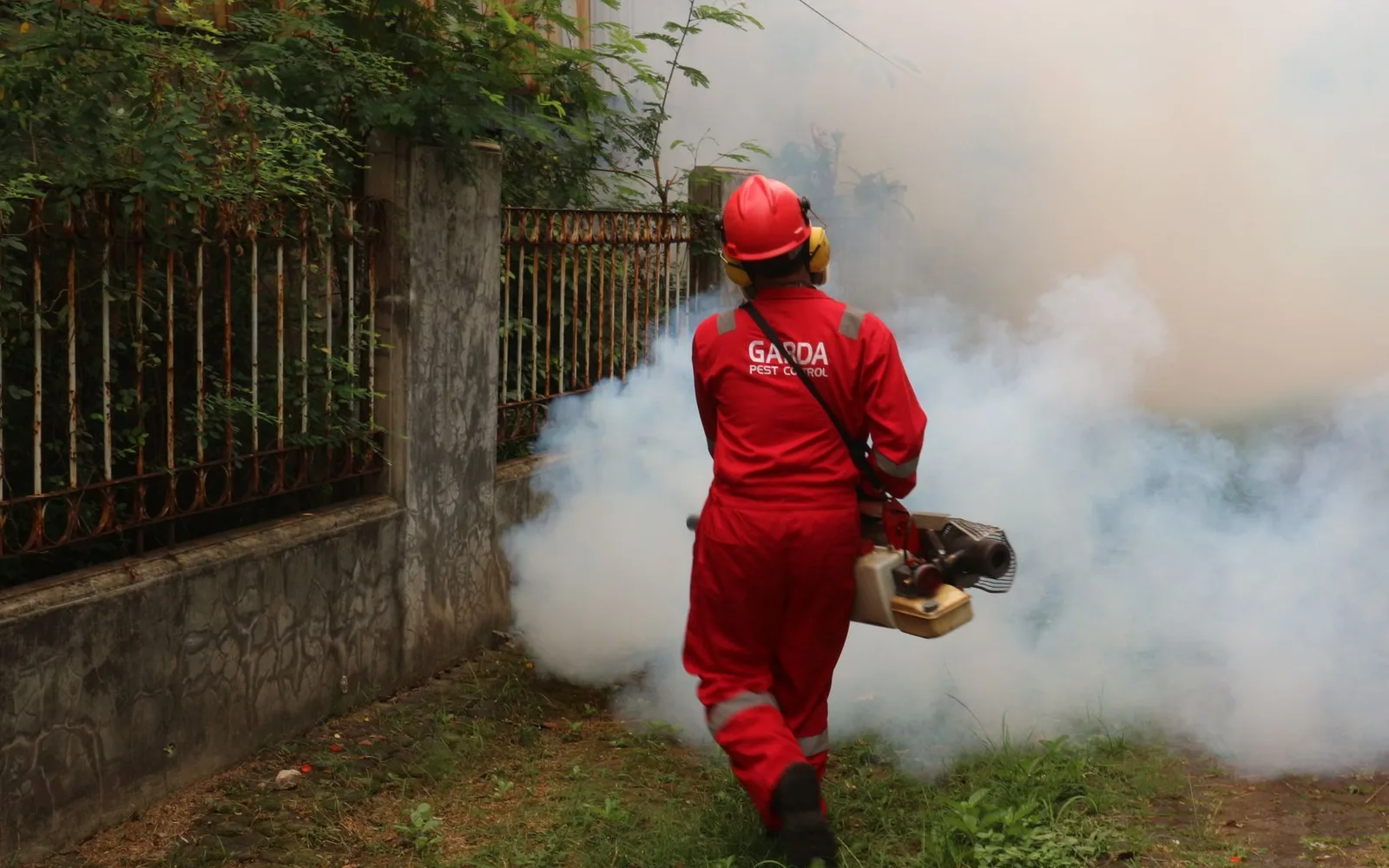
Rest houses and farms in Al Haram Makkah
Al Haram is a dense commercial zone around the Grand Mosque with hotel towers, offices and small stores, each operating independently. Treatment here starts at the boundaries and the excavated ground and material piles, focusing on the gaps between old residential blocks and modern towers, because pests enter directly from the crowded streets and markets.
-
Targeted, not broadcast
Product goes into cracks and runways, never sprayed across open surfaces.
-
Told before we start
What we will use, where it goes, and what to cover or move before we arrive.
-
A follow-up visit
We return after the first treatment, because what survives it does not show on the day.
-
Homes and businesses
Apartments and villas, and kitchens and stores that need a record of each visit.
Why they keep coming back in Al Haram
Offices and small stores open their doors all day, turning them into direct pathways for pests coming from the surrounding streets and restaurants. The method is set out in full on how we approach Rest houses and farms.
Gaps between old and modern buildings
Ageing blocks now serving as dense seasonal lodgings stand beside modern hotel towers, leaving narrow gaps and shaded passages. These spaces offer ideal shelter for pests and make control very difficult without reading the ground closely.
Old flood channels and drainage paths
Ancient storm channels falling from Jabal Qaiqaan and Jabal Khandamah towards the mosque are partly seasonal, partly closed as drainage lines. Mosquitoes breed in them during wet months and rodents nest in them year round.
Markets and restaurants crowding the main roads
Restaurants and cafes on Grand Mosque Road and Umm Al Qura Road produce waste, grease and standing water daily. These sources draw pests directly towards the offices and small stores standing next to them.
The character of Al Haram
Commercial area: offices, showrooms and small stores
The commercial zone around the mosque opens its doors and passages to the public without pause, so pests enter from the street with visitors and goods. The programme focuses on external barriers and entry points more than interior treatment, and demands weekly reading because contamination is continuous.
The site decides the shape of the programme
The zone is framed by Jabal Abu Qubais, Jabal Qaiqaan and Jabal Omar, with busy markets and eateries along Grand Mosque Road and Umm Al Qura Road, and excavated land remaining from the northern expansion.
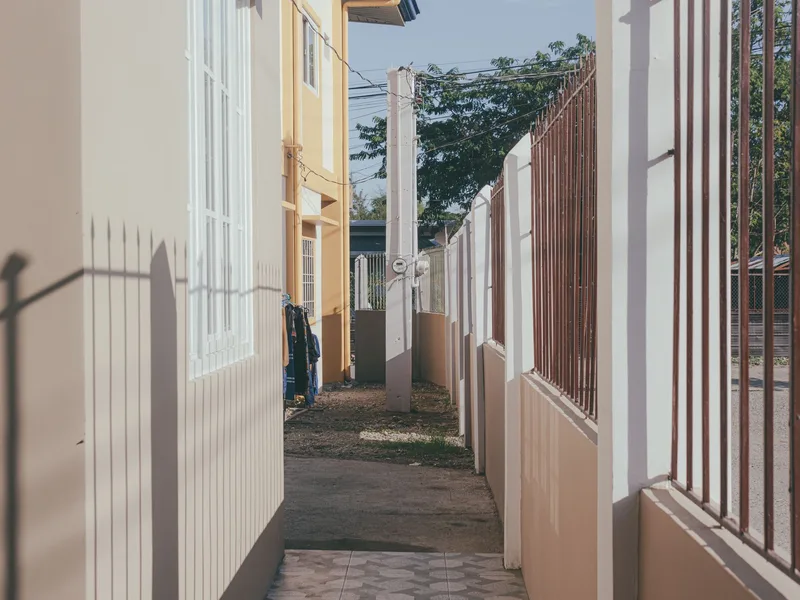
The foot of the wall
The wall foot here is not a single line but several old boundaries from ancient drainage paths, requiring treatment in phases over time.
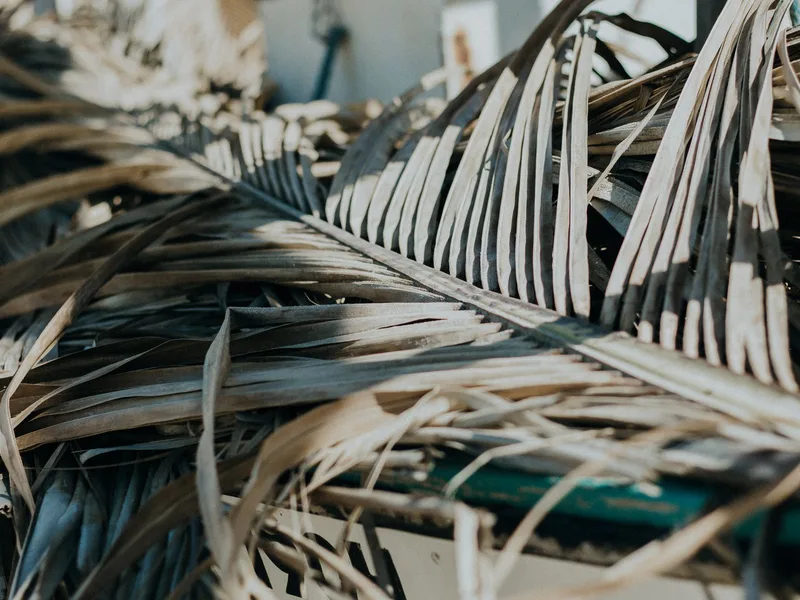
Frond and block piles
Building material piles from the expansion project change location and volume constantly, so lifting and treating demands precise record keeping.
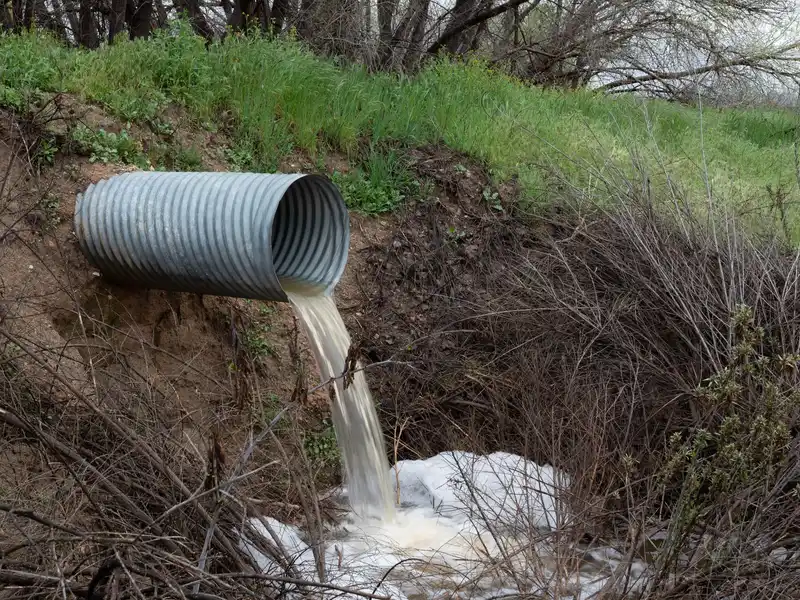
Standing water
Standing water comes from restaurants and drains, not irrigation, and clearing it requires coordination with neighbouring shops.
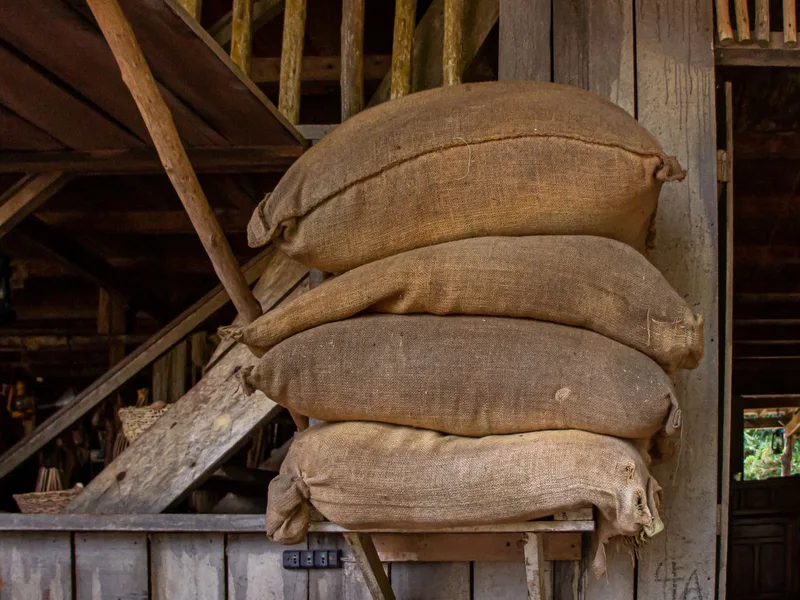
The feed store
There is no feed store in the agricultural sense, but food waste from restaurants provides abundant pest food.
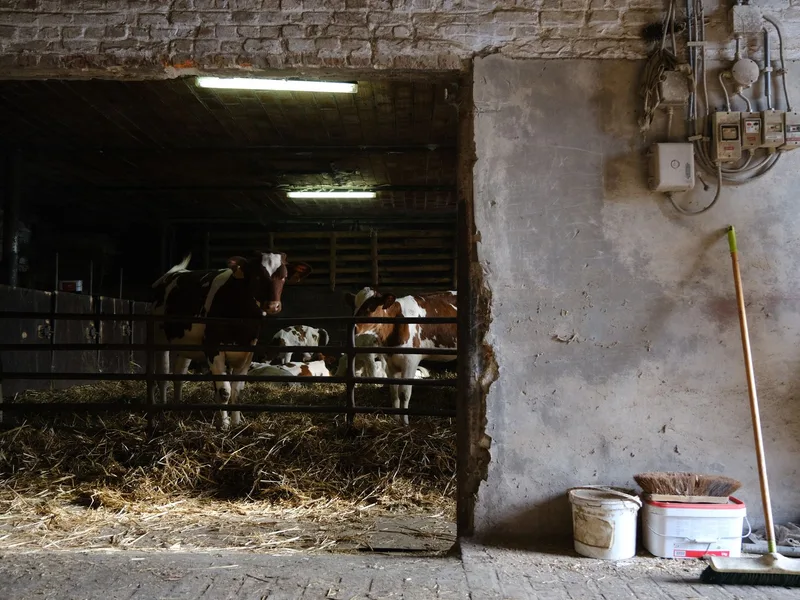
Pens and bedding
Livestock pens do not exist, but warehouses that close at night become safe nests for pests if not treated preventatively.
The building that stays shut
Permanently shut buildings are rare, but sealed storerooms become secure pest shelters unless tackled before closure.
How we work
-
1
Walk the site and number the points
We walk the boundary, the feed store, the pens, the water sources and the buildings, record the species present, the burrows, the entry points and every standing water source, and number the monitoring positions on a plan.
-
2
Lift what things hide under
The piles, the rubble, the fallen dates, the feed sacks pushed up against the wall. On any large plot these gather simply because there is room for them, and clearing them brings the numbers down before a single product is used.
-
3
The perimeter band and targeted treatment
A band at the foot of the wall and the buildings, treatment into the burrows and cracks, locked rodent stations fixed along the route, and mosquito breeding sites treated in the water itself.
-
4
Scheduled visits and a sheet each time
We come back on an agreed schedule, read the same points, renew the band the sun and the irrigation have used up, and write down what was found, what was applied and where, and what the site needs closed.
What the rest house and farm programme includes
-

A site walk and a map of the points
The boundary, the buildings, the pens and the water sources, and a plan with the monitoring positions numbered before anything is installed.
-

Water sources treated at the source
Drinking troughs, drip lines, tank outlets and anything that stands for days, because mosquitoes come out of water and not out of the air.
-

A treated band at the perimeter
The foot of the wall, the building bases and the path edges, which is the line anything coming off the open ground has to cross.
-

Locked rodent stations
Fixed and numbered along one route, and closed so that neither a child's hand nor an animal on the site can get into them.
-

What the site does afterwards
What to cover, where to move animal water bowls, when irrigation can start again without washing the band off, and the ventilation time, which we give you on the call because it changes with the product and the space.
-

Scheduled visits and a record
A schedule agreed ahead of the seasons, the same points read every time, and a record of what was found, what was treated and what is still open.
What is different about Al Ghazza Sub-Municipality
Al Ghazza sub municipality wraps around the north and west of the Grand Mosque, from Al Shamiyah, Al Qararah and Shaib Amir round to Jarwal and Al Taysir. Large tracts were cleared for the northern expansion and the Rua Al Haram scheme, leaving excavated ground and open construction sites beside ageing blocks that now serve as dense seasonal lodgings in Jarwal and Al Taysir. Old flood paths still fall from Jabal Qaiqaan and Jabal Khandamah towards the mosque, and markets and eateries crowd Al Masjid Al Haram Road and Umm Al Qura Road.
Questions about this district
The Grand Mosque and surrounding hotels receive pilgrims every day. Does treatment disrupt them?
We focus on exterior surfaces, gaps and sealed passageways at specific times. Small offices and stores can be treated inside during closing hours without affecting pilgrim movement.
Excavated land from the northern expansion holds stacked building materials. How do we handle it?
We lift material piles progressively and treat underneath, clearing standing water from excavations. These areas need repeated visits because they change constantly.
Old buildings around the mosque have shared walls and ancient pipes. Do they spread pests?
Yes, pipes and wall gaps are direct routes for rodents and cockroaches. We treat pipe entries and external gaps, but neighbouring properties need treatment too for real control.
Restaurants and cafes operate in the same building as offices. Do their waste affect the office above or beside?
The effect is severe, especially for flies and rodents from waste bags and drains. We treat the entry point, external gaps and openings separating the office from the restaurant.
Do the mountains surrounding the mosque help or do they channel pests towards it?
The mountains provide natural shelter for scorpions and snakes and direct them towards water channels. Treatment focuses on boundary walls at the foot of the slopes and openings they reach.
Offices and stores move goods daily from the street. Does this bring fresh pests every time?
Yes, goods come from different places and may carry insect larvae or eggs. The programme focuses on regular inspection of entry points, platforms and internal shelving.
How much does rest houses and farms in Al Haram cost?
It is set after the inspection, because the price follows the type of infestation, the size of the space, how far it has spread and the number of visits it needs. Send a photo and a description on WhatsApp and we will give you an estimate before we reach Al Haram.
Other services in Al Haram
Other services we provide to residents of Al Haram.
-
 Residential
Cockroach control
Residential
Cockroach control
-
 Residential
Bed bug control
Residential
Bed bug control
-
 Residential
Termite control
Residential
Termite control
-
 Residential
Rodents and mice
Residential
Rodents and mice
-
 Residential
Mosquito control
Residential
Mosquito control
-
 Residential
Fly control
Residential
Fly control
-
 Residential
Ant control
Residential
Ant control
-
 Residential
Gecko control
Residential
Gecko control
-
 Residential
Scorpion control
Residential
Scorpion control
-
 Residential
Snake control
Residential
Snake control
-
 Residential
Flea control
Residential
Flea control
-
 Residential
Bird and pigeon control
Residential
Bird and pigeon control
-
 Residential
Preventive treatment
Residential
Preventive treatment
-
 Residential
Disinfection
Residential
Disinfection
-
 Commercial
Annual contracts
Commercial
Annual contracts
-
 Commercial
Restaurants and cafes
Commercial
Restaurants and cafes
-
 Commercial
Hotels and apartments
Commercial
Hotels and apartments
-
 Commercial
Warehouses and factories
Commercial
Warehouses and factories
-
 Commercial
Schools and nurseries
Commercial
Schools and nurseries
-
 Commercial
Retail and malls
Commercial
Retail and malls
-
 Commercial
Fumigation
Commercial
Fumigation
-
 Water tanks
Water tank cleaning
Water tanks
Water tank cleaning
-
 Water tanks
Water tank sterilization
Water tanks
Water tank sterilization
-
 Water tanks
Water tank sealing
Water tanks
Water tank sealing
-
 Water tanks
Tank leak repair
Water tanks
Tank leak repair
Need rest houses and farms in Al Haram? Tell us what you saw and we will tell you what it needs
We reach Al Haram at a time we agree, and you get the full cost before we start.